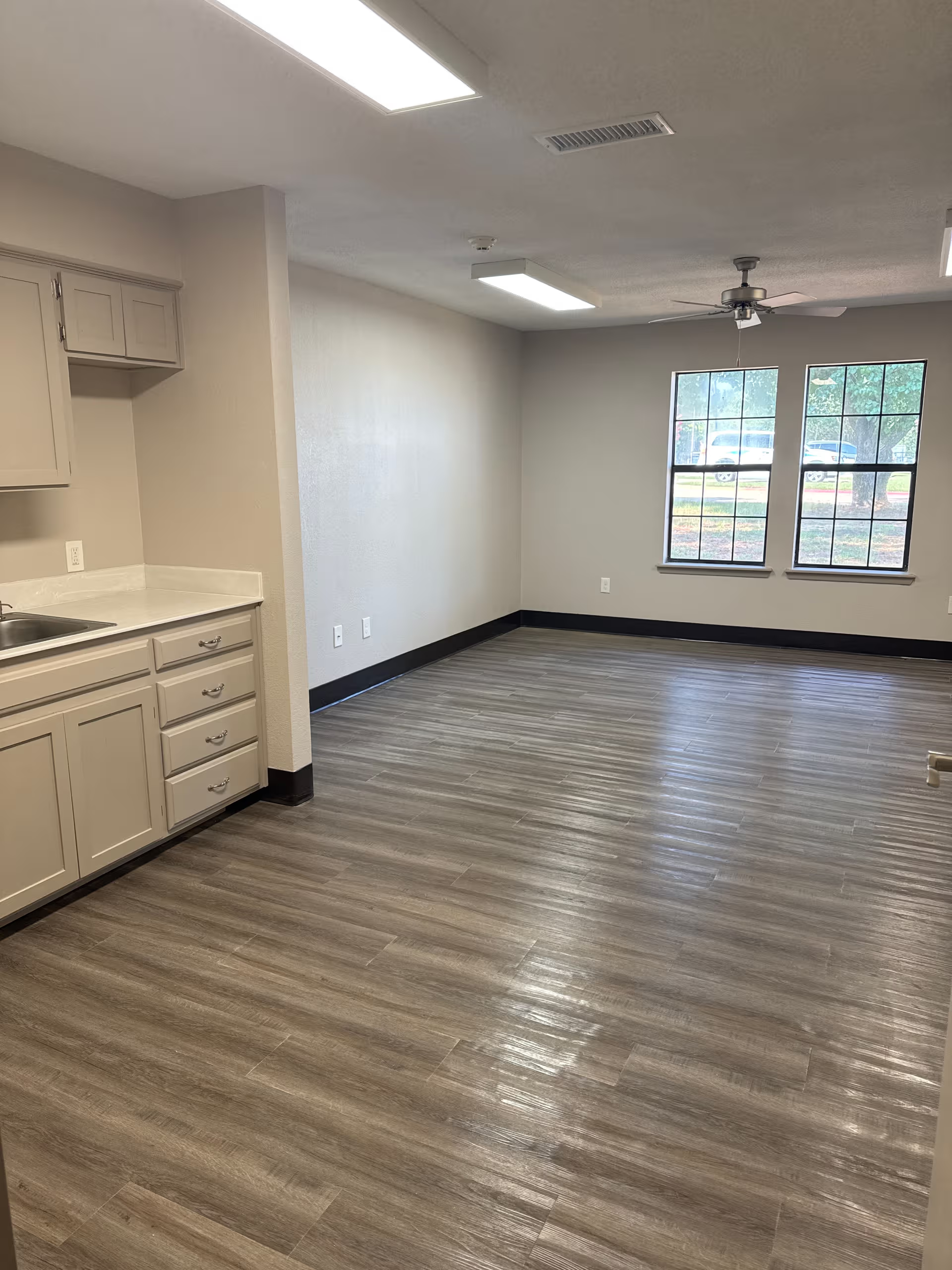
Autumn Wind Assisted Living appears to combine several operational strengths with a set of notable operational inconsistencies. Strengths most commonly described include a caring and knowledgeable staff, clean and well-maintained public spaces, spacious apartment options (including one-bedroom units and units with kitchens), and a range of on-site amenities such as a theater, game/puzzle rooms, wide hallways and accessible floor plans. The facility also advertises three levels of care and on-site therapy/exercise programming, which many families found helpful for day-to-day needs and for residents with cognitive impairment.
Care and staffing are the facility's most frequently cited positives. Numerous families emphasized attentive, personable caregivers who learn residents’ names and preferences, and staff who coordinate to meet individual needs. Reviewers also noted effective dementia care in secured settings and availability of daily therapy or exercise. However, a subset of families described serious concerns about management responsiveness in specific situations; these critiques centered on follow-through, communication with families, and coordination during critical transitions, which suggests variability in administrative practices rather than a uniform operational approach.
Dining and activities illustrate similar contrasts. Many reviewers praised the weekly menu, variety of dining options (dining room or in-room), and positive dining experiences. The community offers a full activity program—bingo, art, music, theater outings, puzzles and daily group exercise are all mentioned—plus pleasant outdoor seating and grounds. At the same time, other families raised concerns about inconsistent meal quality and menu freshness (requests for more fresh fruit and fewer fried options), and about reduced or irregular communal programming (notably during the COVID period and after certain operational changes). Prospective families should ask for current sample menus and a recent activity calendar to confirm present-day offerings.
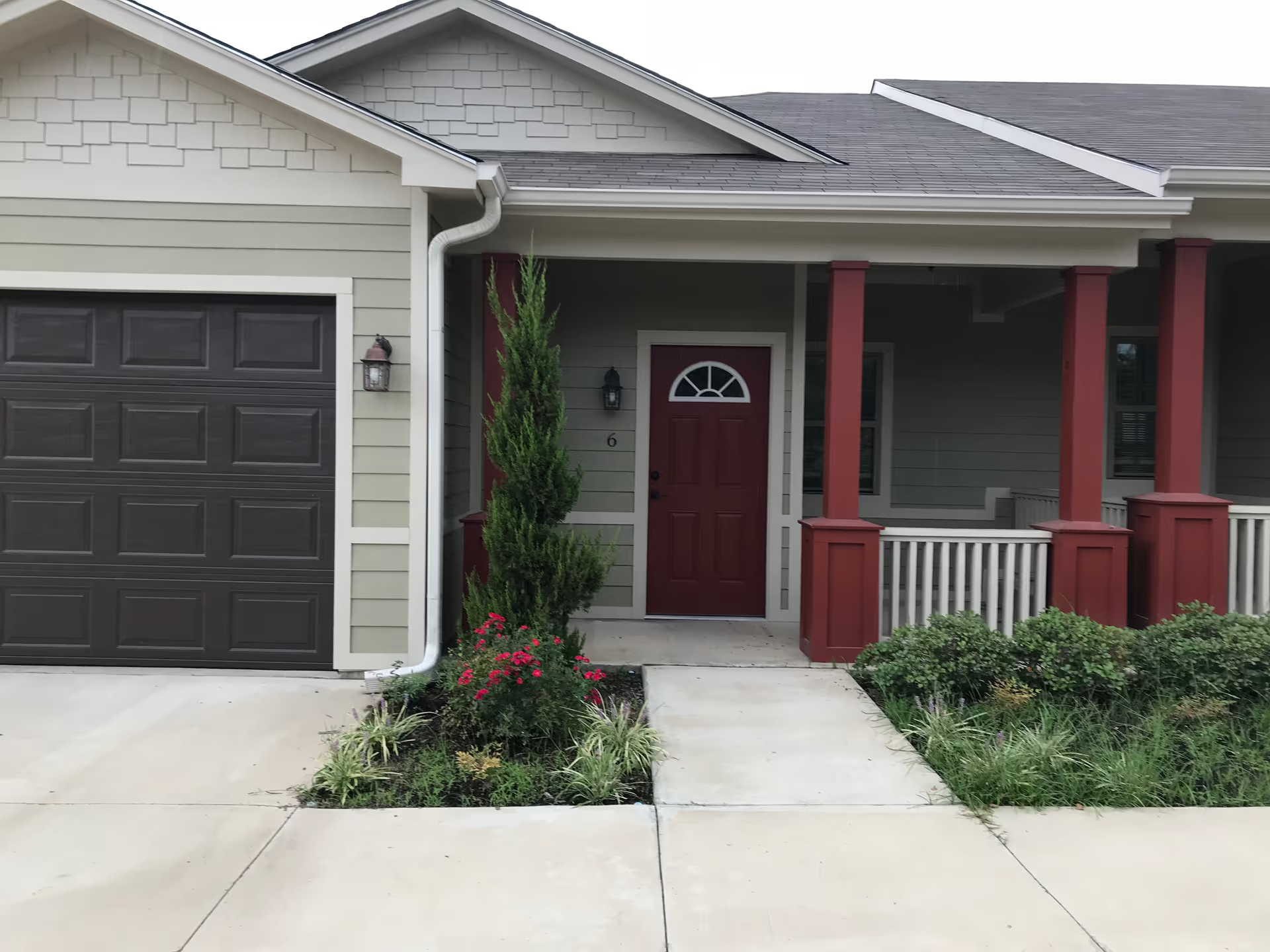
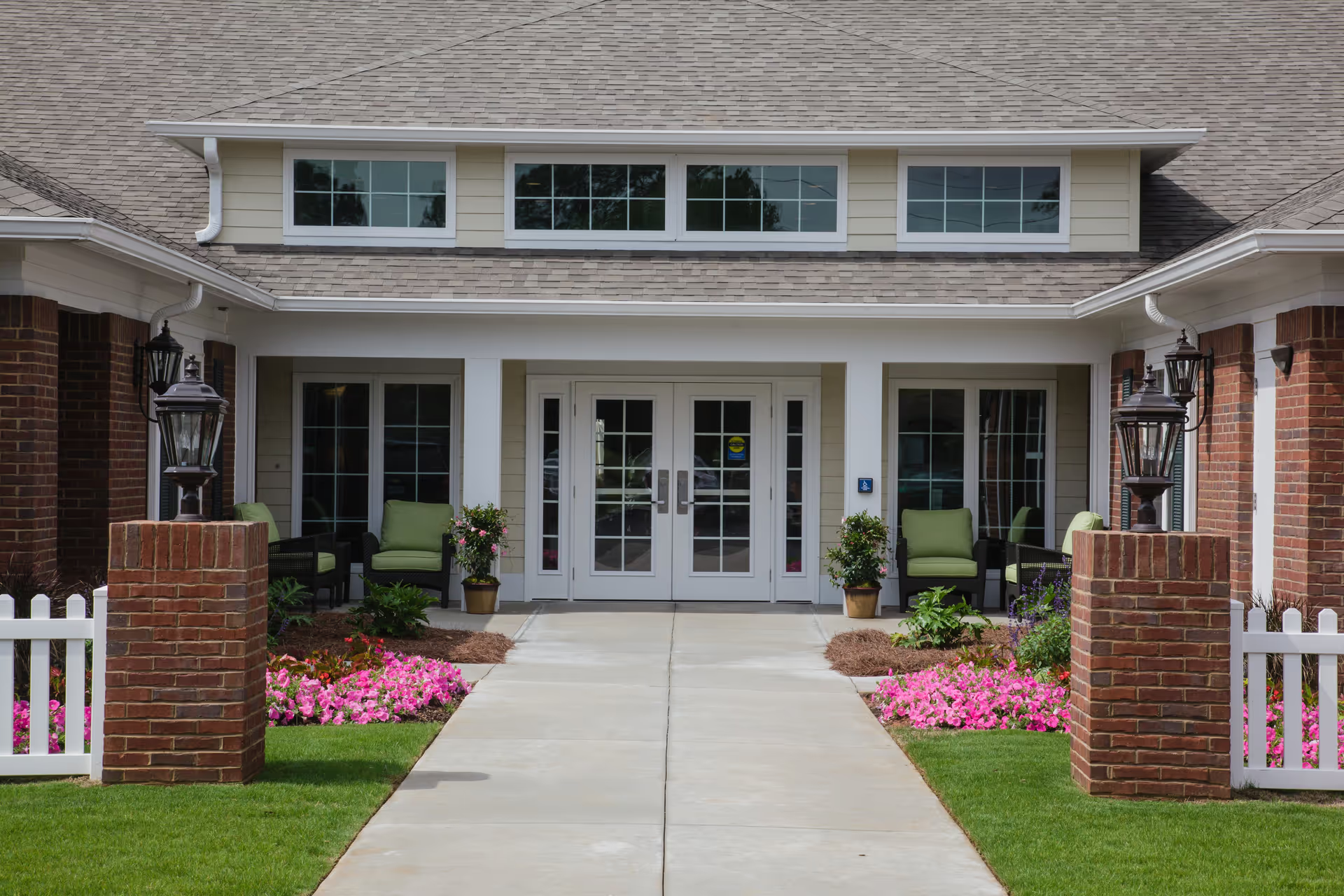
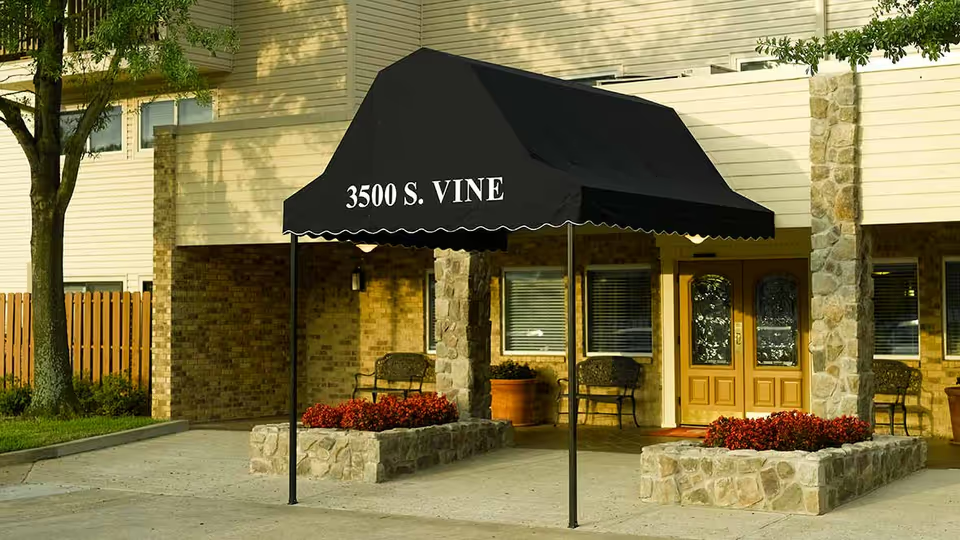
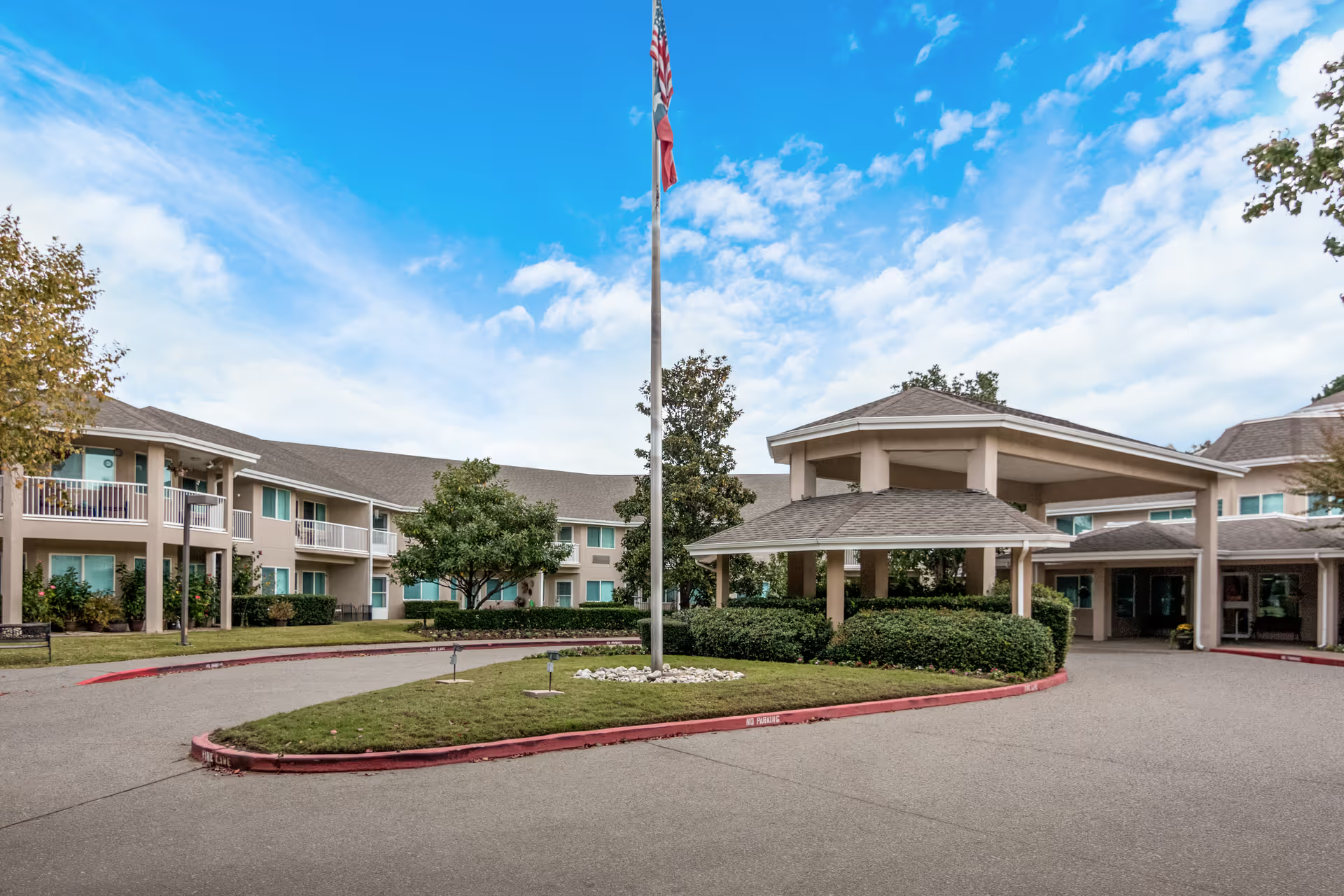
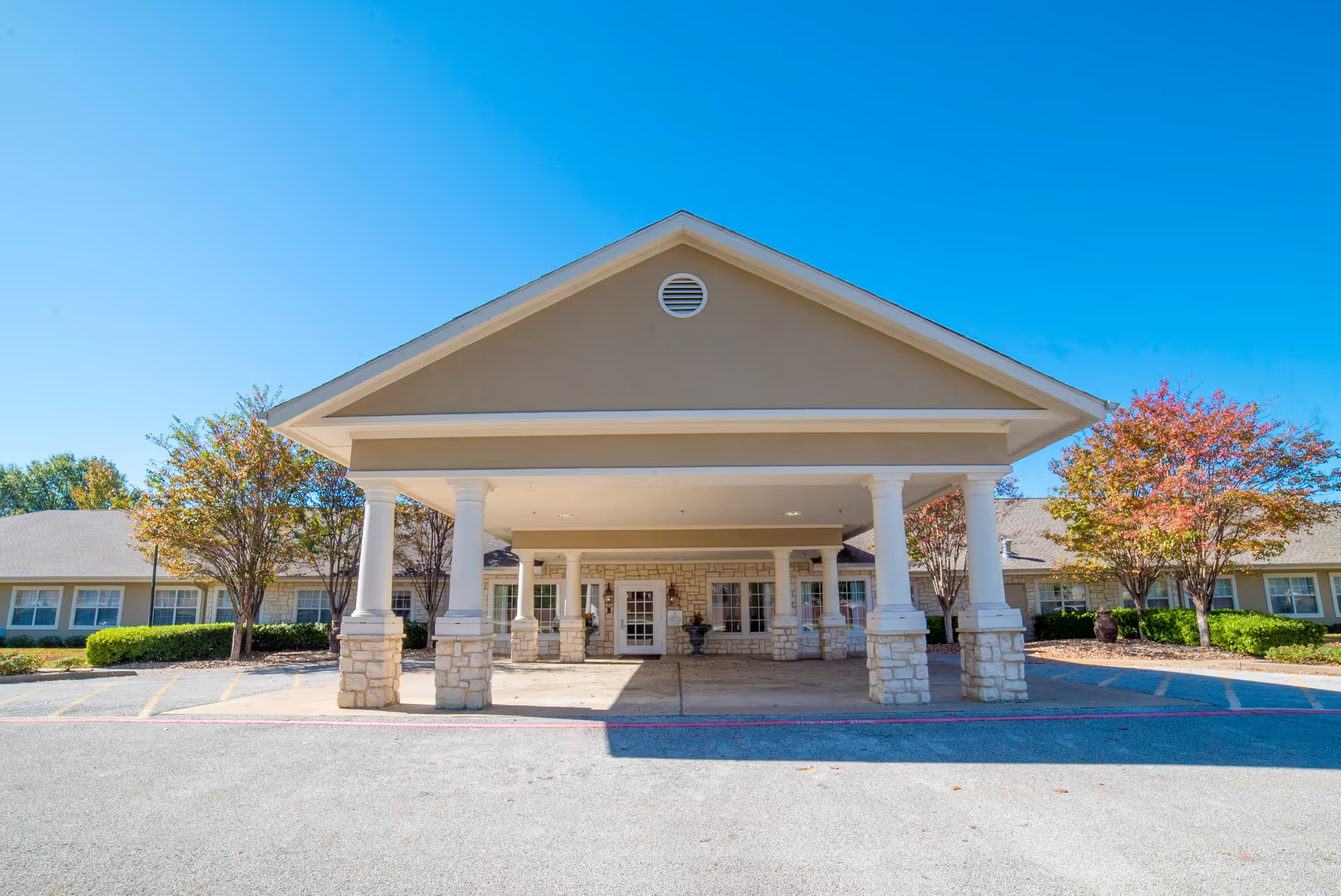
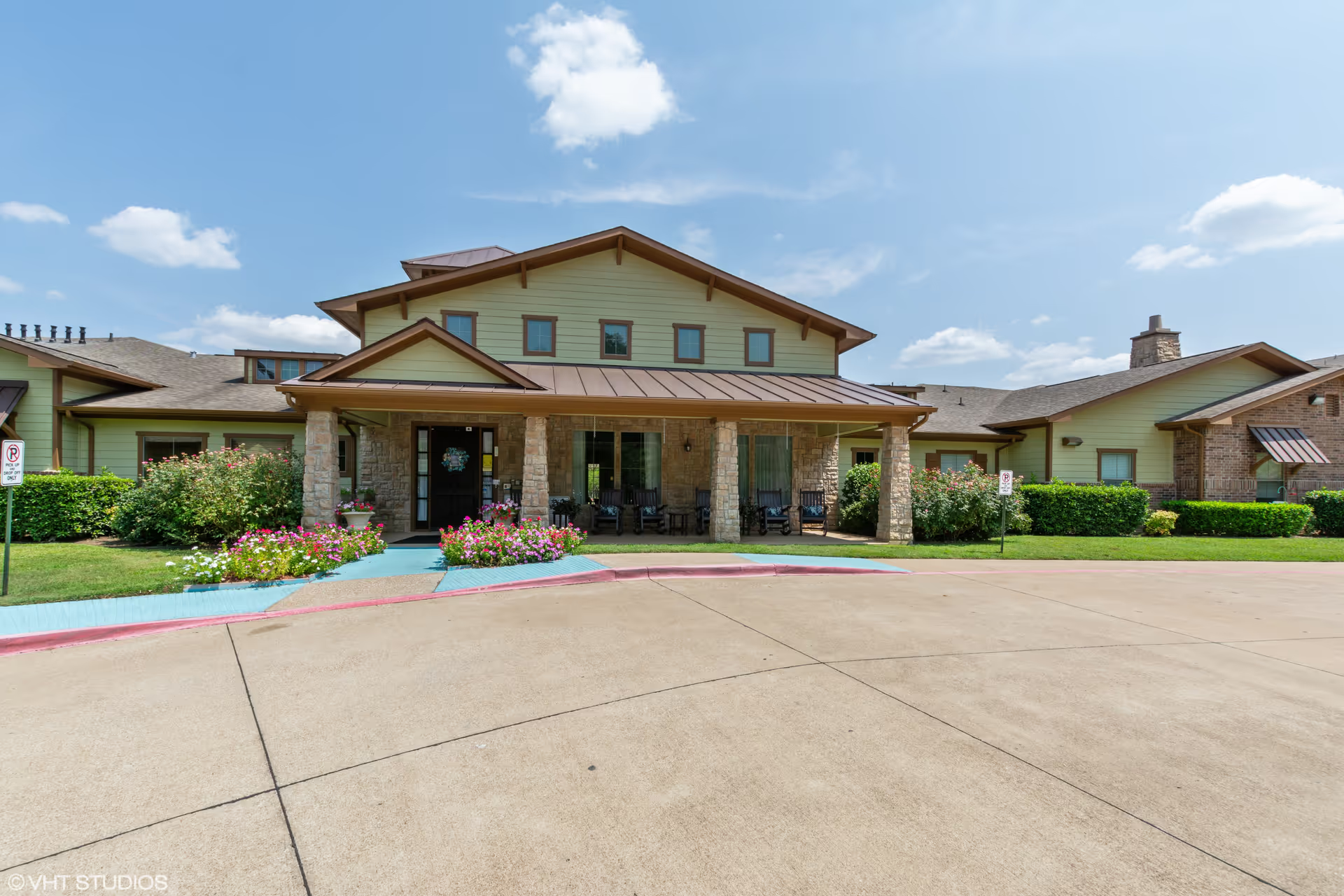
Facility condition and amenities were generally described positively: clean rooms, large bathrooms, a presentable foyer, and well-kept grounds where residents can sit outdoors. Several reviewers also appreciated the ability to furnish apartments with personal furniture. On the negative side, operational changes tied to ownership or management transitions were linked to service reductions for some families—most notably transportation (including lack of Sunday service and reports of suspended routes after an ownership change).
Management and risk areas deserve careful attention during a tour and contract review. Key patterns in the reviews include inconsistent managerial follow-through on promises, gaps in end-of-life and hospice coordination for families seeking those services, questions about human-resources responsiveness to staff-conduct concerns, and allegations of theft and mishandling of personal property. These suggest that while caregiving at the unit level is often praised, administrative policies and their execution can vary and have significant consequences for families.
Recommendation: Autumn Wind shows many attributes families look for—compassionate direct care staff, varied amenities, and well-maintained living spaces—but it also exhibits operational inconsistencies that merit direct confirmation. Prospective residents and their families should verify contract terms, ask specifically about hospice access procedures, transportation schedules, property-handling policies, recent changes in ownership or leadership, current staffing levels, and obtain up-to-date menus and activity calendars before deciding.