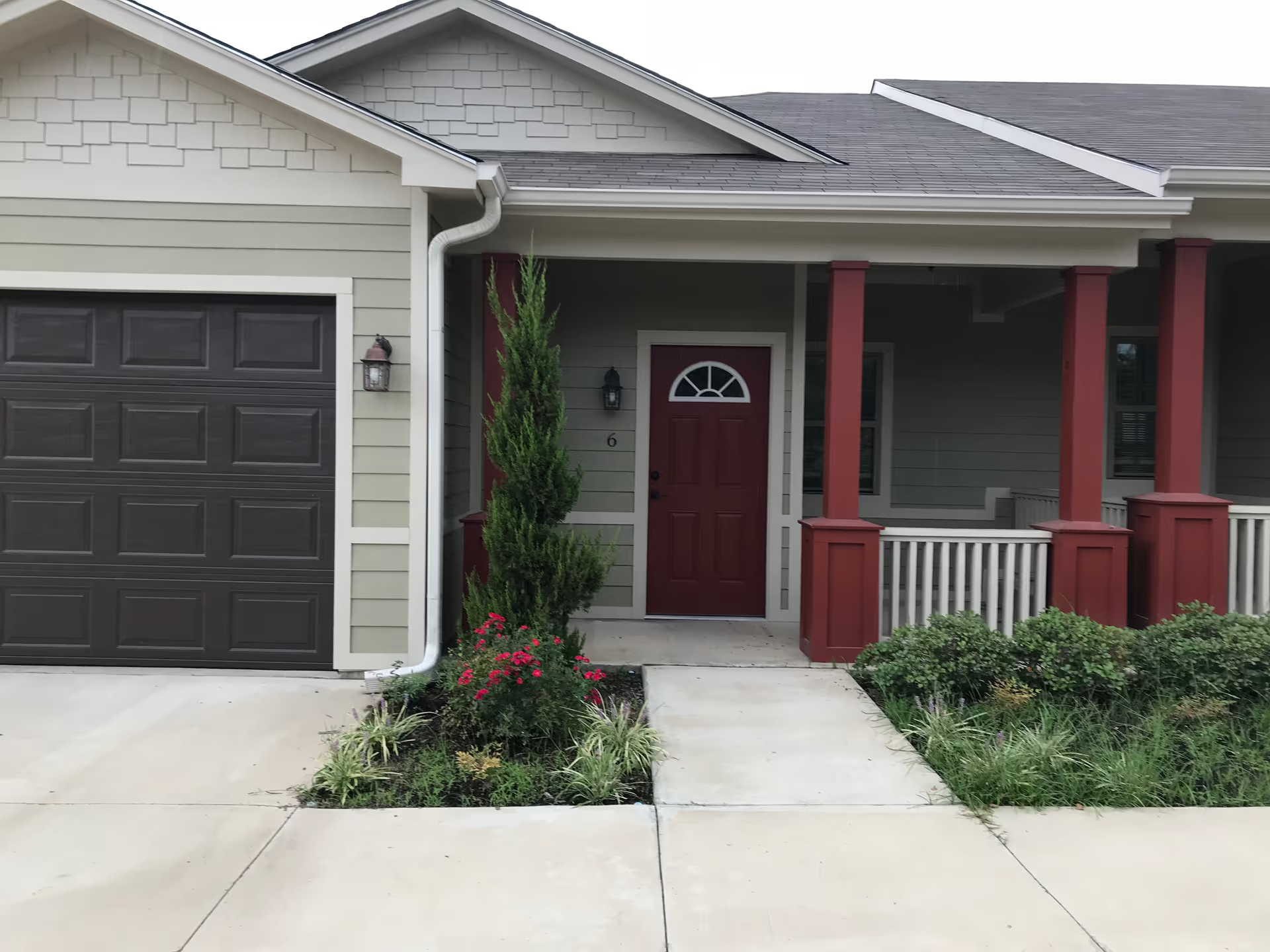
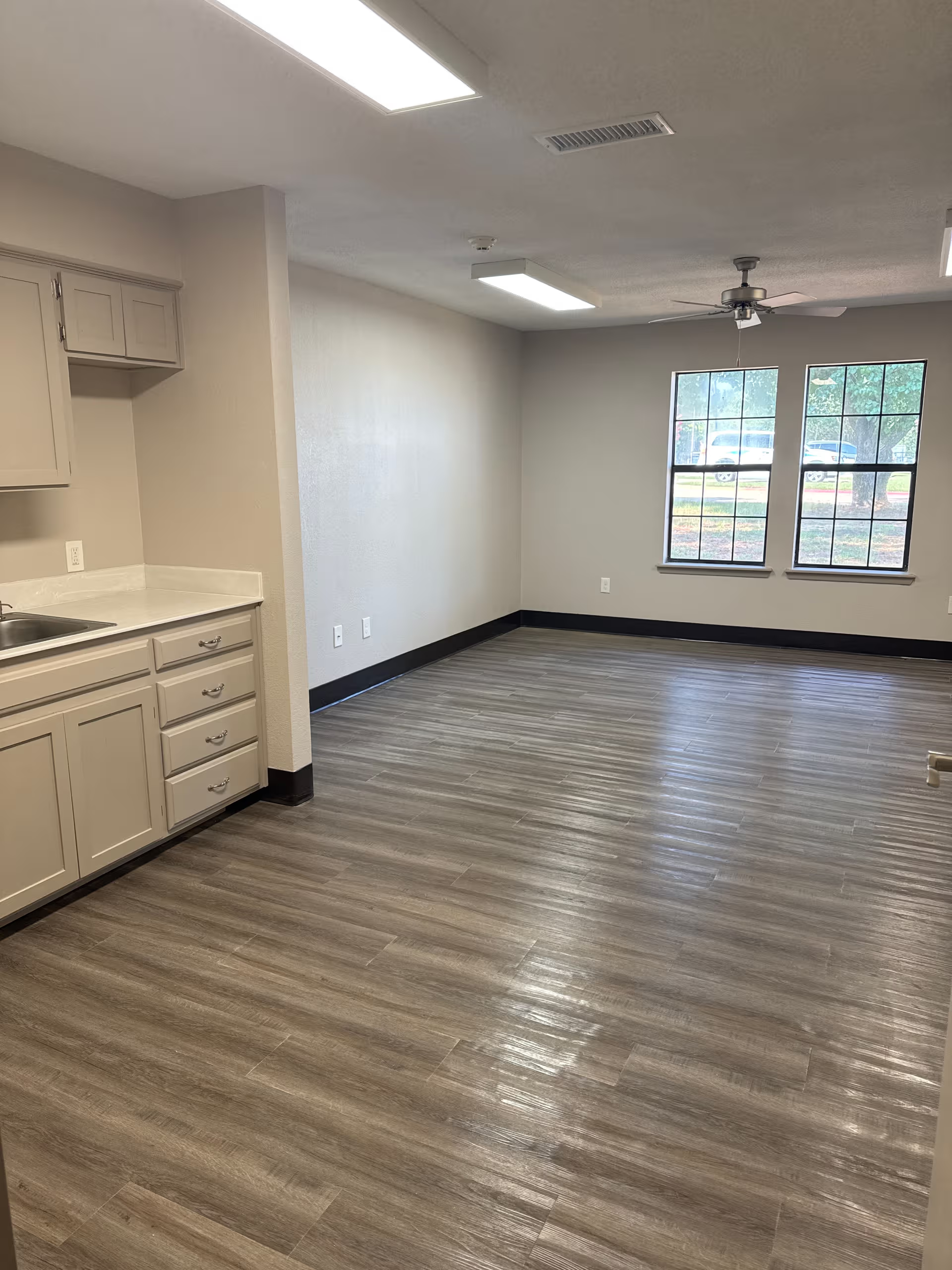
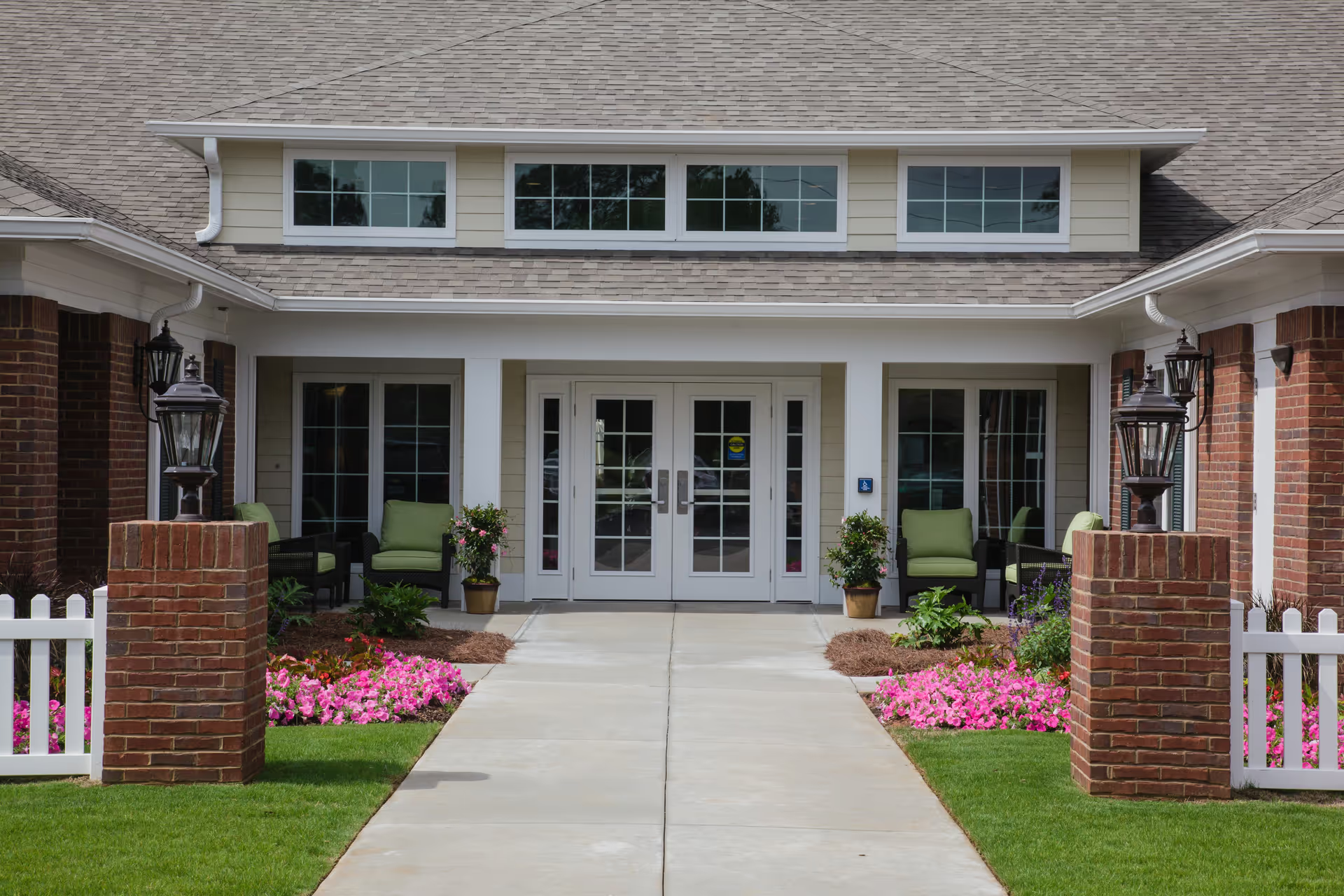
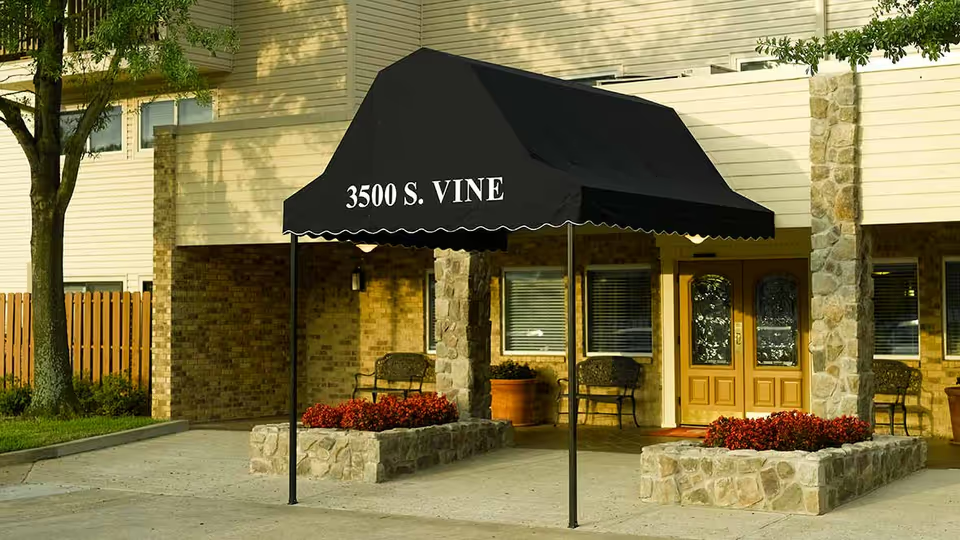
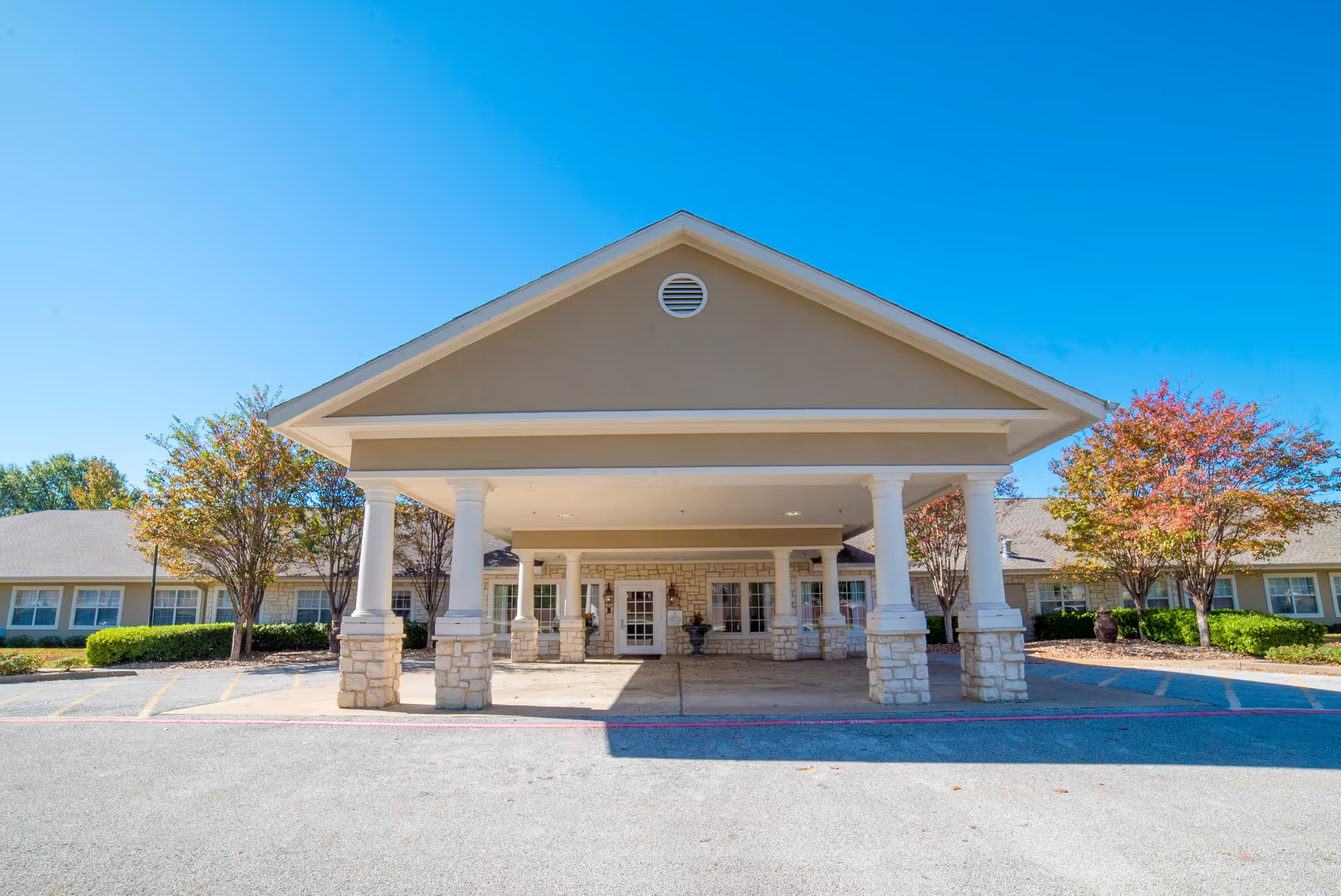
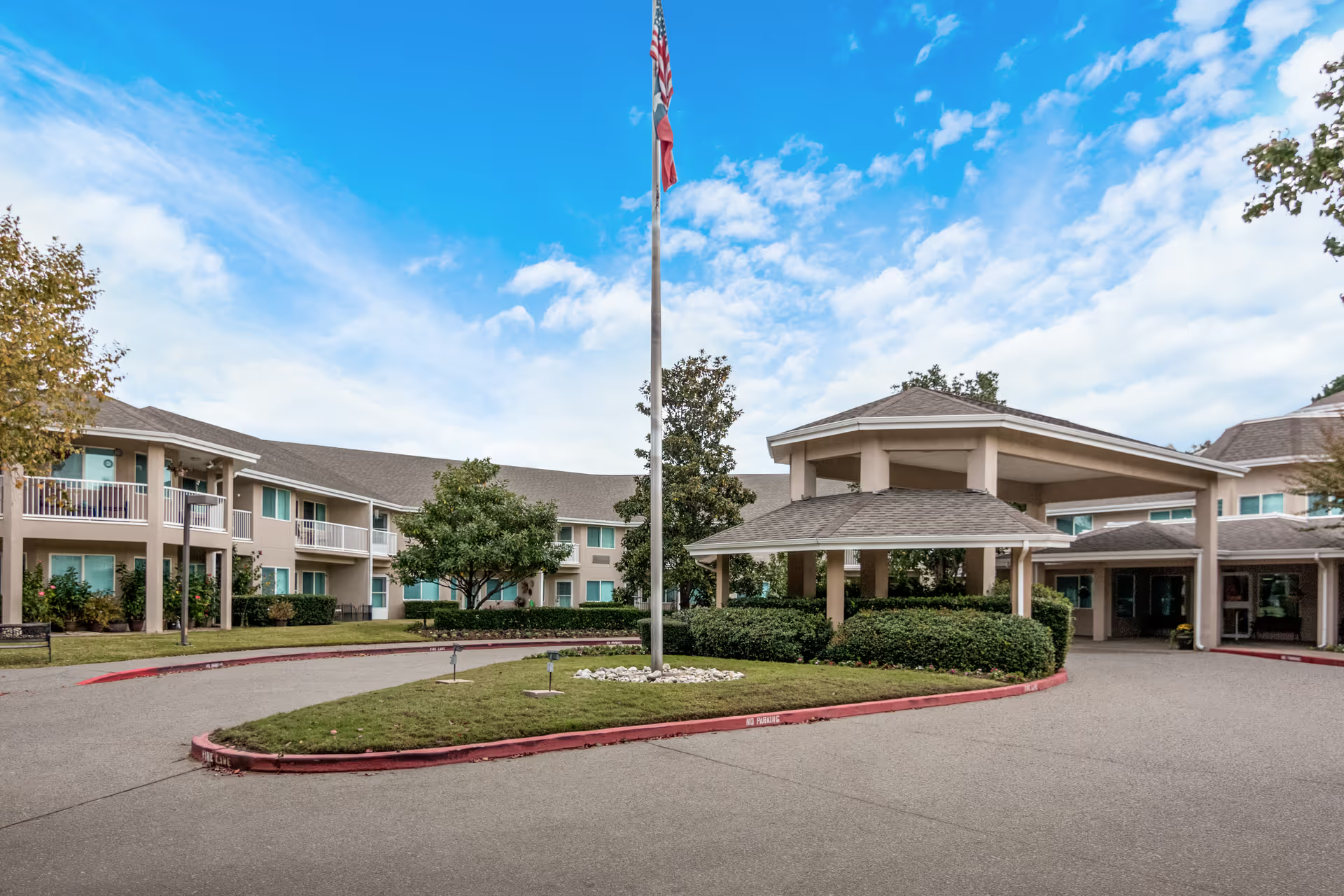
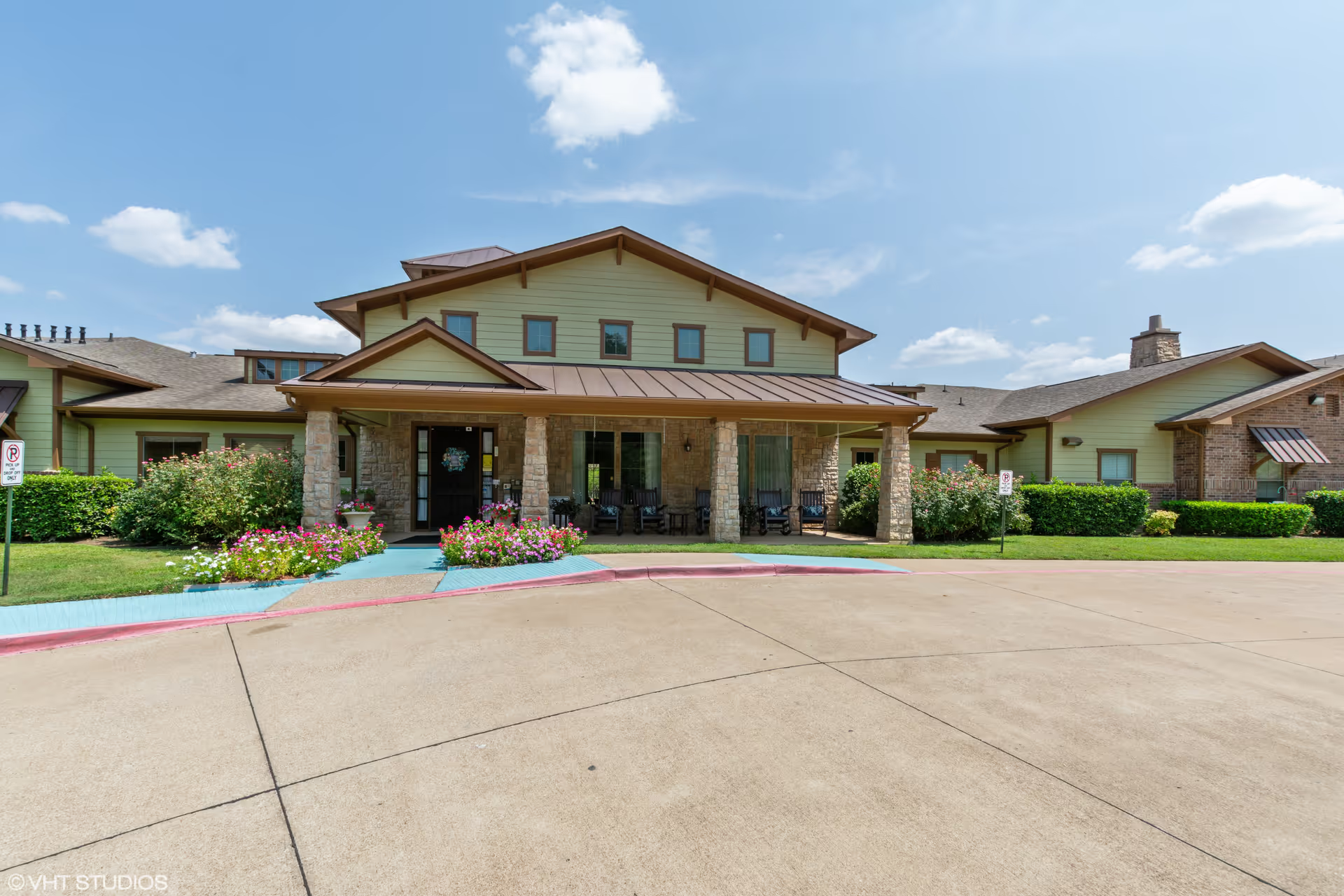
The reviews present a polarized overall picture of Avir at Mineola. Multiple accounts describe an orderly, attractive facility with visible pride in presentation, dedicated nurses and therapists, and administrative staff who assist families through admissions and transitions. Those positive impressions emphasize friendly interactions, responsive communication in many cases, and clinical staff who provide rehabilitation and daily care. These comments suggest that when staffing and processes are functioning well, residents and families experience competent, supportive care in a pleasant environment.
Counterbalancing those positives are recurrent operational concerns that affect care consistency. A frequent theme is understaffing and high caregiver workload, which reviewers link to delays in routine care and a hospital-like or restrictive atmosphere on certain units. Several accounts raise concerns about clinical judgment and medication or topical-application practices, indicating variability in assessment and treatment consistency. In addition, reviewers described gaps in supply management for essential items and sanitation or odor concerns in some areas — issues that can reflect inventory control and housekeeping processes rather than isolated incidents.
Communication and staff conduct are other notable patterns. While some families praised helpful managers and prompt updates, others described abrupt or uncommunicative responses, including during transfers to emergency care. These mixed reports point to inconsistent family communication protocols and uneven professionalism among frontline staff. There are also comments about restrictive unit policies (referred to by some as a "lock-down" experience) that may affect residents’ daily routines and perceived autonomy.
Dining and activities receive little consistent comment in the available summaries. The facility’s orderly common areas and references to supportive therapy staff suggest there may be organized programming, but reviewers did not provide substantive detail about meal quality, social activities, or engagement levels. Prospective families should request current activity calendars and sample menus during a visit.
For prospective residents and families: the facility demonstrates clear strengths in physical upkeep, some committed clinical staff, and administratively supported admissions. However, the pattern of concerns — particularly around staffing levels, supply availability, clinical consistency, sanitation in specific areas, and communication during transfers — warrants targeted questions during a tour. Ask about current staffing ratios, protocols for clinical assessment and medication administration, inventory controls for essential supplies, housekeeping and odor-management practices, incident and transfer communication procedures, and policies for locked or secured units to determine whether the facility’s day-to-day operations align with your expectations and care needs.