Mission Valley Nursing and Transitional Care receives largely positive feedback for its clinical care, rehabilitative services, and facility environment, while showing recurring operational gaps that families should assess during placement. Across reviews the facility’s therapy programs (physical, occupational and speech) and seven-day rehab coverage are repeatedly highlighted as effective and instrumental in successful discharges. Reviewers also commonly praise nursing staff, CNAs, and individual clinicians for compassion, bedside manner, and responsiveness when present; wound care and medication-management systems (including computerized verification and pharmacy support) are noted strengths.
Dining and nutrition present a mixed picture. Many families describe well-seasoned meals, daily visits from dietary staff, and willingness to accommodate special diets or outside food. However, a number of accounts indicate inconsistent meal quality and instances where nutritional needs were not adequately identified or managed, with some residents experiencing weight loss. Prospective residents should confirm the facility’s process for nutritional assessment, dietitian involvement, and meal substitutions when diet or swallowing concerns are present.
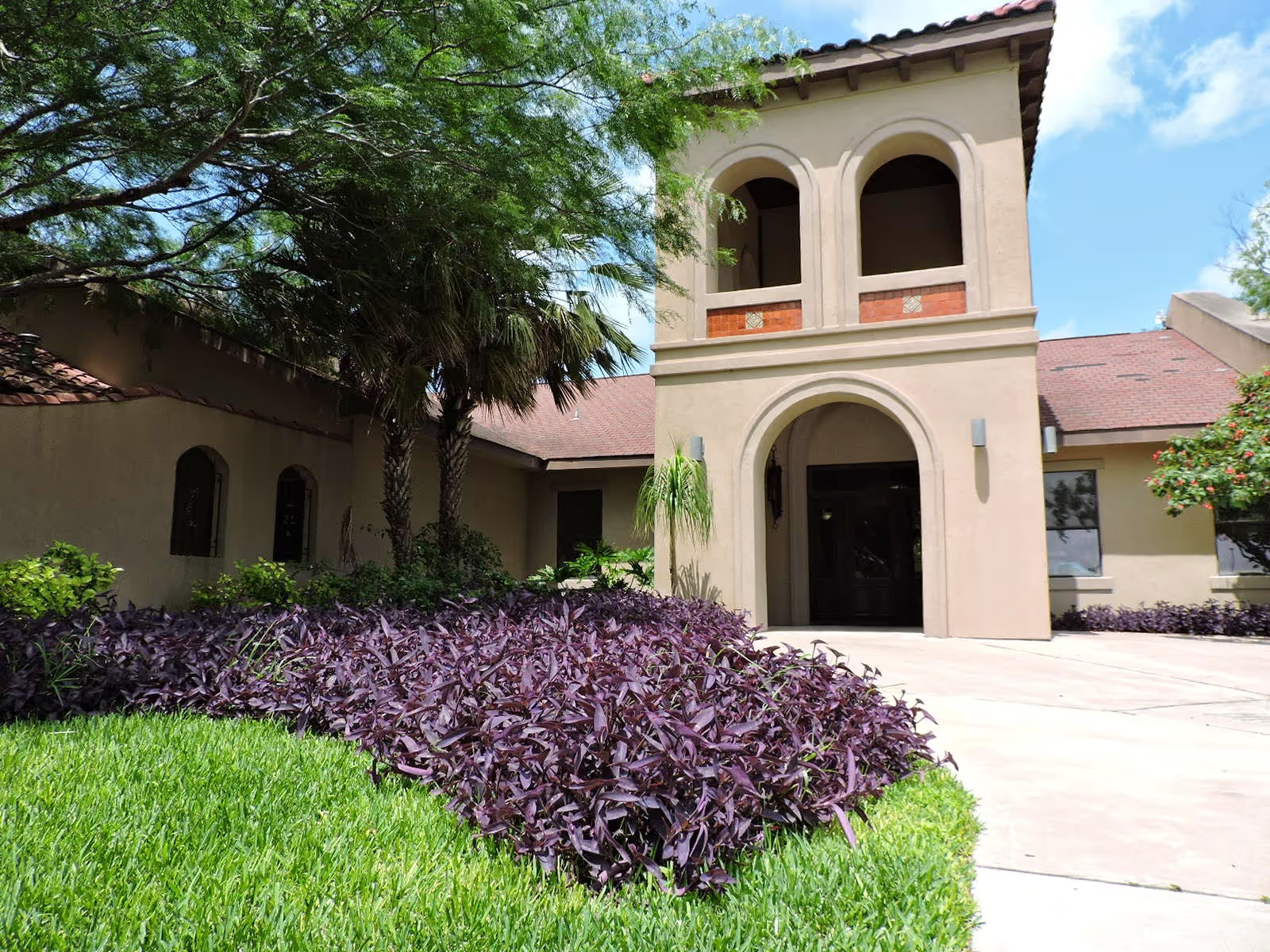
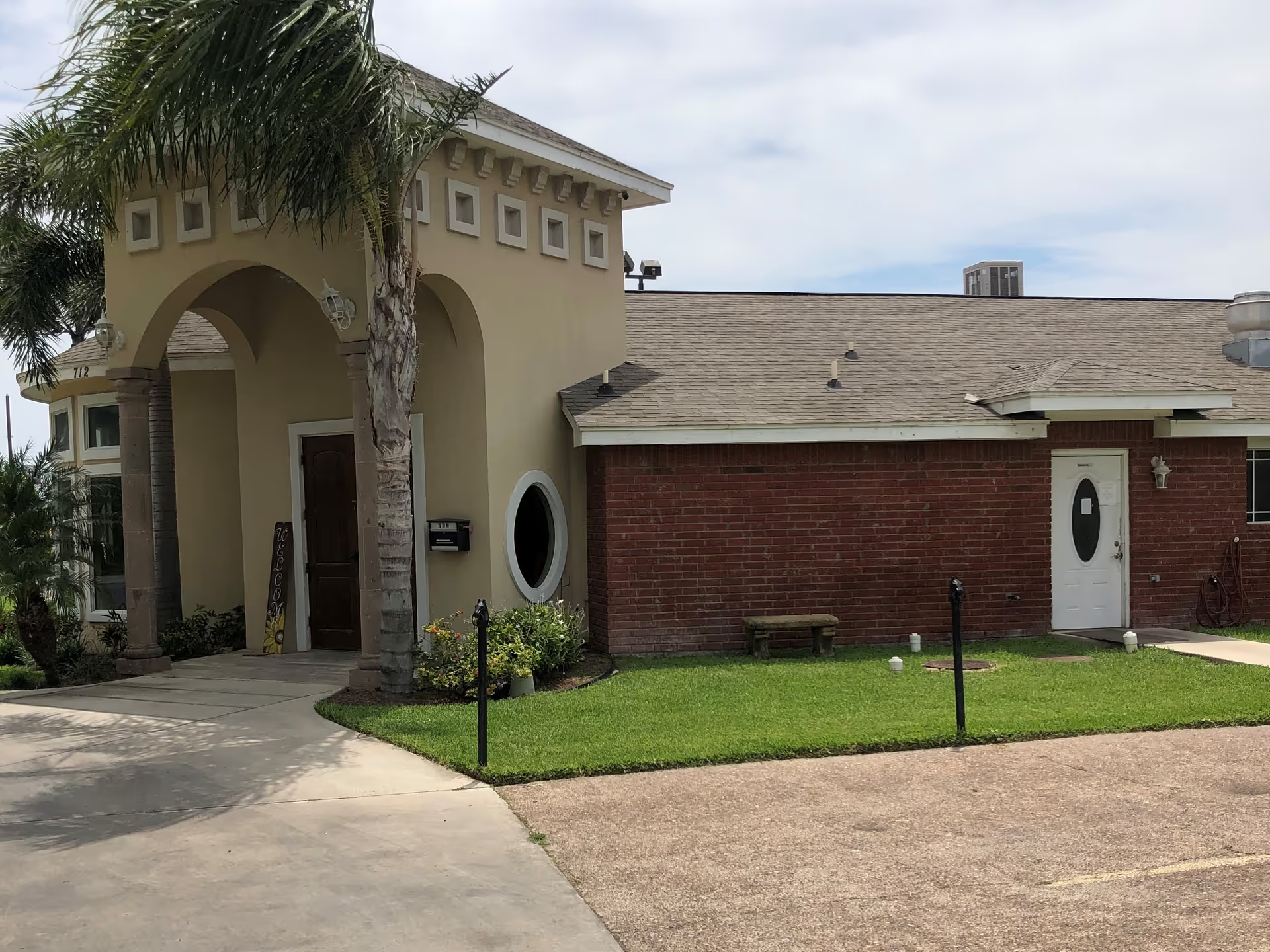
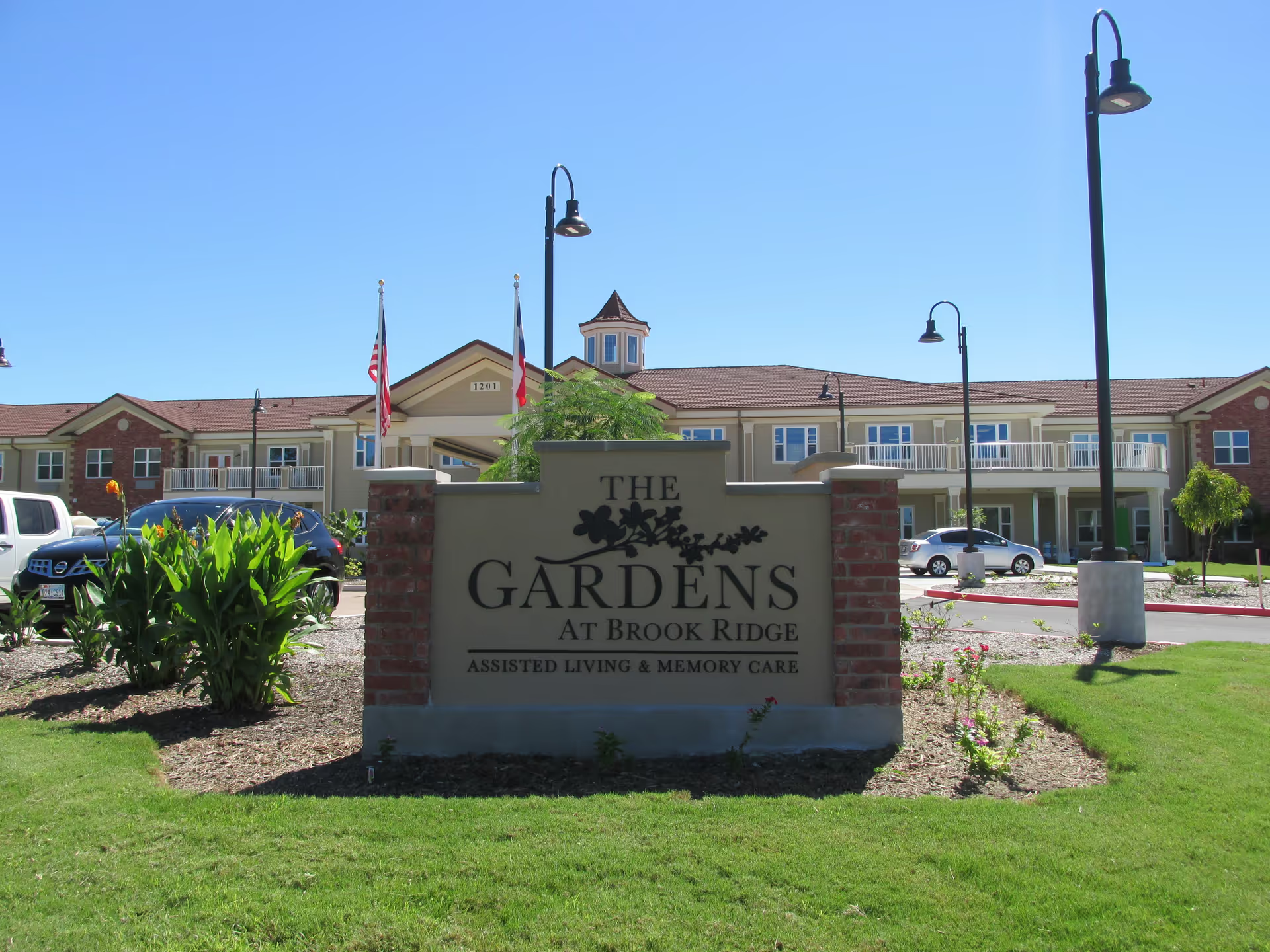
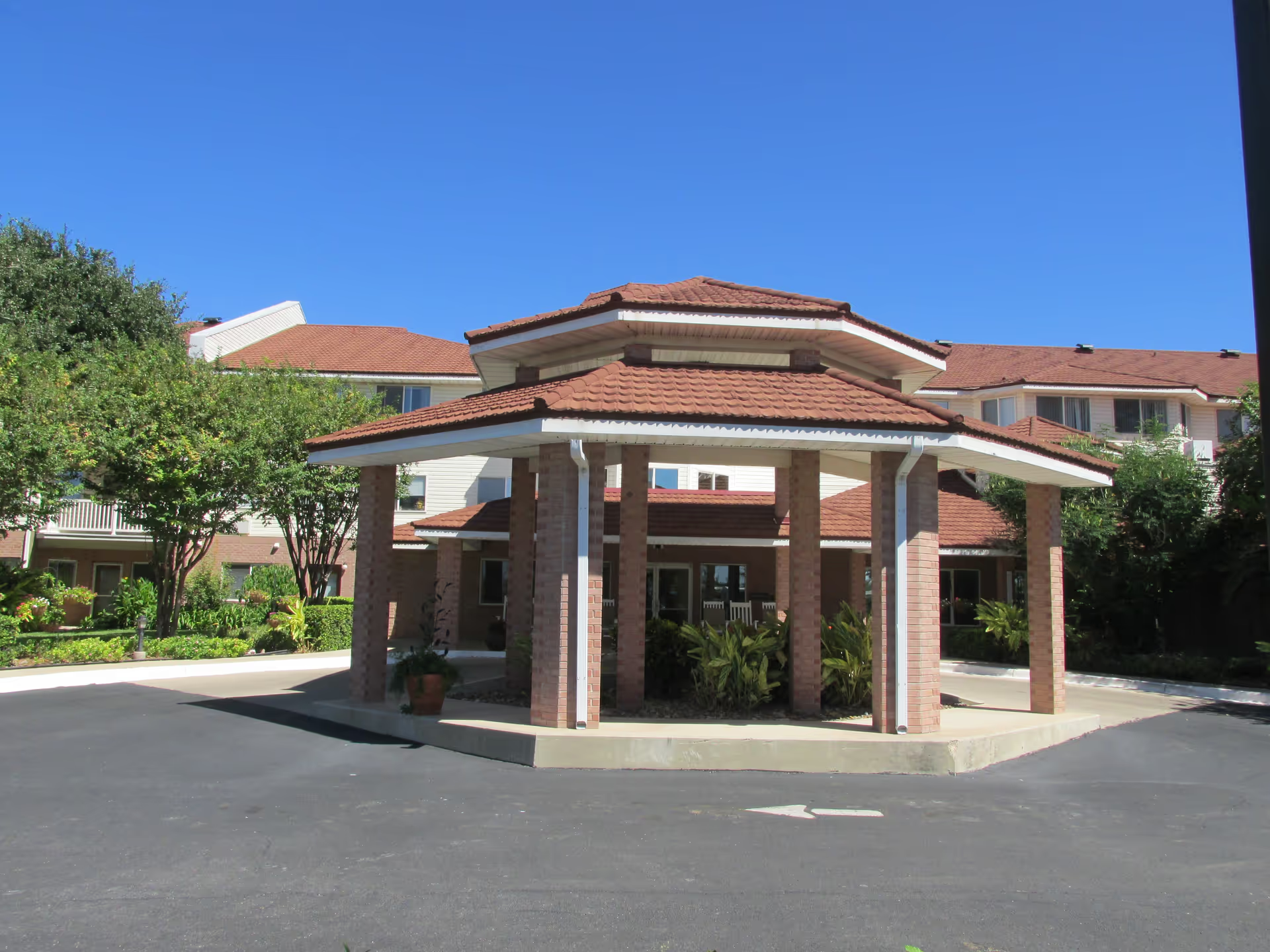
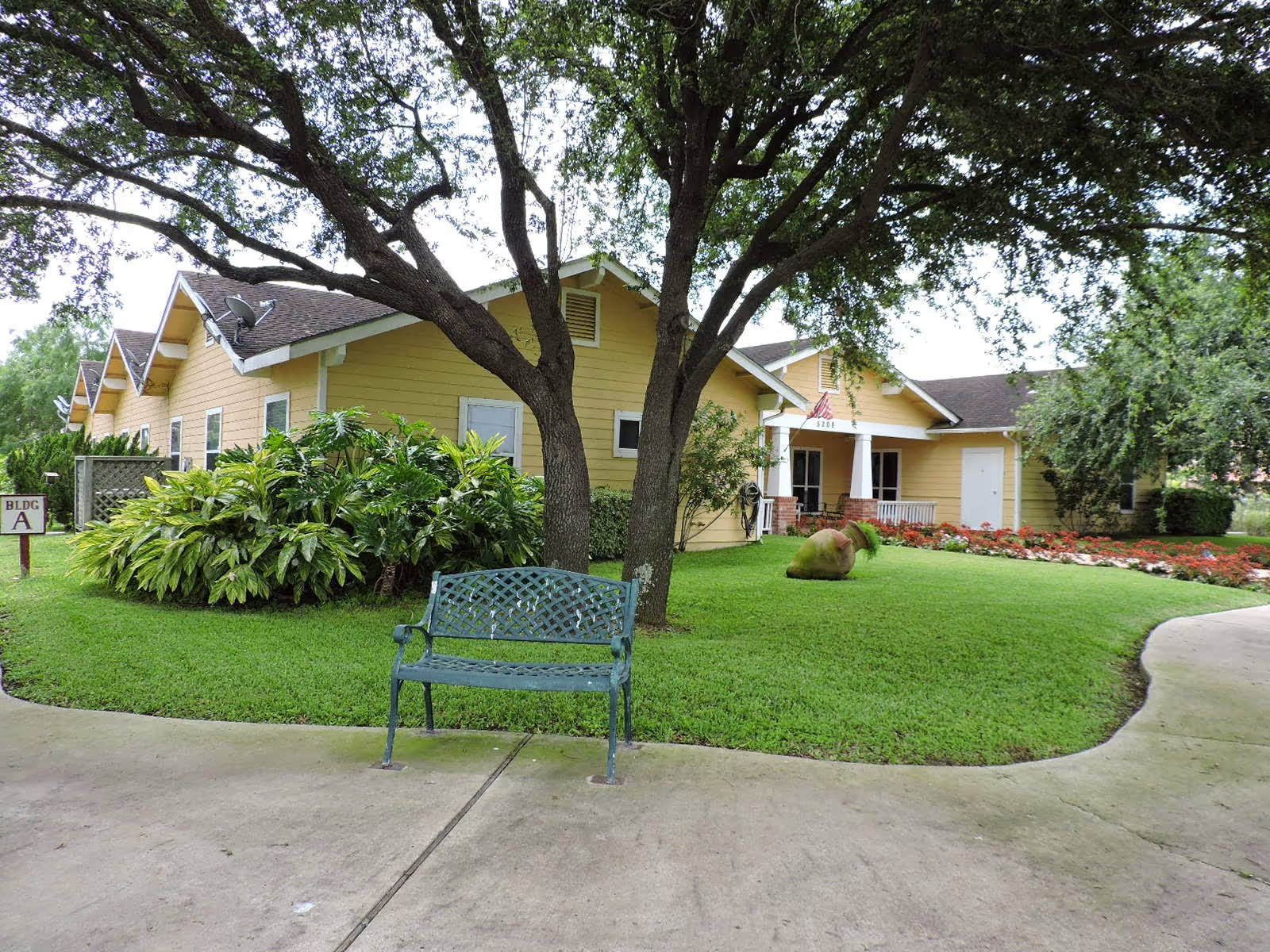
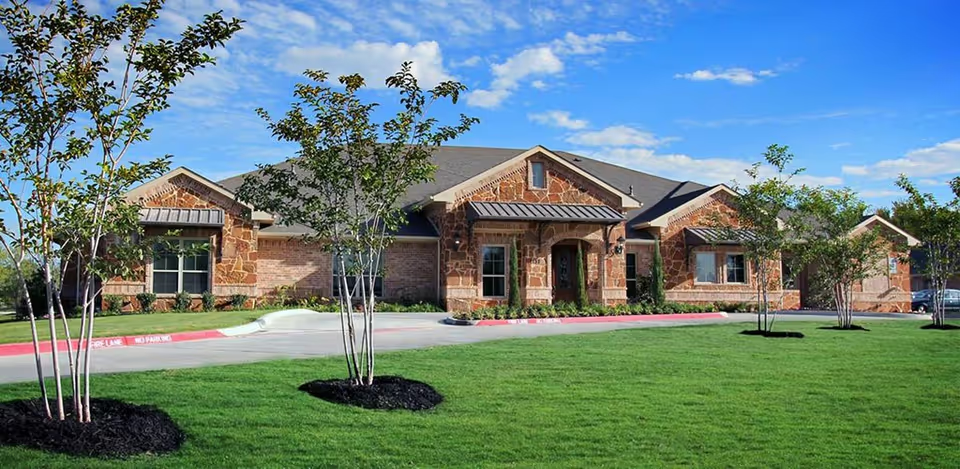
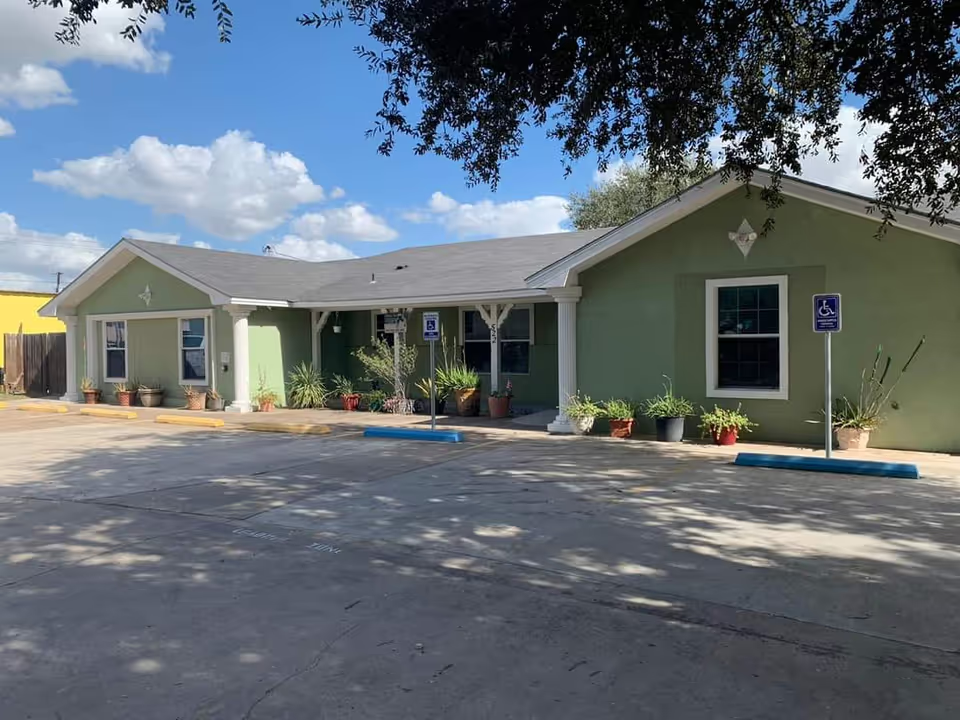
Activities and environment are generally strong. The building is described as clean, attractively decorated, and modern in layout with accessible features such as power-assisted doors, private rooms, and a dedicated activity space. Activity programming runs seven days a week and materials are often provided at no extra cost. The site is also pet-friendly, which some families valued for continuity and morale.
Operational and equipment issues emerge as the principal areas of concern. Several reviews cite outdated or poorly maintained equipment—older beds, wheelchairs that do not fit bathroom thresholds, and inadequate call-button functionality—that can impede safe transfers and daily care. Multiple accounts point to missing or not-yet-installed bedside safety rails and to accessibility mismatches between equipment dimensions and room design. In addition, there are recurrent comments about delayed responses to call bells and a perceived shortage of CNAs at times, producing longer waits for assistance with toileting and transfers.
Communication and administration receive mixed evaluations. Many reviewers commend specific administrative and social-work staff for smooth discharge planning and transparent family outreach, yet others describe difficulties with reservation coordination, delayed administrative responses, and periods when key contacts were unavailable. A small number of reviews raise serious clinical concerns about escalation or coordination of care in isolated incidents; these are not presented as systemic regulatory findings here, but they suggest that families should discuss escalation protocols and on-call clinical coverage during their tour.
Overall, Mission Valley offers notable clinical and rehabilitative strengths in a generally well-kept physical environment, with many caregivers singled out for excellent, compassionate work. At the same time, persistent themes around meal consistency and nutritional oversight, equipment maintenance and safety-rail availability, response times during staffing fluctuations, and occasional administrative communication gaps indicate areas to confirm in advance. Recommended steps for prospective residents and families include: reviewing current staffing ratios and on-shift coverage, inspecting room safety features and equipment condition, asking about dietitian consultation and nutrition-monitoring protocols, and clarifying administrative/reservation procedures and escalation pathways for clinical concerns.