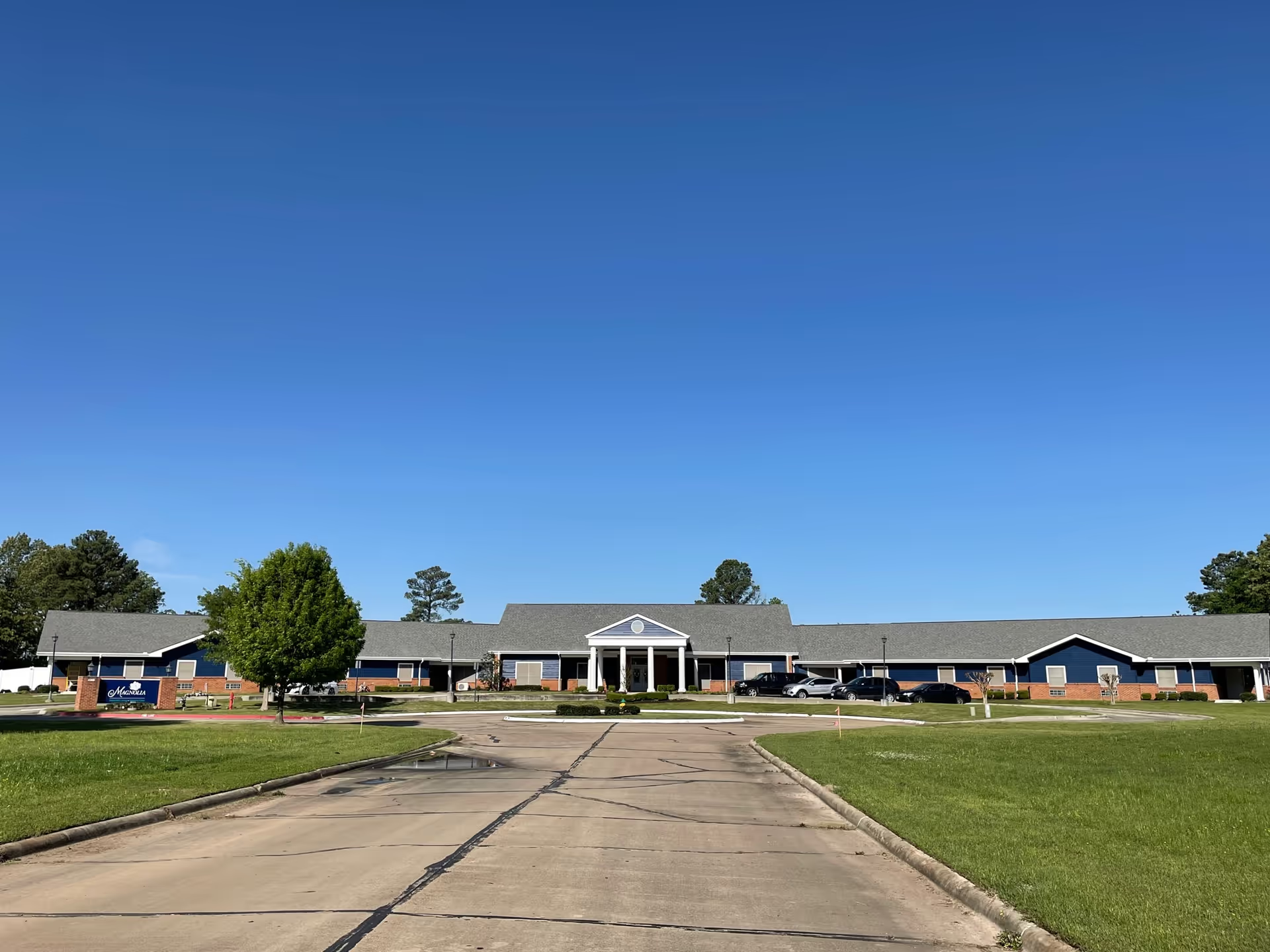
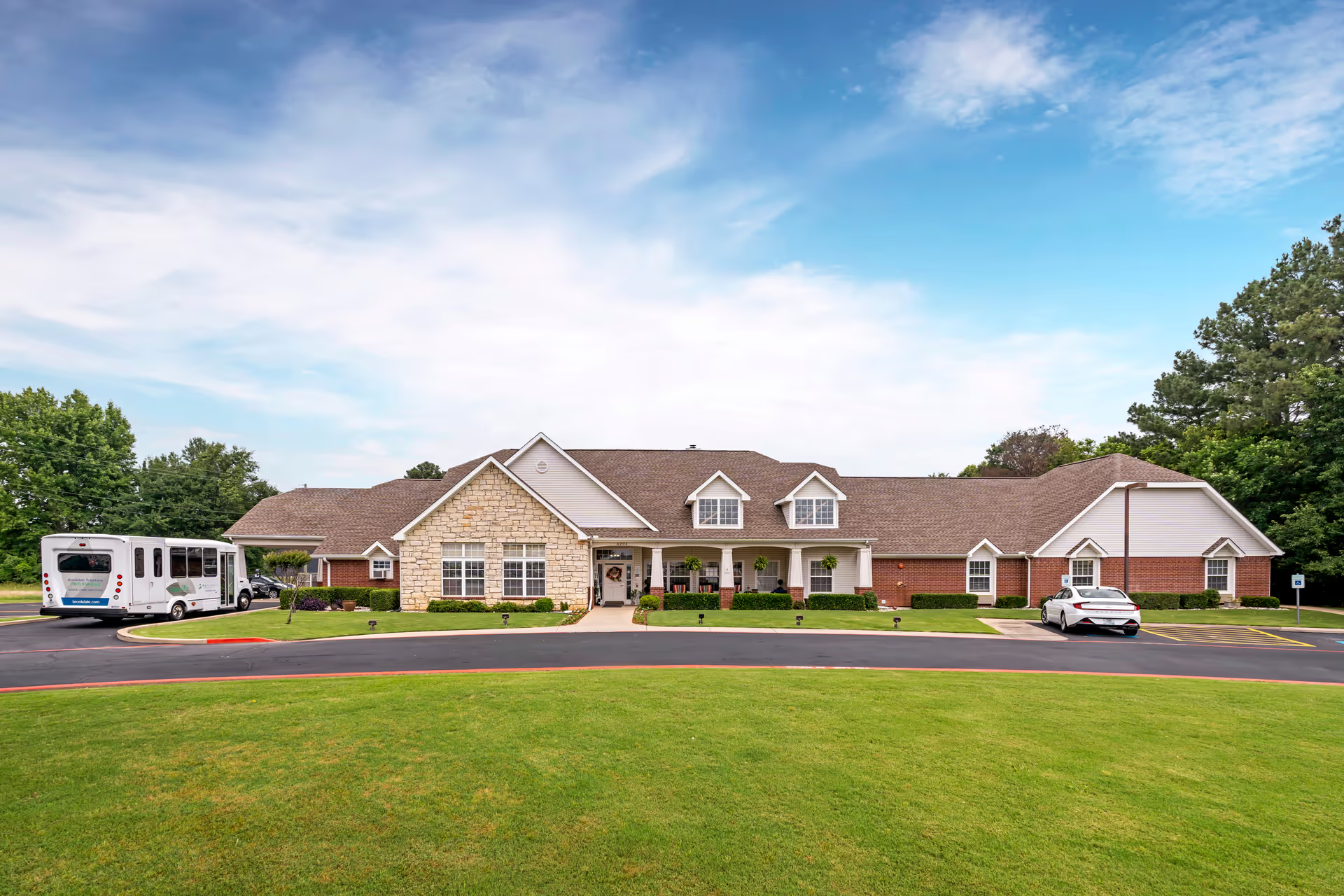
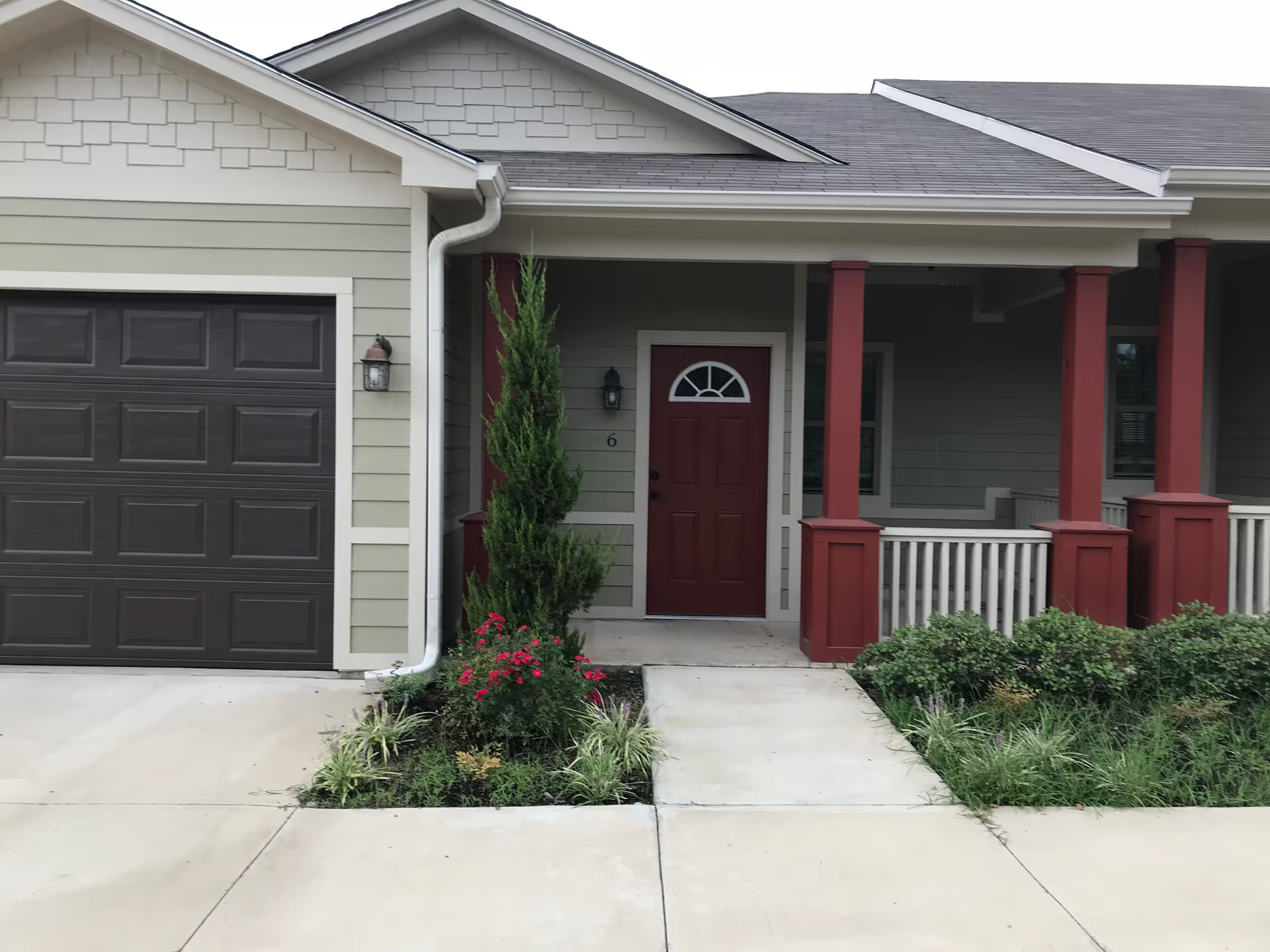
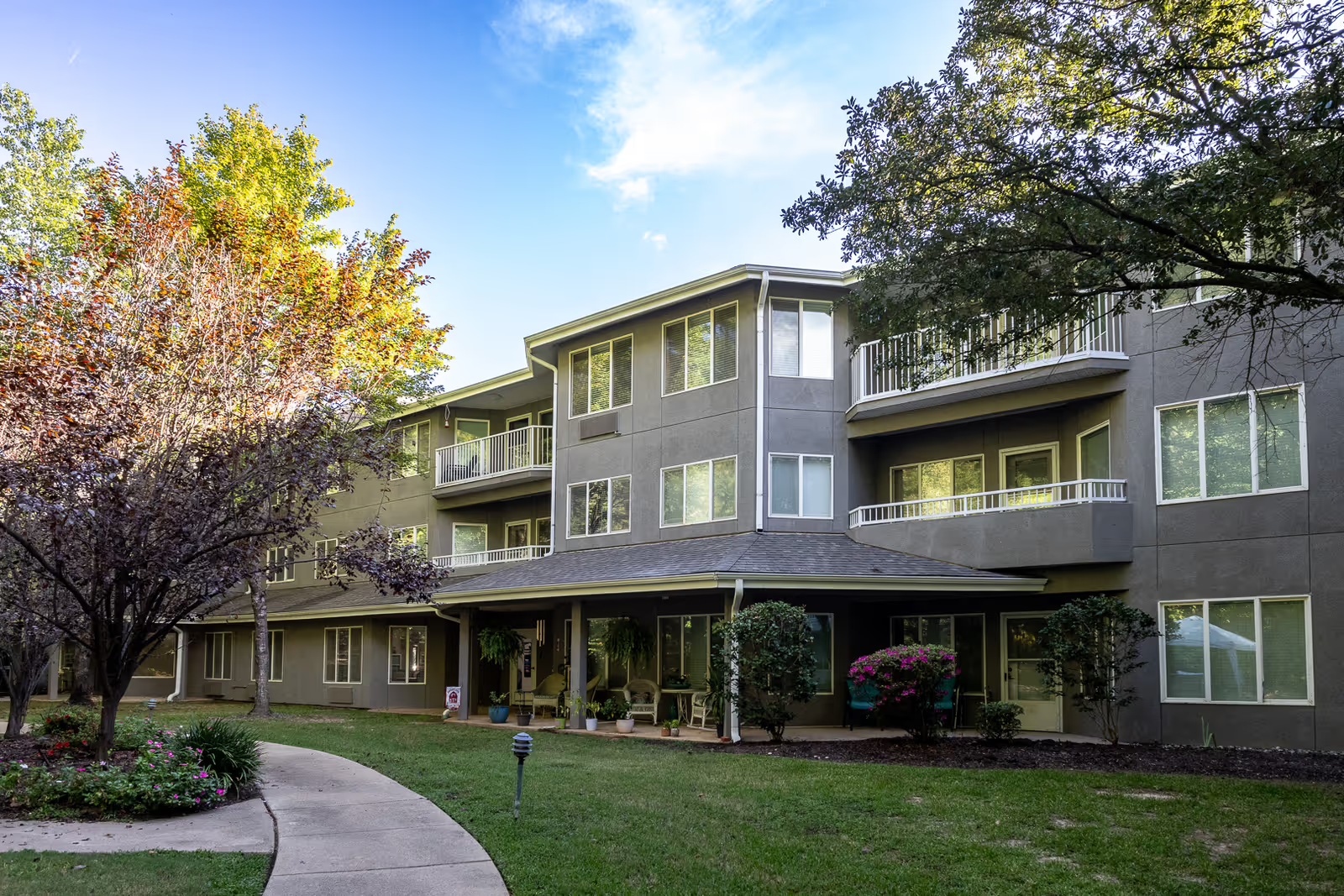
Overall impression: Reviewers describe a facility with tangible strengths in amenities, basic care, and programming alongside recurring operational and communication gaps. Care-related comments emphasize attentive, considerate staff and a generally clean environment; however, interpersonal conduct by some staff members and unclear messaging about visitation and infection-control rules have created friction for families and community members.
Care and staff: Multiple comments point to positive day-to-day care—staff are described as polite, kind, and considerate, and assistance with activities of daily living such as showering is available. At the same time, there are indications of inconsistent staff professionalism and communication tone; isolated negative interactions have affected family and donor confidence. The presence of supervisory staff in visible, helpful roles was also noted, suggesting some strength in leadership presence even as training or consistency in front-line interactions may need reinforcement.
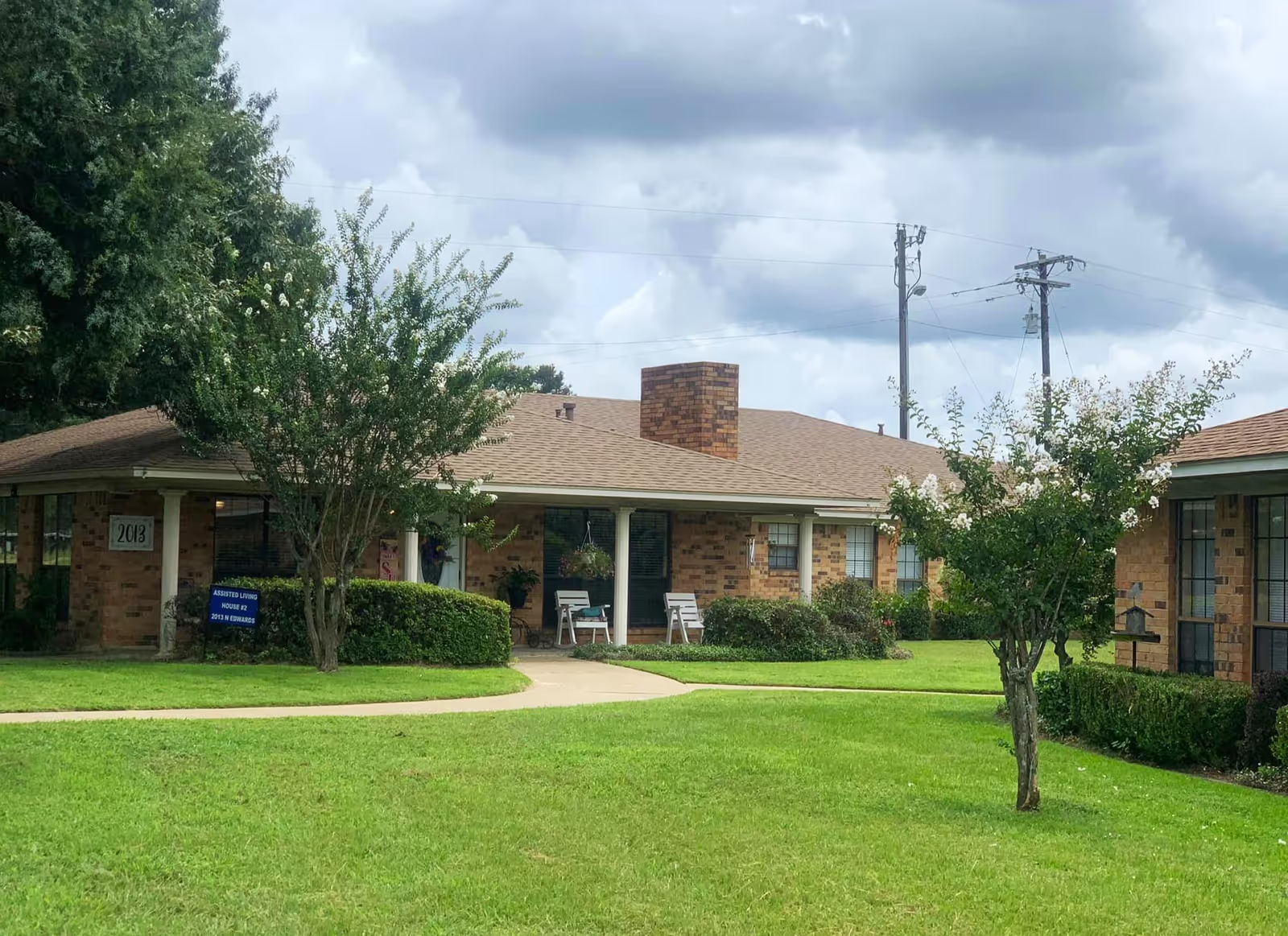
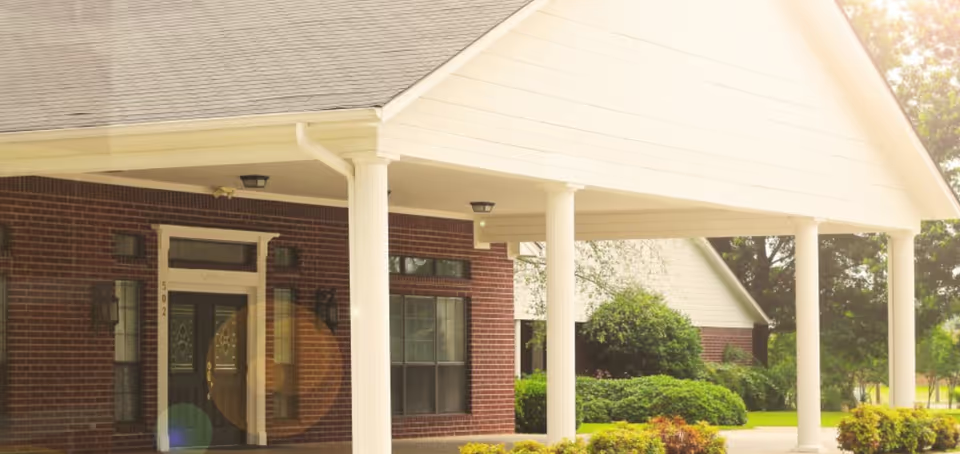
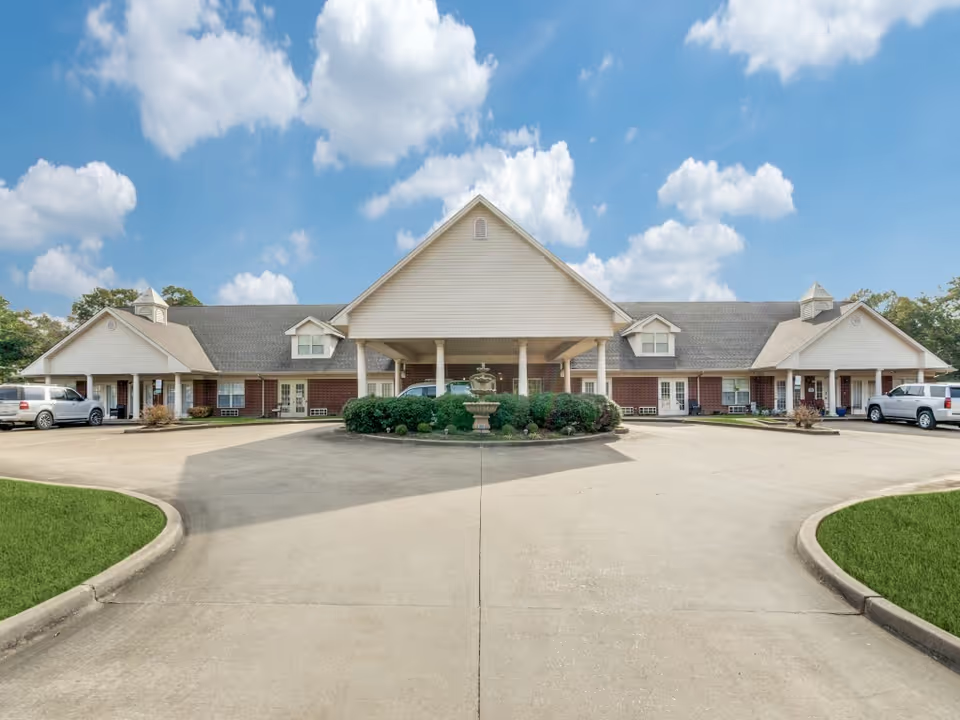
Facilities and amenities: The residential units and common areas receive favorable remarks. Private rooms include practical amenities (sink, refrigerator, microwave, cabinets) and accessible walk-in showers, supporting resident independence. Reviewers also described a clean, well-maintained interior. Community donations of wheelchairs, walkers, and bedside commodes enhance available mobility and assistive equipment.
Activities and dining/transportation: The facility offers an active program schedule that includes Bingo, movie nights with snacks, an activity room, and off-site restaurant outings. Van transportation to medical appointments is provided, and outings are an advertised feature; these elements support social engagement and access to external services. There is limited specific information about routine in-house meal quality in the reviews, but frequent mention of off-site restaurant trips suggests an emphasis on social dining opportunities.
Management and policies: A notable pattern involves unclear or inconsistently communicated visitation and infection-control policies. Reviewers referenced COVID-related restrictions and uncertainty about vaccination requirements and visiting procedures; this has created confusion for families seeking to plan visits. Additionally, at least one donor interaction that ended negatively points to gaps in donor and volunteer engagement protocols and the need for clearer expectations when outside parties bring equipment or make contributions.
Notable patterns and guidance for families: Strengths include private apartment-style rooms, active programming, transportation services, and generally attentive caregiving. Areas to probe during a tour or prior to move-in include the facility's visitor policy (including how it changes during infection-control events), specifics of vaccination and screening requirements, staff training and supervision practices related to interpersonal conduct, and processes for handling donations and volunteer engagement. Asking for a sample activity calendar, a list of available assistive equipment, and recent communication examples about visitation will help prospective residents and families assess fit and operational transparency.