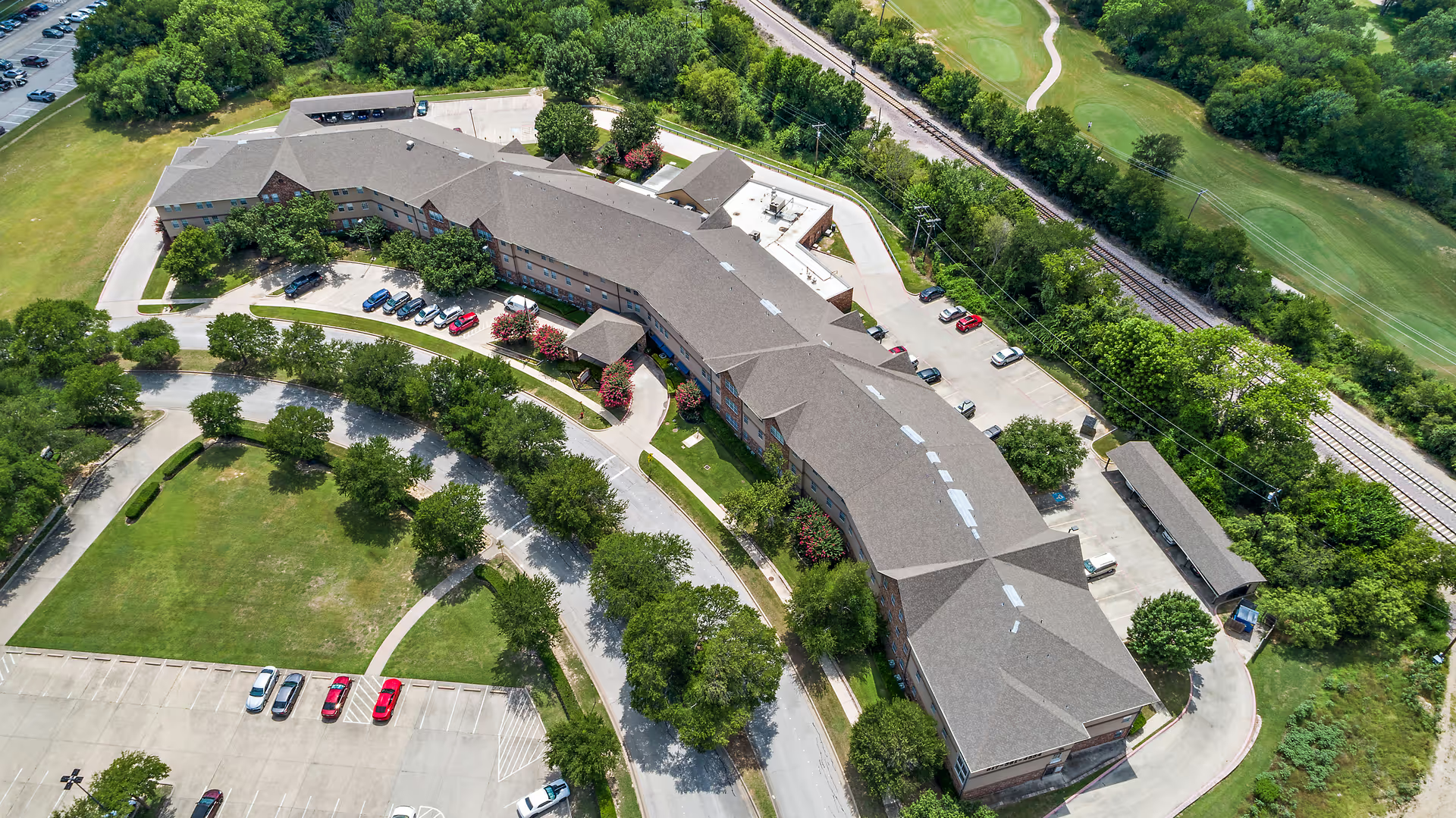
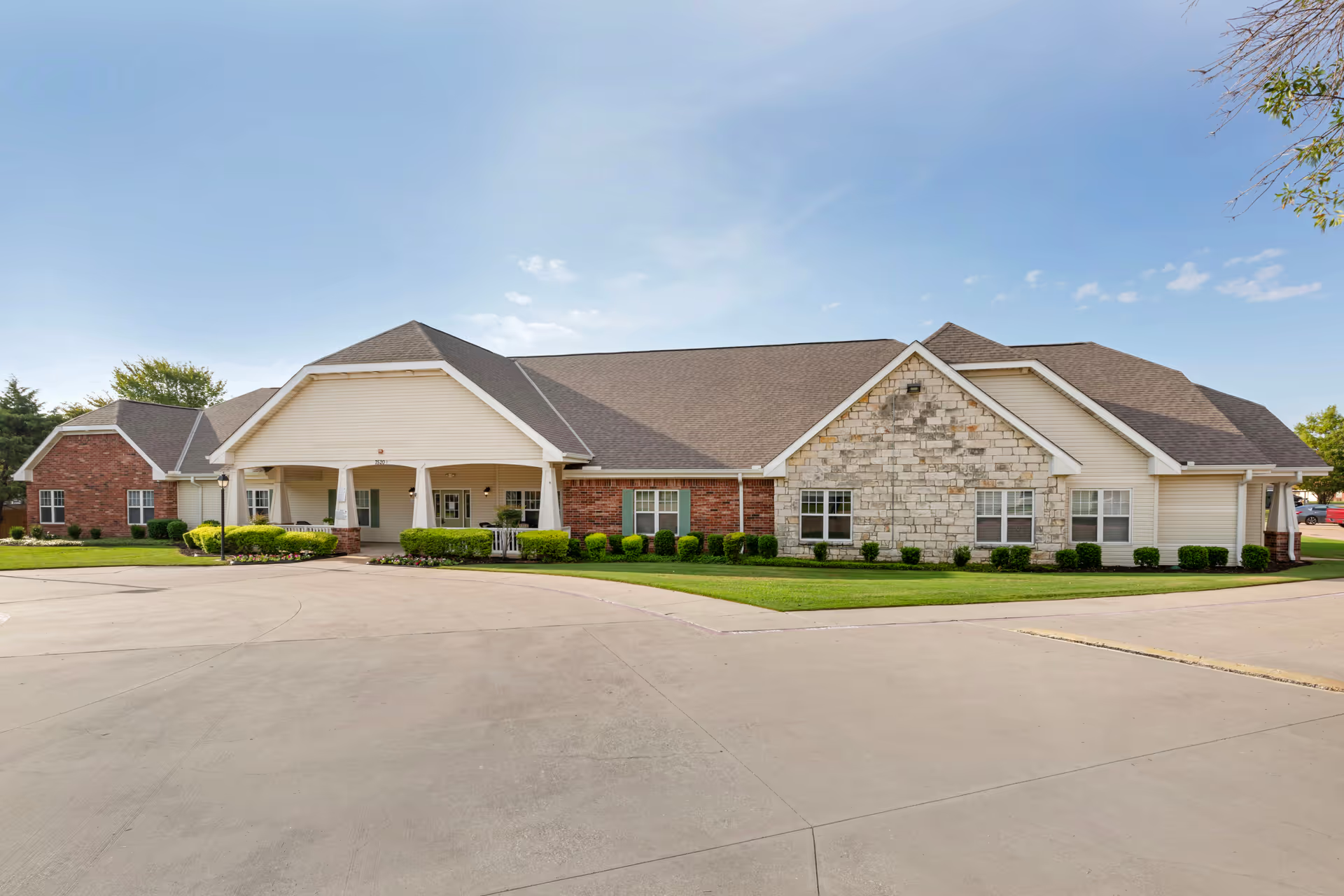
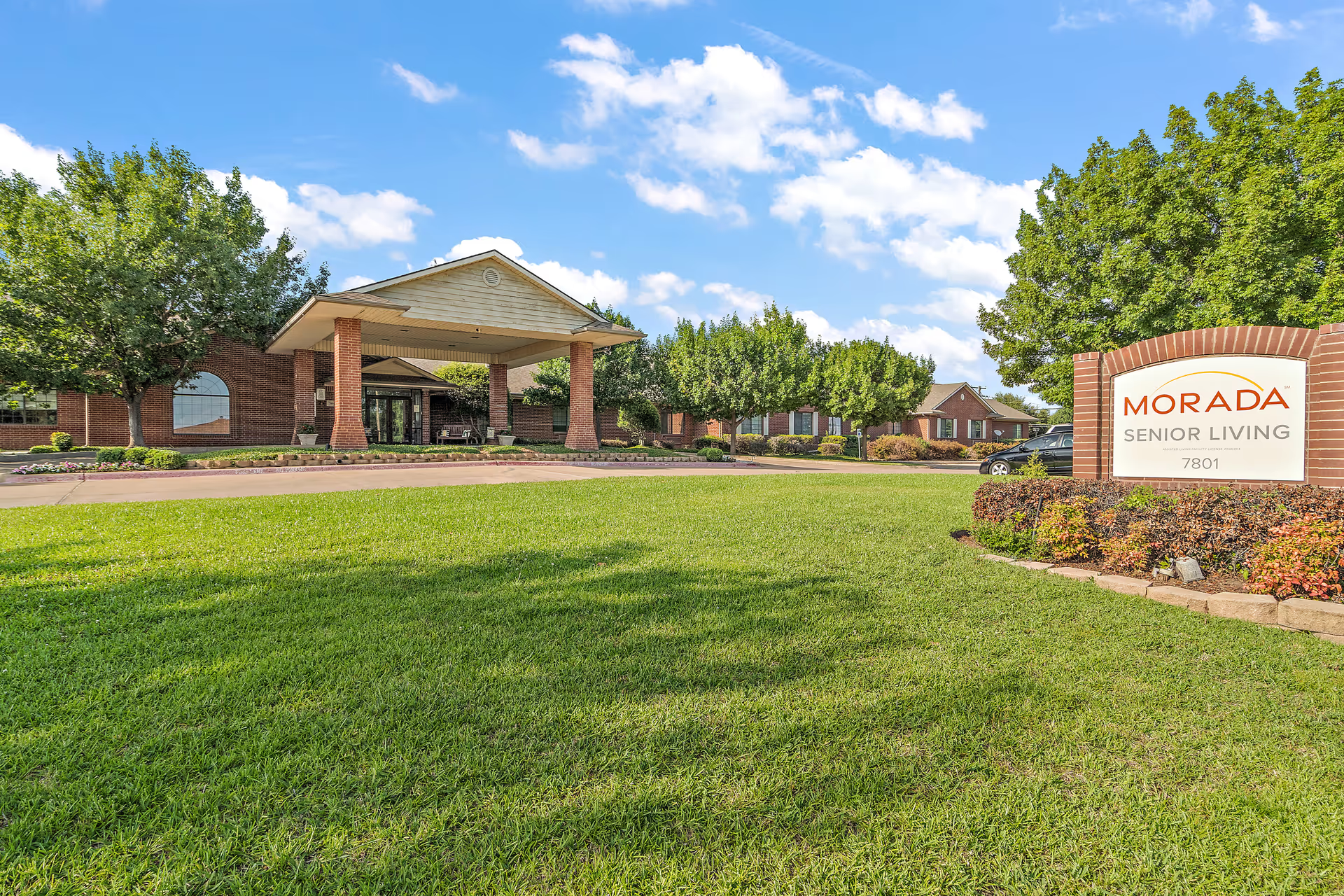
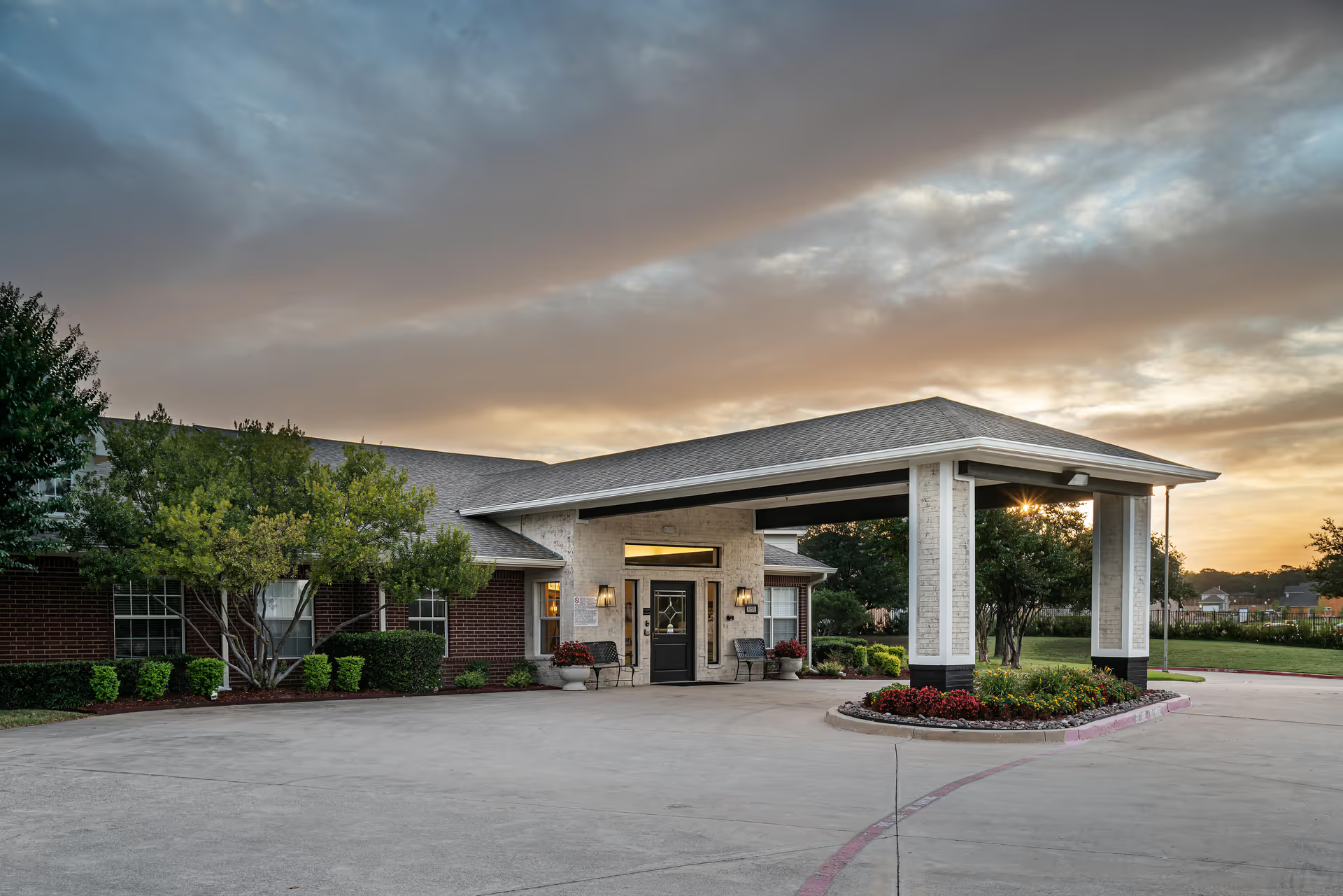
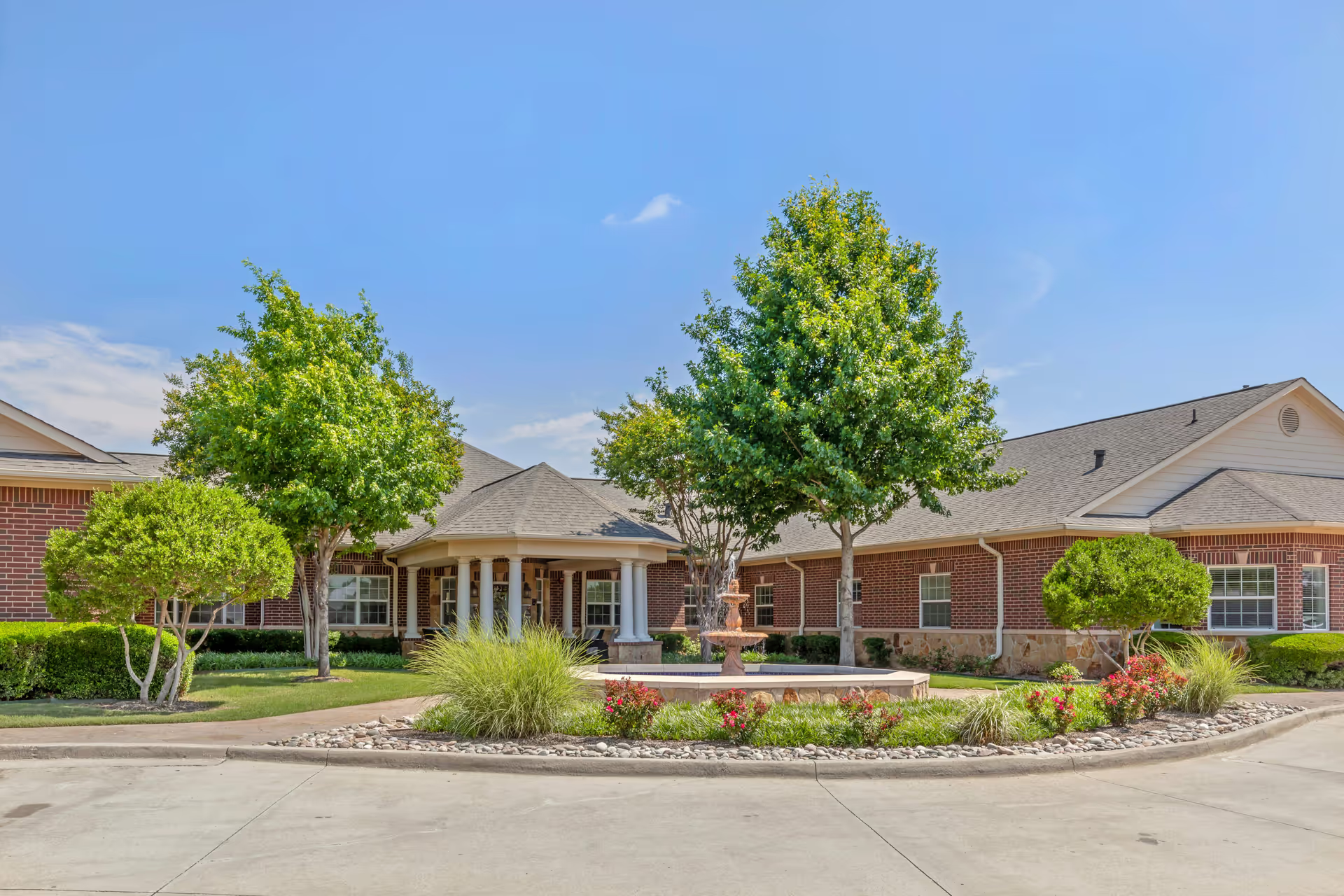
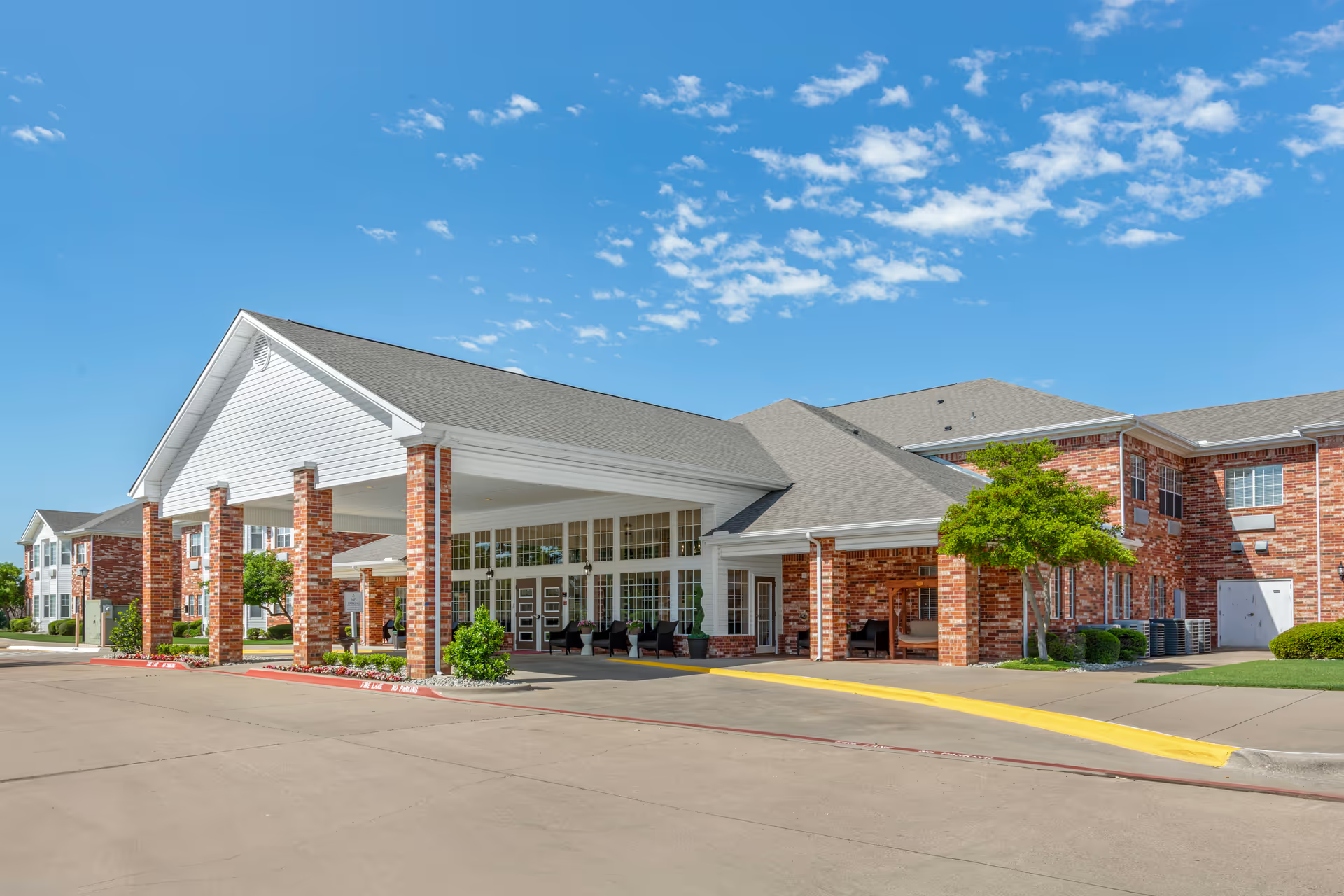
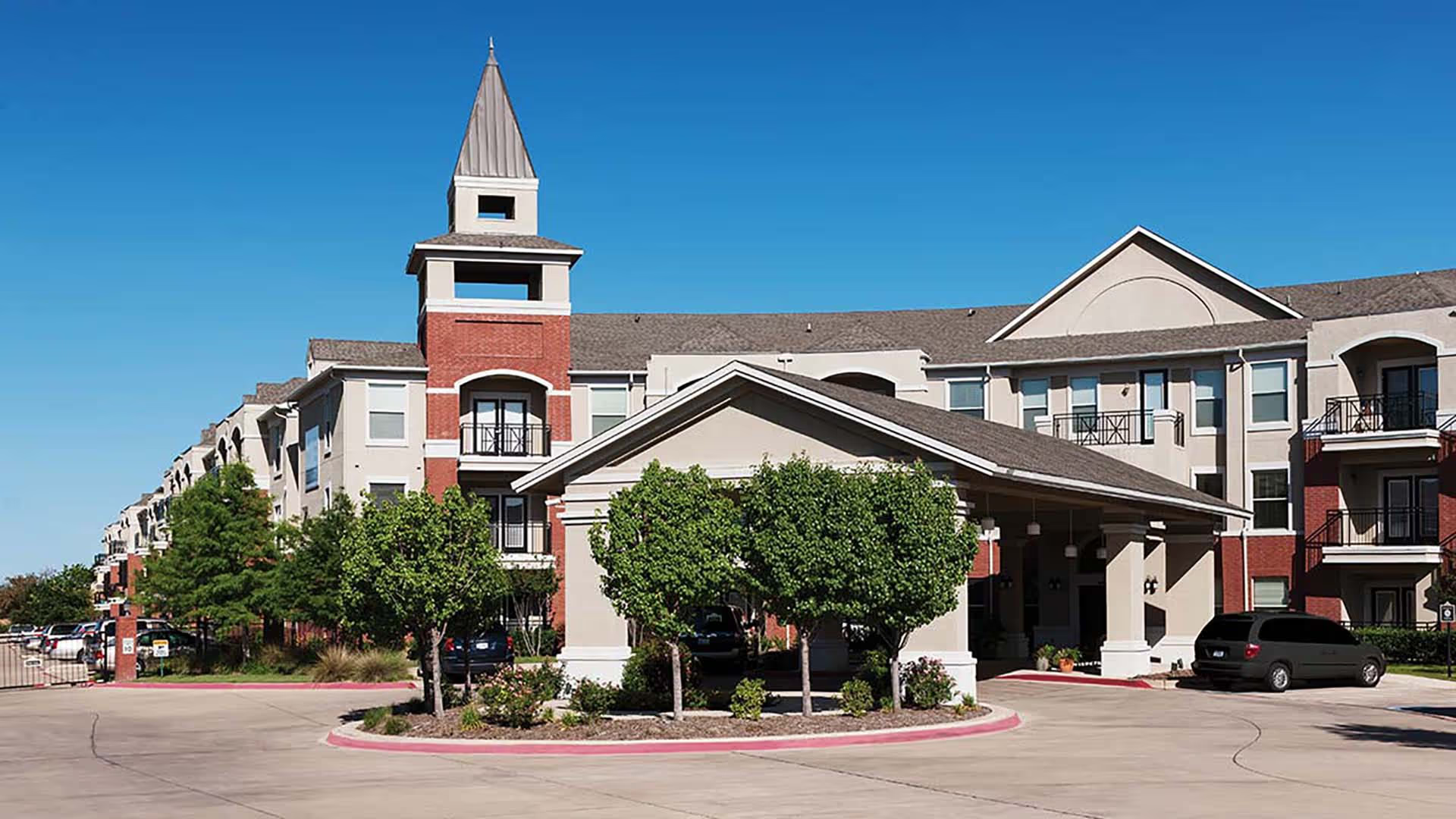
The Wellington at North Richland Hills presents as an amenity-rich independent living community that many residents and families find welcoming and active. Common strengths described across reviews include consistently warm, attentive direct-care and front-desk staff, a wide range of on-site services (beauty/barber shop, small store, library, exercise and activity spaces), regular housekeeping and linen service, and transportation/trip programming. Several reviewers emphasized the social benefits: residents make friends quickly, activities are varied and frequent (bingo, crafts, movies, outings), and the community atmosphere is described as home‑like and engaging.
Care quality and staffing show a mixed picture. Many reviews praise individual caregivers and long‑tenured employees who provide compassionate, responsive interactions and strong rapport with residents. At the same time, reviewers raised concerns about turnover—particularly among dining staff and in some leadership roles—which has implications for consistency of service. The community offers visiting clinical services (physical therapy, on-site nursing visits), but reviewers repeatedly noted that Wellington is primarily structured for independent living and has limited capacity for higher-level ADL or dementia care; families seeking assisted care should confirm clinical capabilities before committing.
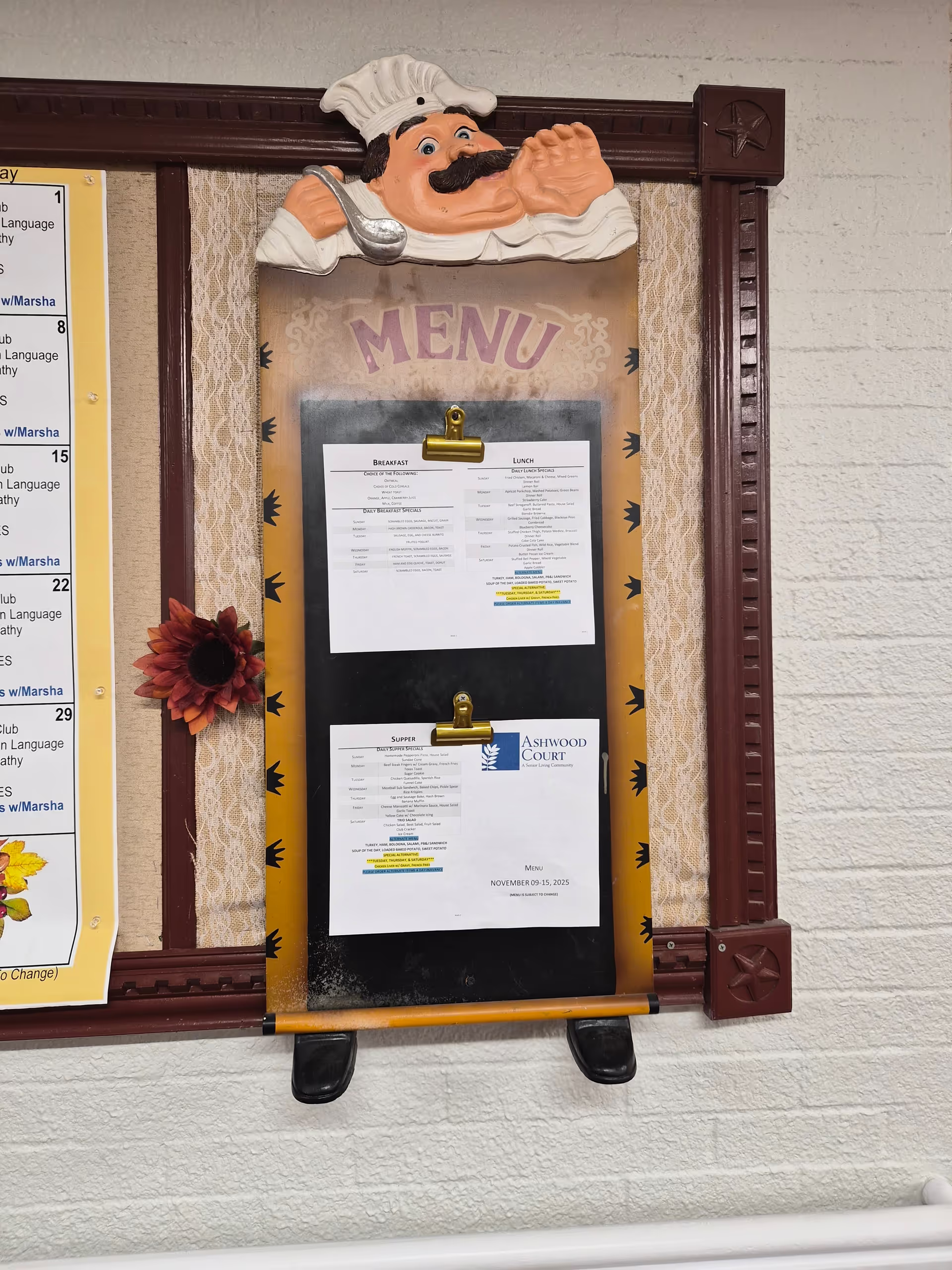
Dining is a prominent and polarizing theme. Multiple accounts describe restaurant-style dining and enjoyable meals, while a comparable number point to inconsistent food quality, menu execution problems, supply shortages, and frequent chef turnover. Nutritional variety and freshness (fresh fruits/vegetables, protein availability) were raised as concerns by some residents and families. Operationally, reviewers described instances of menu items running out, inconsistent portioning, and days when meal preparation or dish service fell short of expectations, suggesting gaps in kitchen staffing or supply coordination.
Activities and social programming are clear strengths: a dedicated activities director, regular outings, intergenerational or special events, and robust on-site options keep many residents engaged. Housekeeping, common-area maintenance, and recent renovations receive frequent praise; completed remodels and tasteful common spaces were cited as improving quality of life. At the apartment level, reviewers repeatedly noted wheelchair‑accessible layouts, walk‑in closets, kitchenettes in some units, private porches, and a variety of floor plans.
Facility-operations concerns recur in several areas. Maintenance responsiveness can be uneven—reportedly causing extended equipment reliability issues (notably elevator outages where redundancy is limited), delayed completion of resident work orders, and occasional unresolved exterior maintenance items. Cleanliness and sanitation are often described positively, but some reviews highlight gaps and odor concerns in particular areas, as well as isolated pest‑control issues. Infrastructure and service delivery weaknesses include unreliable internet/Wi‑Fi provision (with vendor coordination reportedly resisted by management in some cases), renovation-related noise and dust during upgrades, and parking/security limitations.
Management, billing, and policy communication show variability in reviewer experience. Admissions and tour staff are frequently praised for being informative and welcoming, but other interactions with leadership draw criticism for inconsistent tone, delayed responsiveness, and disputes over billing, refunds, or occupancy enforcement—some families reported contentious eviction or refund situations. Several reviewers also flagged rising rents and unexpected charges relative to initial “all‑inclusive” expectations. Prospective residents should carefully review contract language, rent escalation clauses, and refund policies.
Overall, Wellington is generally recommended as a fit for independent seniors who prioritize an active social schedule, on-site amenities, and a community environment with attentive frontline staff. Families should weigh these strengths against patterns of operational inconsistency—particularly around dining, maintenance/equipment reliability, internet service, and management communication. Recommended steps for prospective residents: schedule an extended visit during active programming, review the service contract and meal provisions in writing, confirm elevator redundancy and maintenance response expectations, and verify internet/service commitments before signing.