Reviews of Port Lavaca Nursing and Rehabilitation Center present a marked split between strong praise for individual caregivers and recurrent operational concerns. On the positive side, many families and patients describe compassionate, attentive nursing and CNA care, with several staff members and therapists singled out for exceptional, above-and-beyond service. The therapy department (physical and occupational therapy) receives consistent recognition for measurable rehab progress. Multiple reviewers also highlight an engaged activities program, meaningful special events and holiday meals, and a welcoming, family-like atmosphere that residents and families appreciated.
Clinical and direct-care performance shows variability. While many reviewers commend the bedside manner and rehabilitative outcomes, others raise concerns about delays in attending to basic-care needs such as bathing and timely provision of fluids or assistance. Several comments reference sanitation concerns in common areas and linen handling, and some families explicitly raised infection-control worry including potential C. difficile risk. These indicate inconsistent application of environmental cleaning and incontinence-care procedures rather than an absence of effort by staff.
Dining and programming draw mixed assessments. The facility runs active activity schedules, live music, and special meals that are frequently appreciated; dietary leadership and individual dietary staff received praise for organization and attitude. At the same time, there are comments about inconsistent meal quality, cold or poorly timed service, and event noise levels that interfered with family visits. Prospective residents should consider observing a meal service to assess temperature and noise control.
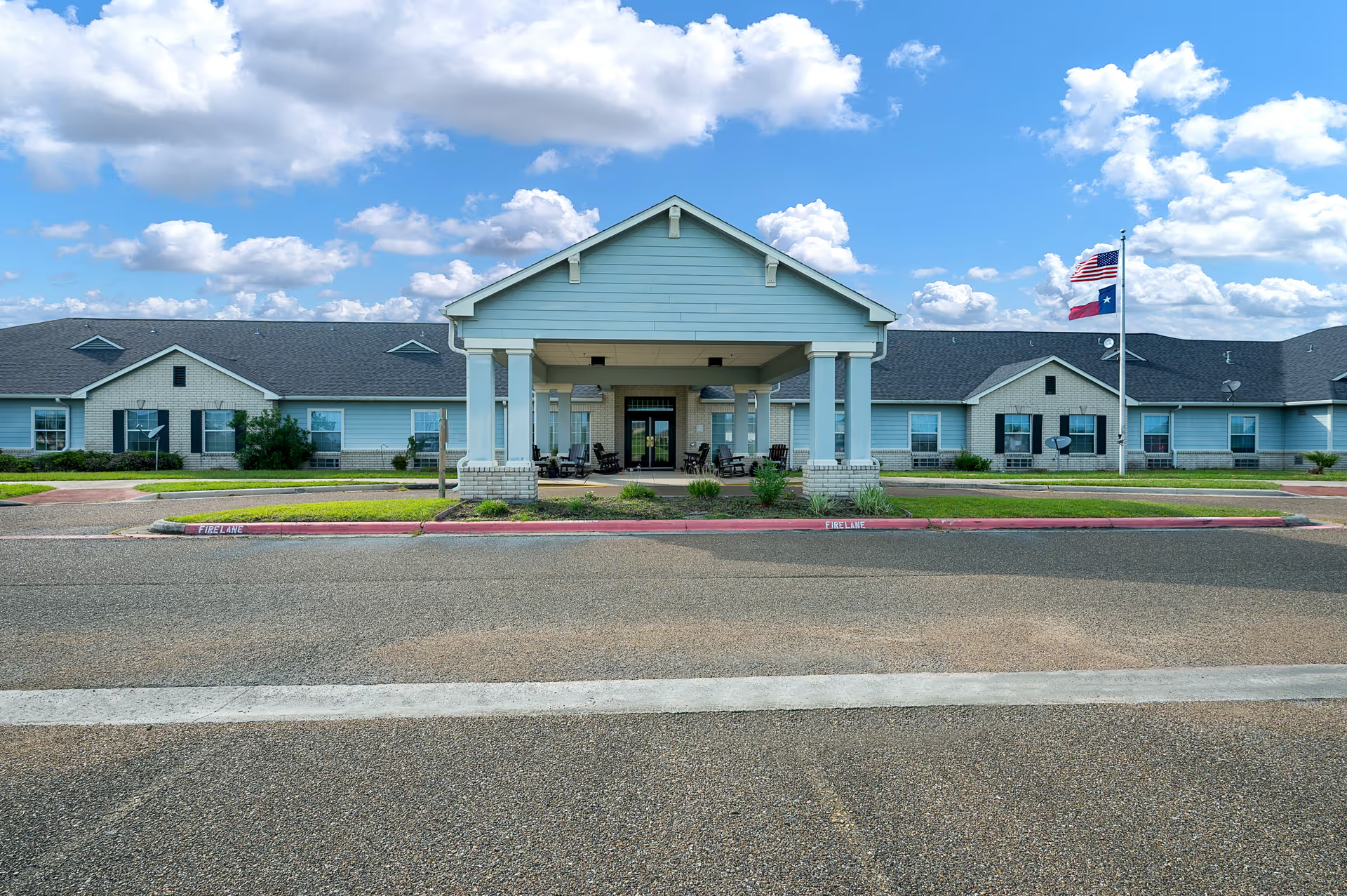
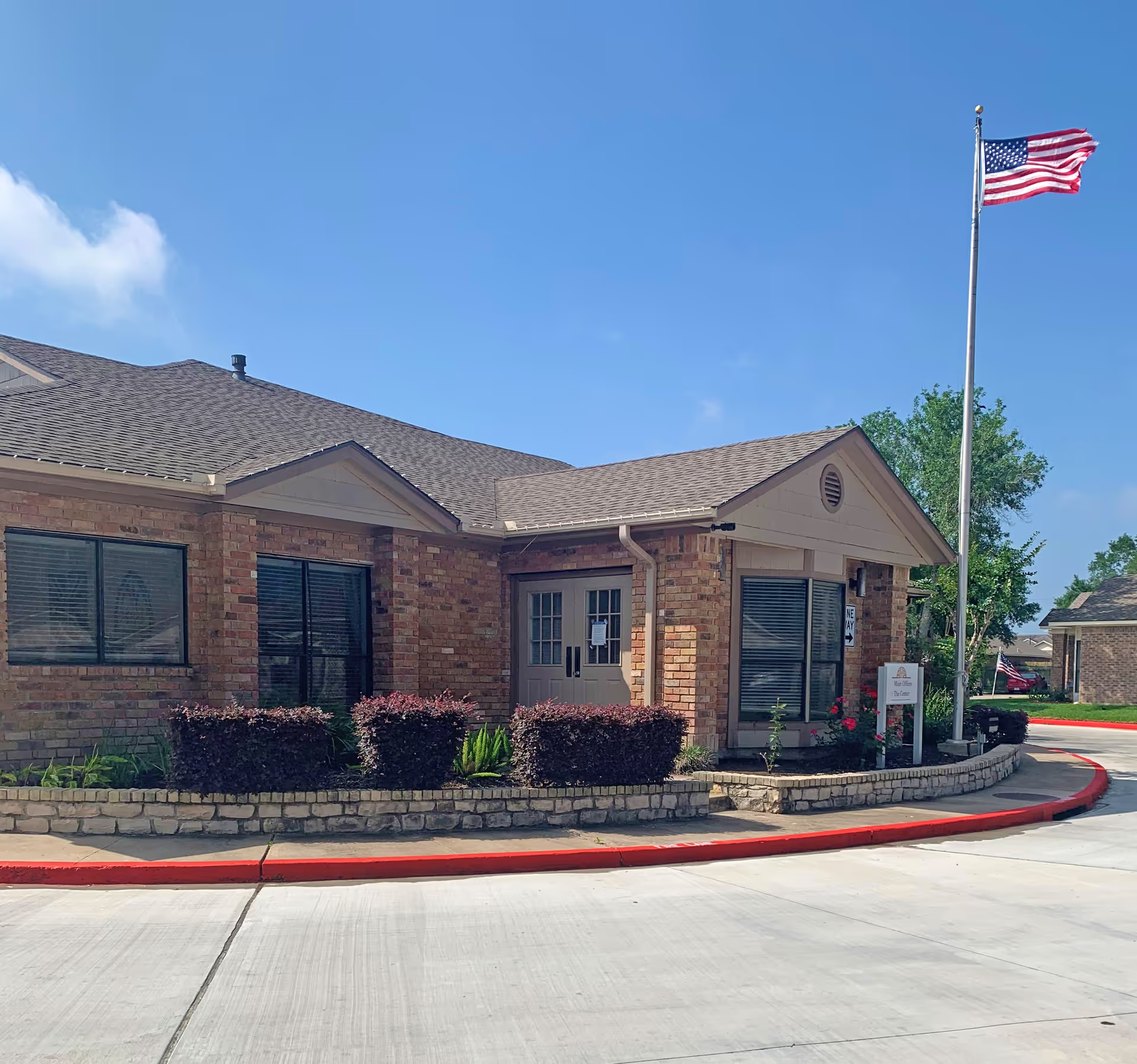
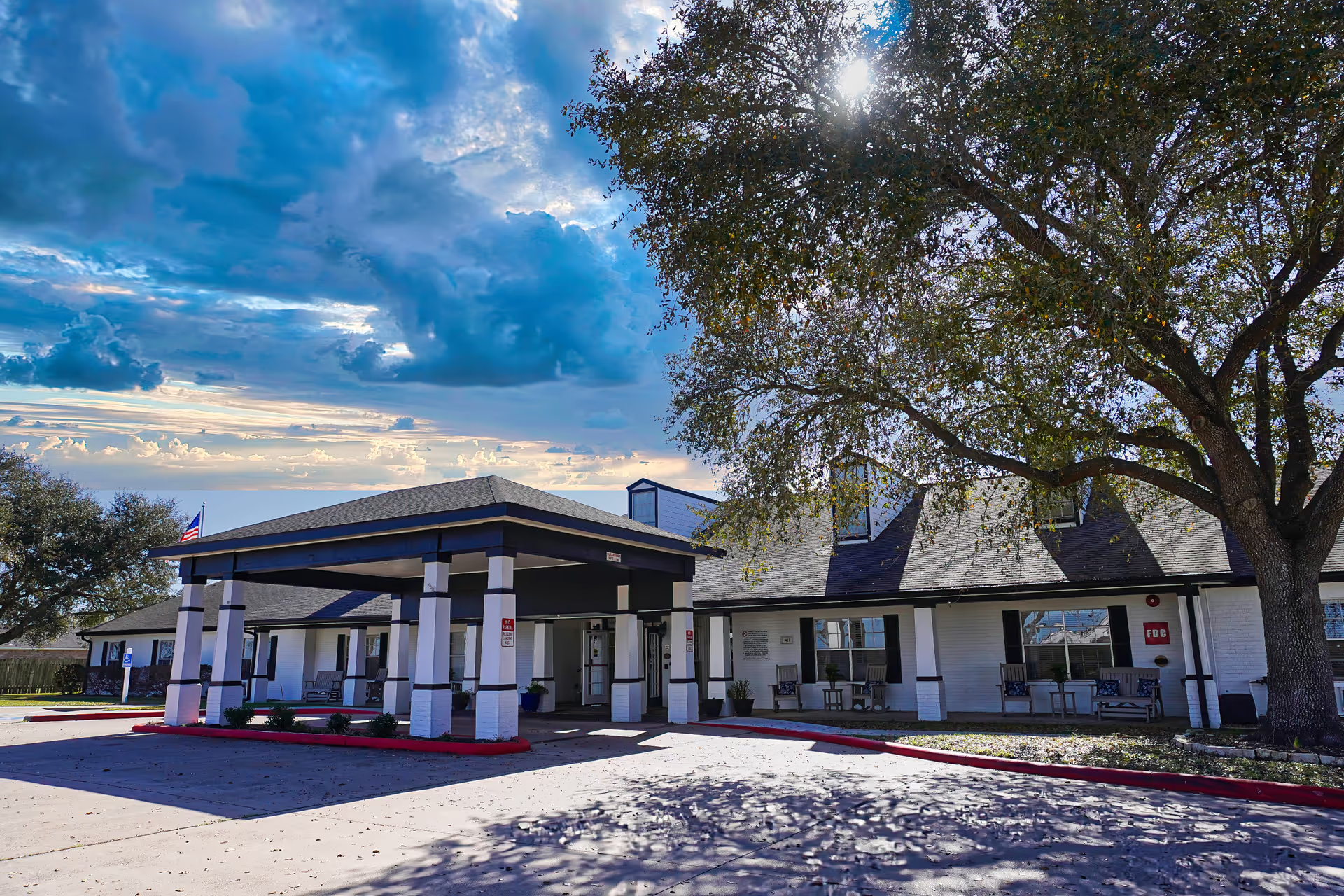
Facility condition and operations are similarly mixed. Some reviews note clean, comfortable rooms and pleasant décor; others describe maintenance and sanitation shortcomings in shared spaces and shower/bathing areas. There are operational concerns around communication and responsiveness: families reported variable front-desk availability, unanswered calls, and uneven follow-through from administration. In addition, there are claims of missing resident belongings and at least one missed external pickup (dialysis), which suggest gaps in inventory controls and transportation coordination.
Taken together, the pattern is one of strong, committed individual caregivers and therapeutic staff operating within a facility that has inconsistent operational controls. Strengths include individualized care, therapy-led functional improvements, and an active events program; weaknesses center on sanitation and infection-control consistency, responsiveness to basic-care needs, communication systems, and certain logistical processes. For families considering this facility, an in-person visit that includes inspection of common-area cleanliness, discussion of infection-control protocols, clarification of item-inventory and transport procedures, and meetings with therapy and nursing leadership would help assess how current operational practices align with the resident's needs.