Overall impression: Reviews convey a generally positive impression of day-to-day care and the physical environment at Refugio Nursing & Rehab Center. Commenters consistently note a clean, well-maintained building, a pleasant facility atmosphere, and a clinical staff characterized as knowledgeable, well trained, and attentive. The facility is described as suitable for both short-term rehabilitation and longer-term residency, and dining receives specific praise for quality.
Care and staff: Clinical and caregiving teams receive strong positive mentions for being caring and responsive. Staff training and knowledgeability are highlighted, and several comments singled out individual front-line employees positively. These observations point to a consistent strength in hands-on resident care, communication at the unit level, and staff–resident interactions.
Dining and activities: Dining is a perceived strength, with multiple references to excellent food. There is little detailed commentary about activity programming in the provided summaries; prospective families should request current activity schedules and examples when evaluating the facility further.
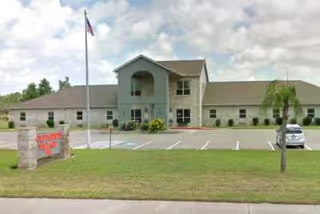
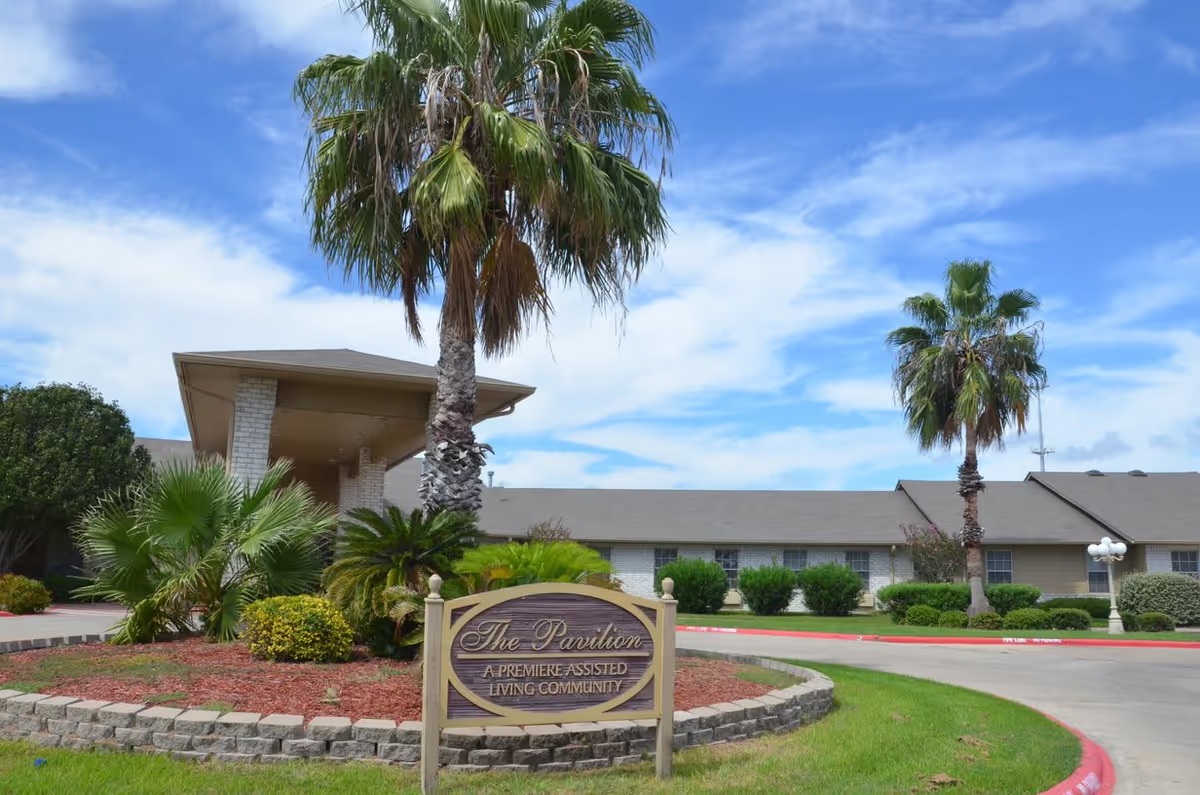
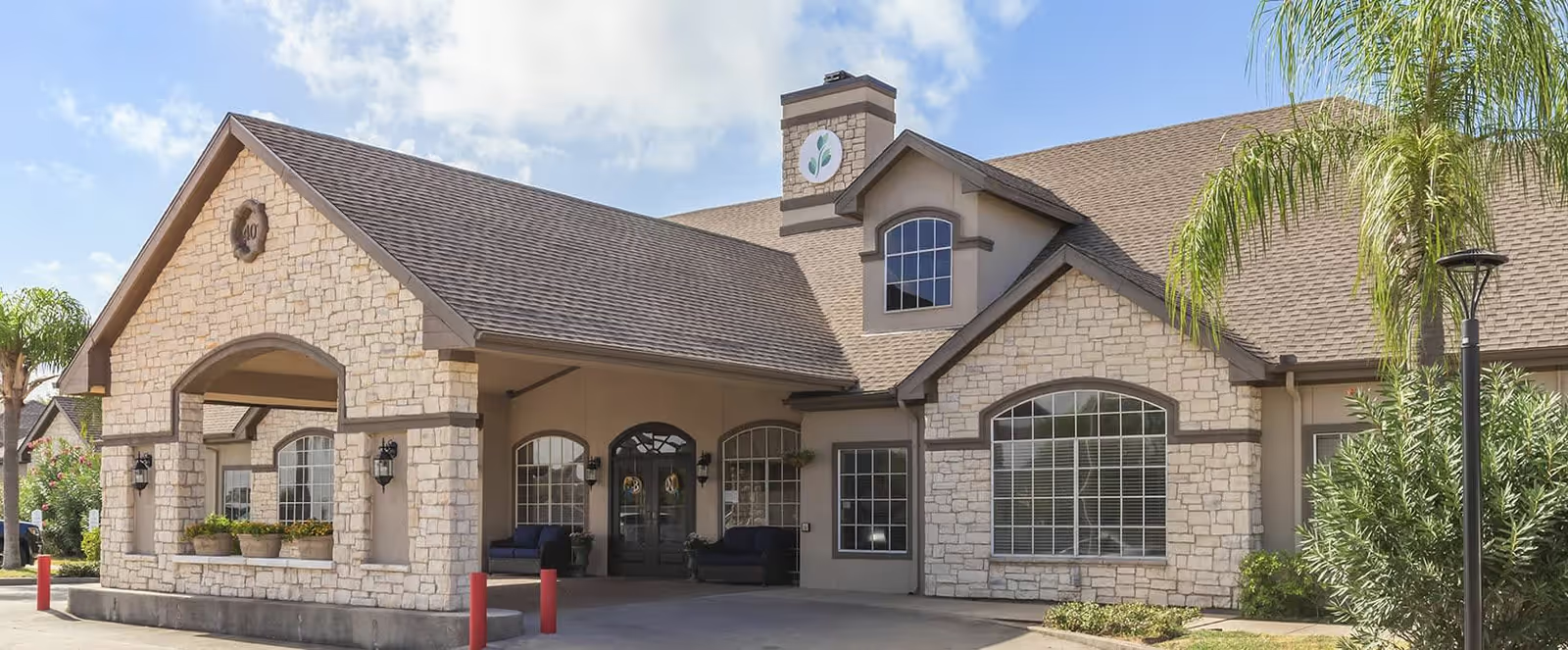
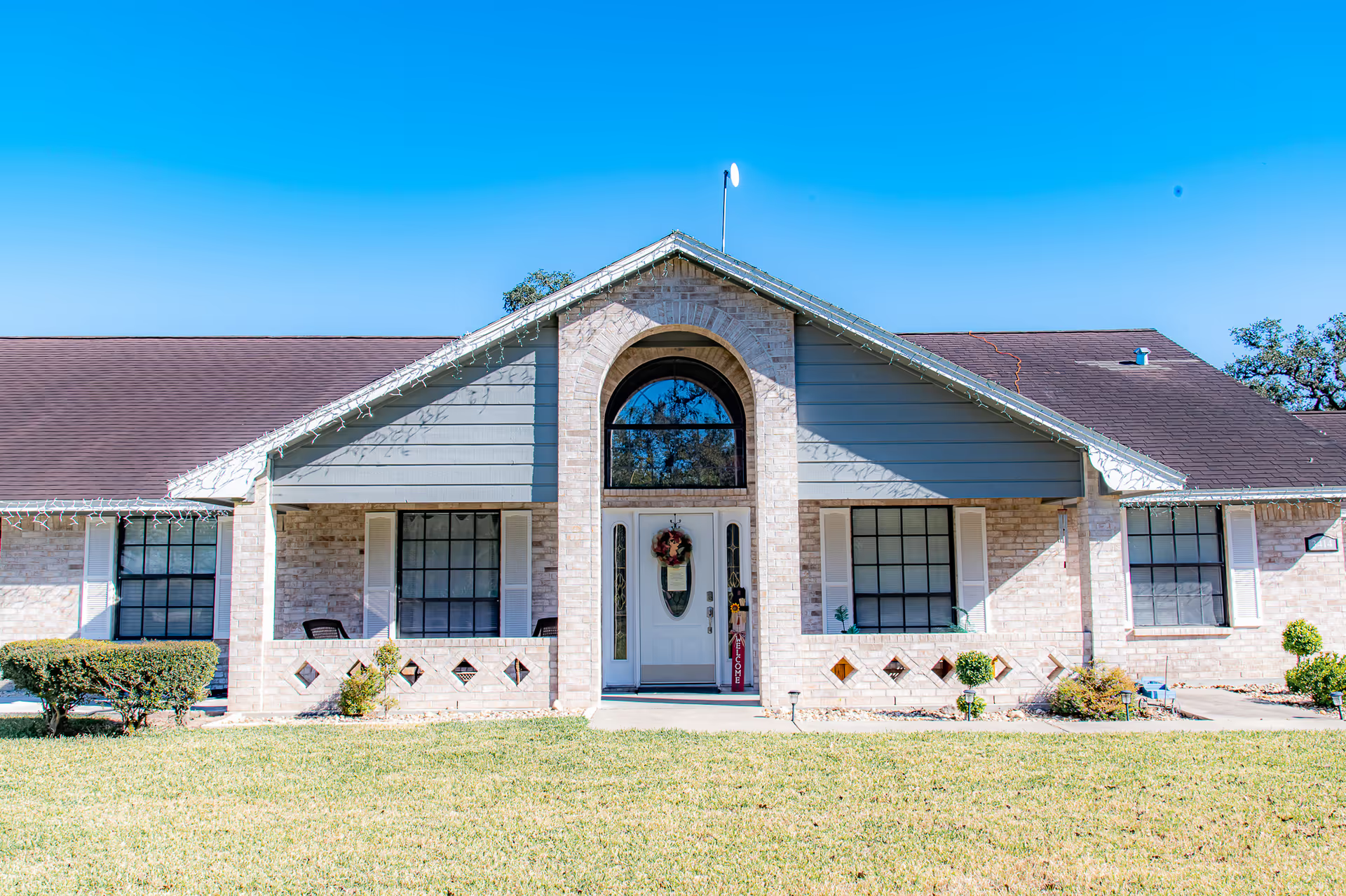
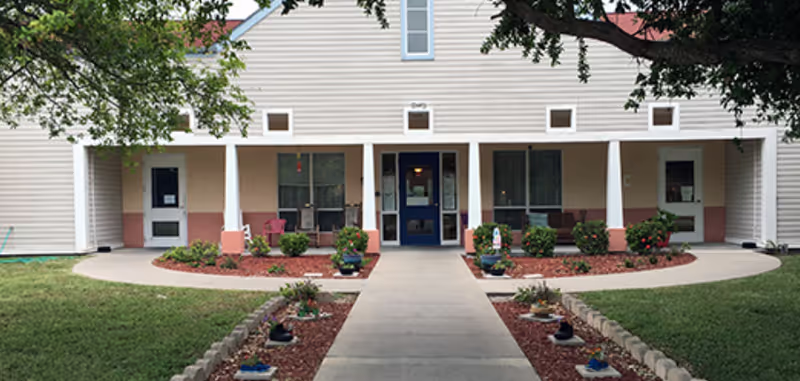
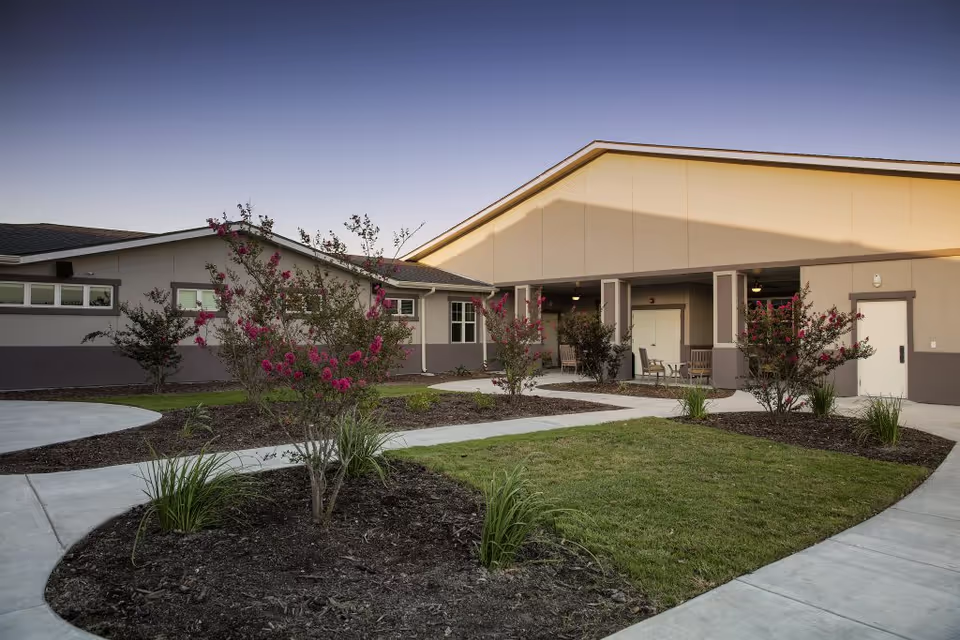
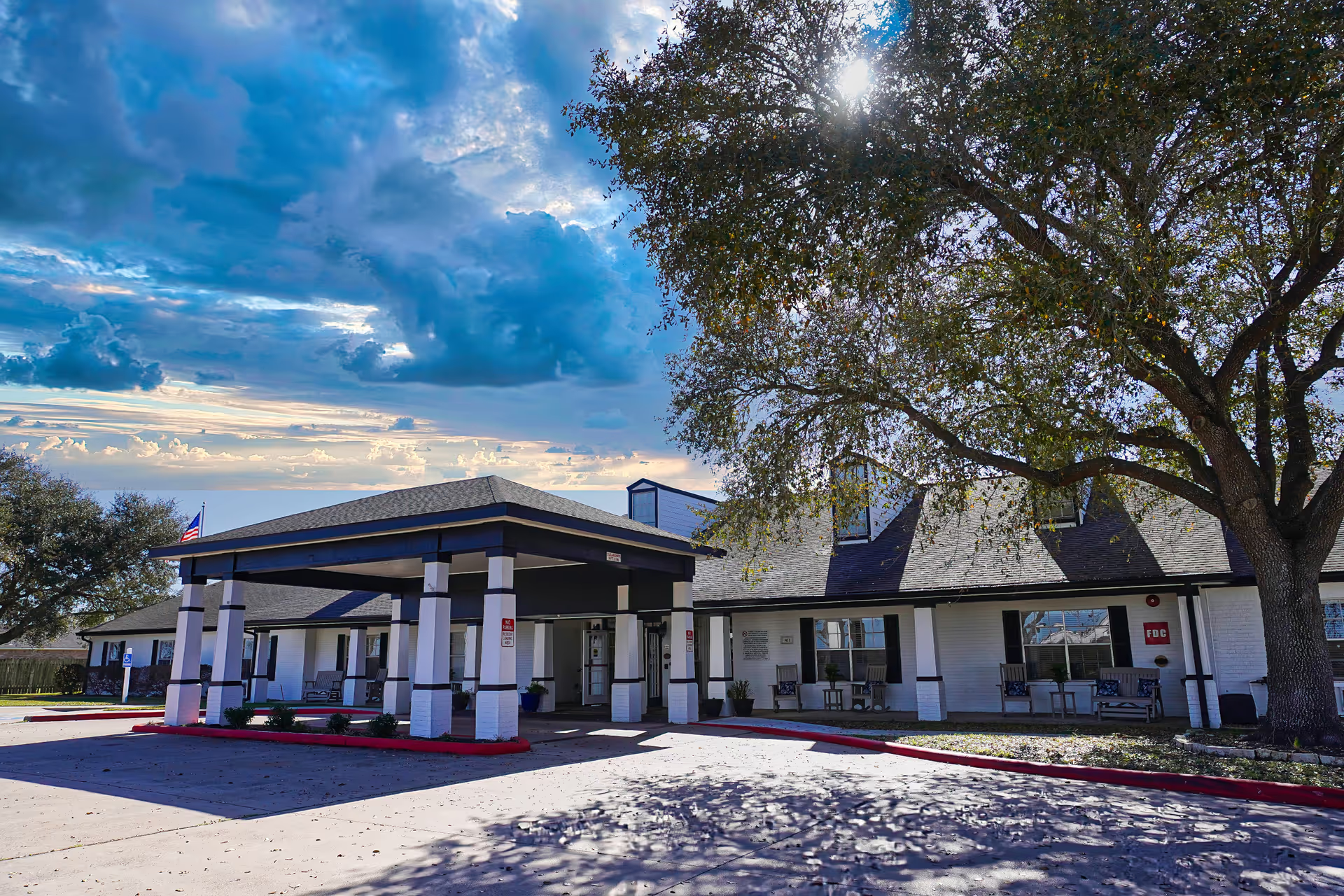
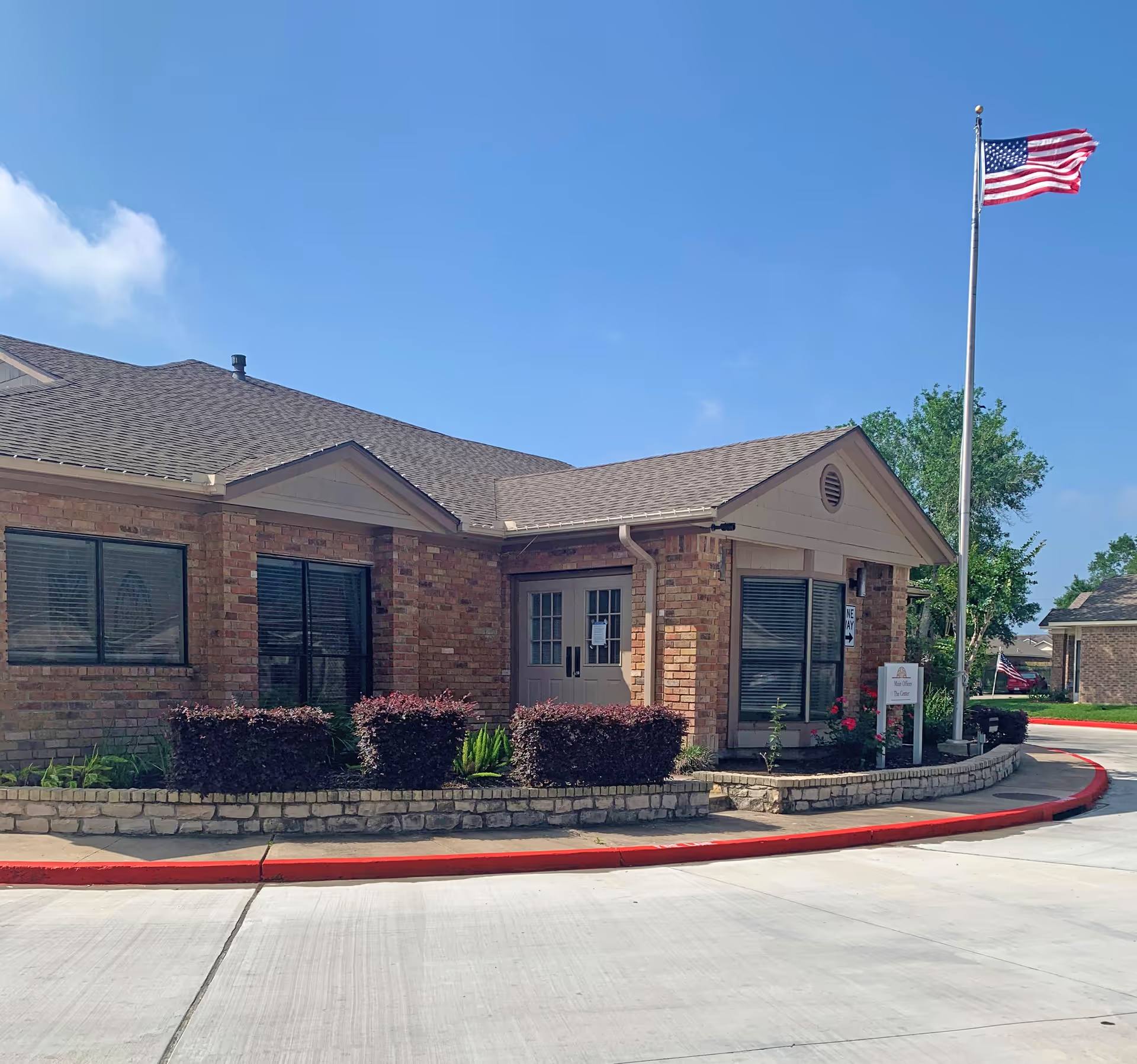
Facilities and cleanliness: The physical plant is described as neat and clean, suggesting adequate housekeeping and maintenance practices. The environment appears conducive to recovery and long-term living based on the remarks provided.
Management, billing, and coordination: A clear pattern of financial and service-coordination concerns emerges. Reviewers noted high medical bills and multiple examples of providers (physicians, labs) and medications being out of the residents' insurance networks. These items indicate limited in-network partnerships and potential gaps in pharmacy and external-provider coordination. Prospective residents should verify insurer participation, ask for detailed cost estimates, and request written explanations of which services will be billed as out-of-network.
Safety and transitions: While direct care is described positively, there are operational concerns related to transitions and supervision. One assessment notes a difficult relocation experience, which suggests the facility may need stronger admission and transfer support processes to reduce stress during moves. An attempted elopement was mentioned; this indicates the need to review the facility's elopement-prevention policies, supervision levels, and individualized safety plans before placement.
Actionable considerations: Families and prospective residents may benefit from (1) requesting a written breakdown of typical charges and insurer arrangements, (2) asking for examples of hospital-to-facility transition protocols and emotional-support services during admission, (3) reviewing current elopement-prevention and supervision practices, and (4) touring dining and activity offerings. The available feedback points to strong everyday care and a well-kept facility but recommends careful financial and safety due diligence prior to placement.