Overall impression: Reviews convey a facility with notable strengths in staff compassion, cleanliness, and infection‑control procedures, balanced by isolated but meaningful operational weaknesses. Many comments emphasize respectful, dignified interactions, an orderly environment, and administrative ease during admission; however, there are also accounts that point to variability in day‑to‑day service delivery that prospective families should evaluate.
Care and staffing: The facility is frequently described as having caring, attentive nursing staff and aides who treat residents with dignity and respect. Reviewers commonly note a family‑like culture among employees and residents and describe staff who ease transitions and provide peace of mind. Counterbalancing this, there are indications of inconsistent responsiveness and occasional concerns about staff conduct or professionalism. Specific operational implications include variability in how promptly personal‑care needs (for example toileting and other ADLs) are handled and uneven customer‑service interactions by some team members. Prospective families should ask about staffing ratios, shift continuity, and protocols for responding to personal‑care requests.
Dining and activities: Feedback on meals is mixed. Several reviewers praised the food and the dining experience, while at least one account expressed strong dissatisfaction with meal quality. This pattern suggests variable meal preparation or menu satisfaction rather than a uniformly predictable dining program. Activities and social engagement are perceived positively in many accounts, with residents described as energetic and well‑engaged; visitors reported pleasant, friendly interactions during visits.
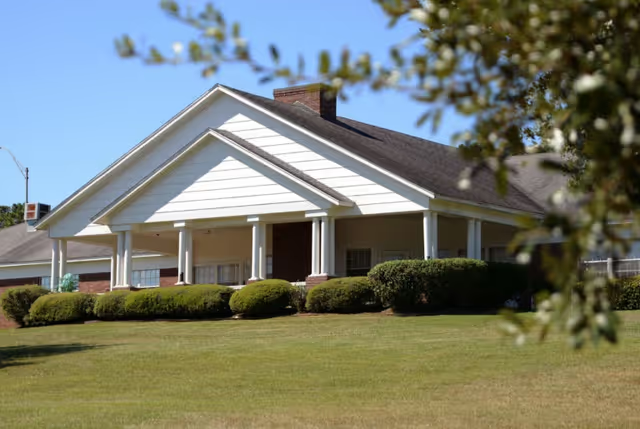
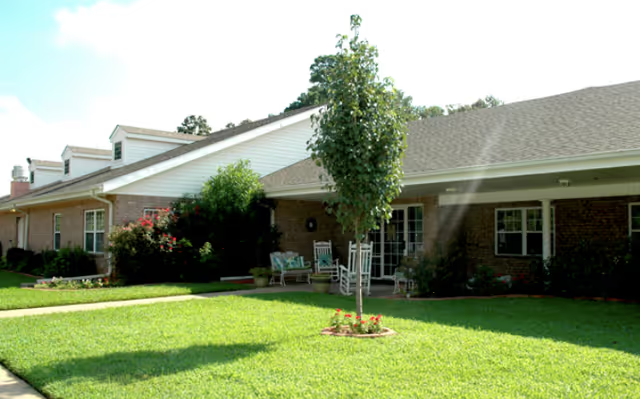
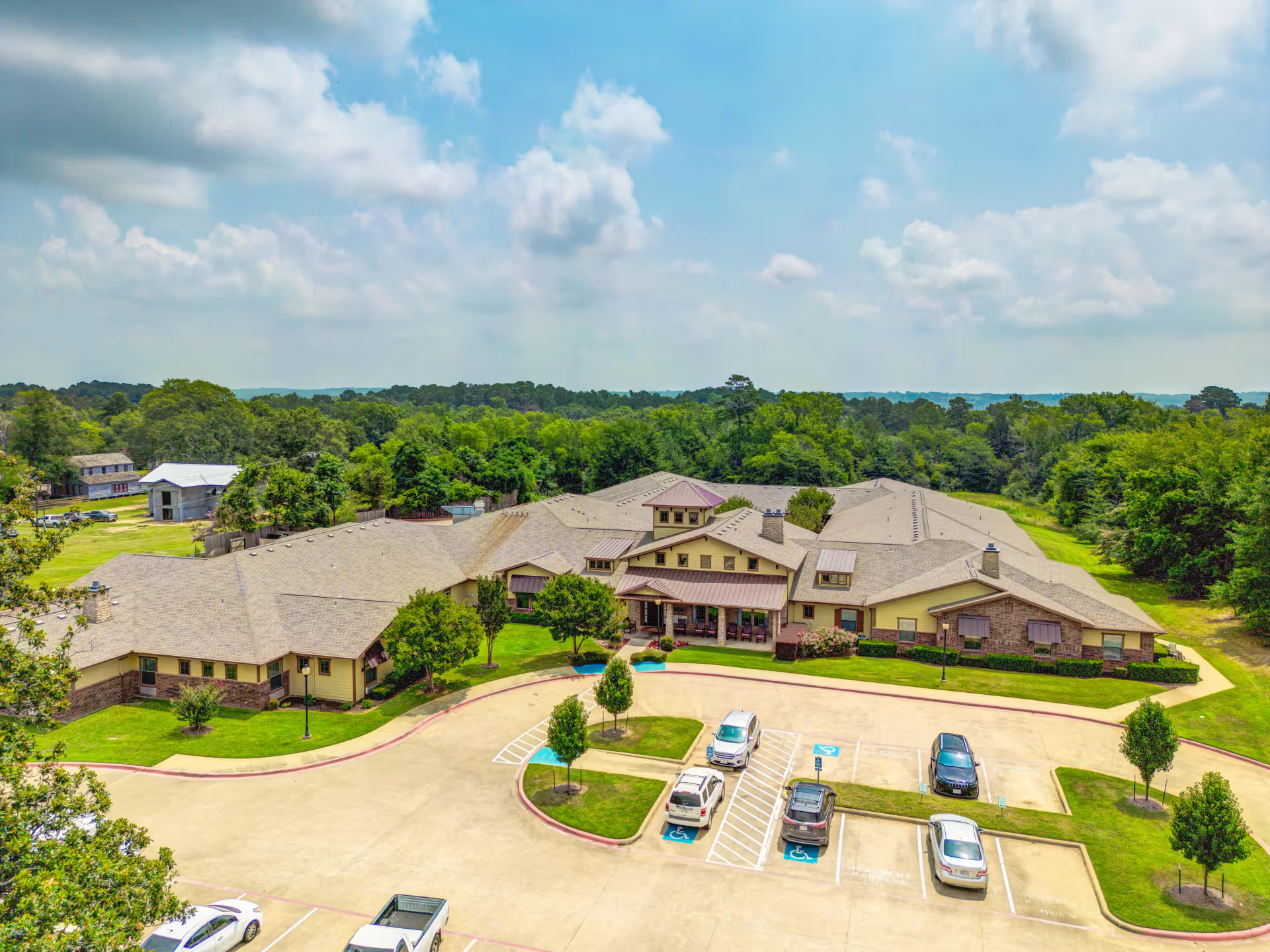
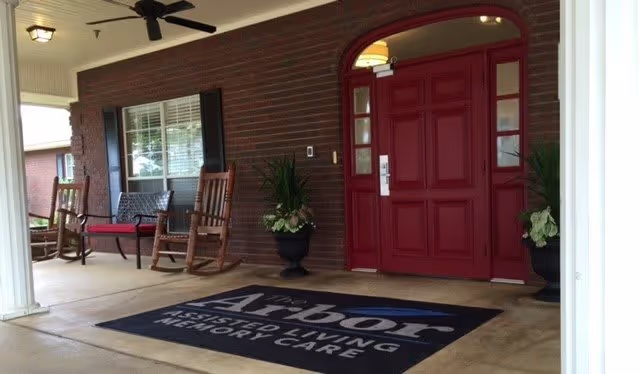
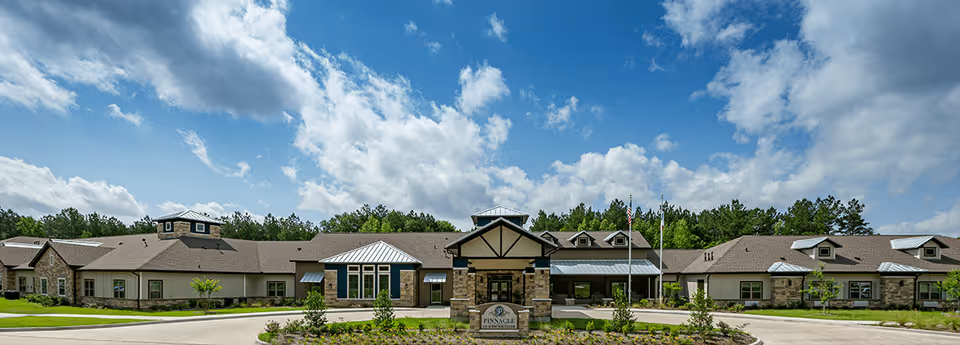
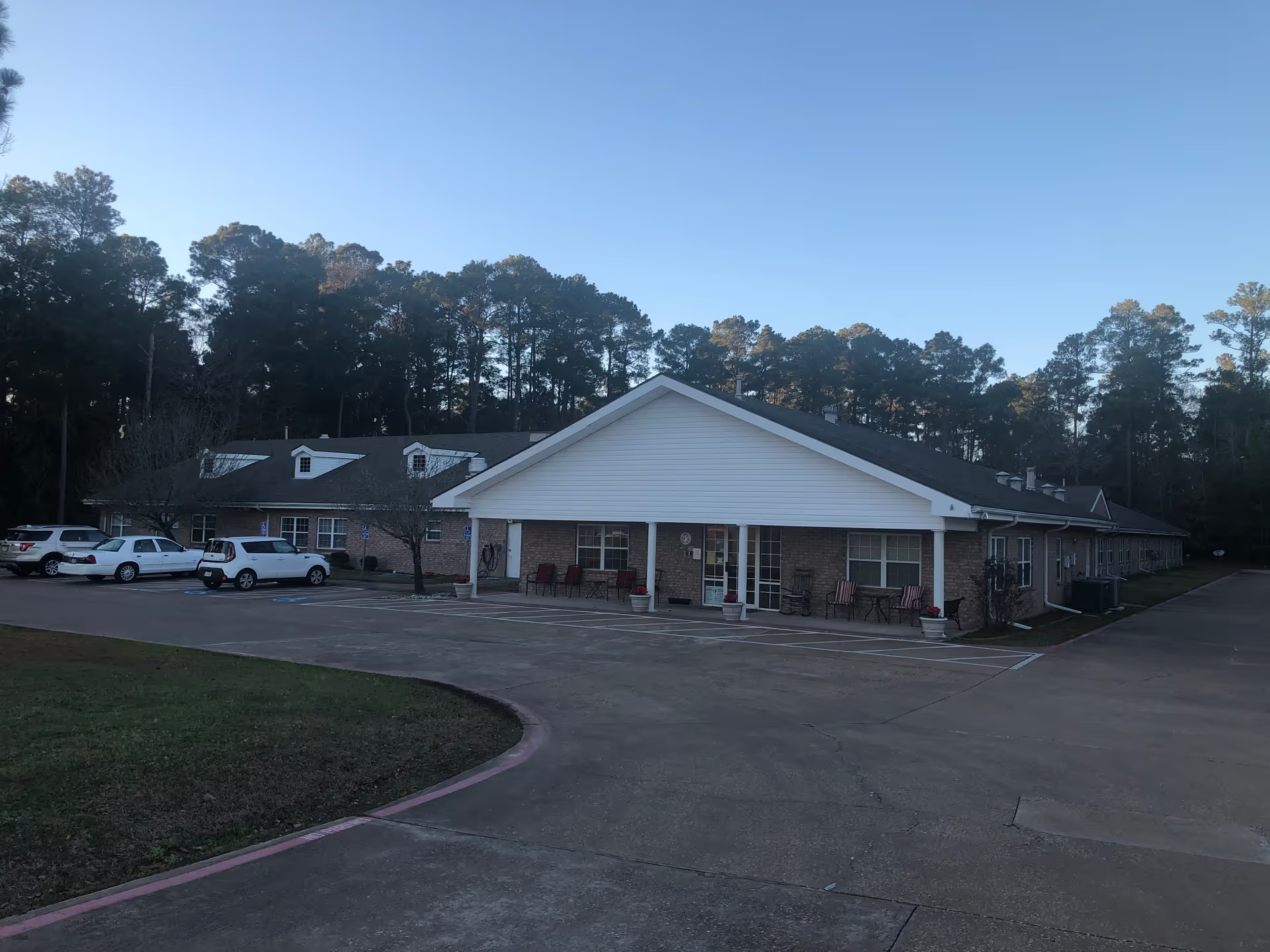
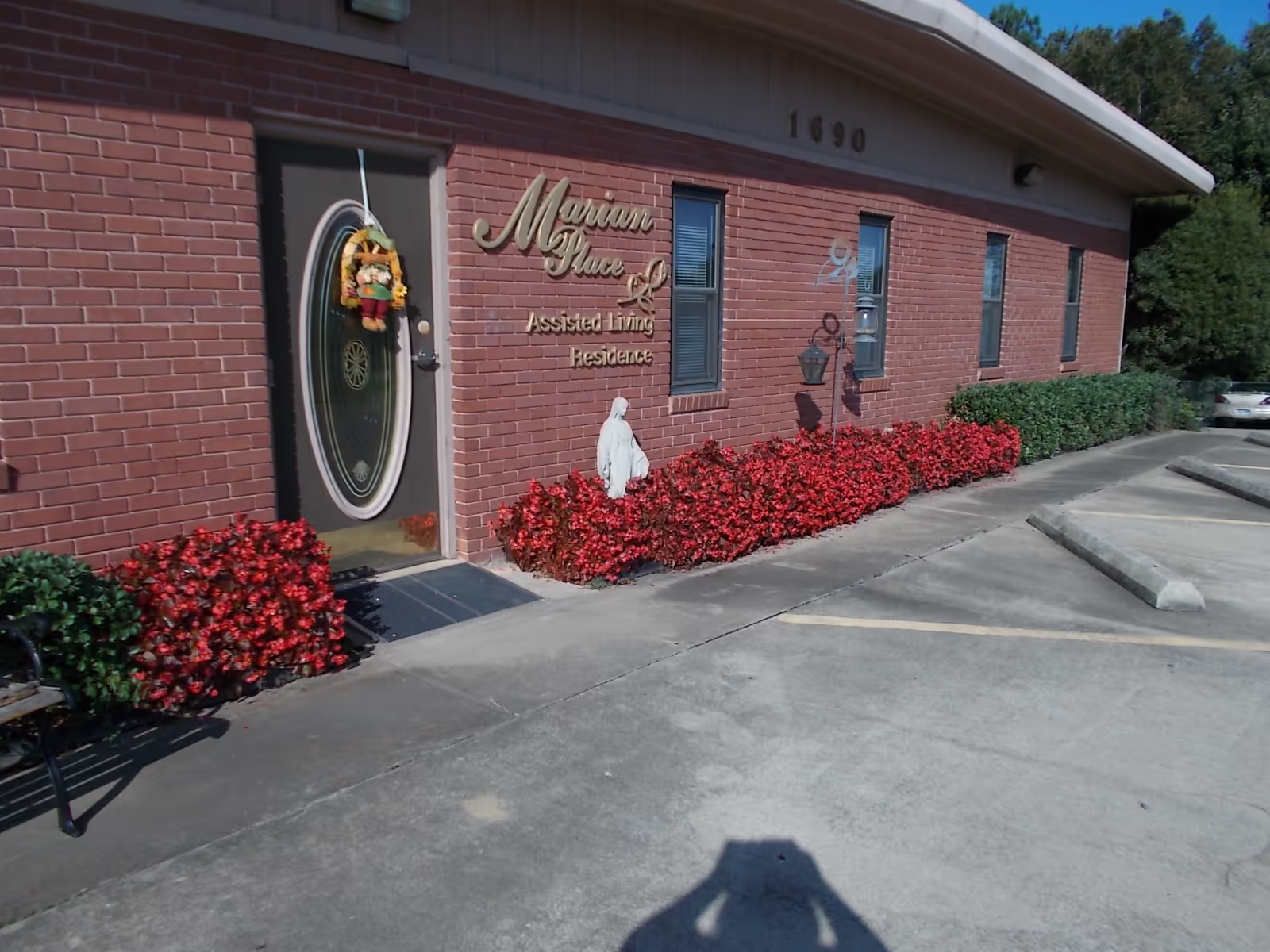
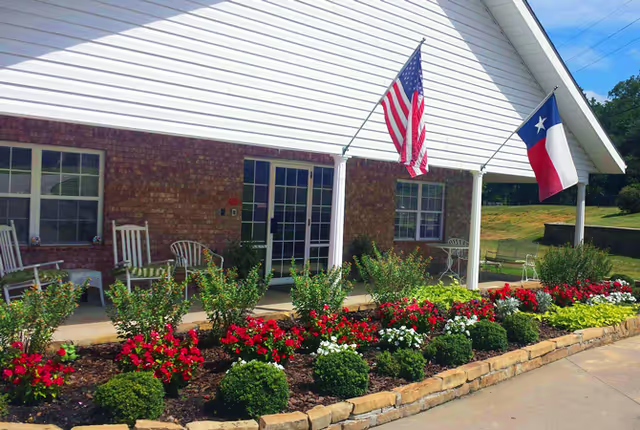
Facilities and infection control: The physical environment receives positive remarks for cleanliness, lack of offensive odors, and a well‑kept, stylish appearance. Infection‑control procedures and visitor screening were noted as strengths, providing additional reassurance to families concerned about health safety.
Management and communications: Admissions and benefits processing are consistently described as efficient and helpful, and administration is often characterized as friendly and supportive. That said, there are isolated reports of unhelpful or abrupt communication (including phone interactions), indicating inconsistent customer‑service performance. Families may benefit from clarifying preferred communication channels and escalation steps during intake.
Notable patterns and recommendations: The dominant positive themes are compassionate caregiving, cleanliness, infection‑control, and an accessible admissions process. The dominant negative themes are inconsistent responsiveness to personal‑care needs, variable dining experiences, and occasional communication lapses. Practical steps for prospective residents and families include observing staff–resident interactions during a visit, sampling a meal, asking for details about staffing levels and response time standards for personal‑care needs, reviewing infection‑control and visitor protocols, and confirming transportation or visitation logistics given the facility’s distance from some families. These checks can help determine whether the facility’s strengths align with a family’s priorities and whether operational inconsistencies are acceptable or remediable.