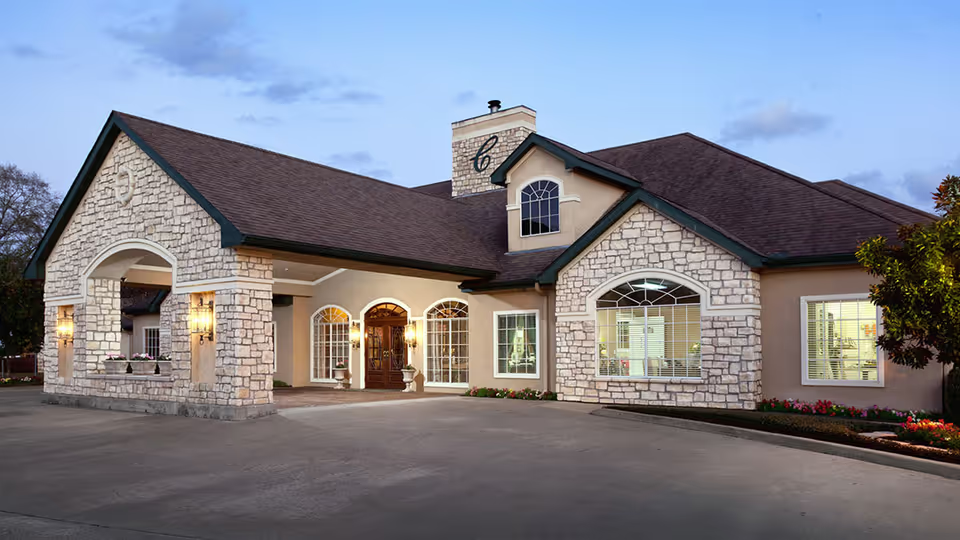
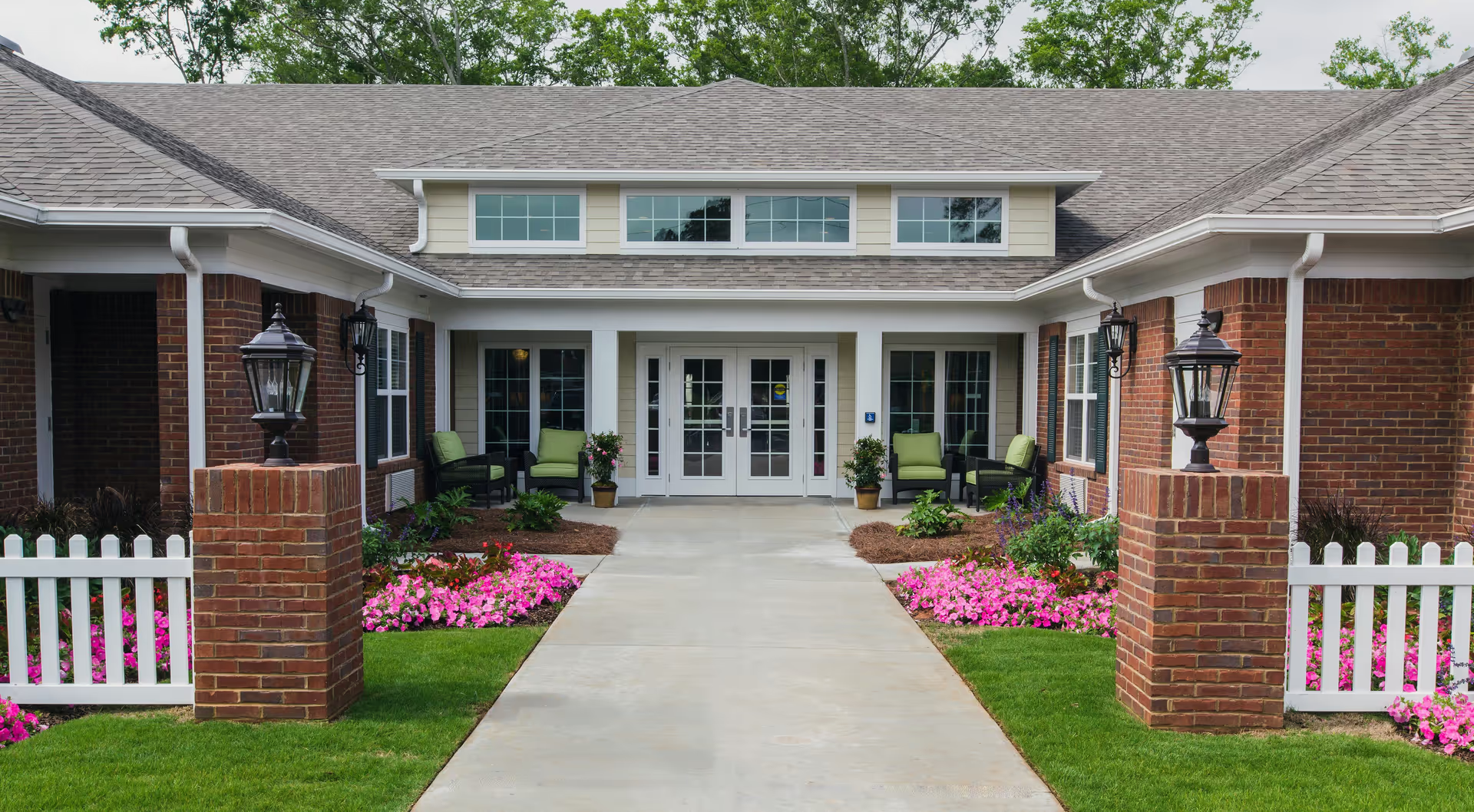
Overall impression Trinity Rehabilitation & Healthcare Center is frequently described as a bright, modern facility with a generally positive atmosphere. Many families and residents praise the building condition, comfortable common areas, and restaurant-style dining spaces. Rehabilitation and therapy services receive consistent positive feedback for effectiveness and staff engagement. Front-office teams and some administrators are frequently characterized as proactive and helpful, and routine housekeeping is often cited as satisfactory.
Care quality and staff Care experiences are mixed but trend positive for day-shift, hands-on caregiving. CNAs and many aides are repeatedly described as attentive and affectionate, and rehabilitation therapists are a notable strength — several accounts credit therapy with meaningful functional improvements. Nursing receives both praise and criticism: while many reviewers call nurses competent and communicative, other comments identify variability in nurse presence and clinical oversight. A recurrent operational concern is understaffing during nights and weekends, which links to delays in assistance and perceived gaps in monitoring.
Medication, safety, and clinical coordination A number of reviews raise significant concerns about medication administration and tracking, including at least one serious report involving controlled medications. These accounts suggest the facility’s medication-management processes may be inconsistent and warrant close family oversight. Relatedly, there are reports of inconsistent documentation and coordination between nursing and therapy teams; families should confirm care plans, medication timing, and fall-prevention protocols with unit leadership.
Dining and activities Dining impressions are largely positive: many reviewers describe meals as good or outstanding and praise the dining atmosphere and accommodating dining staff. However, quality is described as variable across days and shifts, with weekend meals and breakfast options sometimes noted as weaker. Several families requested more elderly-friendly or individualized dietary accommodations; while dietary staff do sometimes offer substitutions, customization appears inconsistent.
Facilities and housekeeping The physical plant is often cited as a strength: new construction, attractive decor, and clean public spaces. At the same time, some reviews note uneven housekeeping thoroughness, particularly after maintenance or window work, and occasional sanitation concerns in select areas. Families should ask about housekeeping schedules, incontinence-care procedures, and post-repair clean-up practices when touring.
Management, communication, and administration Administration and admissions staff receive frequent praise for responsiveness and accessibility, and some reviewers highlight effective leadership that addresses problems quickly. Nevertheless, communication lapses recur as a pattern: examples include phone-routing errors, delayed callbacks, inconsistent family updates, and occasional billing mistakes. Front-desk/security coverage has been mentioned as an area for improvement by some families.
Notable patterns and guidance for families The dominant pattern is a generally well-equipped, therapy-focused facility with many compassionate direct caregivers, balanced by operational inconsistencies that tend to appear on nights, weekends, and during transitions (medication handoffs, maintenance, or shift change). Prospective residents and families should assess staffing patterns for the unit, clarify medication-management and documentation procedures, confirm dietary accommodation processes, and plan for active family involvement early in the stay. Asking for unit-specific examples of weekend staffing, medication-audit procedures, and post-maintenance housekeeping protocols can help set expectations and reduce the likelihood of the most commonly described issues.