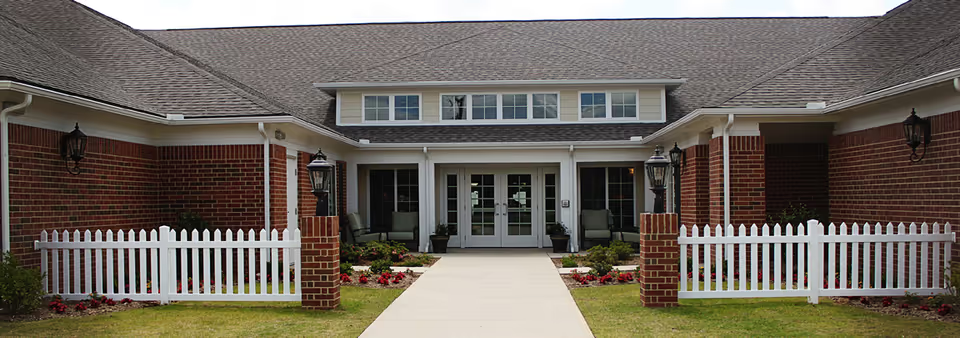
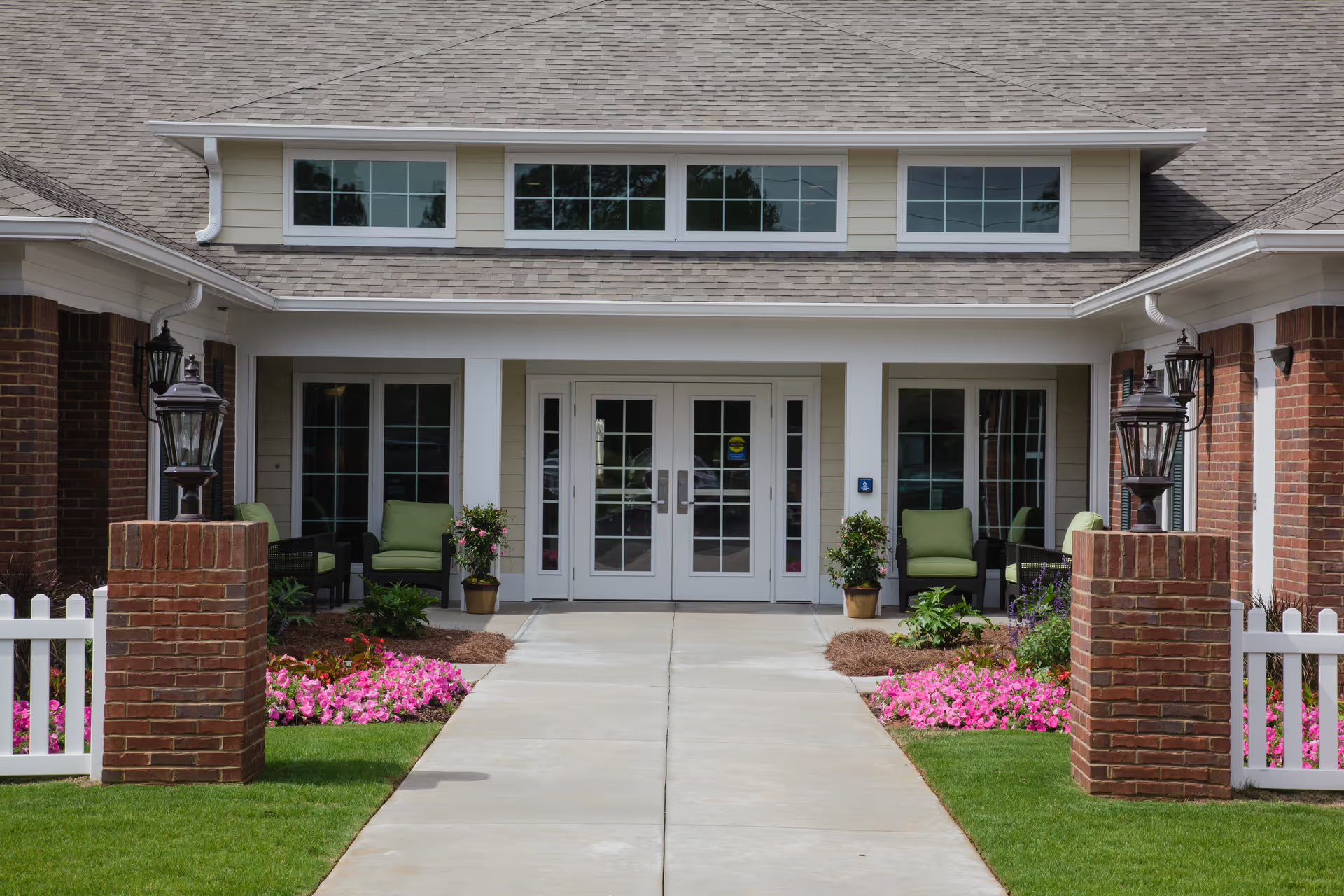
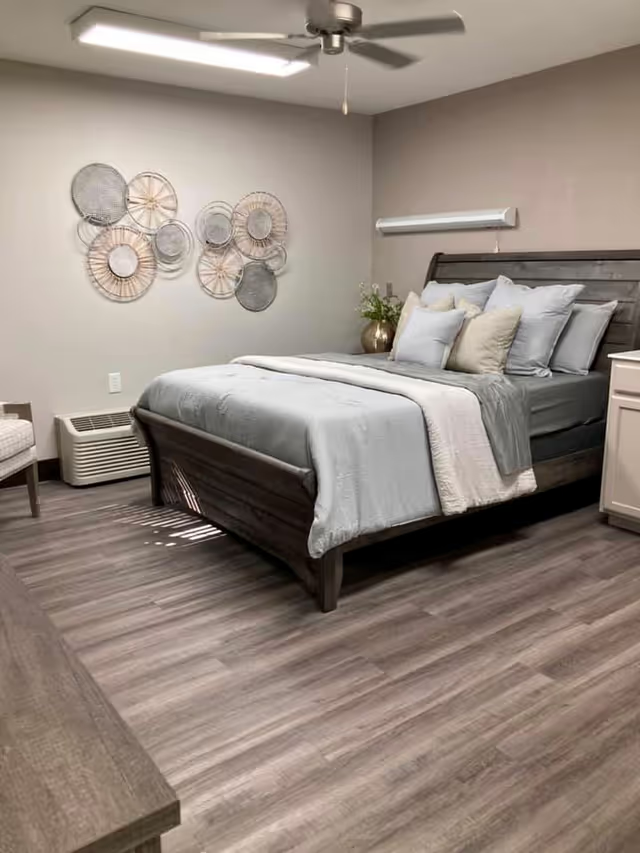
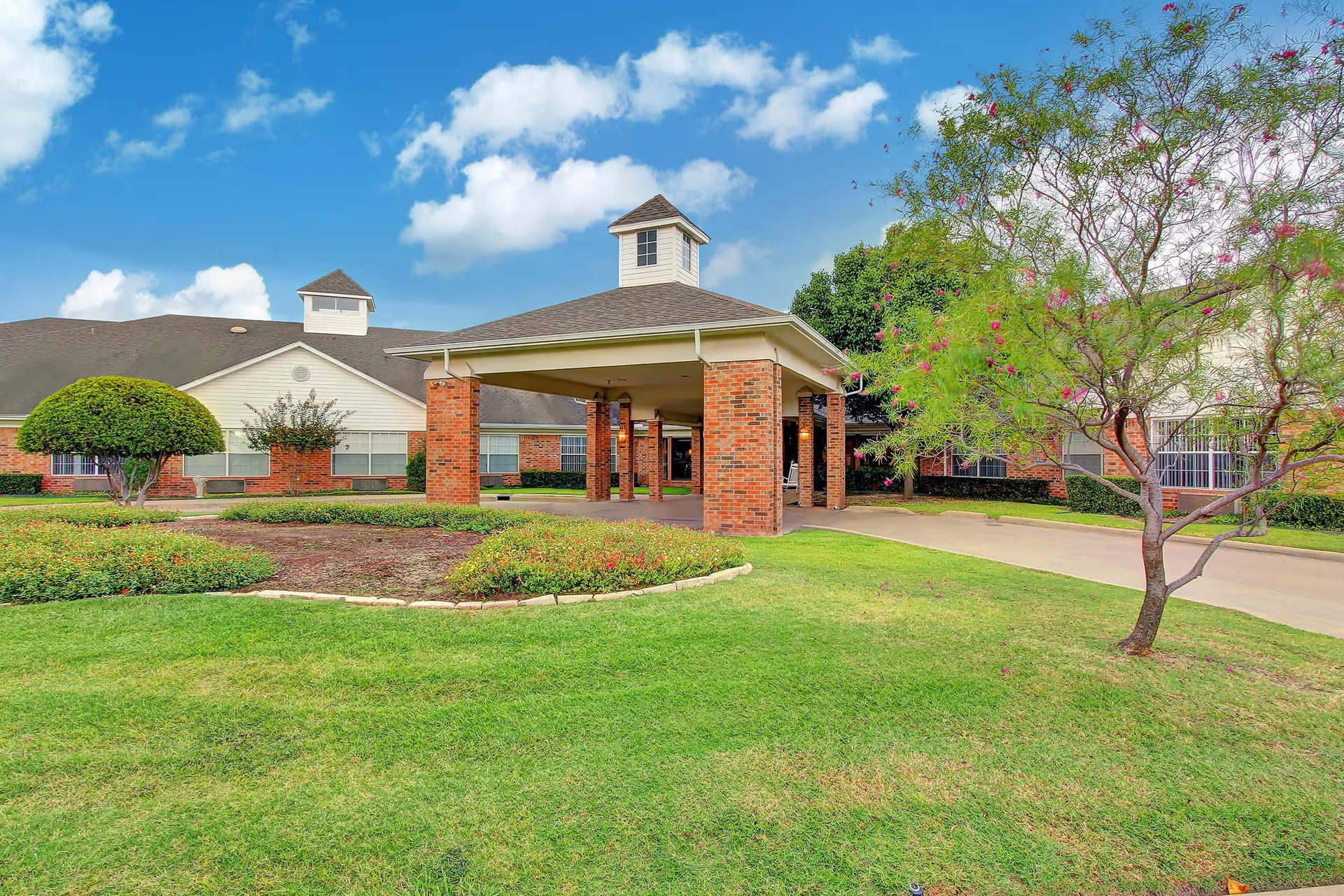
The reviews present a mixed picture: the facility receives repeated praise for hands-on caregiving, rehabilitation capability, recreational programming, and several observable environmental strengths, while also drawing substantive concerns about management, consistency of care, and aspects of facility operations. Families and visitors frequently note friendly, compassionate nursing staff and CNAs, positive staff–resident interactions, and effective short-stay rehab outcomes. Recreational life is highlighted as a strength — organized activities, parades, and community events are described as engaging — and outdoor areas and flowerbeds contribute positively to the campus atmosphere. Several reviewers described common areas as clean and well-maintained, and some found the small resident rooms to feel homelike. Visitor conveniences such as guest dining trays were also noted positively.
At the same time, a consistent theme is unevenness in operational performance. Administrative responsiveness and communication are described as inconsistent: some families praised the office manager for being knowledgeable and reassuring, while others described the administrator’s approach as condescending and noted delays or poor communication around important events (for example, visitation changes). Reports point to variability in staff tone and interactions with families and residents, which can affect family trust and the overall perceived quality of care.
Several reviews raise clinical-operations concerns that prospective families should evaluate directly. These include inconsistent adherence to infection-control and safety practices, lapses in supply management and personal-care scheduling (for example, missed bathing opportunities or limited supplies), and challenges with continuity of care for residents with cognitive impairment, including hospital transfers and difficulties returning to the facility. Additionally, some reviewers expressed concerns about belongings security and the process for addressing family complaints. There are also comments about hiring and corporate oversight that suggest families should ask about staff turnover, training, and supervision when evaluating the facility.
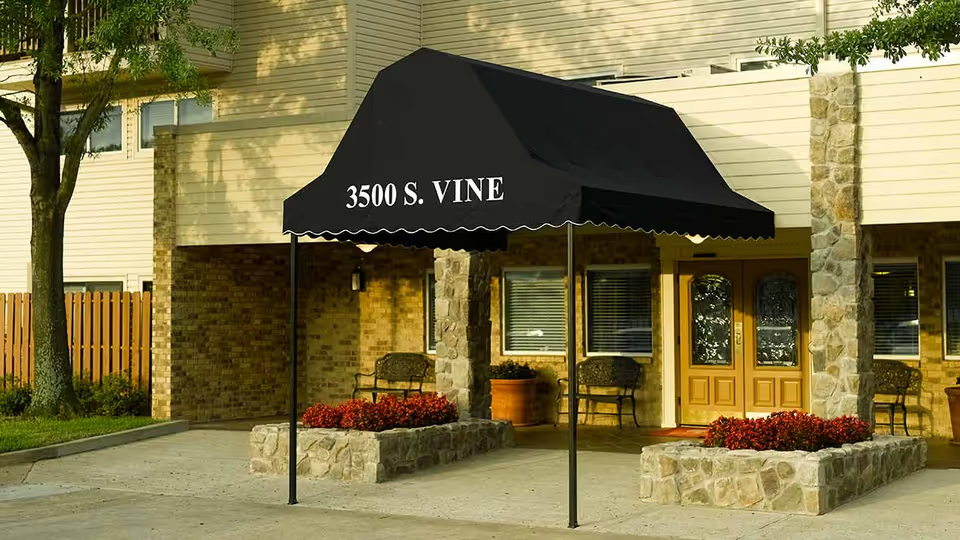
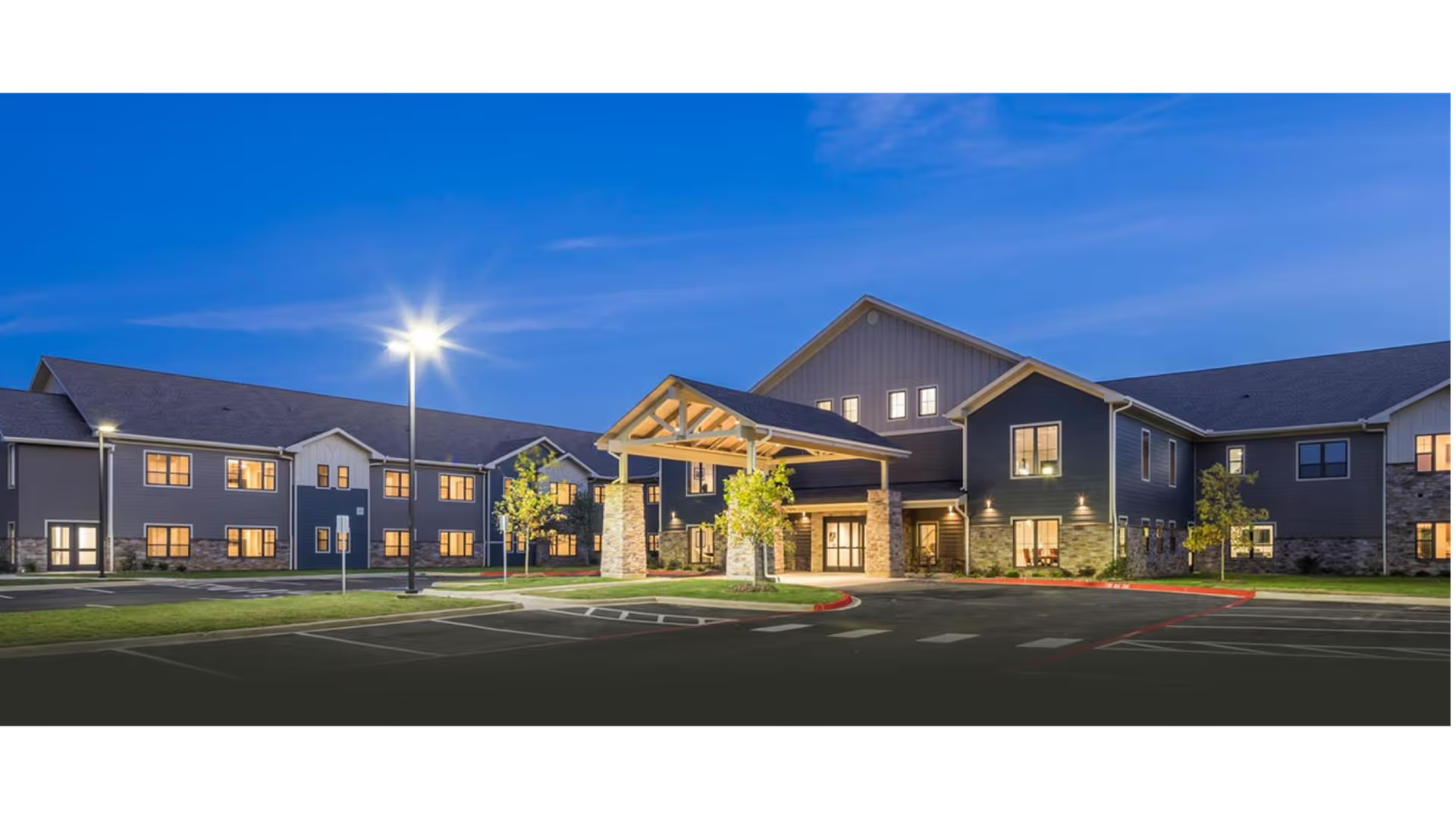
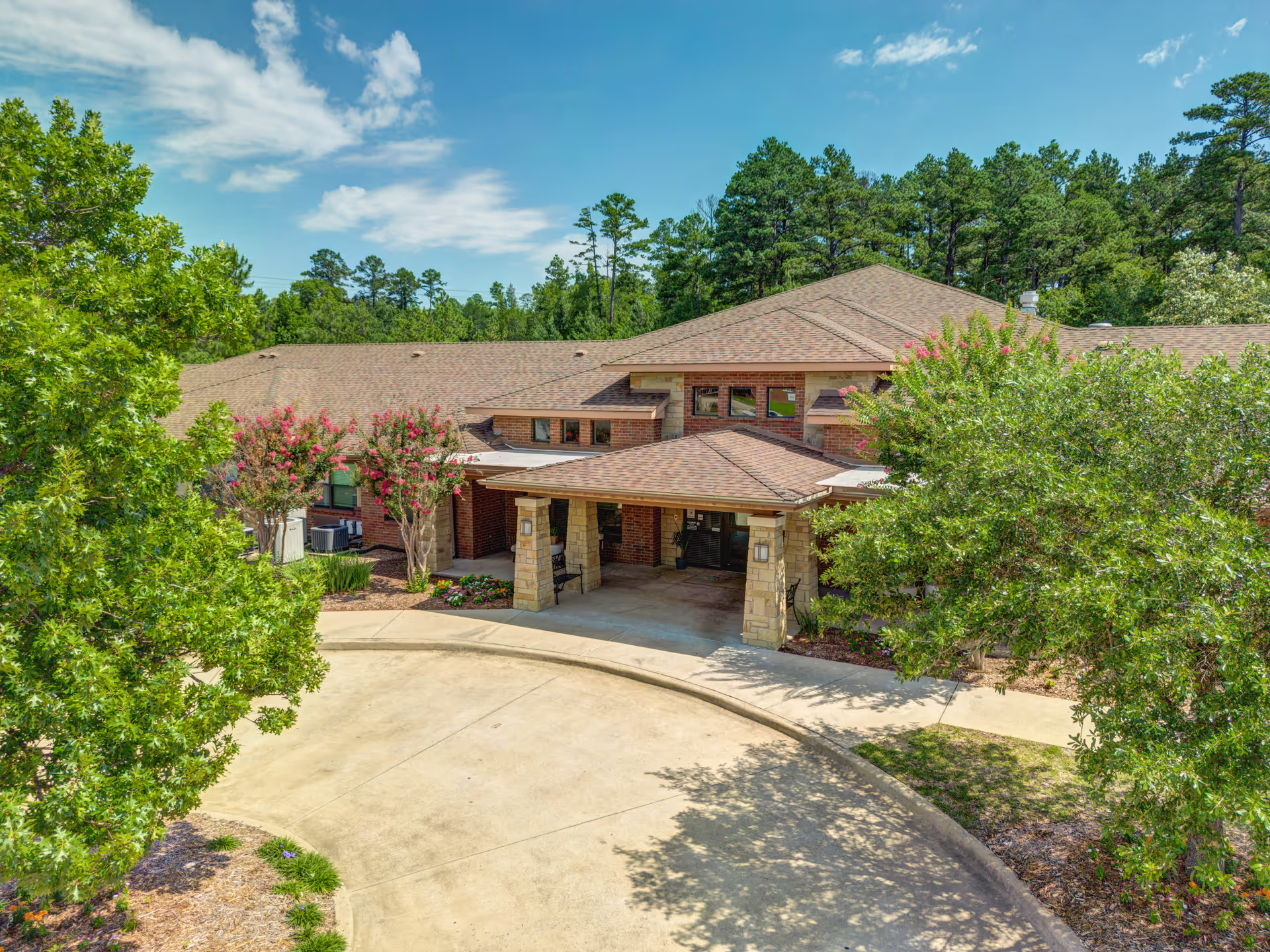
Facility condition and dining receive mixed feedback. Positive notes on cleanliness and attractive outdoor landscaping coexist with descriptions of an older building and areas that appear dated or stale to some visitors. Dining impressions vary from praise for high-quality meals to criticisms of inconsistent food quality; observing a meal service during a visit may be helpful. Recreational programming and staff engagement are strengths to weigh against the operational weaknesses described.
In summary, the facility shows clear strengths in direct caregiving, rehabilitation services, and activity programming, supported by some staff members and office leadership who are described as attentive and reassuring. However, recurring operational issues — notably inconsistent administration and family communication, variable infection-control practices, inconsistent personal-care scheduling, and questions about staffing/hiring oversight — represent areas of concern that merit specific inquiry. Recommended next steps for families considering this facility: schedule an unannounced visit during a mealtime and an activity period, ask for current staffing ratios and turnover data, review infection-control and dementia-care protocols, request examples of how family complaints are handled, and speak directly with the on-duty clinical lead about individualized care plans.