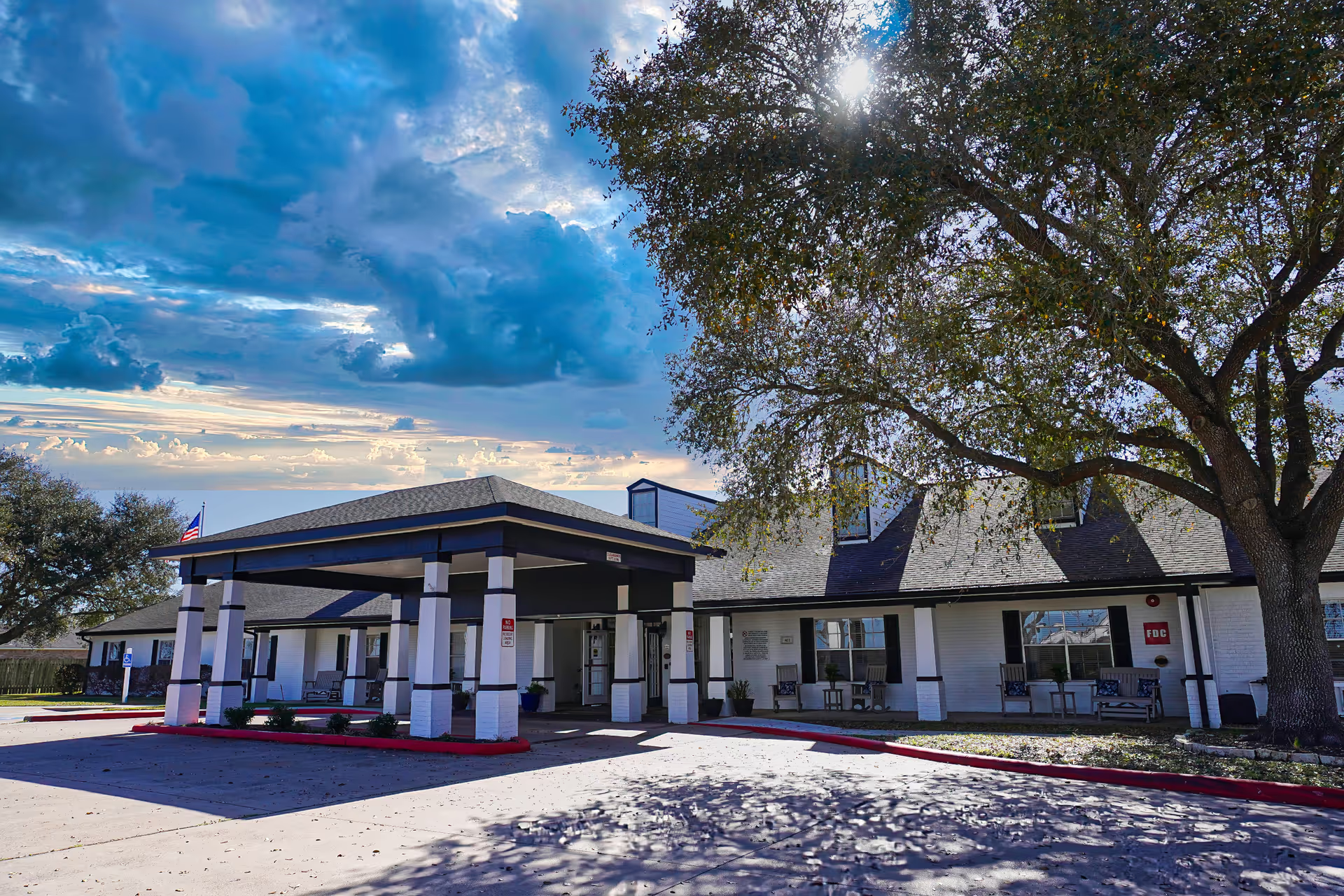
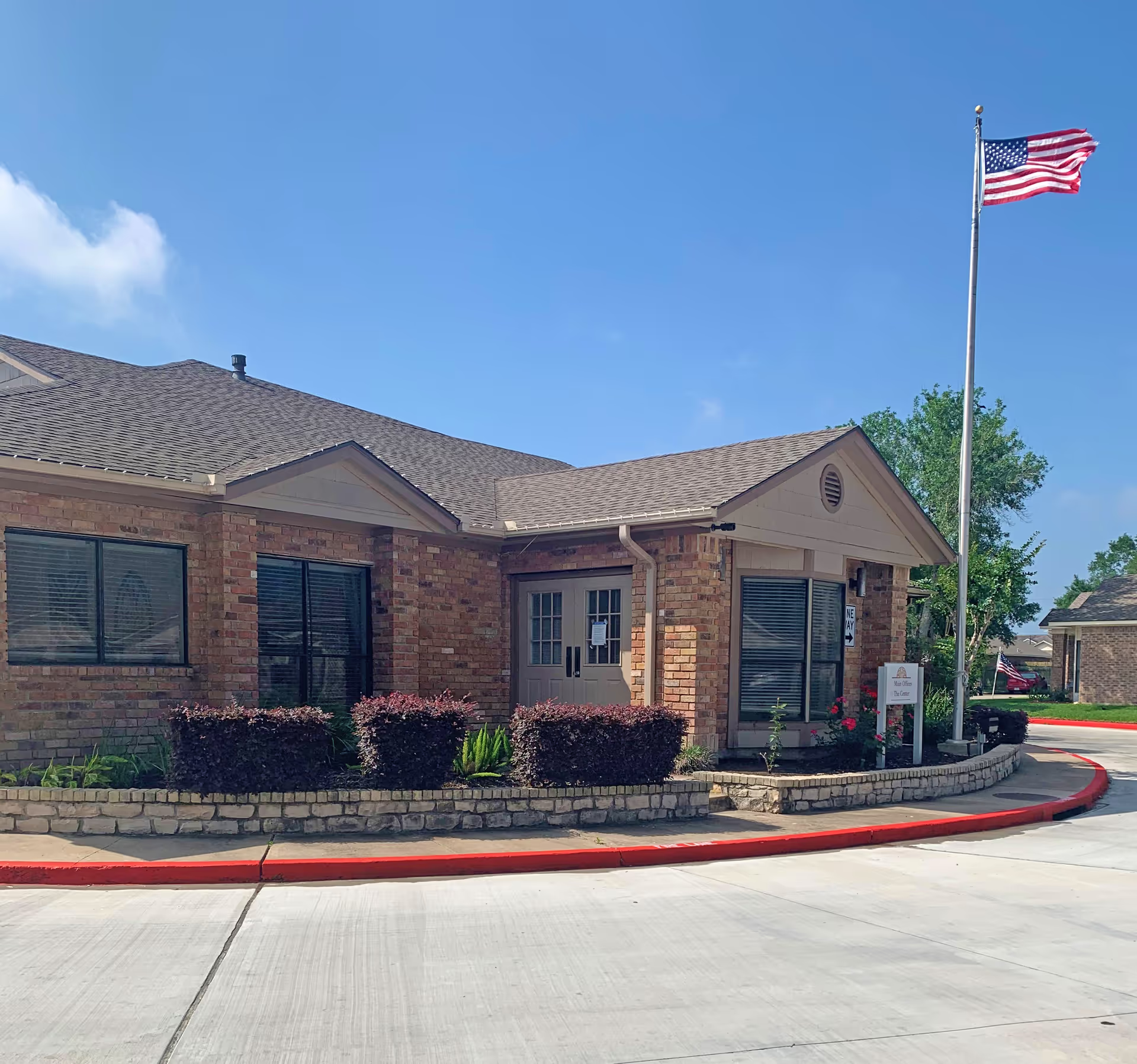
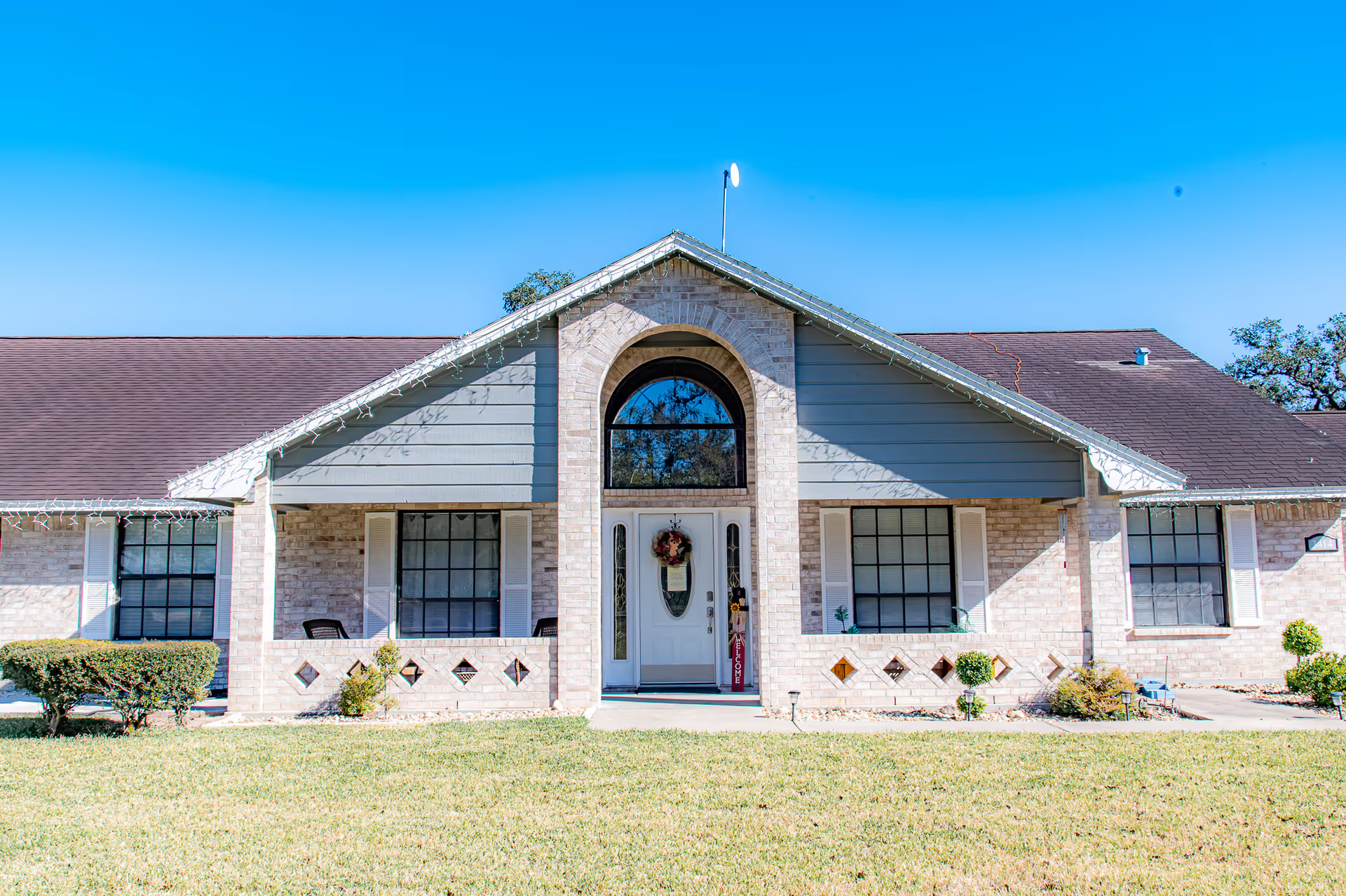
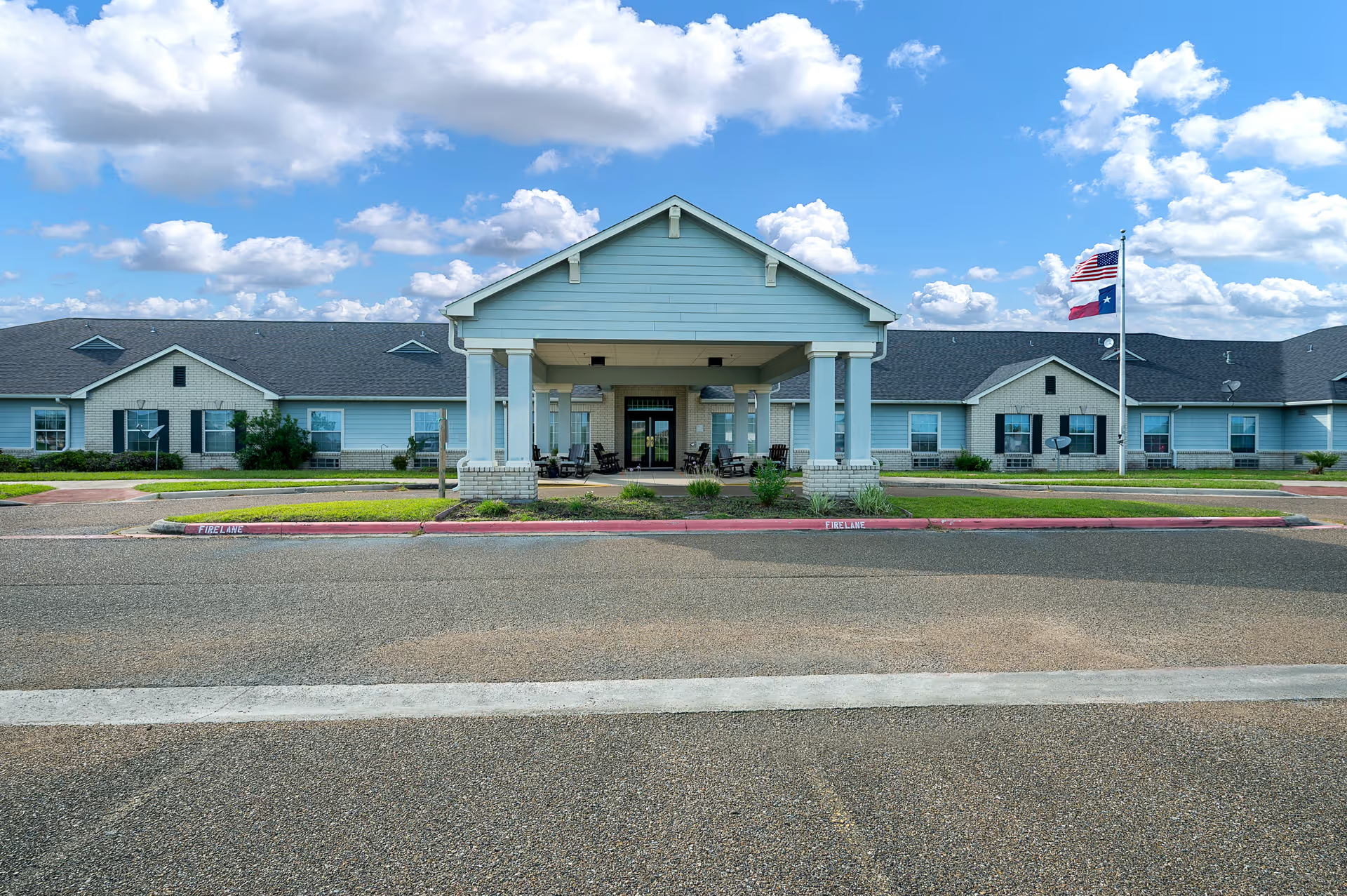
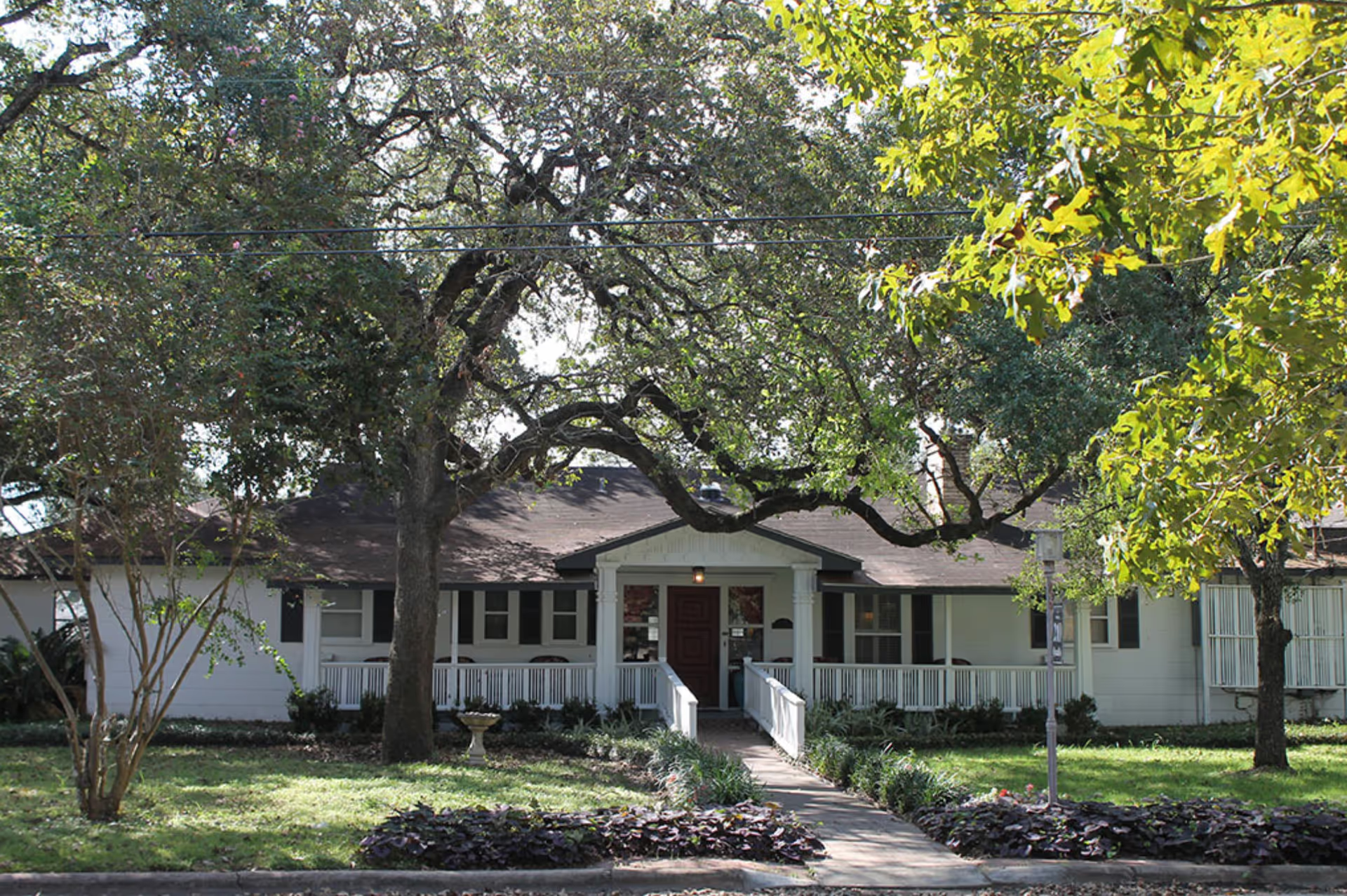
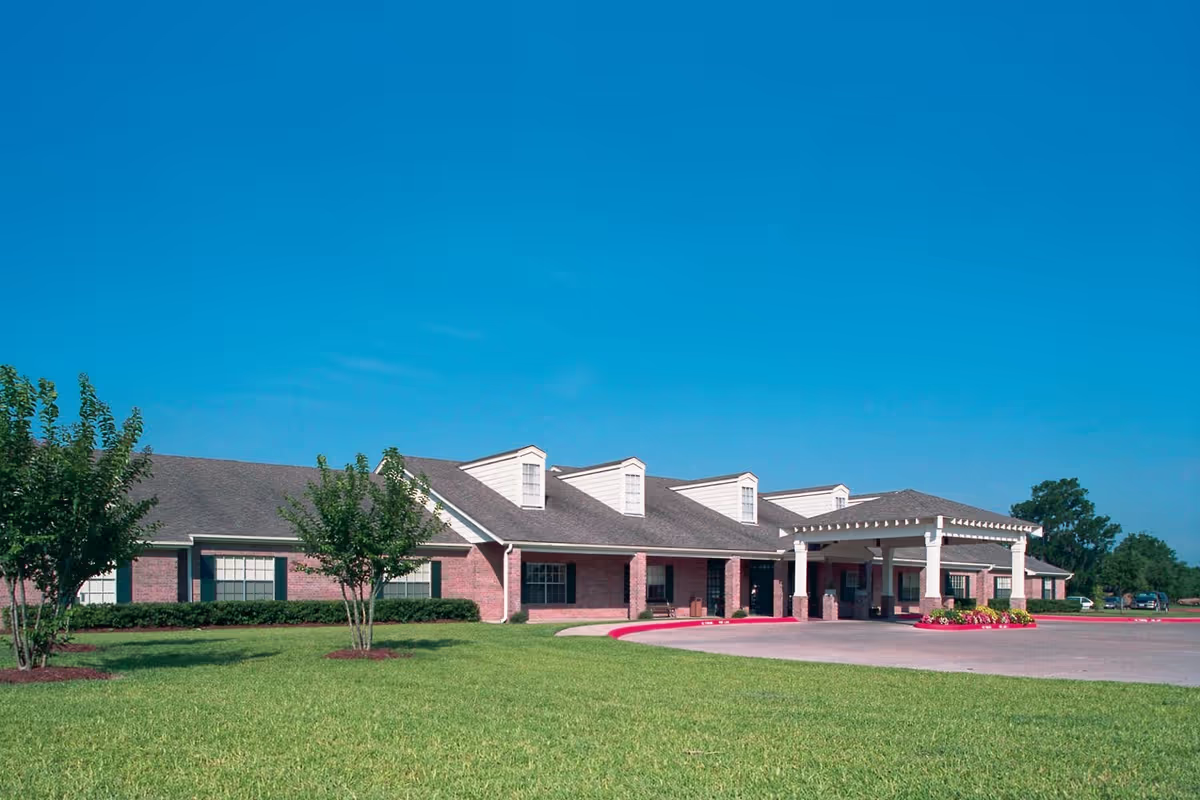
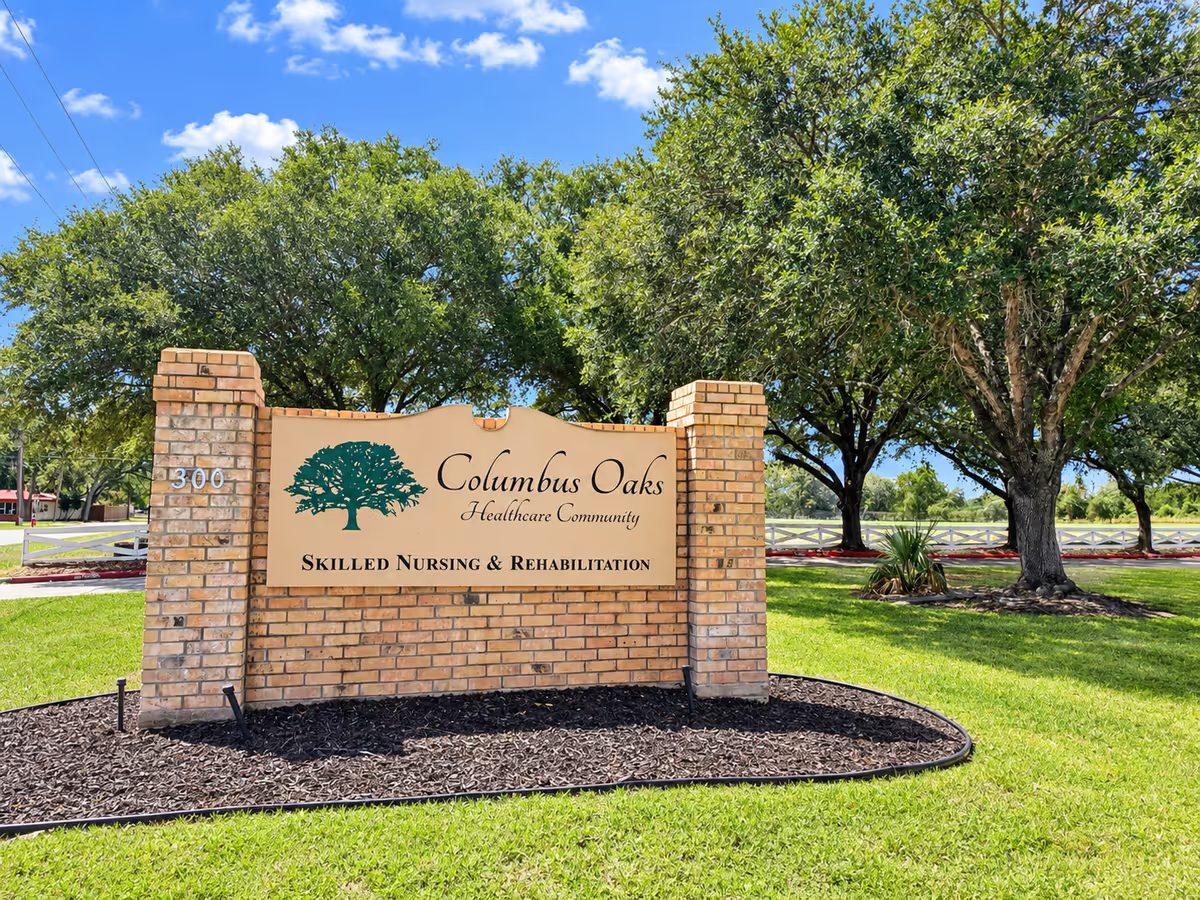
Reviews describe a facility with notable strengths alongside recurring operational concerns. Positive accounts frequently cite dedicated CNAs and therapy staff who provide compassionate, attentive daily assistance and strong rehabilitation outcomes. Many families praised the facility’s warm, home-like aesthetic, clean interior, private rooms and a range of onsite amenities such as a chapel, salon and social spaces. Organized activities and holiday programming are commonly noted as meaningful contributors to resident quality of life.
Care quality and staffing present a mixed picture. Rehabilitation therapy and day-shift aides receive consistent positive feedback for skill and engagement. However, a pattern of inconsistent nursing responsiveness emerges in other reviews: long call-light response times, delayed assistance with basic needs, and uneven attention to changes in condition. Several accounts raise concerns about medication administration practices and isolated medication-safety events that undermined family trust. Weekend clinical coverage and physician availability are described as limited, which reviewers linked to gaps in ongoing clinical oversight.
Staff behavior and communication are another area of contrast. Some reviewers emphasize friendly, respectful interactions and staff who go above and beyond; others describe negative tone, confrontational encounters, and staff morale issues that can affect resident dignity and family communication. Communication and family-engagement processes are uneven — families reported difficulty obtaining timely updates or discussions with clinical leadership in certain cases.
Dining and activities are similarly variable. Multiple reviewers praised engaging programming, social events and certain meals, while others described inconsistent food temperature, occasional cold meals, and failures to honor dietary restrictions. Activity offerings are generally cited as a strength when they are well staffed and promoted; several accounts noted improvements when activity leadership was refreshed.
Facility-level infrastructure is perceived positively in many descriptions of cleanliness, décor and campus amenities, but a subset of reviews cites sanitation concerns and pest-control issues in specific areas. Environmental controls in resident rooms (air conditioning, availability of drinking water) were mentioned as inadequate in some reports. Security and property-control vulnerabilities — including allegations of theft and concerns about review manipulation and regulatory attention — are serious issues raised by families and merit administrative and regulatory scrutiny. Privacy and information-handling concerns were also raised.
Taken together, the pattern suggests that North Twin Pines offers strong rehabilitation services and many caring frontline staff, and that its physical environment and programming can be excellent. At the same time, inconsistent nursing responsiveness, medication-safety lapses, communication gaps with families, and intermittent sanitation, environmental-control, and security issues represent operational weaknesses that prospective residents and families should investigate further. When considering this facility, ask about current staffing levels and weekend clinical coverage, medication-safety protocols and recent corrective actions, pest-control and sanitation audits, dining and dietary-accommodation procedures, and how the facility addresses family communication and privacy concerns.