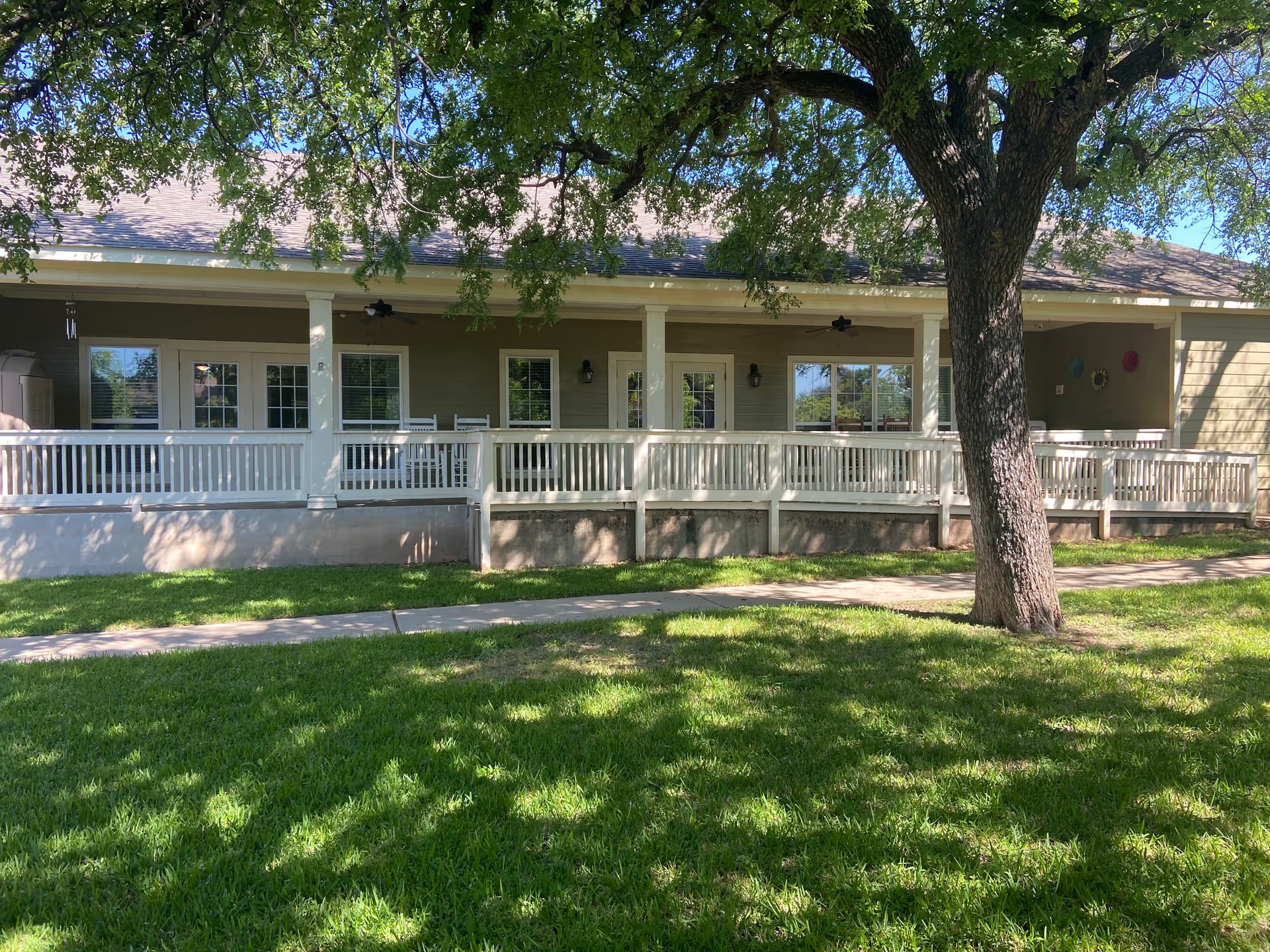
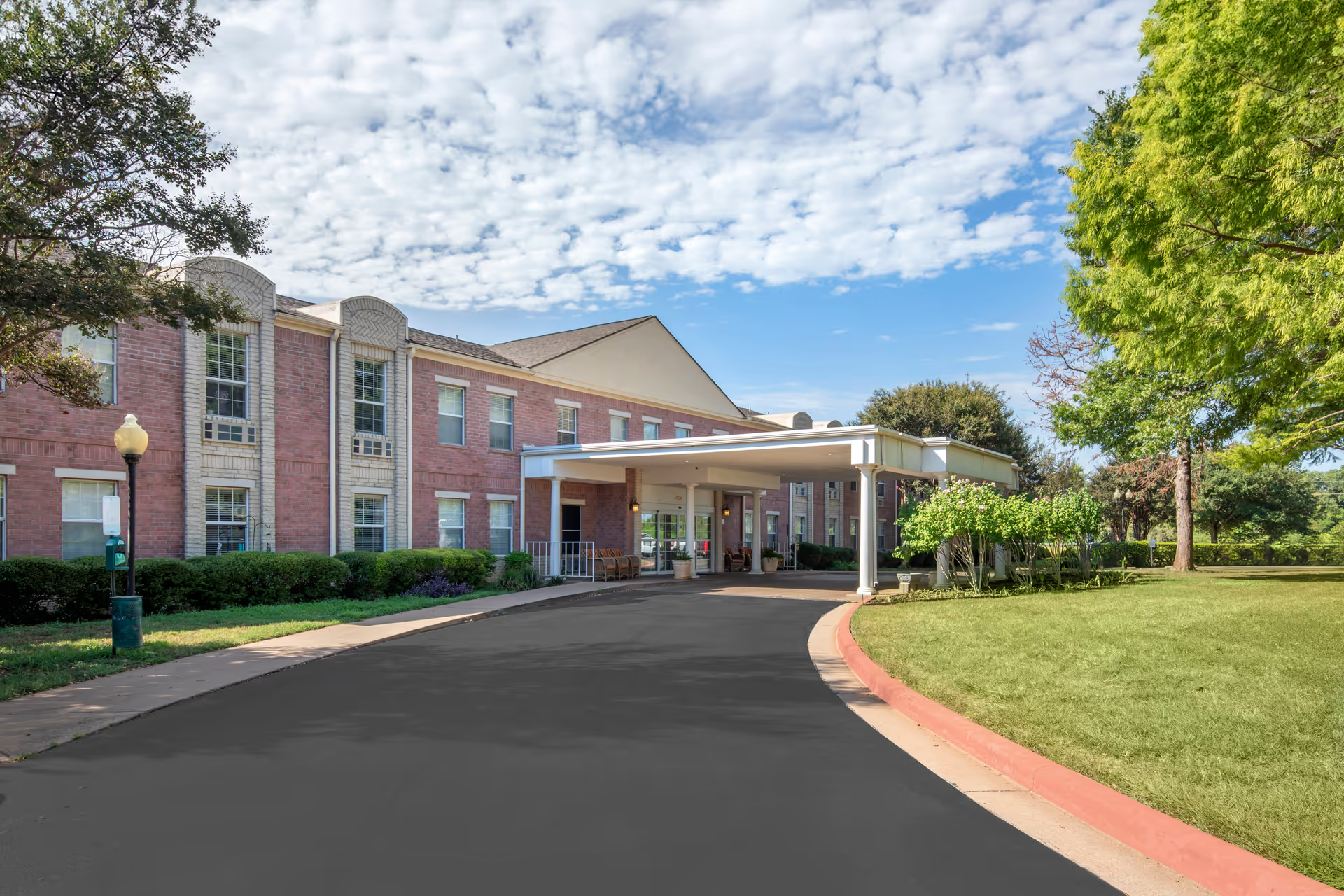
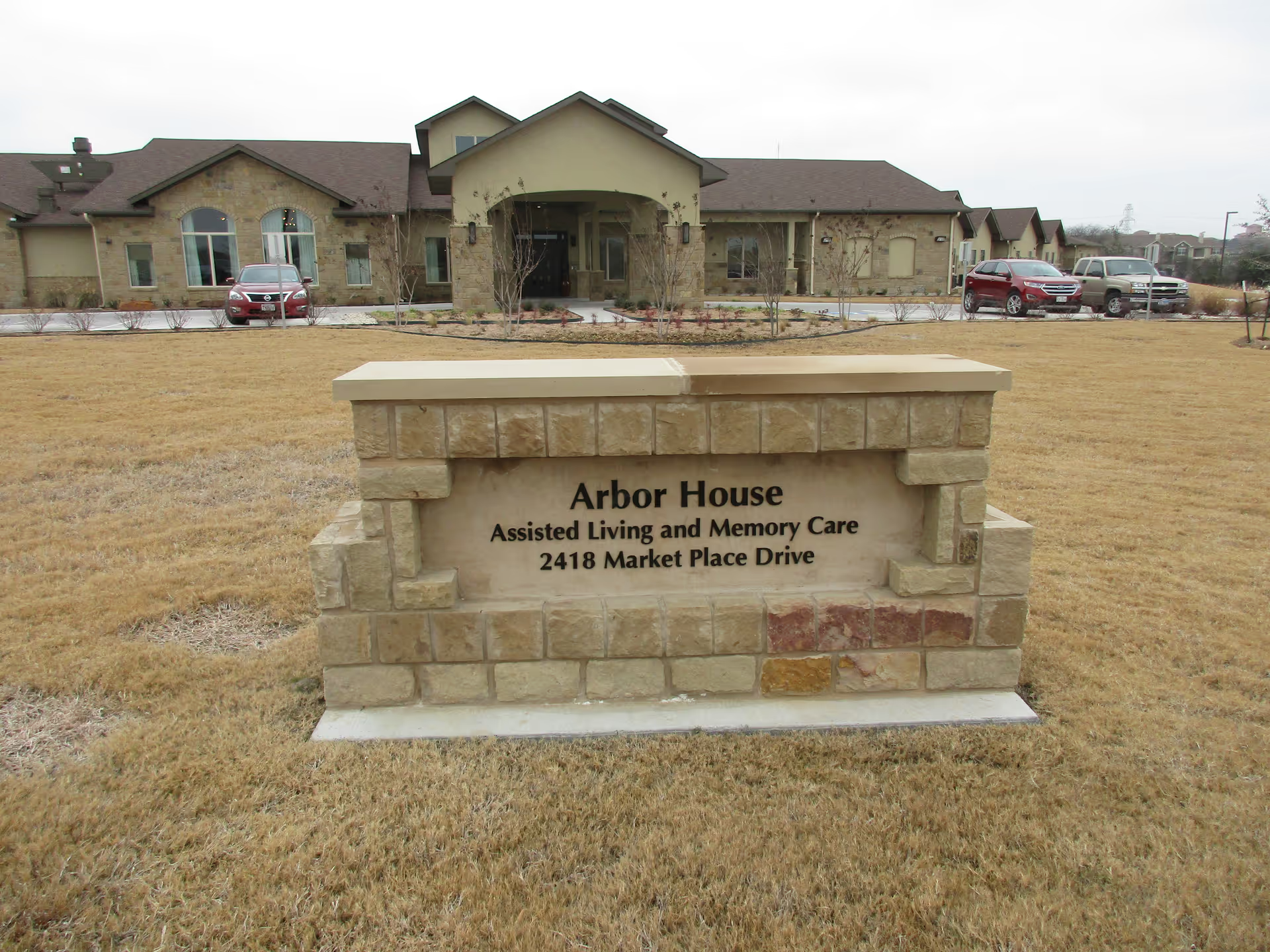
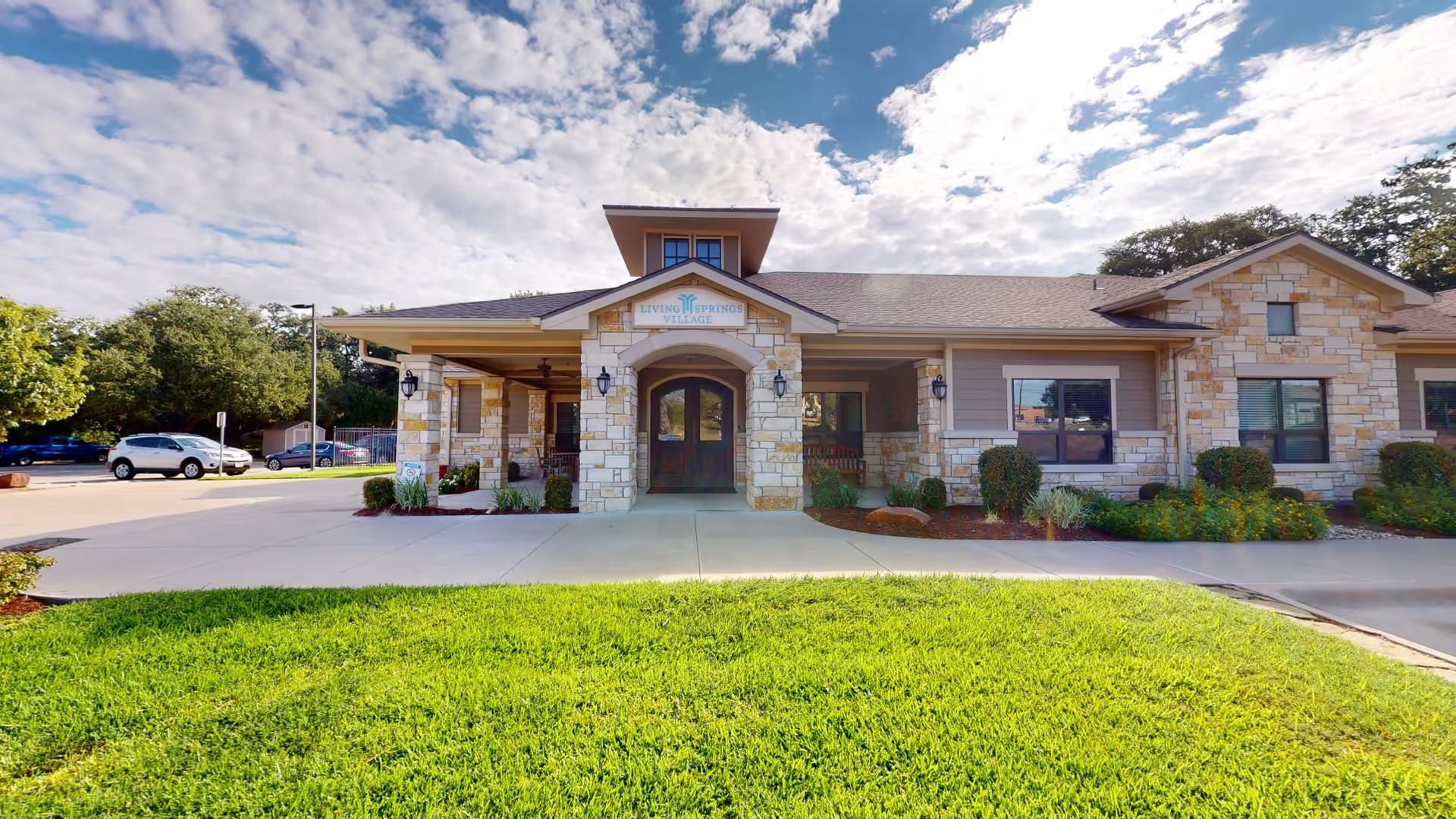
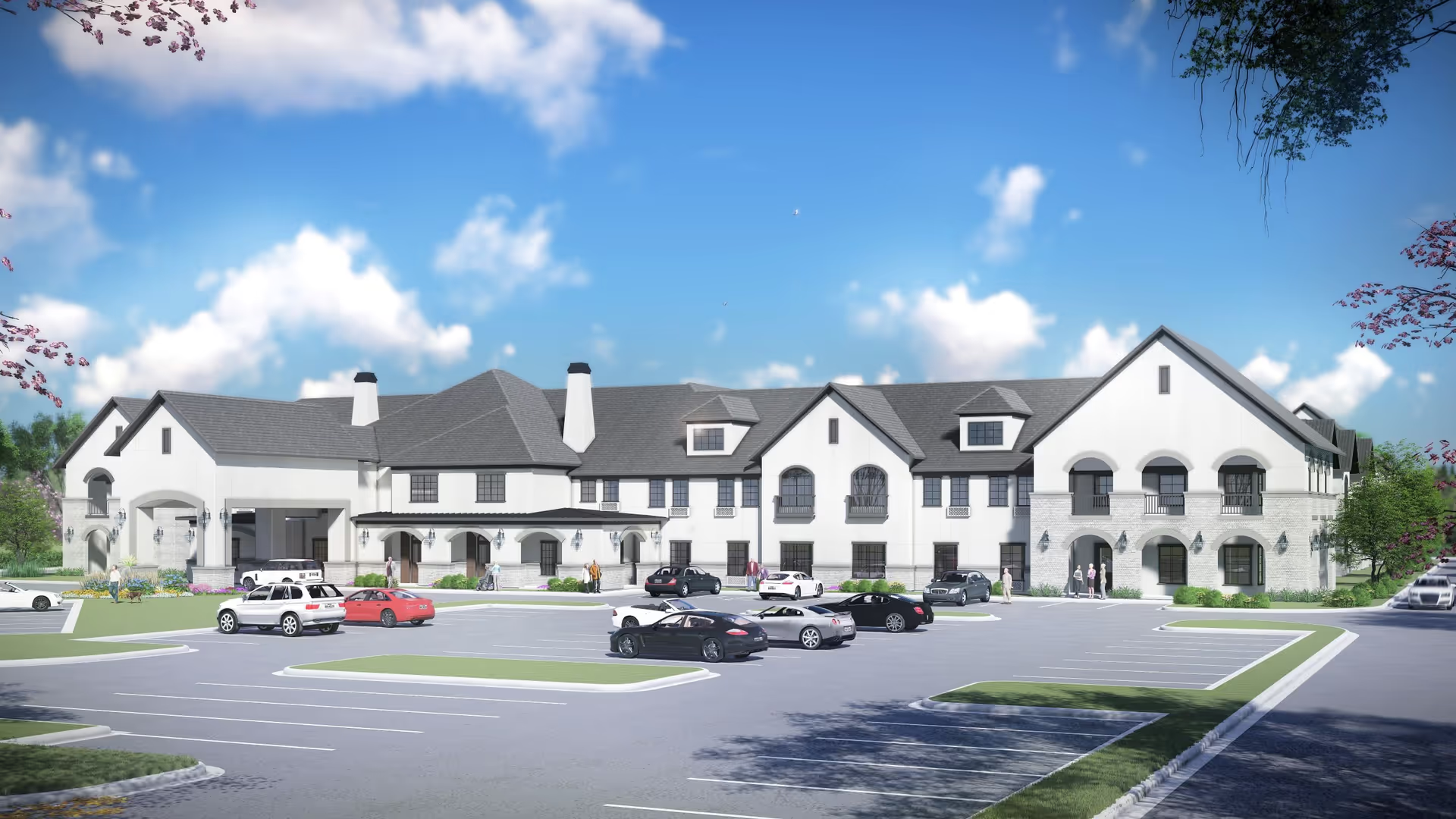
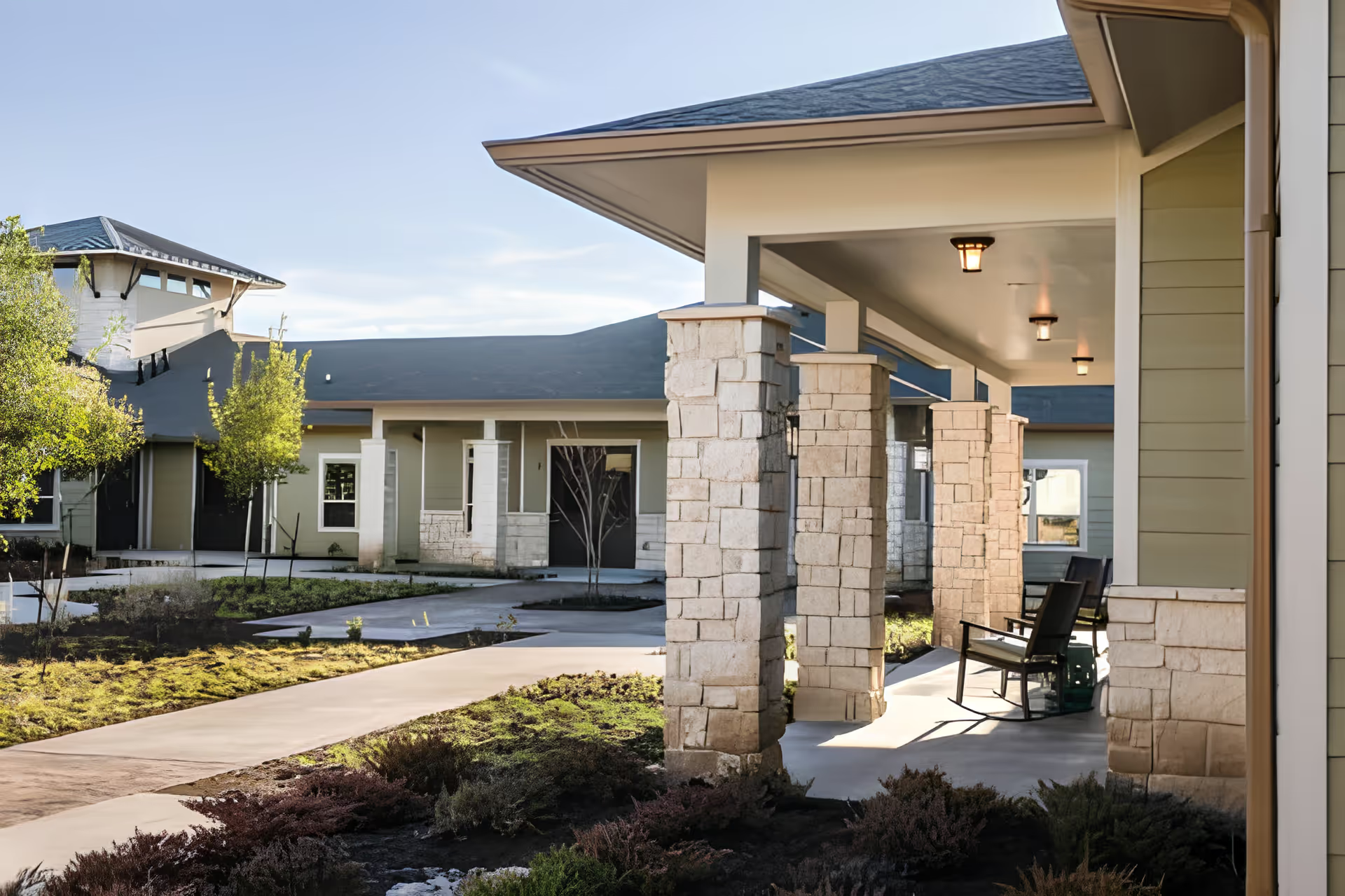
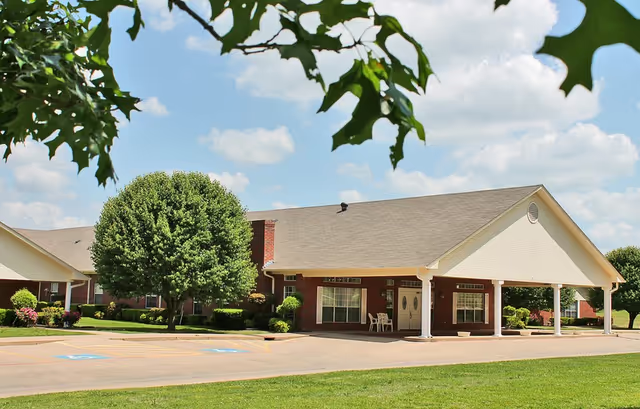
Overall impression: Brookdale Lakeshore is frequently described as a small, home-like assisted living community with a strong emphasis on social programming, hospitality-style dining, and a compassionate caregiver culture. Many families and residents highlight friendly, attentive staff members and a well-kept physical environment that includes pleasant outdoor landscaping, a sunroom, theater/game room, and secure keypad access. The community offers included services such as meals, weekly housekeeping, and laundry, as well as respite and trial-stay options that appeal to families evaluating long-term placement.
Care and staff: Numerous comments praise individual caregivers and managers for being responsive, kind, and engaged; several reviews name specific staff as sources of comfort and effective coordination. At the same time, there are repeated operational concerns about inconsistent staffing levels (particularly overnight or off-shift), variable responsiveness to family requests, and occasional medication- and documentation-related errors. Reviewers also raised concerns about the reliability of emergency response and clinical incident follow-through. Families considering Brookdale Lakeshore should clarify staffing ratios, after-hours coverage, medication-administration protocols, and incident-communication procedures during tours.
Dining: Dining is a consistent strength for many residents. The community emphasizes chef- and dietitian-guided menus, attractive dining areas, and meals that several reviewers called delicious and nutritious. However, some families reported uneven meal execution (temperature and portion issues) and would like more flexibility in meal plans and timing. Prospective residents with specific dietary preferences or those who may eat irregularly should review menu samples and mealtime options.
Activities and social life: Activity programming is robust and varied, including outings to shops and cultural venues, exercise classes, arts and games, movie afternoons, and seasonal/holiday celebrations. The smaller community size appears to support frequent social interaction and familiar relationships among residents. That said, there are comments about inconsistent activity scheduling and a need for more one-on-one engagement for residents with advanced cognitive impairment. Confirm how the activity calendar is customized for different ability levels and how staff support individual participation.
Facilities and accommodations: The facility is regularly described as clean, well-maintained, and attractively landscaped, with secure entry systems and communal spaces that foster a home-like feel. Apartment sizes vary; some residents find units comfortable for single occupancy, while others find them small and limited in storage. Residents typically provide their own furnishings; families should assess space, storage, and pet accommodation needs during a visit. Reviewers also noted that certain clinical needs (for example, being fully bedridden) may require relocation or additional care arrangements, so verify policies for changes in care level.
Management, fees, and patterns to verify: Management receives mixed feedback—many families commend responsiveness and hands-on leadership, while some report communication lapses, confusion around move-in timing, and concerns about rent increases and extra charges for clinical services. There is at least one serious allegation concerning move-in handling that families should explore directly with management. Prospective residents should request a clear fee schedule that identifies what is included versus billed separately (medication management, incontinence supplies, visiting clinician fees), ask about their move-in protocol, and review recent incident logs or licensure history if available.
Who this may fit best: Brookdale Lakeshore may be a good fit for older adults and families seeking a smaller, social assisted living environment with structured activities, strong dining, and a personable staff culture. Families with members who have more complex clinical needs, require frequent physician availability, or need dedicated memory-care services should evaluate clinical staffing, after-hours coverage, and the community’s capacity to meet escalating care needs before committing.
Recommendations for families touring the community: ask about staffing ratios by shift and night coverage; review medication administration and incident-response protocols; request sample menus and meal scheduling flexibility; inspect a model apartment for usable space and storage; verify which services trigger additional fees; and meet the activity director to understand how programming is individualized.