Overall impression John Knox Village presents as a well‑established life‑care community with many residents and families reporting strong long‑term satisfaction. The campus offers a full continuum of care — independent living, assisted living and a skilled nursing center — which many families cite as a decisive advantage for planning and continuity. Communal amenities, remodeled housing options and attractive landscaping contribute to a home‑like atmosphere that residents describe as maintenance‑free and engaging.
Care quality and clinical services Reviewers praise the caring and attentive nature of much of the caregiving staff and highlight the availability of skilled nursing on campus. The lifecare structure and on‑site health center are repeatedly mentioned as strengths because they simplify transitions when care needs increase. At the same time, families should be aware of operational limits: reviewers describe instances where the clinical unit did not accept certain higher‑acuity or behavioral residents, and there is no dedicated memory‑care (Alzheimer’s) unit on campus. Additionally, there are gaps reported in clinical‑incident response and communication with families; at least one allegation of inappropriate staff conduct was raised and warrants further inquiry during a tour and intake conversations.
Staffing, management and communication Many reviews emphasize compassionate, helpful staff and note strong leadership availability, including a director who is perceived as responsive and supportive during medical situations. However, the facility also shows patterns of inconsistent staff engagement and communication tone; families described episodes of loud disputes among staff and instances where staff responses felt detached. Operational weaknesses include call‑transfer problems and internal communication breakdowns that can affect responsiveness. Prospective residents should ask about staff training, incident escalation protocols and typical staff‑to‑resident ratios for the unit they are considering.
Dining, activities and daily life Dining receives generally positive comments: meals are frequently described as freshly prepared and enjoyable, though a few reviews characterize food as merely satisfactory. The community is active, with clubs, hobbies, regular events and easy access to outdoor activities (including nearby parks and street events). Social programming has at times been curtailed during infection‑control periods, which some residents and families noted; prospective residents should inquire about current programming levels and contingency plans for future public‑health events.
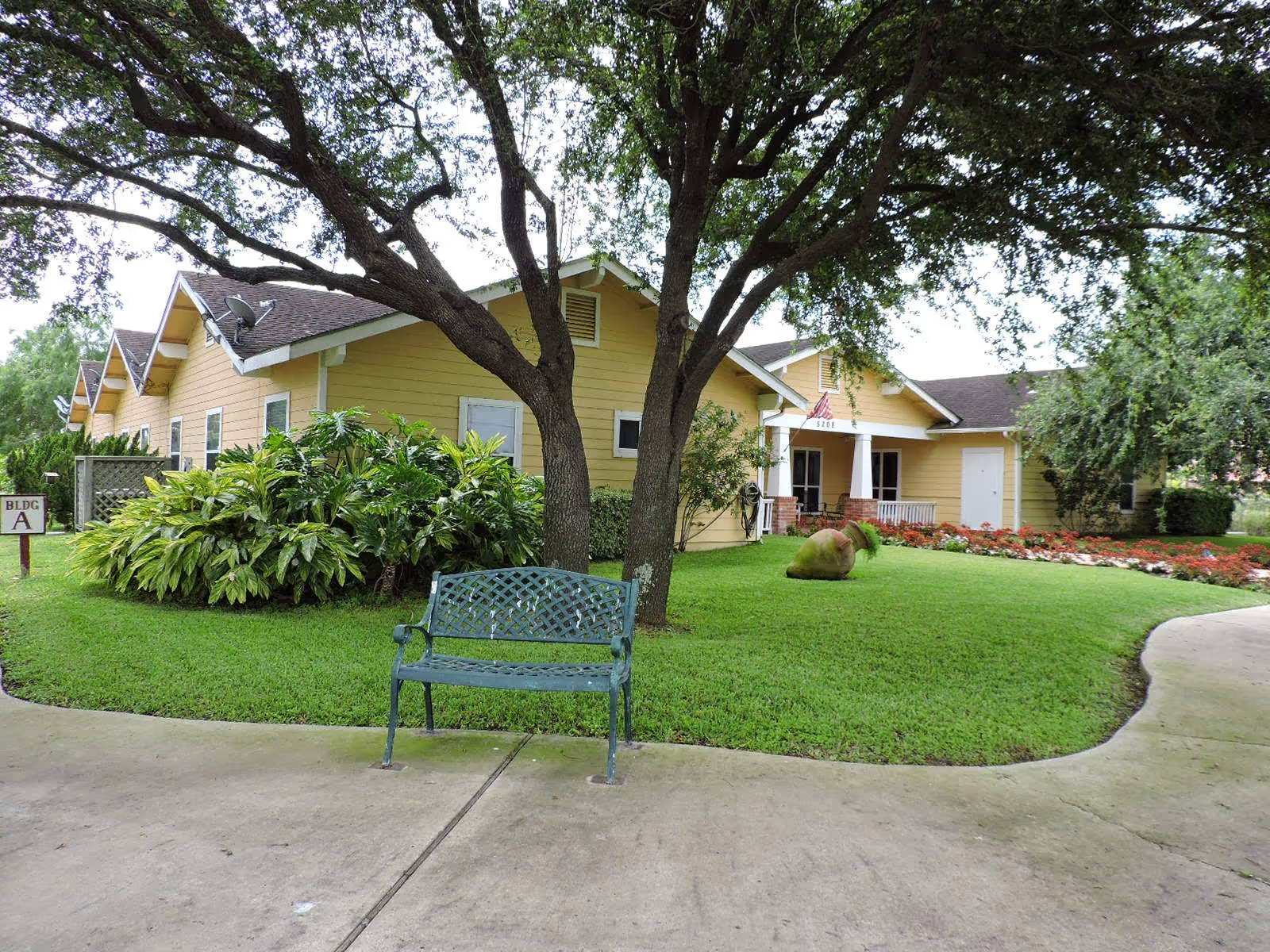
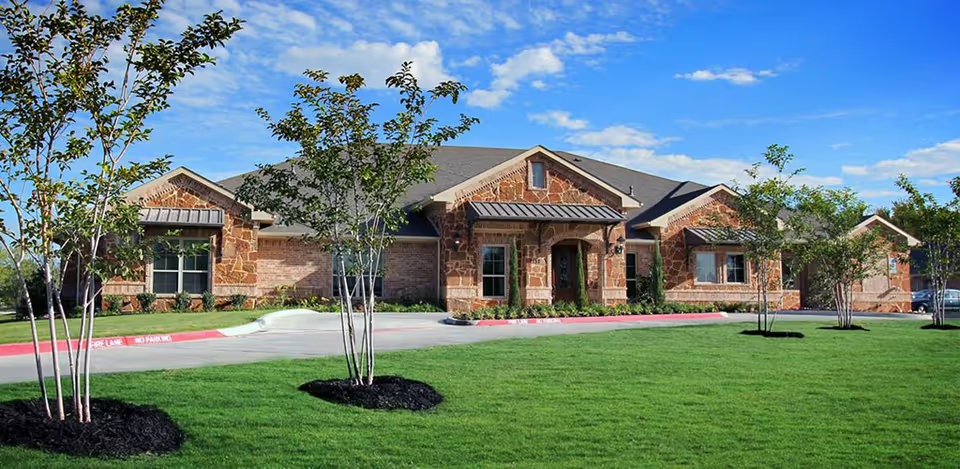
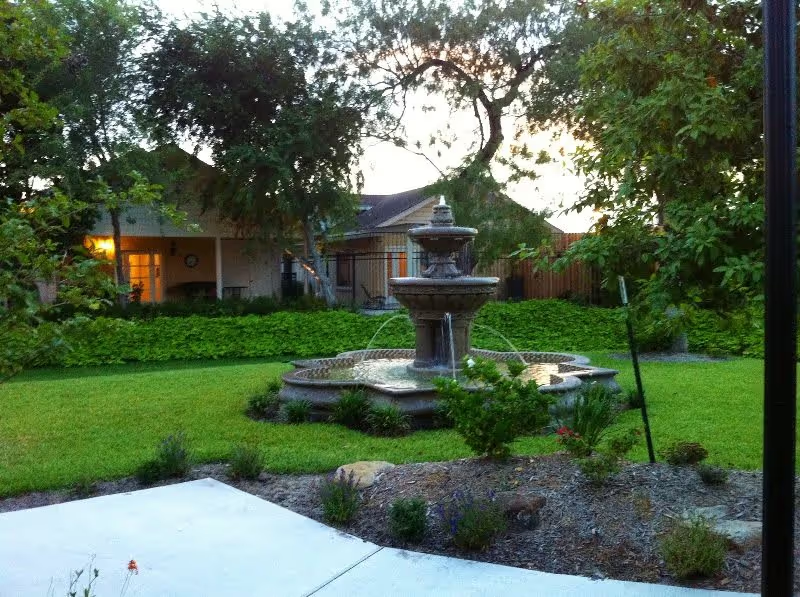
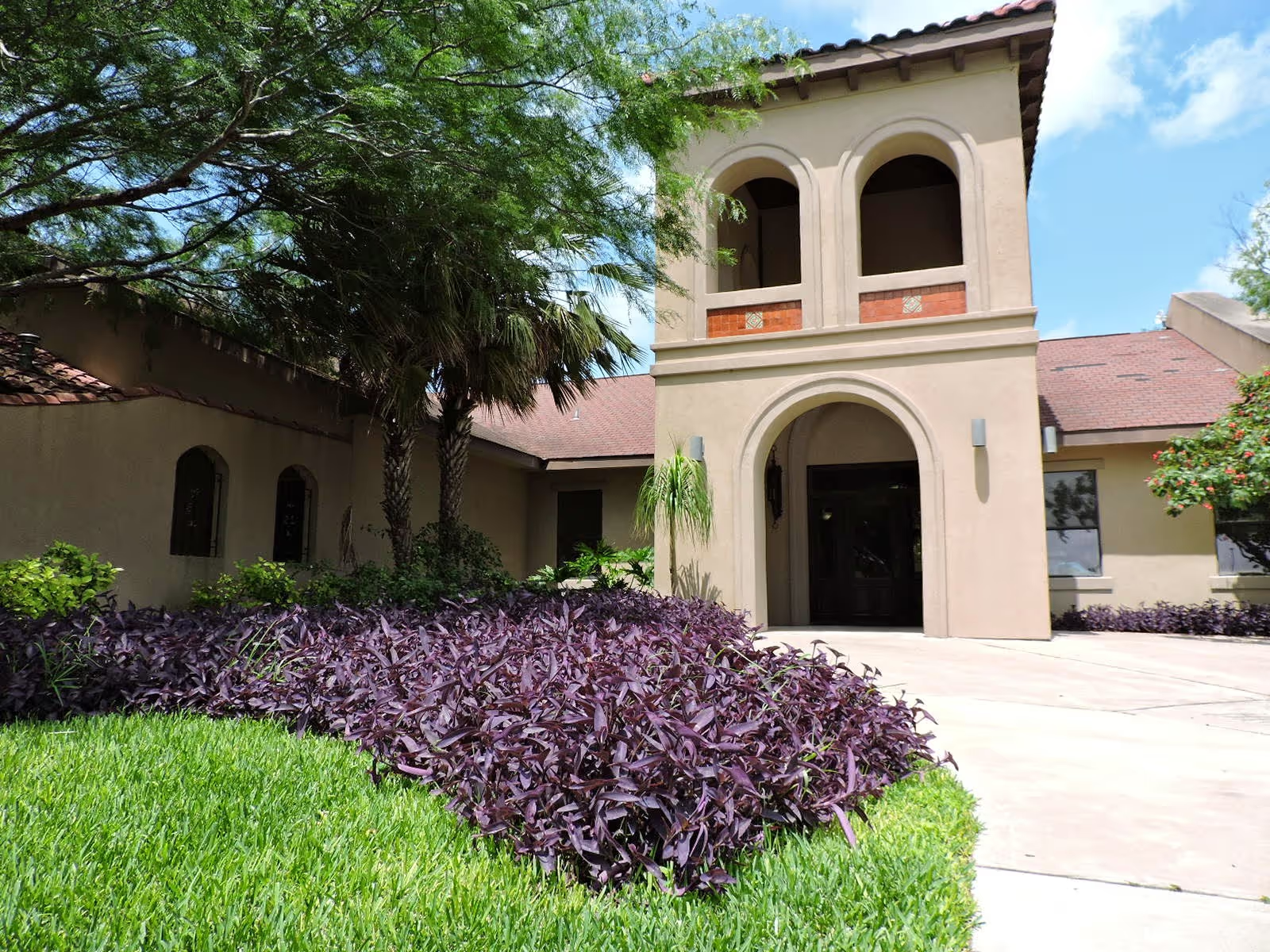
Facilities, maintenance and campus environment Facilities are highlighted as a strength: remodeled garden cottages, private patios, kitchenettes in apartments and attractive grounds recur in reviews. Practical features such as RV/boat parking and convenient location are also seen as positives. Operational concerns include uneven maintenance responsiveness and periodic sanitation and odor issues in certain clinical areas. Smoking policy enforcement and occasional staff‑related odors were also mentioned as matters families may want to review.
Value and final considerations Many families describe John Knox Village as a good long‑term choice that provides peace of mind under a life‑care model, with several residents remaining for years and forming strong social connections. At the same time, some families expressed that costs did not always align with expectations for service or responsiveness. For a responsible evaluation, visitors should tour multiple unit types, meet clinical and activity staff, review policies on memory care and behavioral admissions, ask about incident response and communication procedures, and clarify maintenance and smoking‑policy enforcement. Doing so will help determine whether the community’s strengths align with an individual’s clinical needs and family priorities.