Reviewer feedback for Valley Grande Manor Nursing and Rehabilitation is mixed, with clear strengths in therapy, activities, and many aspects of hands-on caregiving, alongside recurring operational concerns affecting family trust. Several reviews highlight the facility's therapy capabilities — physical, occupational, and speech therapy — and an effective outpatient rehab department. Many families and residents praised nursing aides and activity staff for creating a friendly, engaging environment, noting frequent outings, monthly live-music events, dance opportunities, and a buffet-style approach to meals that some found appealing.
Care quality perceptions vary. Positive comments emphasize attentive, compassionate nursing and aides that make residents feel valued, and some families credited the staff with meaningful recoveries. At the same time, other reviews describe inconsistent day-to-day care: complaints about inadequate feeding assistance or weight loss, delays in clinical follow-up, and interruptions in communication with physicians and dietitians. These patterns suggest variability in clinical coordination and in the consistency of basic care tasks rather than uniform performance across the facility.
Staffing and management are key areas of divergence. Multiple accounts praise individual caregivers and the activity team, but others point to high staff turnover, instances of unprofessional conduct, and a perception that management does not adequately address concerns. Operational weaknesses reported include delayed family notifications after incidents and difficulty obtaining clear information from clinical or administrative leaders. There are also isolated serious allegations involving resident-safety events and police involvement; these items stand apart from general care-quality comments and should prompt direct inquiry by prospective families.
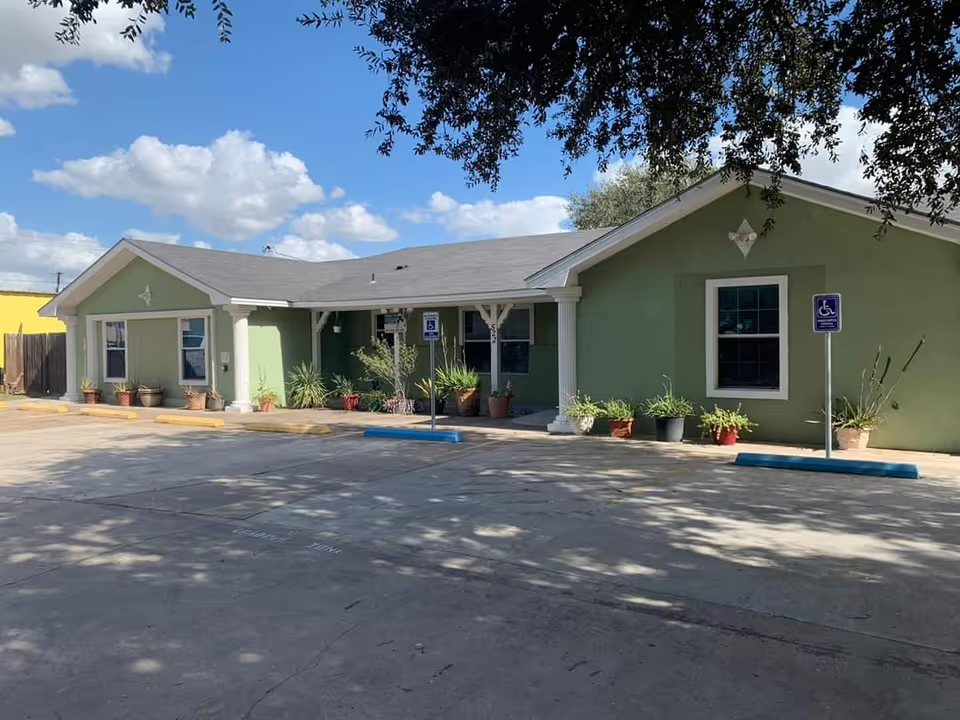
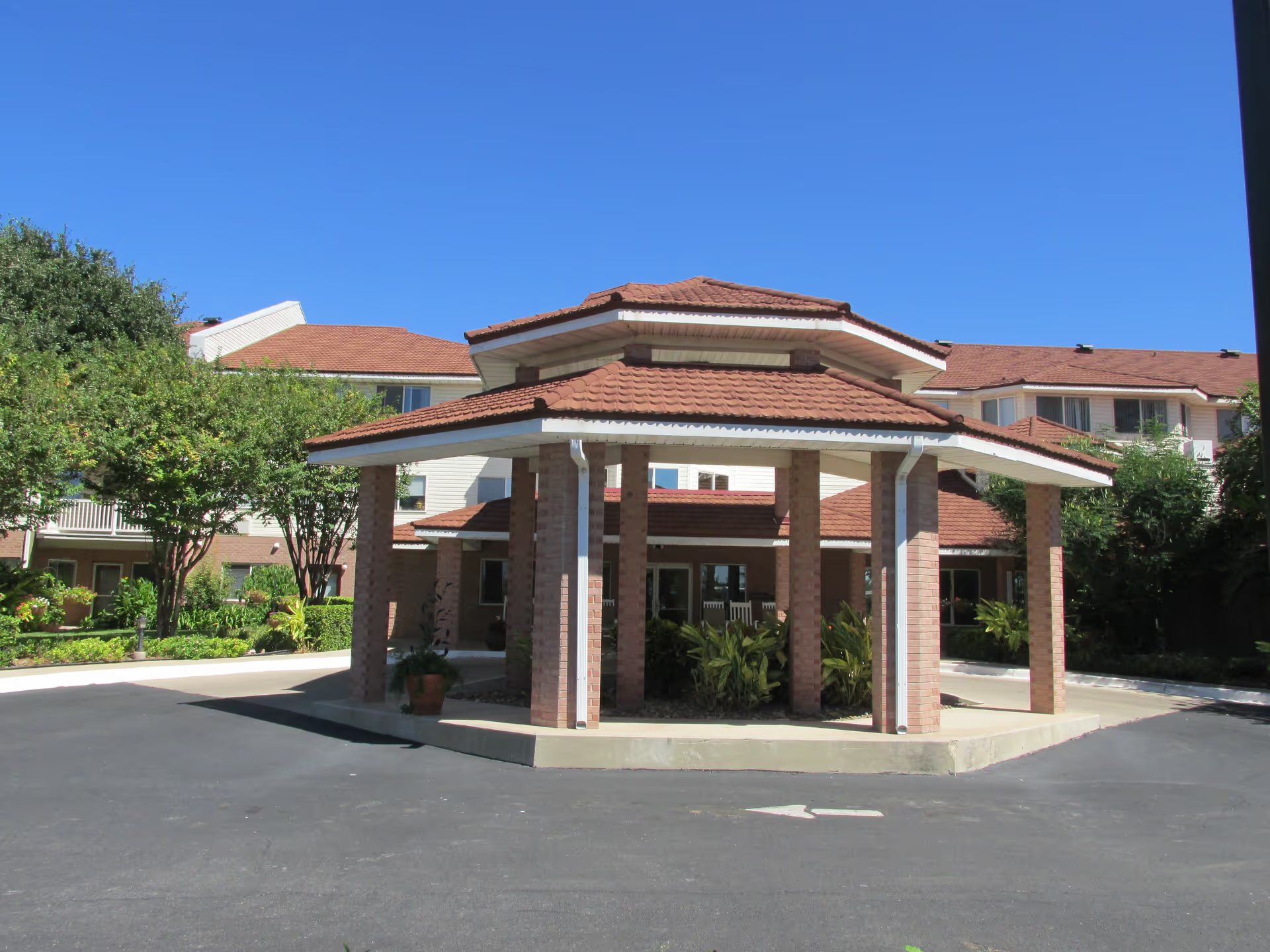
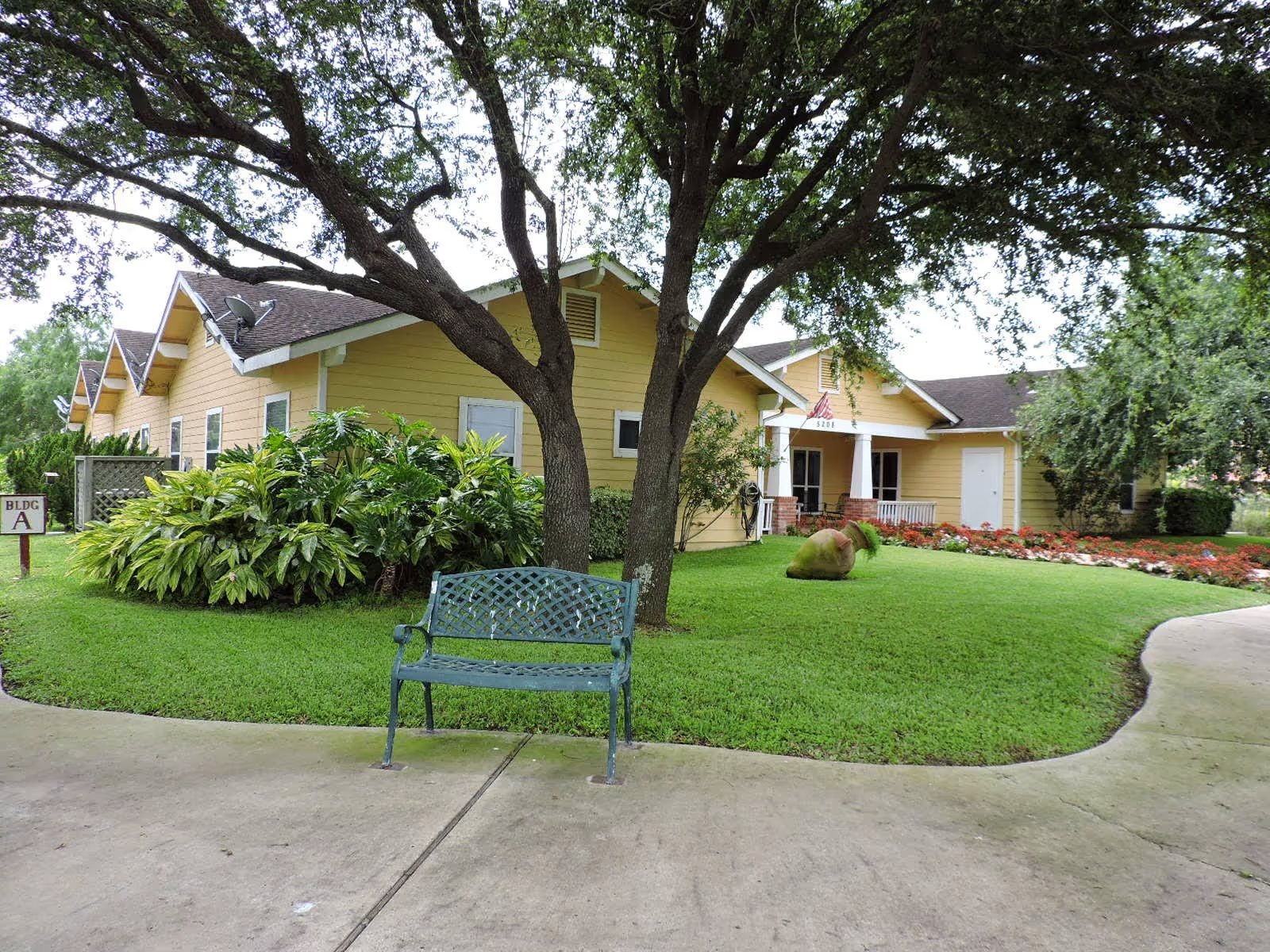
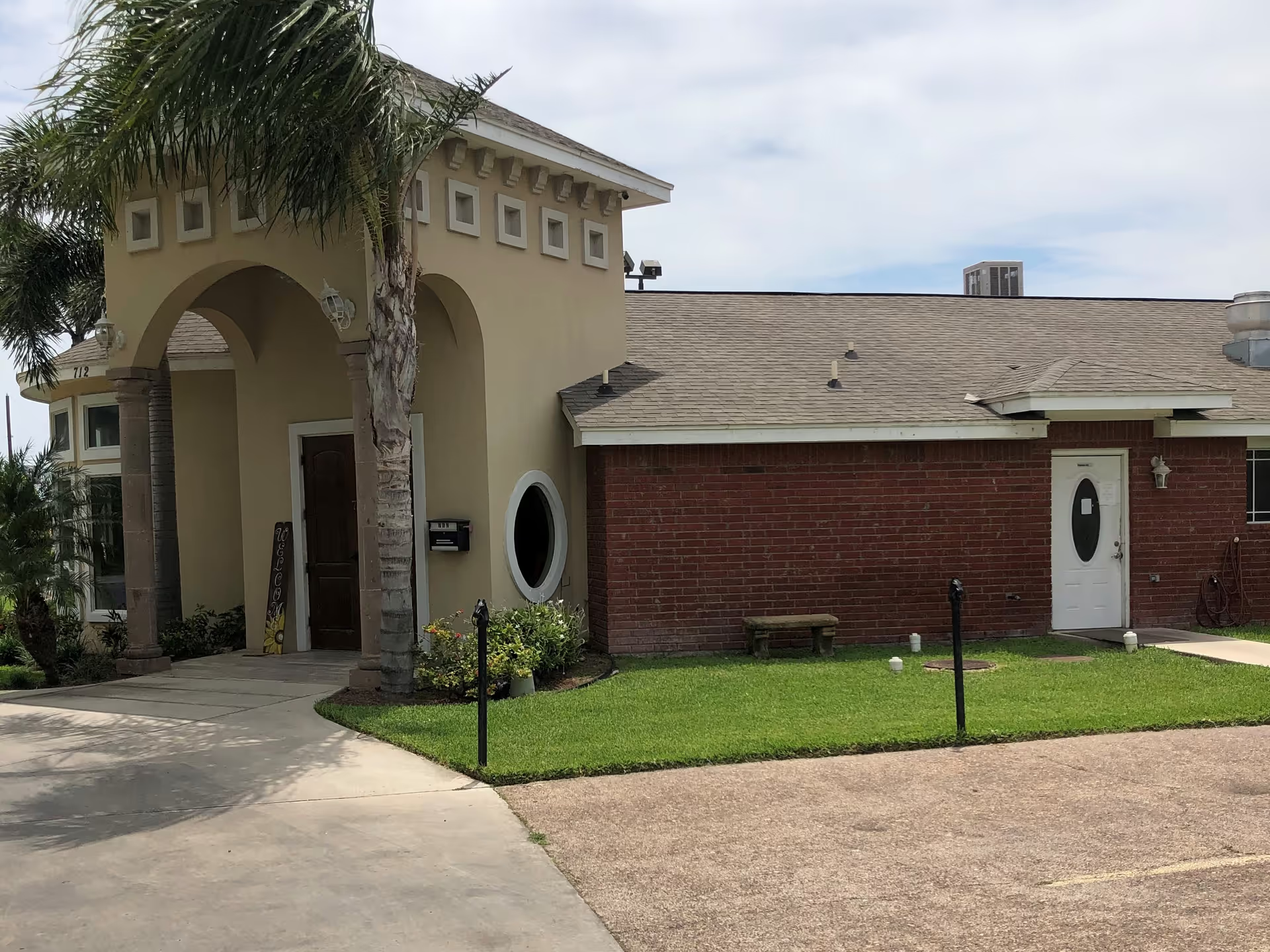
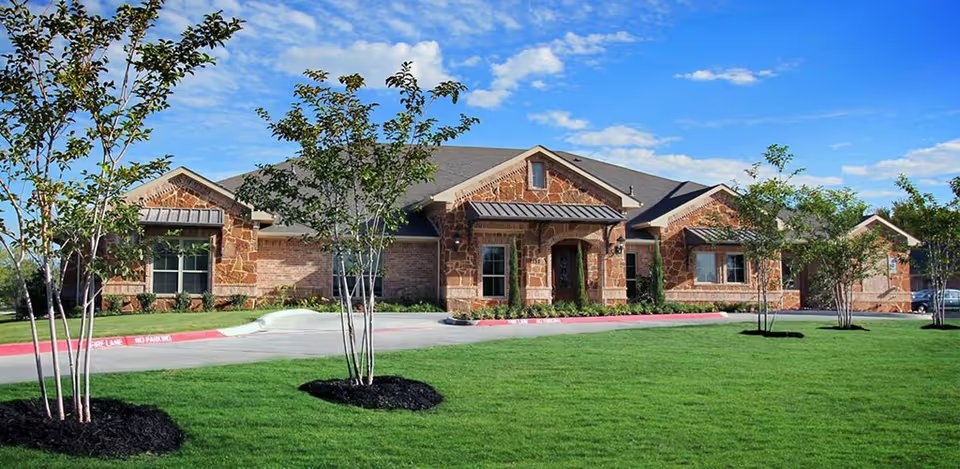
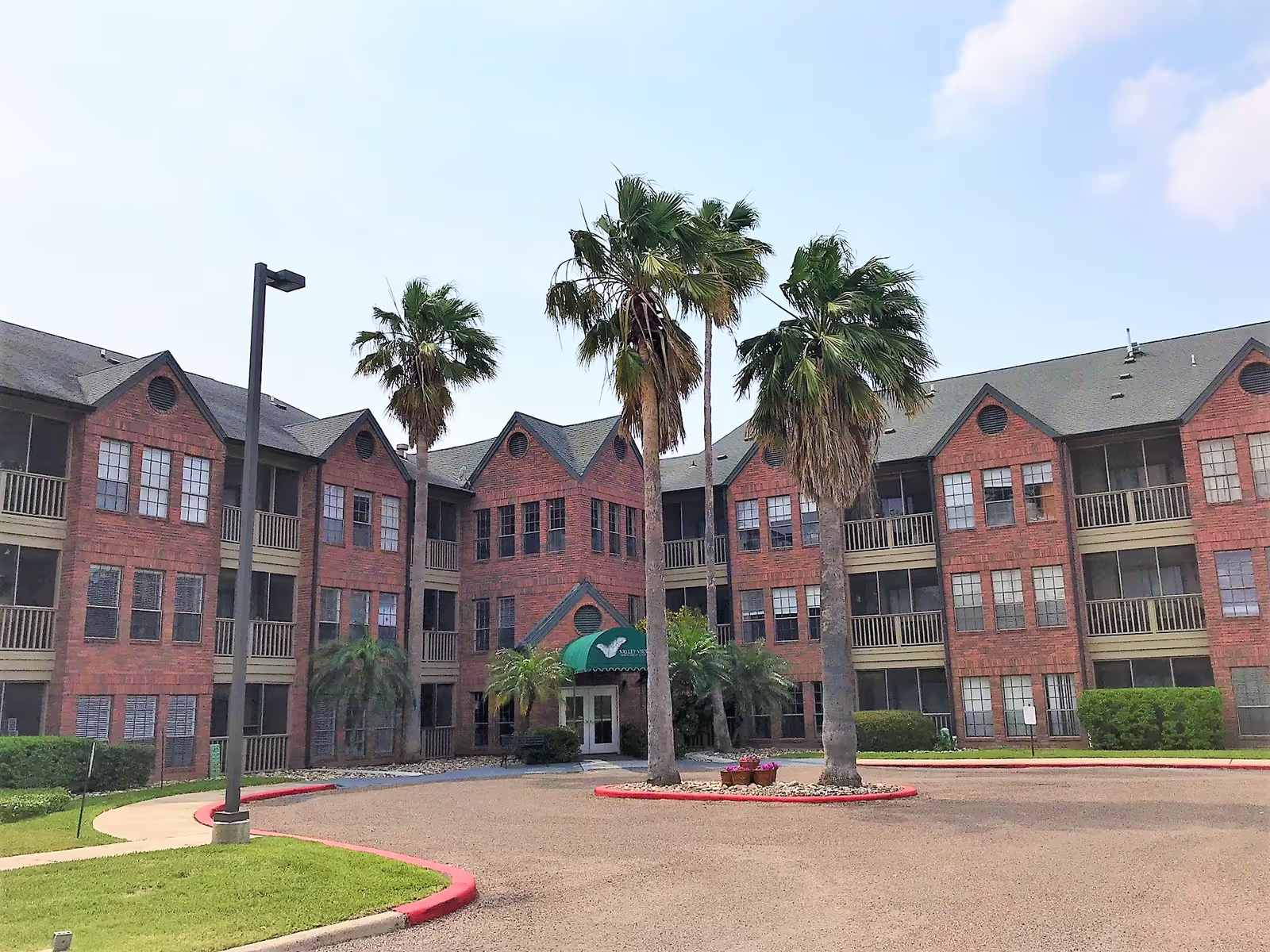
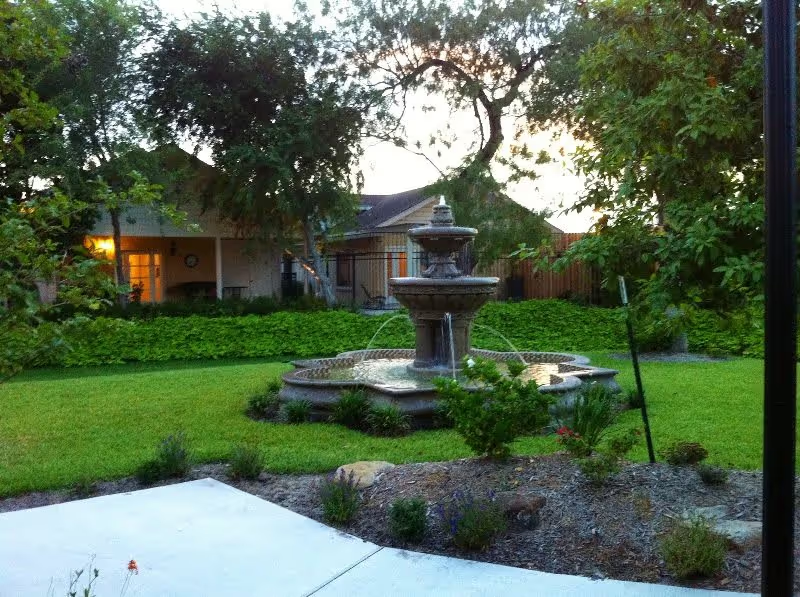
Dining, sanitation, and facility condition elicit mixed reactions. Some reviewers describe enjoyable meal options and a pleasant dining format, while others note cold meals, inconsistent meal quality, and concerns about feeding assistance. Facility appearance is likewise variable in the feedback: several comments describe a welcoming, attractive environment with smiling residents, whereas others cite outdated areas and specific cleanliness or restroom maintenance concerns.
Infection-control and safety processes were emphasized by reviewers on both sides: some families appreciated visible COVID precautions and recovered relatives, while others raised concerns about infection-control adherence, including claims that symptomatic staff continued to work. This inconsistency in practice and communication is an operational risk area that prospective families should clarify directly with facility leadership.
Overall, Valley Grande Manor demonstrates clear strengths in rehabilitative services and in creating an active social program, supported by committed caregiving staff in many cases. However, recurring themes of inconsistent staffing, gaps in clinical and incident communication, management responsiveness issues, and variable facility upkeep suggest prospective residents and families should perform targeted due diligence. Recommended inquiries during a tour or admission discussion include current staffing levels and turnover rates, specific infection-control policies, protocols for incident notification and family communication, care-plan coordination between nursing and therapy teams, and dining-assistance practices for residents with feeding or weight concerns.