Overall impression: Bel Aire Senior Living is described by many families as a small, home‑like community with a strong emphasis on personalized attention, compassionate caregiving, and value-oriented pricing. Reviewers frequently highlight a clean, well‑decorated environment, well‑kept grounds and courtyard, and an activity program that includes off‑site outings, musical performances, games, and therapeutic offerings. The facility appears to serve both assisted‑living and memory‑care populations and is noted for its dementia expertise and ability to coordinate smooth transitions to hospice and memory care when needed.
Care and staff: Caregiving staff are repeatedly characterized as kind, attentive, and emotionally engaged with residents; several reviewers describe staff members who involve families in care decisions and who provide individualized attention. On‑site nursing and care coordination support are available, and staff assistance with insurance/Medicaid navigation and admissions is commonly reported. At the same time, there are recurring concerns about staffing stability and responsiveness. Reviewers describe periods of staffing shortages, slower call‑response times, inconsistent assistance with bathing, and at least a few instances that imply gaps in clinical device management (for example, oxygen concentrator management). These items suggest variability in clinical reliability that prospective families should assess directly with management.
Dining: Meal service is often praised for generous portions and pleasant presentation; many residents and families describe nutritious, plentiful meals and in‑room dining options. However, reviewers also note uneven food quality across time or units, with some finding the kitchen less impressive. Prospective residents should ask about sample menus, special‑diet accommodations, and consistency of meal service.
Activities and social life: The community offers an active programming slate—bus trips, musical and church services, bingo, exercise and walking groups, book club, salon services, and occasional special events. For many residents this provides meaningful social and recreational stimulation. A counterpoint in some reviews is that, because the facility is small, common areas and the resident population size can limit spontaneous socializing; a few families felt activity levels or resident interaction were lower than at larger peers.
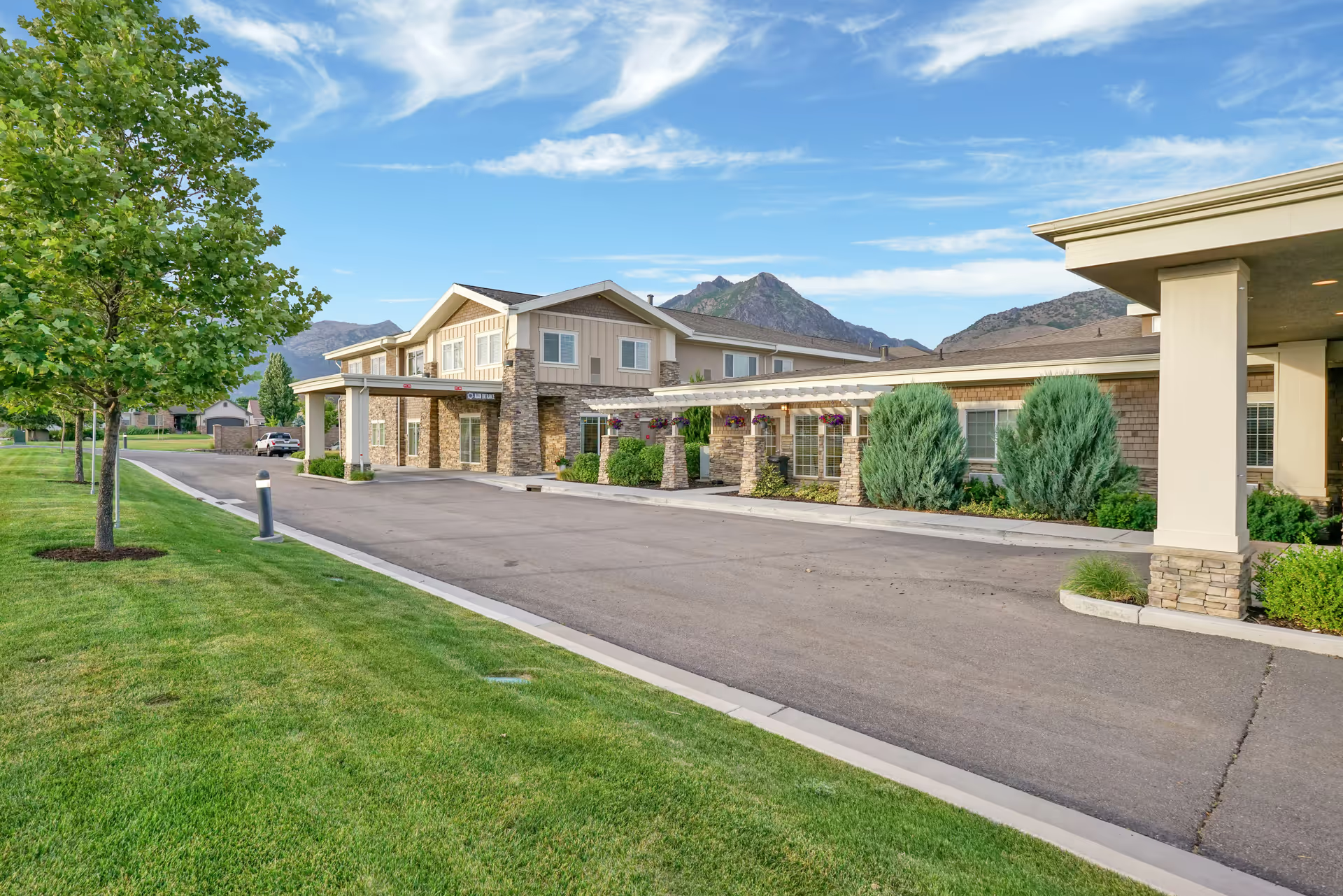
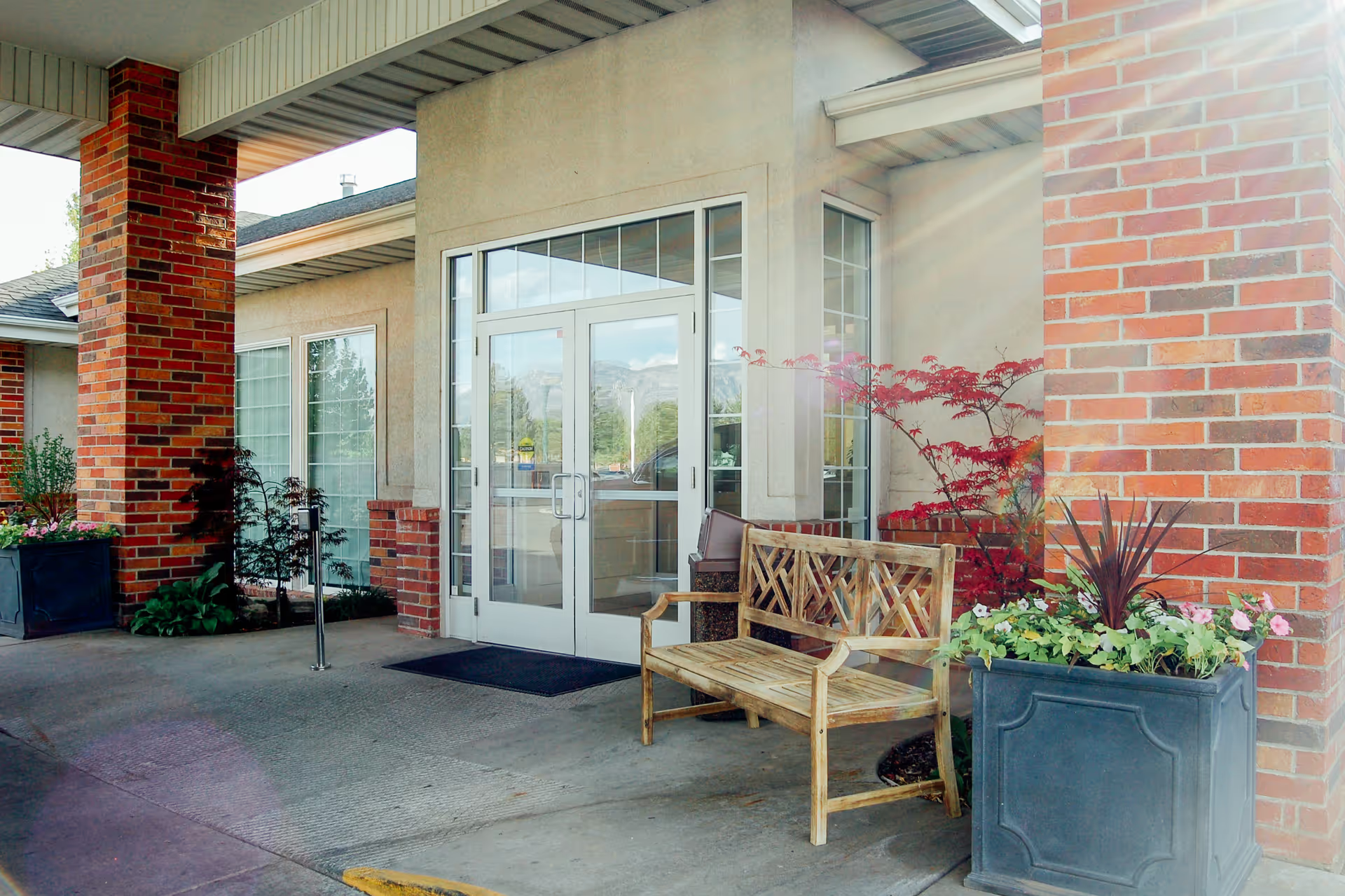
Facilities and accessibility: Physical plant impressions are mixed but generally positive. Reviewers describe recently refurbished interiors and individual rooms with large windows and views, as well as clean common areas and attractive landscaping. Persistent themes include small bedroom footprints, small bathrooms in some units, shared bathrooms in certain room types, and narrow hallways that can be challenging for wheelchair navigation. The facility is not brand‑new, so prospective residents should verify room dimensions, bathroom arrangements, and accessibility for specific needs.
Management and operations: Management receives credit for being helpful with admissions, financial qualification, and insurance navigation; families often cite smooth transitions and clear coordination of doctor visits and appointments. Operational weaknesses raised in reviews include inconsistent family communication in some cases, laundry management problems, occasional billing or supply‑logistics issues, and concerns about workplace culture and staff conduct that have affected a subset of families and employees. These concerns range from tonal/communication issues to reports implying micromanagement; they point to variability in supervisory practices rather than a single uniform pattern.
Notable patterns and advice: The strongest patterns are consistent praise for compassionate staff, memory‑care capability, and a value‑oriented, small‑community model, balanced against recurring operational concerns around staffing consistency, certain aspects of clinical reliability, limited physical space in many rooms and common areas, and occasional management/conduct issues. For families considering Bel Aire, recommended due diligence includes touring specific room types to confirm size and bathroom arrangements, asking for staffing ratios and backup‑staffing plans, inquiring about clinical device protocols (oxygen, batteries, charging), discussing recent staffing trends and call‑response metrics, and requesting examples of how management handles family communication and complaints. Those who prioritize individualized attention, affordability, and an active programming calendar may find the community a good fit; families requiring larger private suites, robust physical accessibility, or guaranteed high staffing continuity should verify those elements before committing.