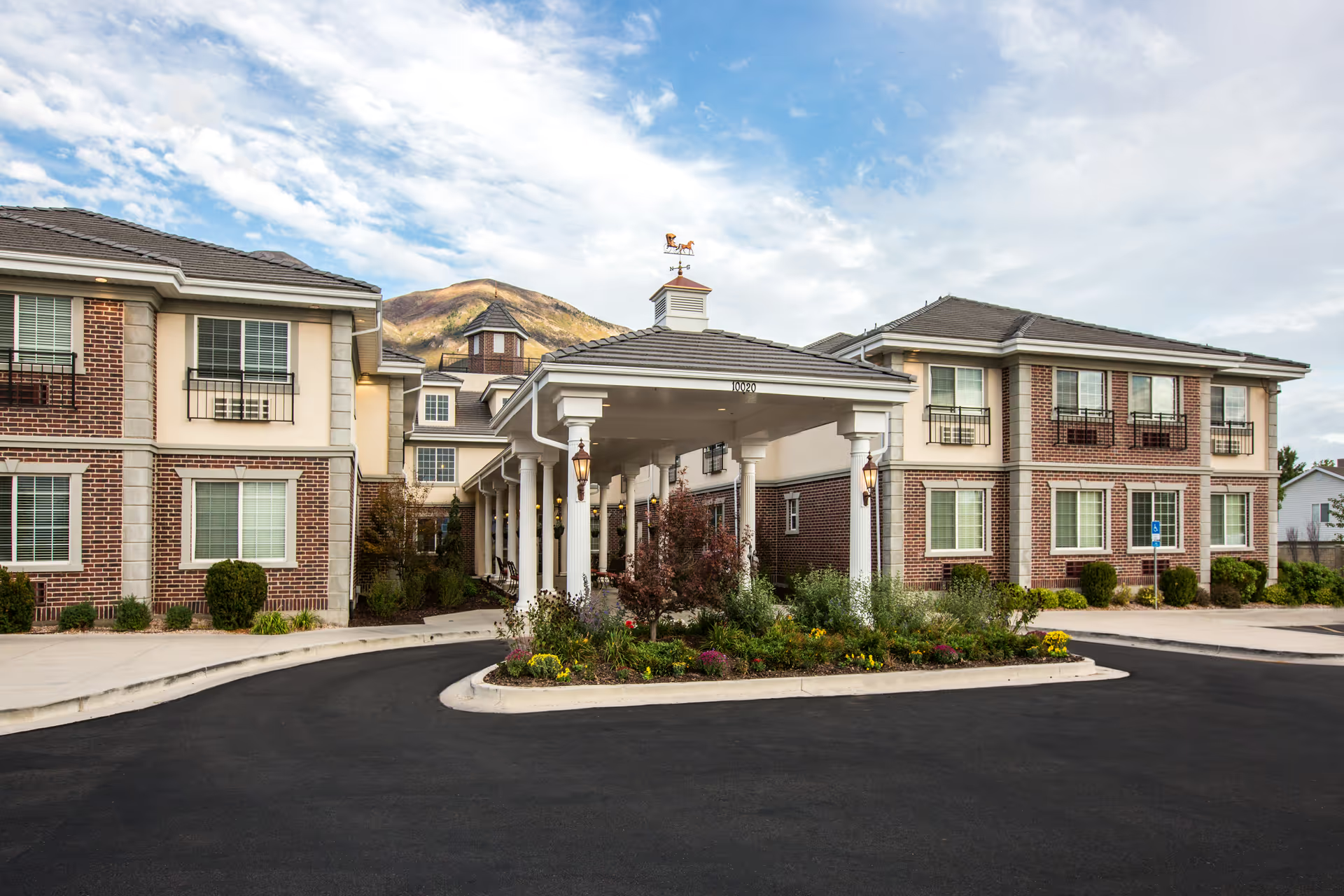
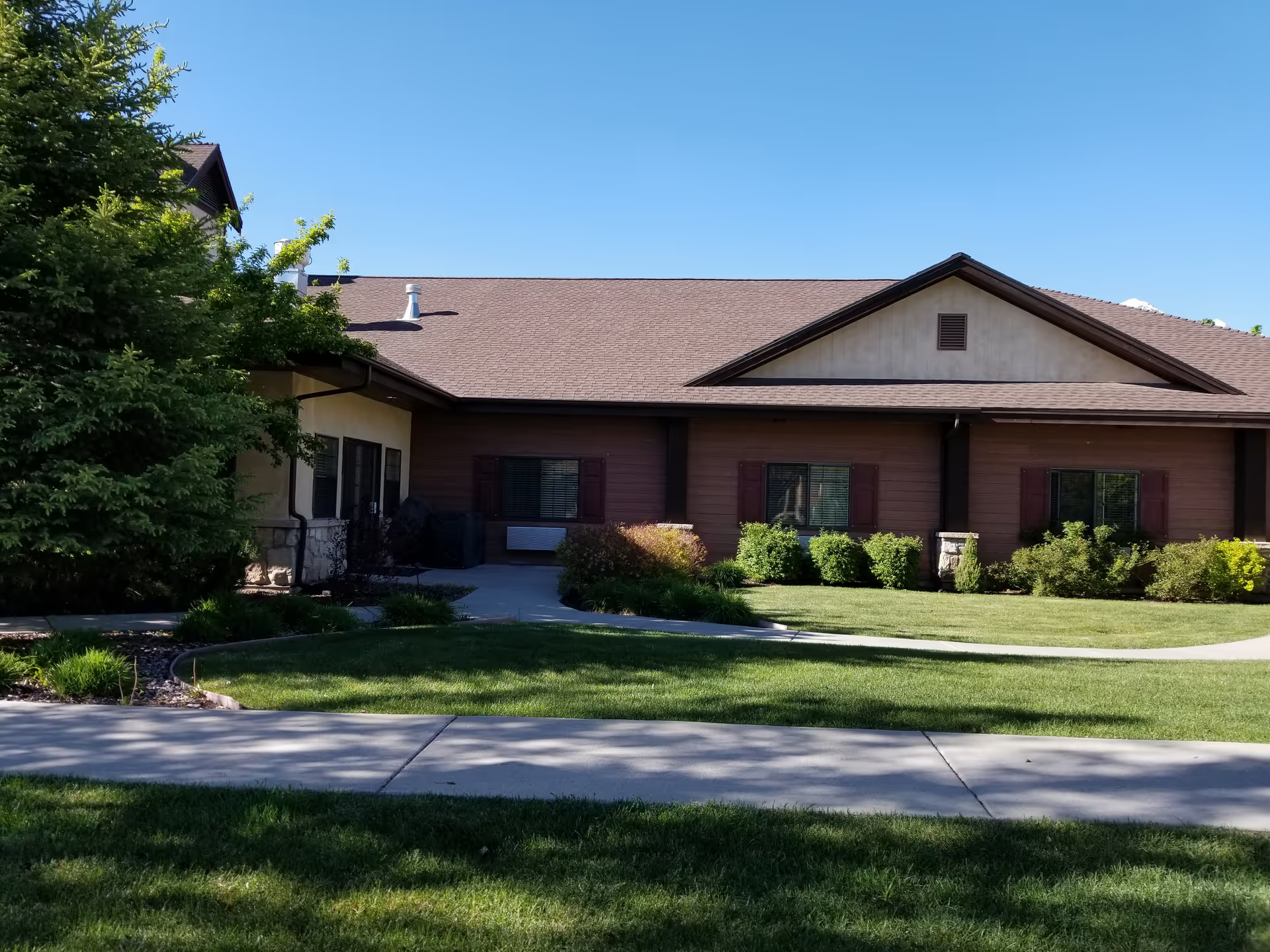
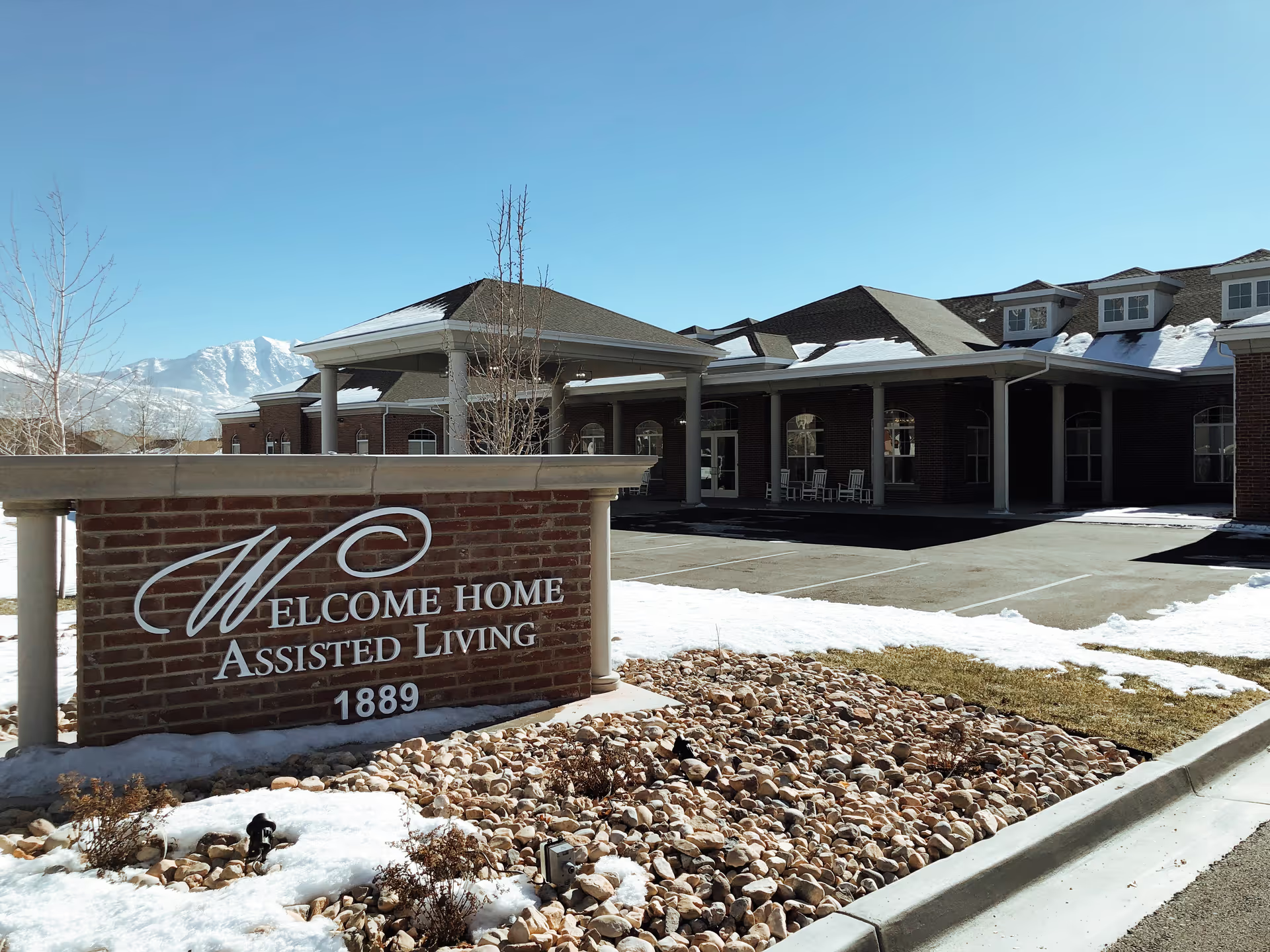
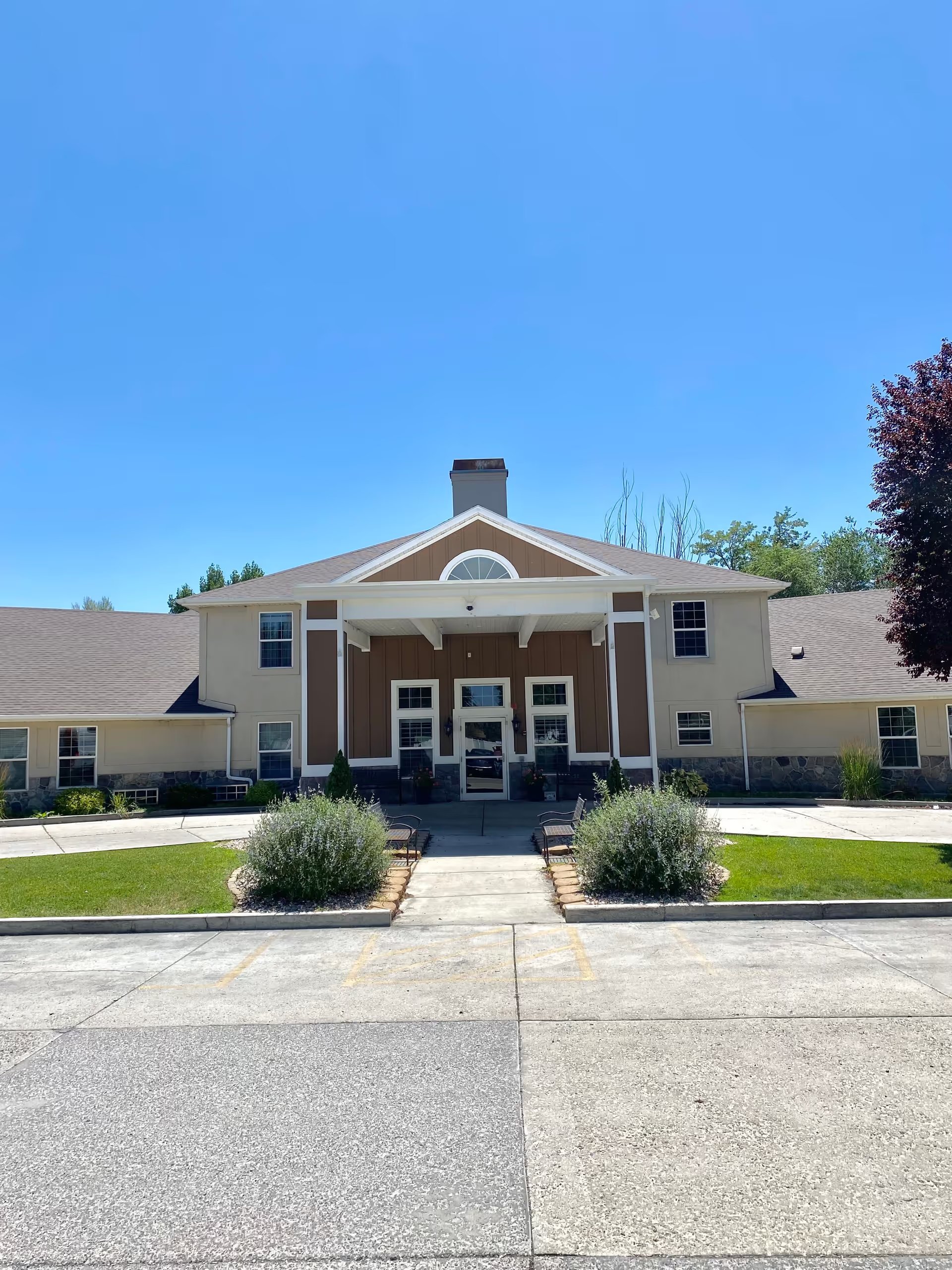
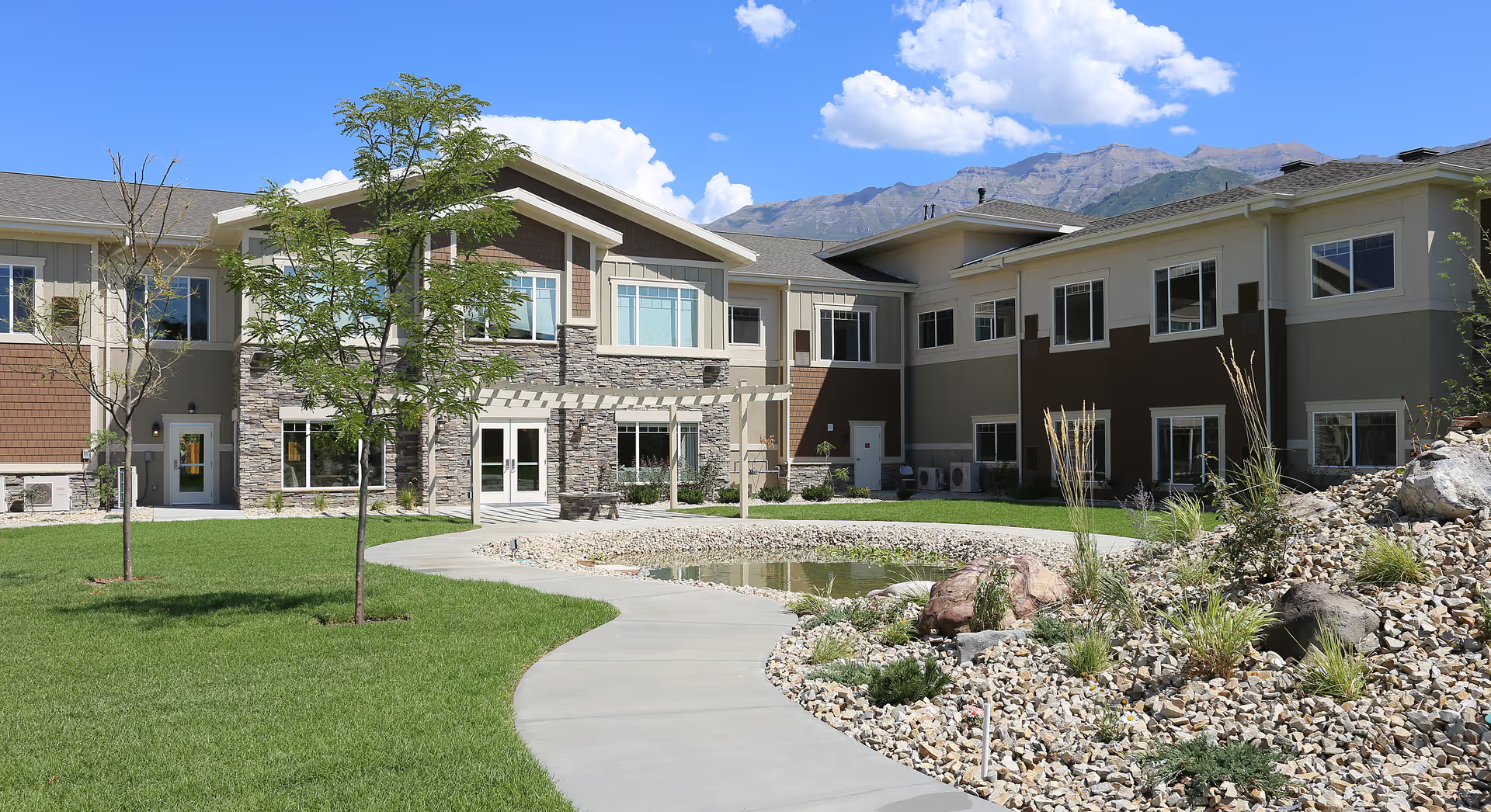
Highland Glen presents as a well-appointed, relatively new senior living community with consistent strengths across caregiving, amenities, programming, and dining. Reviewers consistently describe a clean, well‑maintained environment with attractive common spaces (fireplaces, gardens, water features) and comfortable resident apartments. The memory care wing is frequently highlighted as spacious, tastefully decorated, and professionally staffed; families report smooth transitions into memory care and active, tailored programming for residents with dementia.
Care quality and staff engagement are central positive themes. Many families emphasize compassionate, family‑style caregiving, long staff tenure, and hands‑on leadership from nursing and administrative staff. Clinical supports including med techs, nursing oversight, and in‑house therapy are mentioned positively; pandemic-era infection‑control measures and adapted visiting protocols also receive favorable comments. At the same time, a subset of families described delays in clinical response and gaps in communication about medical records or care decisions. These statements point to variability in nursing responsiveness and occasional staffing shortfalls rather than a uniform pattern of poor care.
Dining and activities are major areas of strength. The community is repeatedly credited for scratch‑made meals, a named chef and kitchen team who learn residents’ preferences, and a broad calendar of engagements: exercise classes, art, outings, Bingo, scenic drives, shopping trips, and family events. Reviewers note that activities are creative, frequent, and often encourage family participation. A few comments reflect variable satisfaction with meal quality or personal taste preferences, suggesting occasional inconsistency rather than an overall weakness in the dining program.
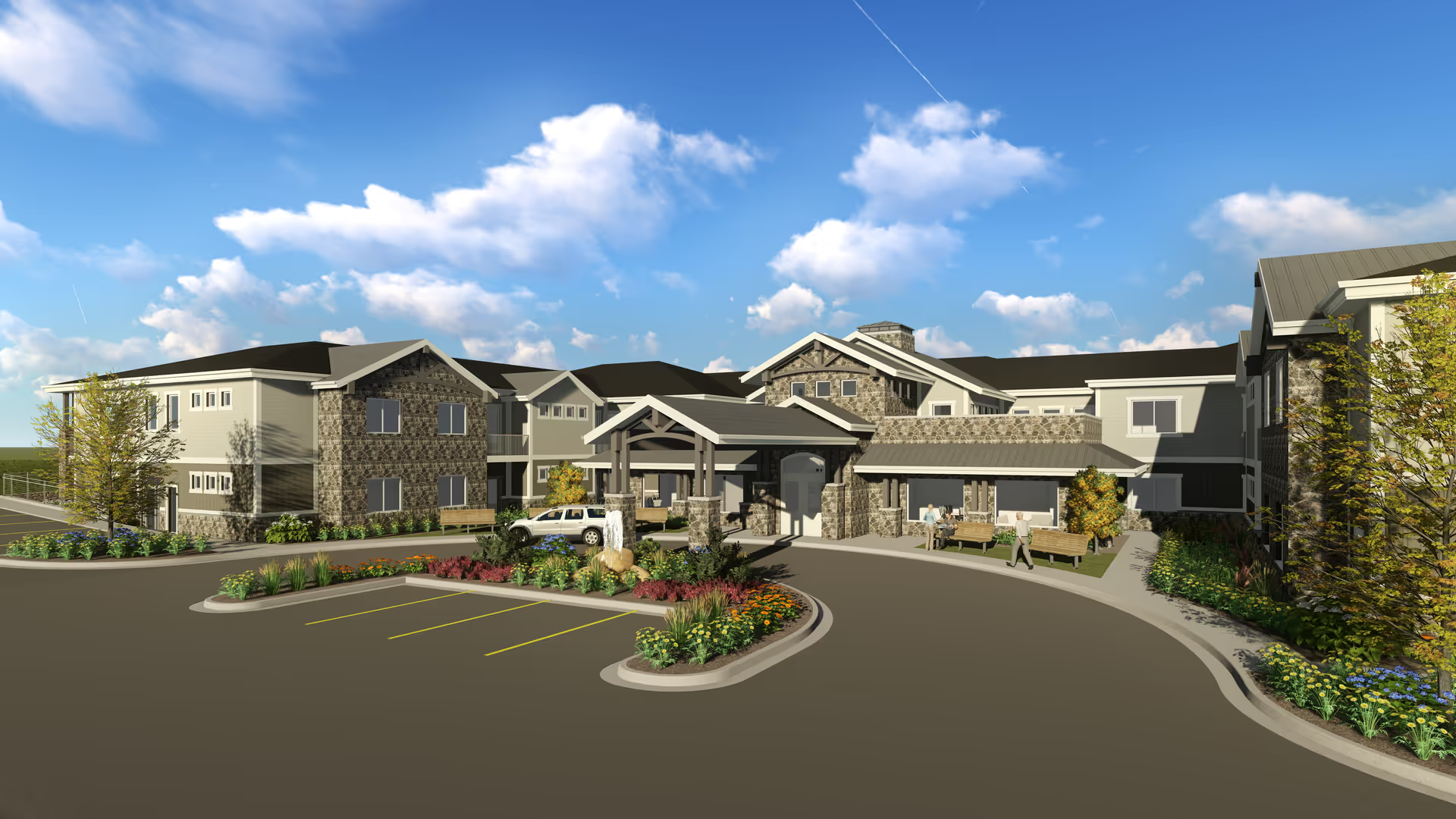
Facilities and location are described as upscale and inviting, with accessible common areas, courtyards, and purposeful design for memory care. Practical limitations raised include a constrained main entry/visitor reception area, limited parking, and proximity to a busy street; independent residents may find fewer dedicated walking paths than some alternative communities. Pricing is commonly characterized as higher than some competitors, reflecting the newer building and level of service.
Management and operations generally receive positive feedback for responsiveness, community culture, and visible leadership involvement. Notable operational concerns that recur at the facility level are variability in staff performance, occasional understaffing that can delay routine checks, intermittent communication lapses with families, and limited coordination of cost-effective medical transport options. These are operational patterns worth confirming with the community during a tour and through direct questions to leadership.
Overall, Highland Glen appears to be a high‑quality, community‑oriented option with strong clinical and activity programming, especially in memory care. Prospective residents and families will likely appreciate the ambiance, menu, and robust activity schedule. At the same time, visitors should evaluate staffing levels at the unit(s) of interest, ask about communication processes for clinical changes and records, and confirm parking/entry logistics and transport arrangements before making a placement decision.