Overall impression The facility elicits a strong, mixed response: many family members and residents emphasize exceptional personal care and a warm, home-like atmosphere, while others identify operational shortfalls that affect day-to-day experience and perceived value. The dominant positive theme is relational — staff are frequently described as caring, memorable, and attentive to individual preferences. At the same time, recurring operational issues around staffing, housekeeping, laundry, and billing create inconsistent experiences across families.
Care and staff Clinical and front-line caregiving receive consistently high marks for compassion, individualized attention, and responsiveness. Families describe nurses and CNAs who remember residents by name, accommodate food and comfort preferences, and provide meaningful emotional support during bereavement and health decline. These strengths contribute to feelings of safety and peace of mind for many. However, reviewers also document staffing shortfalls and turnover that have resulted in delayed assistance for some residents and occasional missed or inconsistent basic-care tasks. That duality — strong individual caregivers but strained staffing levels — is a central operational pattern.
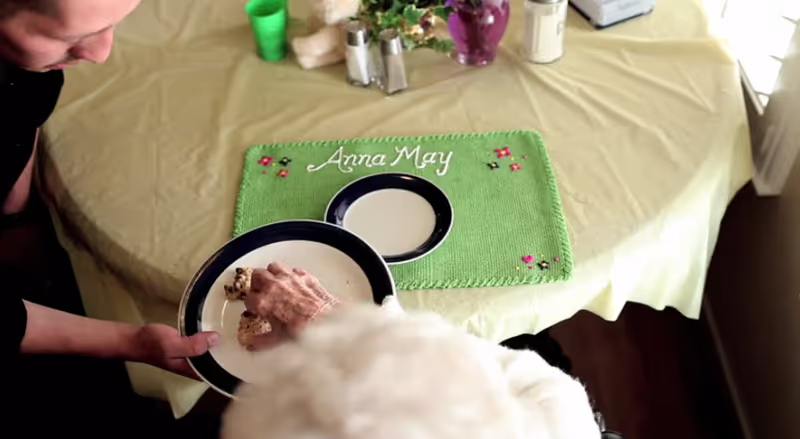
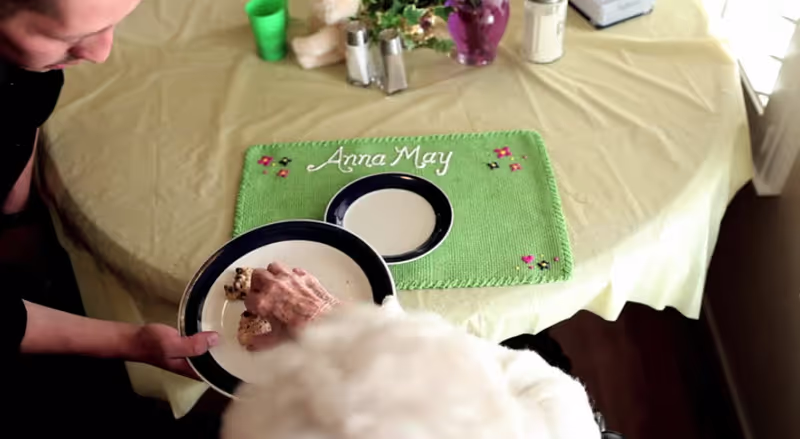
Dining, activities, and resident life Activity programming and social life are often highlighted as strengths: live music, weekly poker, exercise options, and a calendar of events receive positive feedback for engagement and inclusivity. Some residents find the programming lively and well organized; others feel certain activities are not well tailored to adult residents’ preferences. Dining impressions are mixed: several families praise meal presentation, individualized meal preparation (e.g., food cut to need), and helpful staff; others note variability in quality and occasional service lapses. Overall, social engagement is a clear asset, while consistency of meal service is an area for improvement.
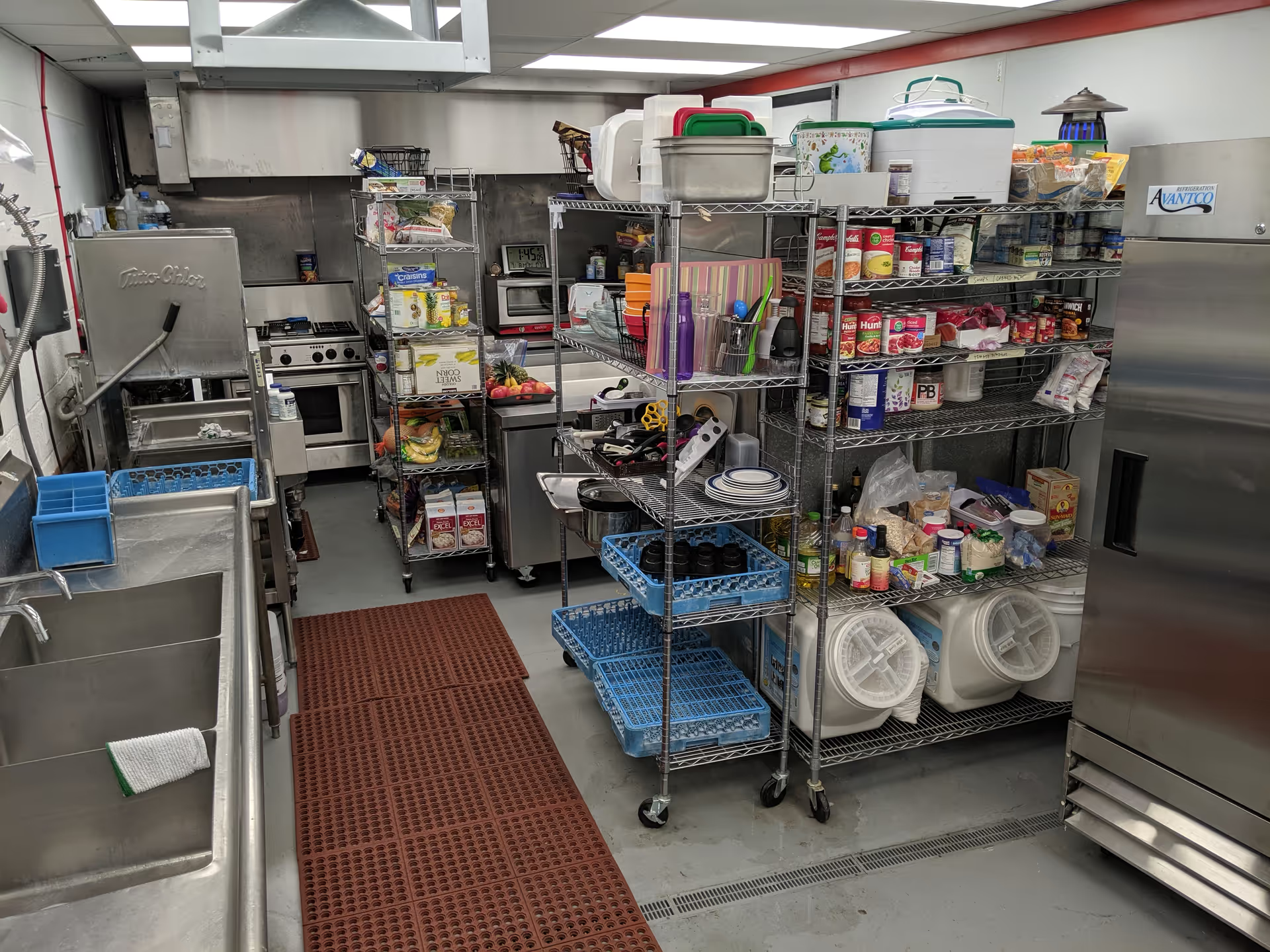
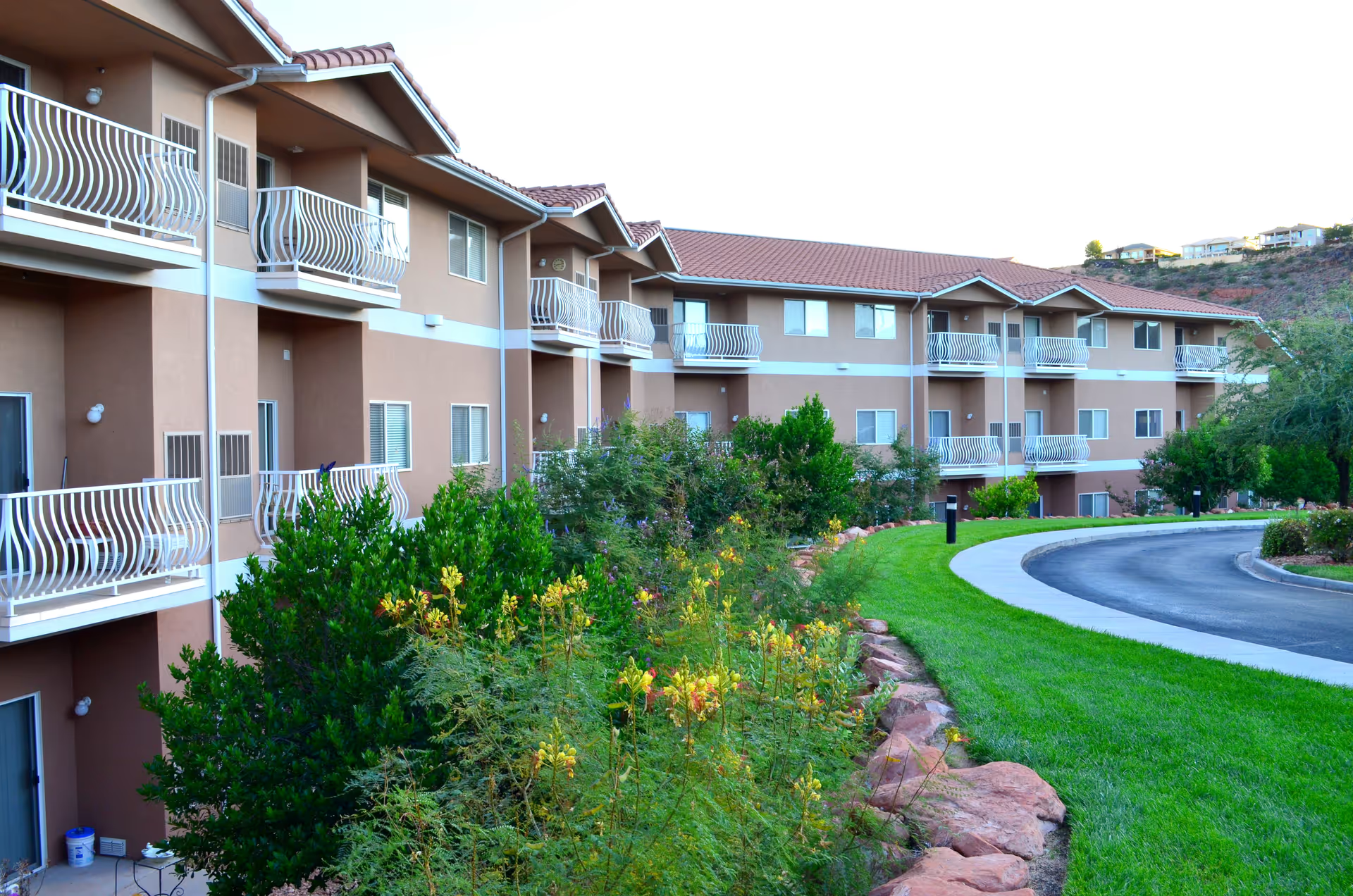
Facilities, housekeeping, and laundry Common areas and the building’s public spaces are frequently described as clean and pleasant, with specific appreciation for the memory-care wing and kitchen facilities. Conversely, housekeeping and laundry operations emerge as recurring operational issues: inconsistencies in room sanitation, missed trash removal, laundry processing errors (wrinkling, color-transfer, delayed returns), and occasional odor concerns in resident rooms are described. These maintenance and environmental-control gaps appear to be linked in part to staffing levels and process controls.
Management, billing, and policies Financial and administrative concerns are prominent. Several families describe opaque billing practices, unexplained fee increases, and late–fee assessments that create financial stress, particularly for private-pay residents. Experiences with administrative responsiveness vary: some families report proactive, communicative management and helpful admissions support; others report difficulty obtaining timely responses from nursing or accounting and unresolved billing questions. The combination of complex contracts, substantial out-of-pocket cost, and variable administrative communication is a notable pattern for prospective residents to evaluate closely.
Notable patterns and decision points For prospective residents and families, the facility’s strengths are personnel- and culture-based: many caregivers provide affectionate, individualized care, and the social environment and memory-care services are assets. Primary operational risks to balance against those strengths are inconsistent housekeeping/laundry, staffing instability that can affect response times, and billing/administrative opacity. If the relational quality of staff and the activity environment are priorities, the facility may be a good fit; if consistent operational processes, transparent billing, and steadier staffing levels are non-negotiable, families should seek direct clarification from management and consider monitoring these areas during a tour or trial stay.