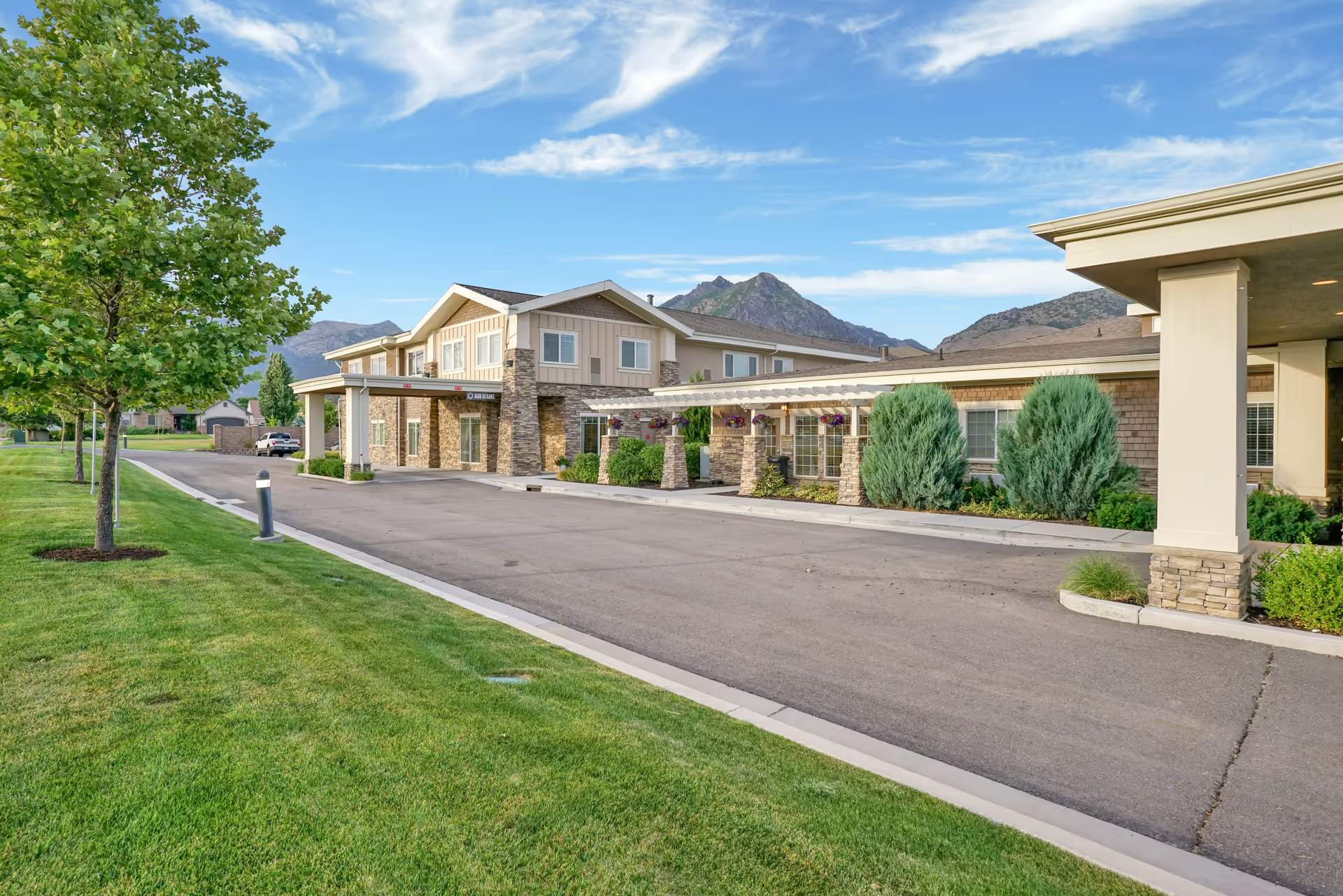
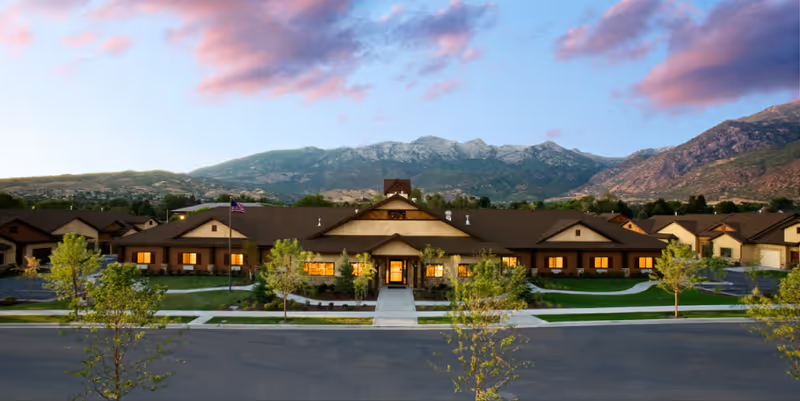
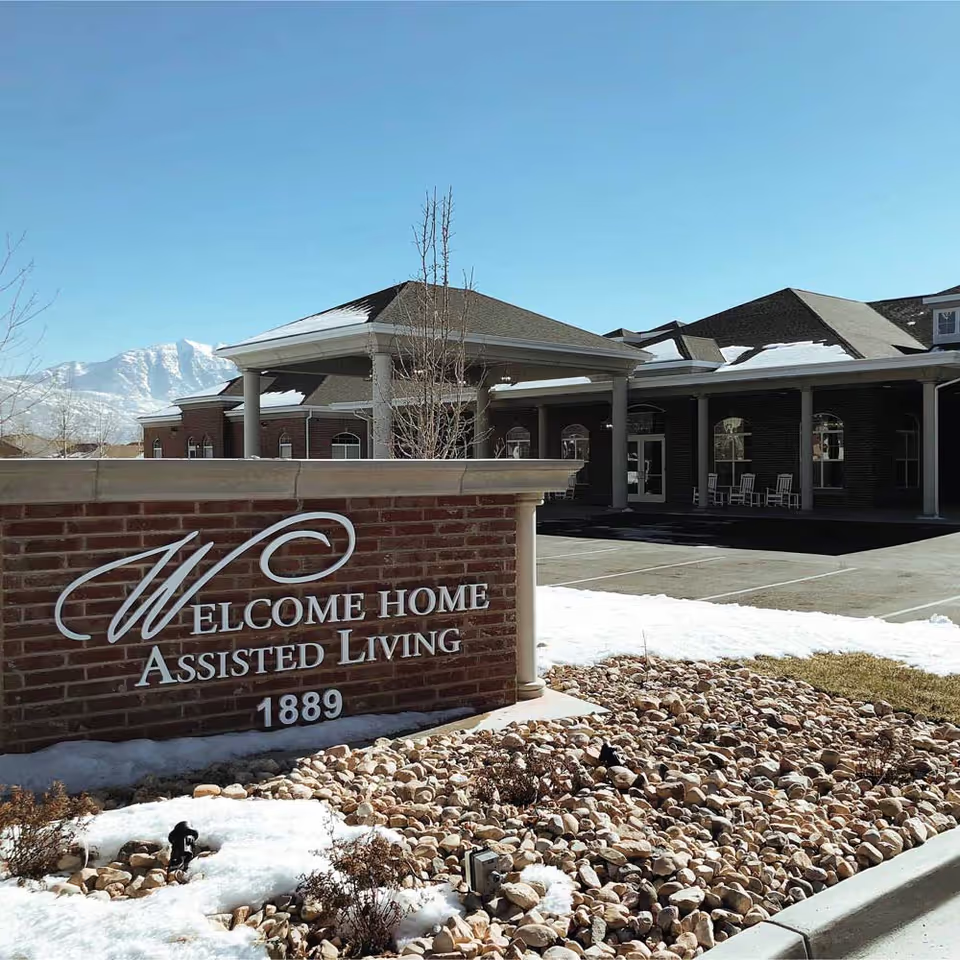
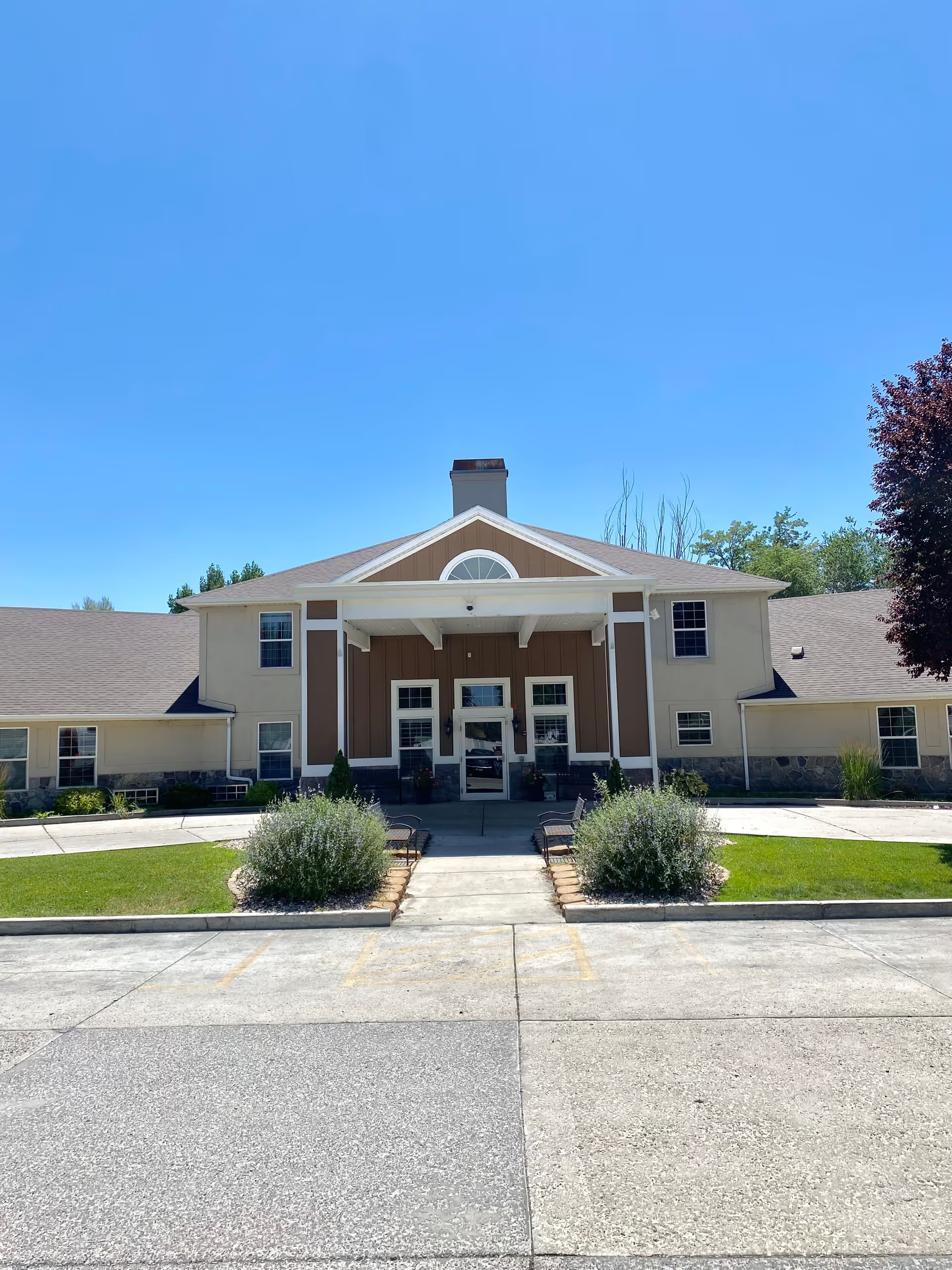
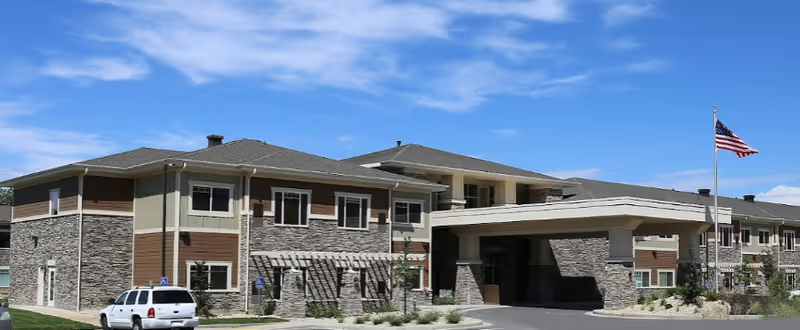
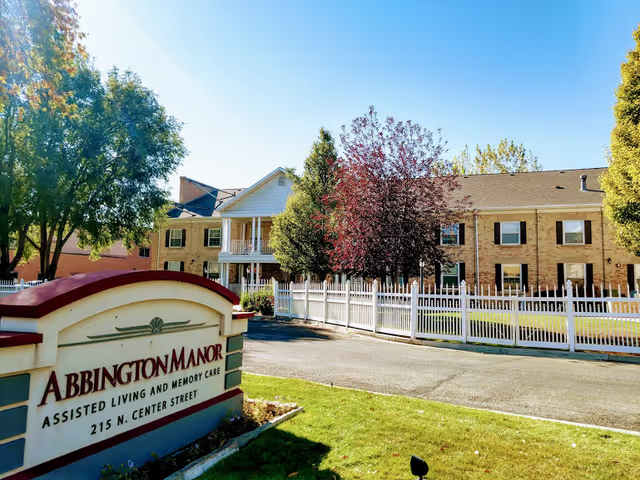
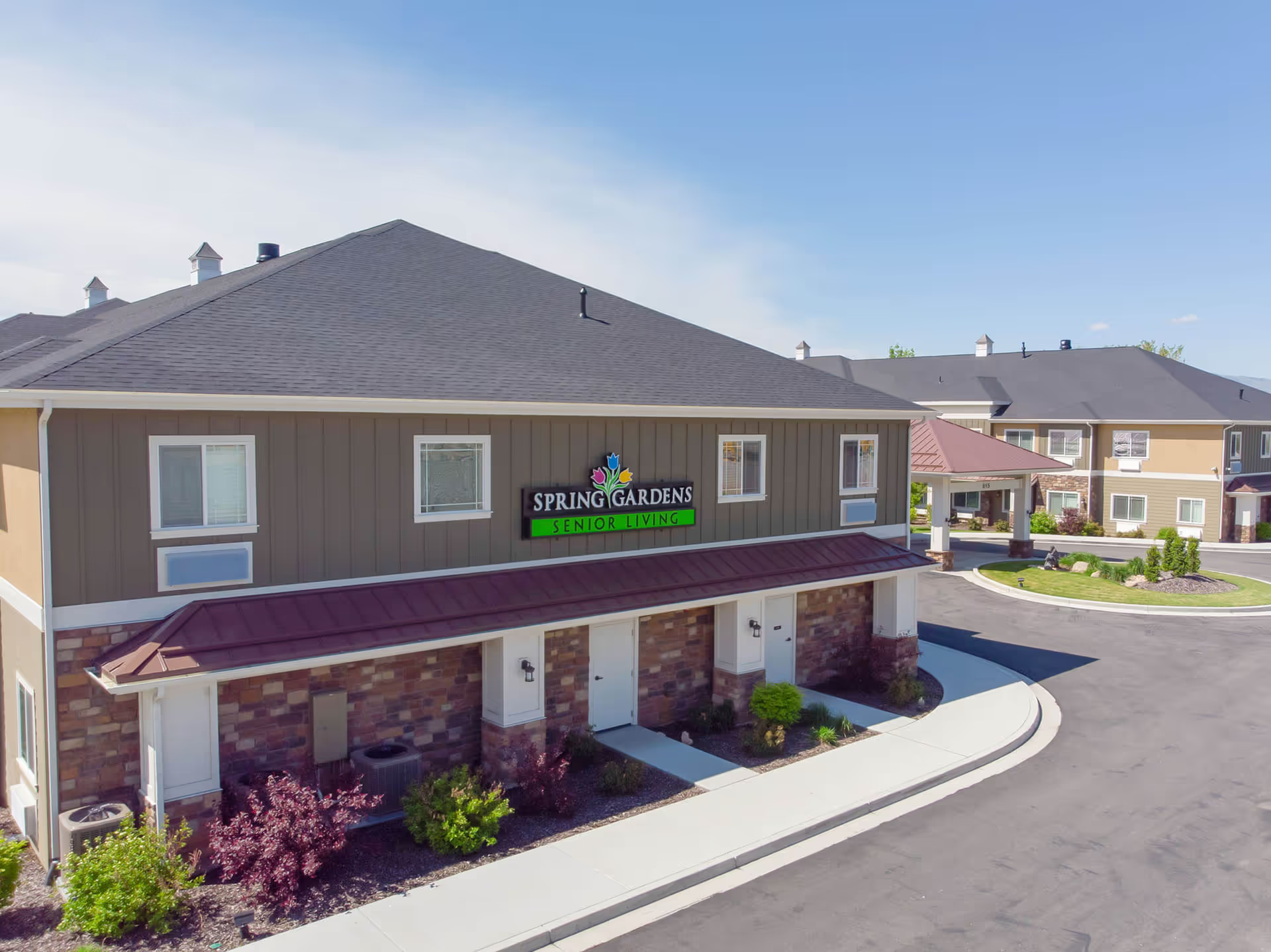
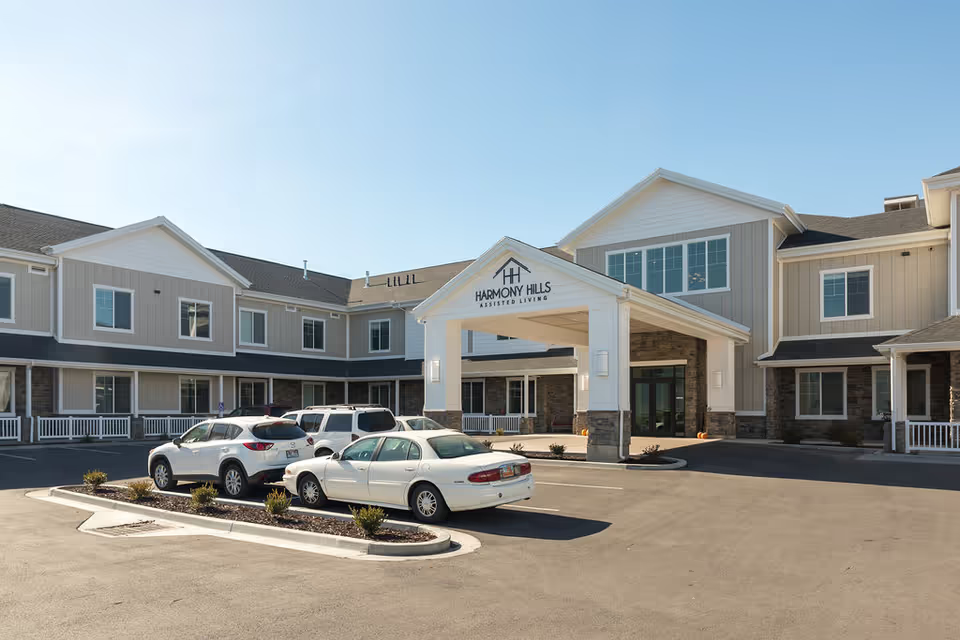
The Charleston at Cedar Hills is widely described as an attractive, well‑maintained assisted‑living community with a strong emphasis on personalized, family‑style care. Many families highlight compassionate, attentive staff who learn residents’ names and histories, and who provide hands‑on assistance, hospice coordination, and medication oversight. The community’s smaller-to-mid size and long‑tenured leadership are frequently cited as factors that support individualized attention and a warm, social environment.
Dining and activities are central features of the community. The dining room is repeatedly described as restaurant‑style, with a broad menu, formal presentation, and numerous families praising meal quality and variety. At the same time, there are repeated notes of inconsistency — some reviewers describe excellent cuisine while others report fluctuations in quality and occasional shortages — which suggests variability in kitchen staffing or service continuity. The activities program is a consistent strength: scheduled outings, concerts, religious services, games, classes, and exercise programs are prominent and support social engagement.
Clinical support and amenities are generally seen as robust. Reviewers describe coordinated nursing access, medication administration, physical therapy, an on‑site salon, and readiness to work with hospice and home‑health partners. Several accounts indicate good nurse‑to‑resident ratios and attentive clinical staff. However, reviewers also flagged operational gaps: variability in aide assignments and occasional medication or scheduling errors, which point to uneven staffing patterns or communication breakdowns in clinical workflows.
Facility features receive positive marks for cleanliness, modern decor, large dining and common areas, outdoor sitting spaces, and apartment options ranging from studios to two‑bedroom units. Religious accommodation and on‑site chapel services are noted as important assets. Practical considerations include ancillary fees for services such as laundry and transportation, and some reviewers found pricing to be relatively high; transparency about which services are included versus extra cost is a recurrent theme.
Notable patterns of concern center on limitations in care scope and operational consistency. Several reviewers described restrictions on higher‑acuity care and memory‑care capacity, meaning residents with progressive needs may need to relocate. Others raised issues about maintenance responsiveness, inconsistent meal service, variable staff professionalism, and occasional administrative policy changes or service reductions without clear communication. A small number of more serious allegations about conduct or contract disputes were also mentioned; these appear atypical relative to the volume of positive feedback but warrant direct questions during a tour and in contract review.
In sum, The Charleston at Cedar Hills presents as a clean, well‑appointed community with strong social programming, accommodating religious services, and a staff culture many families found compassionate and engaged. Prospective residents and families should prioritize on‑site conversations about current staffing patterns, memory‑care availability, exact fee structures, and the facility’s policies for handling care‑level escalations and maintenance response times to ensure alignment with anticipated long‑term needs.