The reviews describe a facility with a mix of clear strengths and serious operational concerns. Positive feedback centers on direct caregiving: many families and residents describe staff as compassionate, supportive, and attentive, with a favorable staff-to-resident ratio that enables individualized interaction. Several accounts highlight clean, well-maintained resident rooms and kitchen areas, participation in community and athletic events, and vocational supports such as job-assistance programs. The facility appears to serve people with intellectual disabilities and long-term residents, and some families emphasize a family-like atmosphere and friendly relations with visitors.
At the same time, there are recurring safety and conduct-related issues that merit attention. Multiple narratives indicate lapses in supervision, delays in staff response to incidents, and weaknesses in exit-control that have resulted in residents leaving the premises unsafely. Reviewers also described inconsistent behavior-management practices and interpersonal conflicts among residents, which point to uneven application of behavioral supports and de-escalation protocols. These patterns translate into concerns about overall resident safety oversight and how the facility responds when incidents occur.
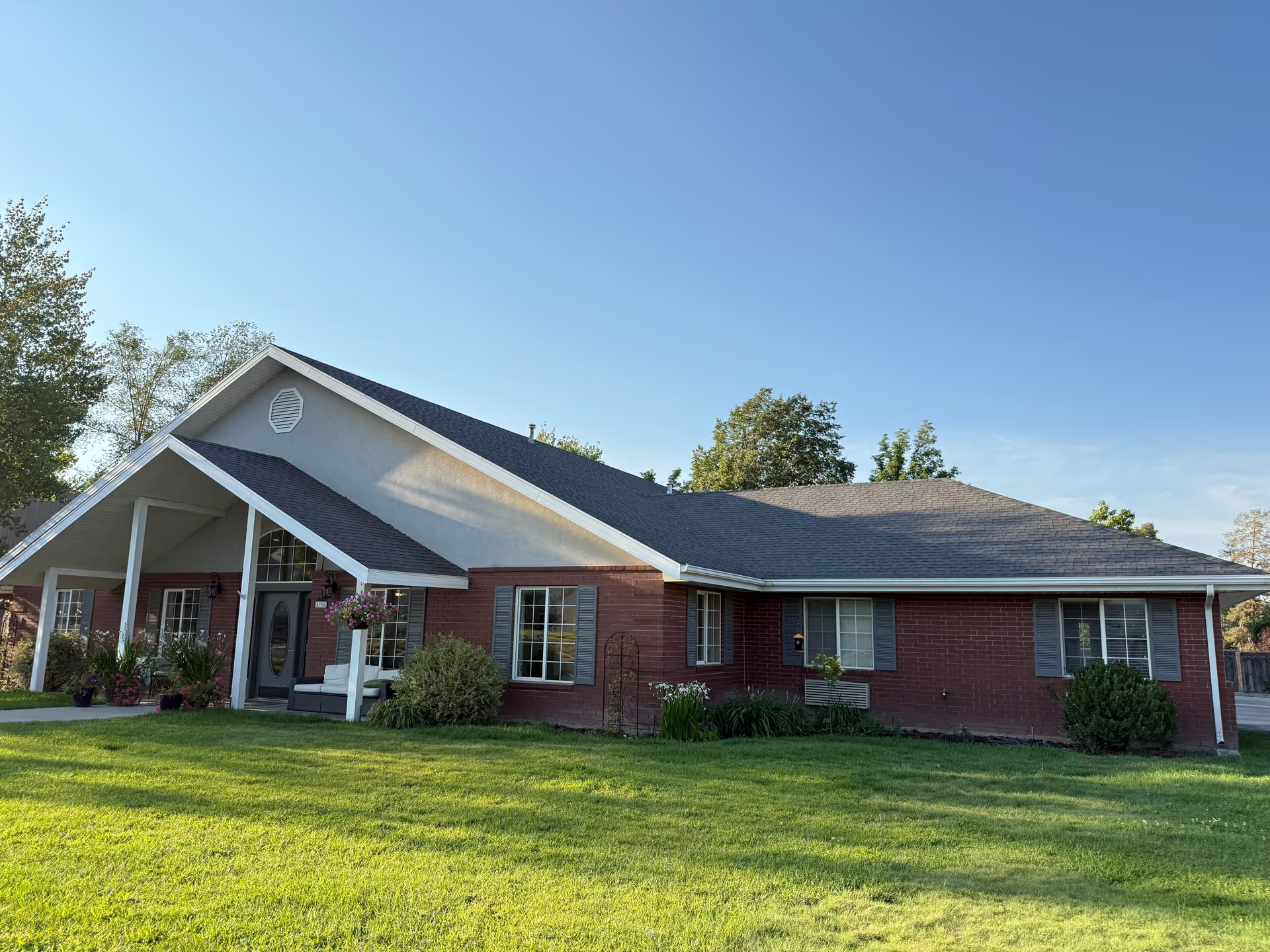
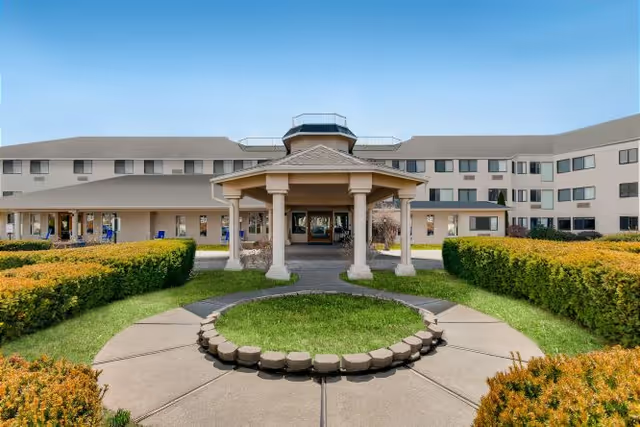
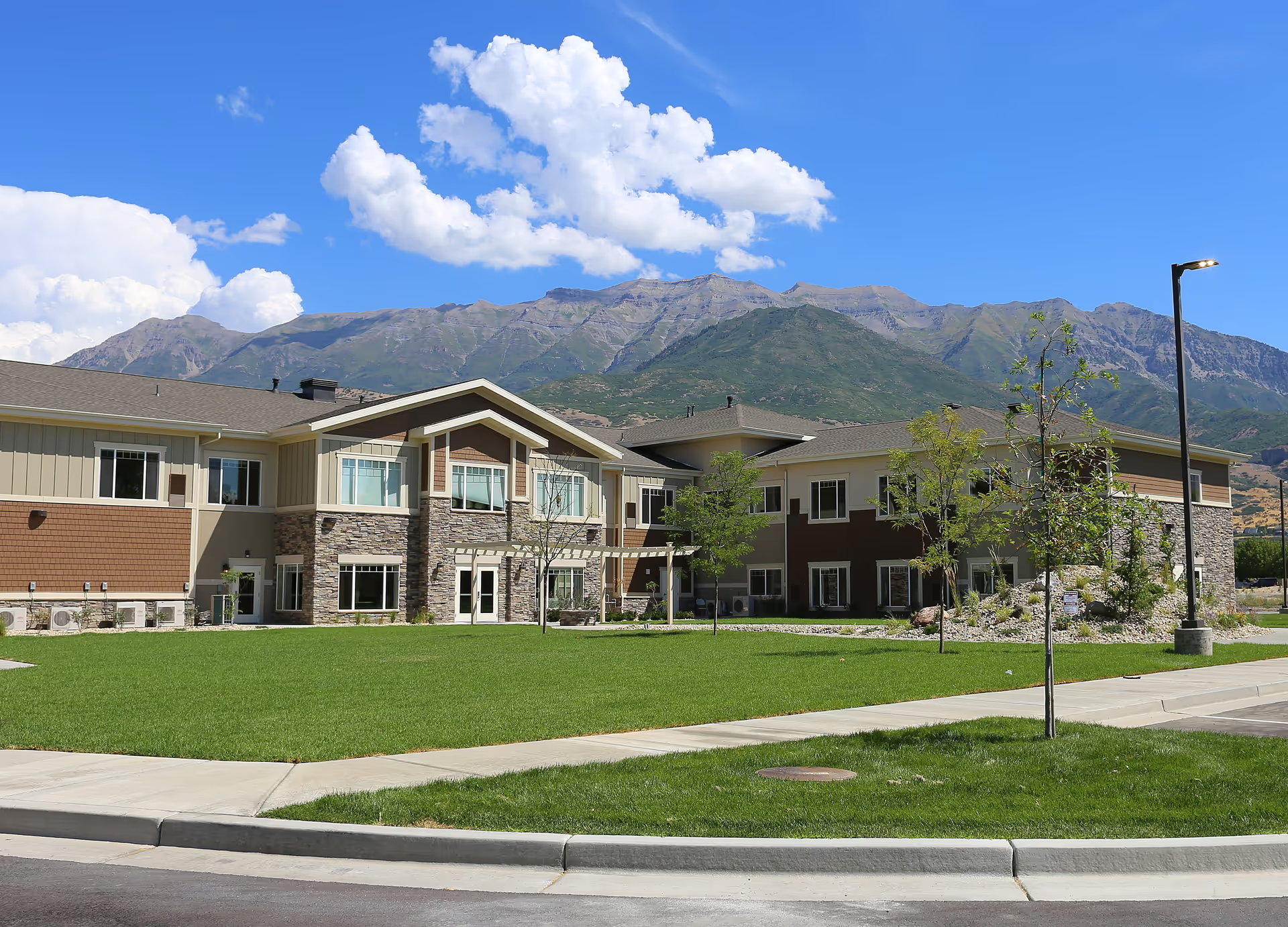
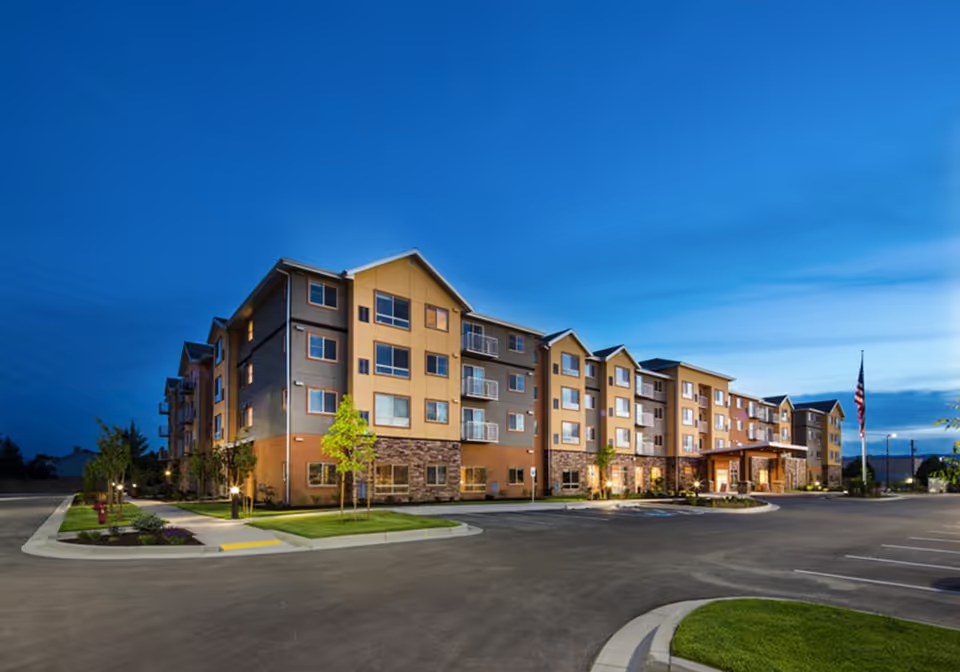
Operationally, the facility shows variability. While several areas and units are described as clean and well cared-for, other comments describe inconsistent maintenance and sanitation standards across the property, including an exterior and interior atmosphere some found uninviting. There is limited detail about dining quality beyond clean kitchen areas; reviewers did not provide consistent assessments of meal service or menu quality. Activity programming is a relative strength, with evidence of organized events, athletic participation, and vocational opportunities that support engagement.
Management, funding, and communication are additional themes. Reviewers note constrained resources tied to limited state funding, and some describe a need for stronger family advocacy and clearer communication channels. A number of reviewers referenced regulatory complaints and recent management changes, suggesting transitional leadership and oversight challenges. These factors, together with the safety and conduct concerns, create a mixed picture: tangible caregiving strengths and programmatic supports coexisting with operational gaps that have produced notable family anxiety.
For prospective residents and families, the most relevant considerations are supervision and incident response, behavioral supports, and management stability. If considering placement, families may wish to ask the facility for current information on elopement prevention measures, behavior-management protocols, incident-reporting and response timelines, recent inspection or complaint outcomes, and concrete examples of staff training and supervision. Visiting the campus during an activity period and speaking to current families about communication practices can also help evaluate whether the facility’s strengths align with an individual’s needs and safety expectations.