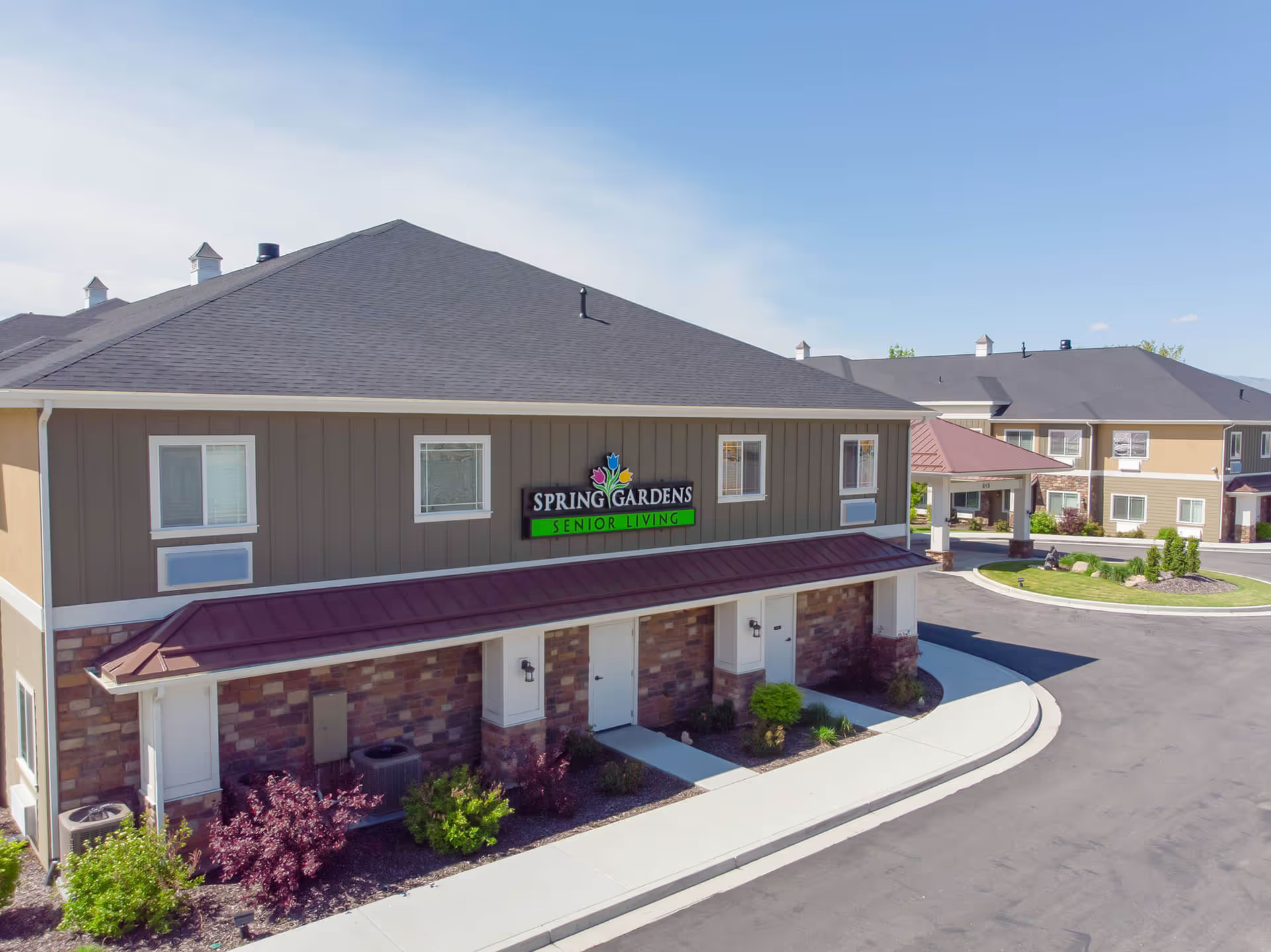
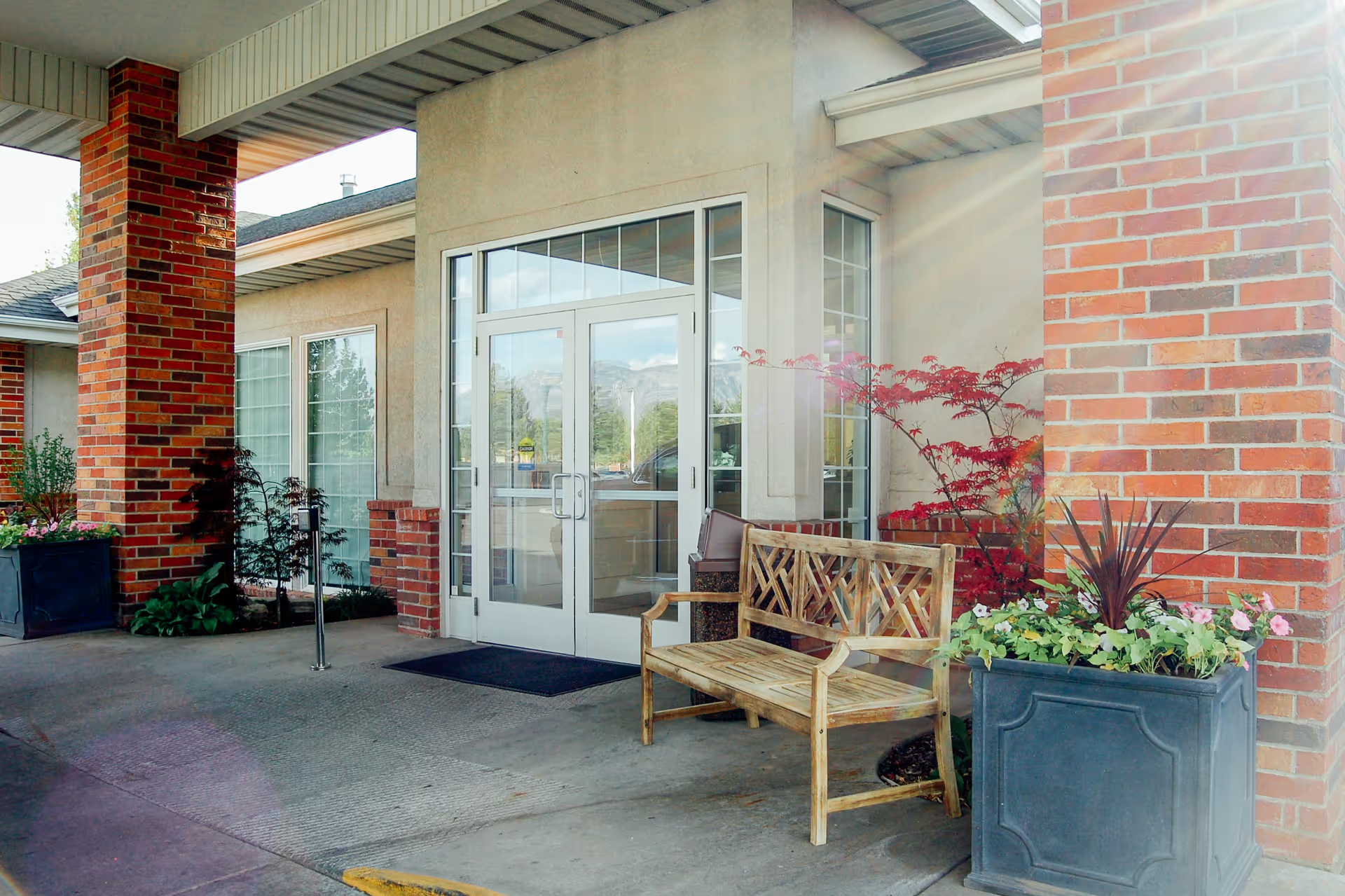
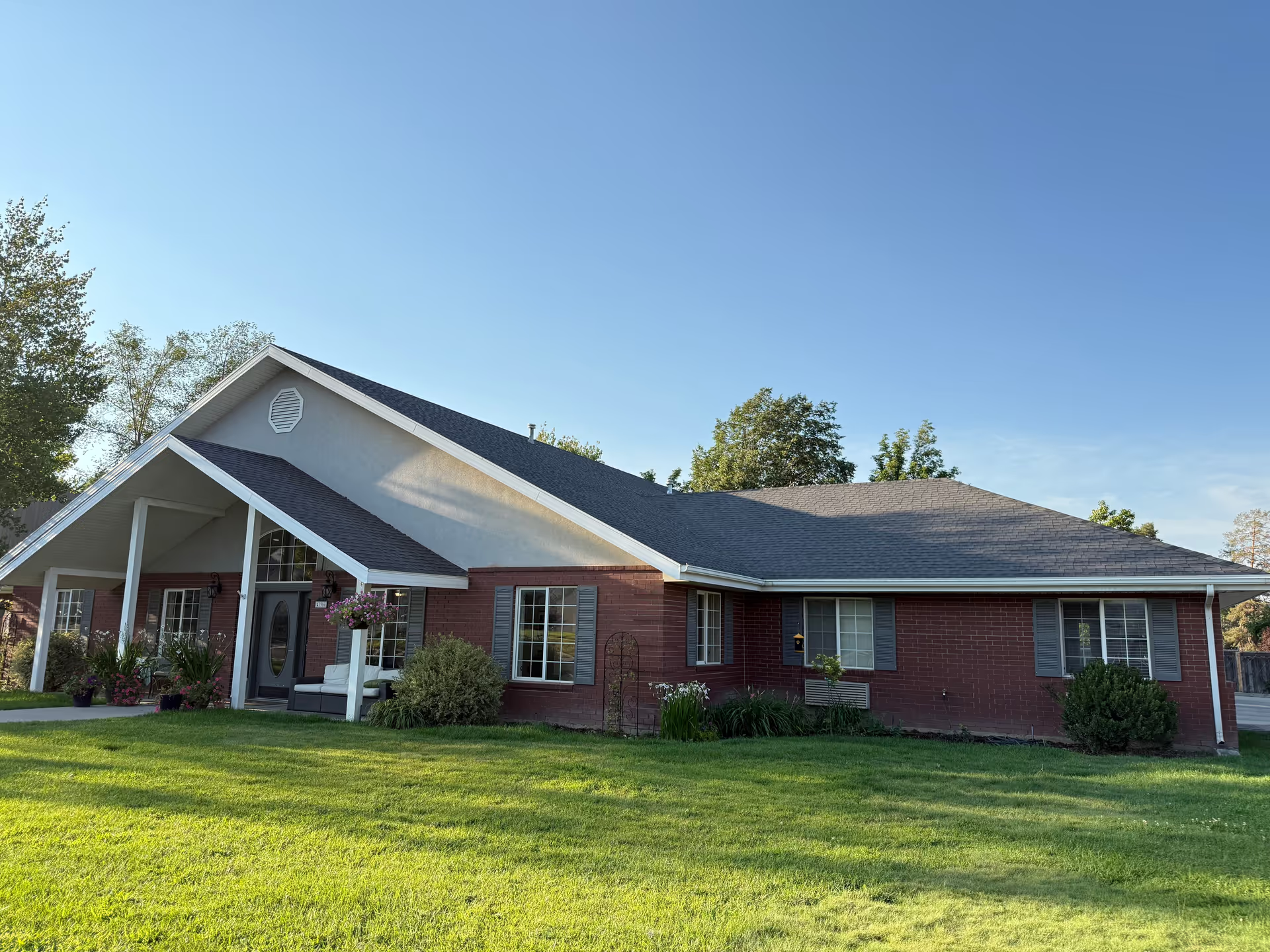
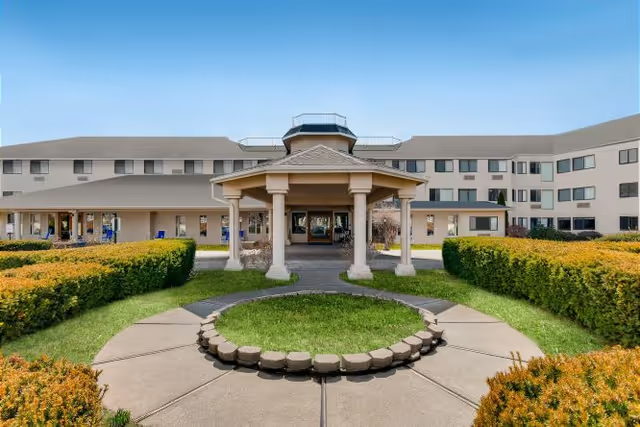
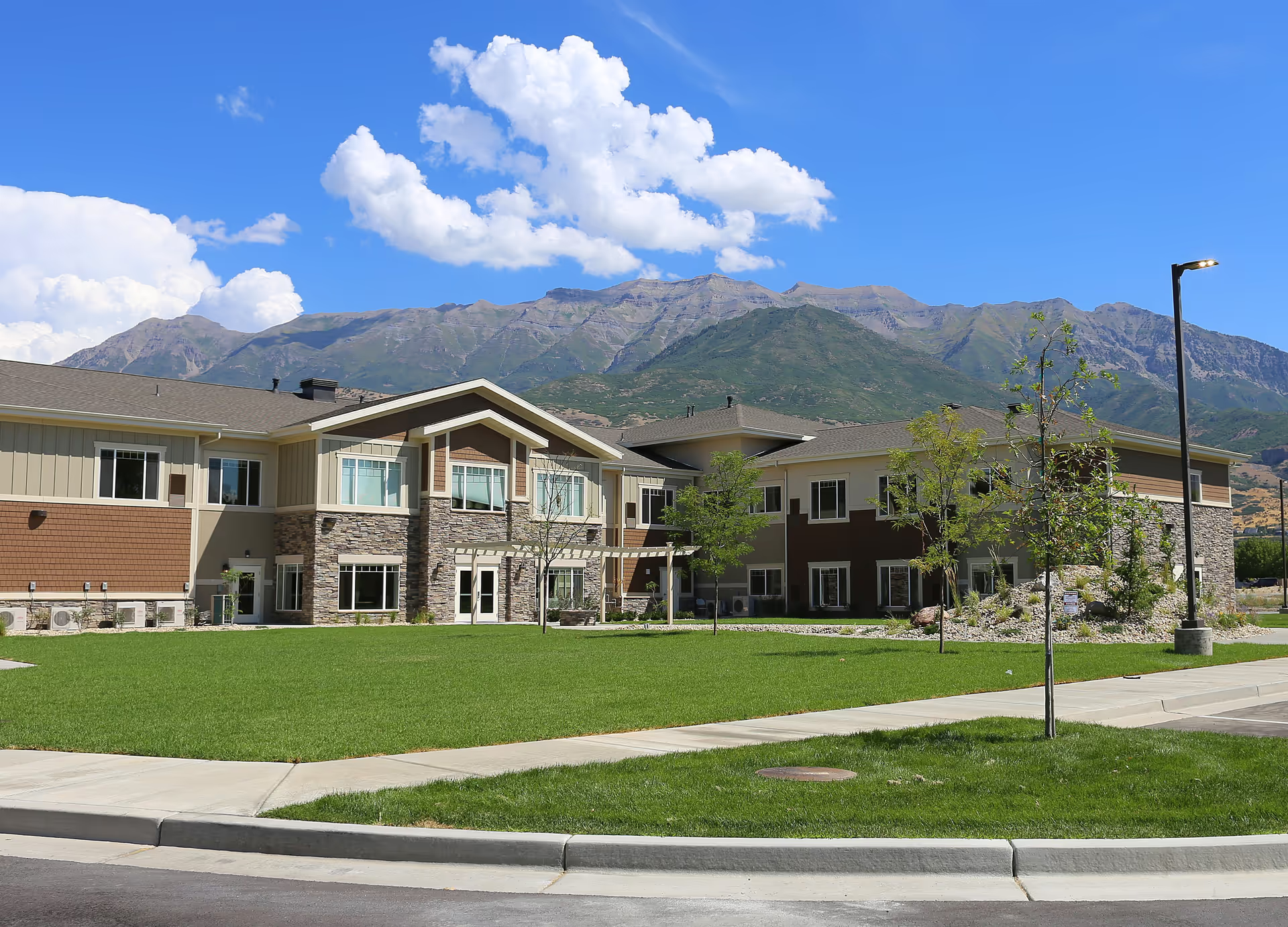
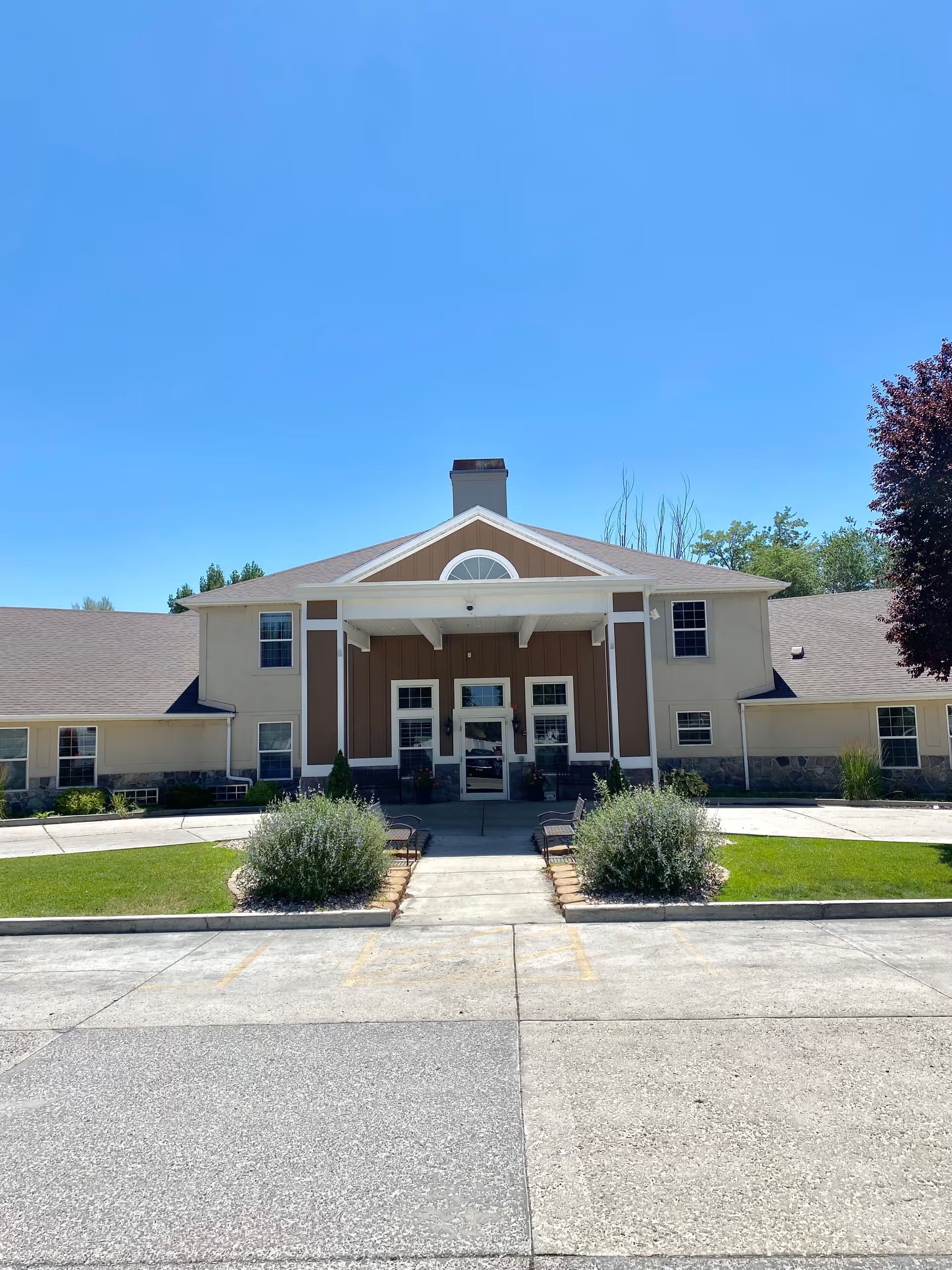
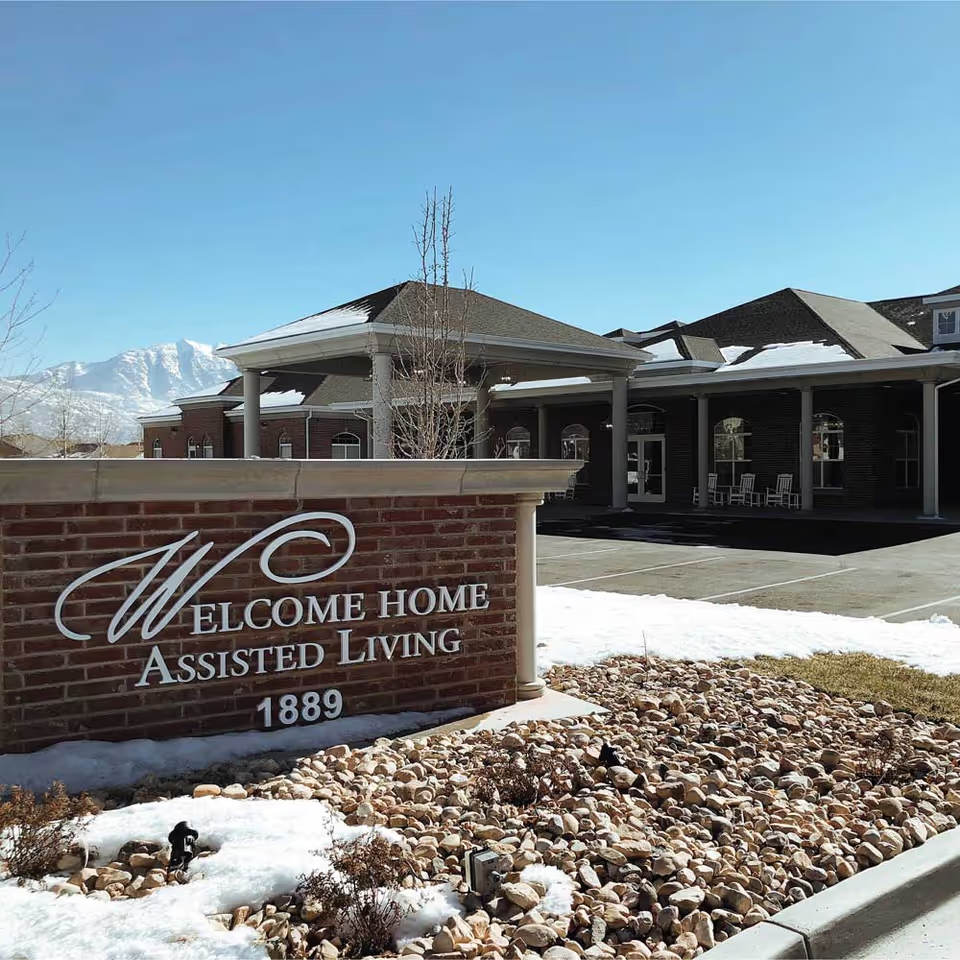
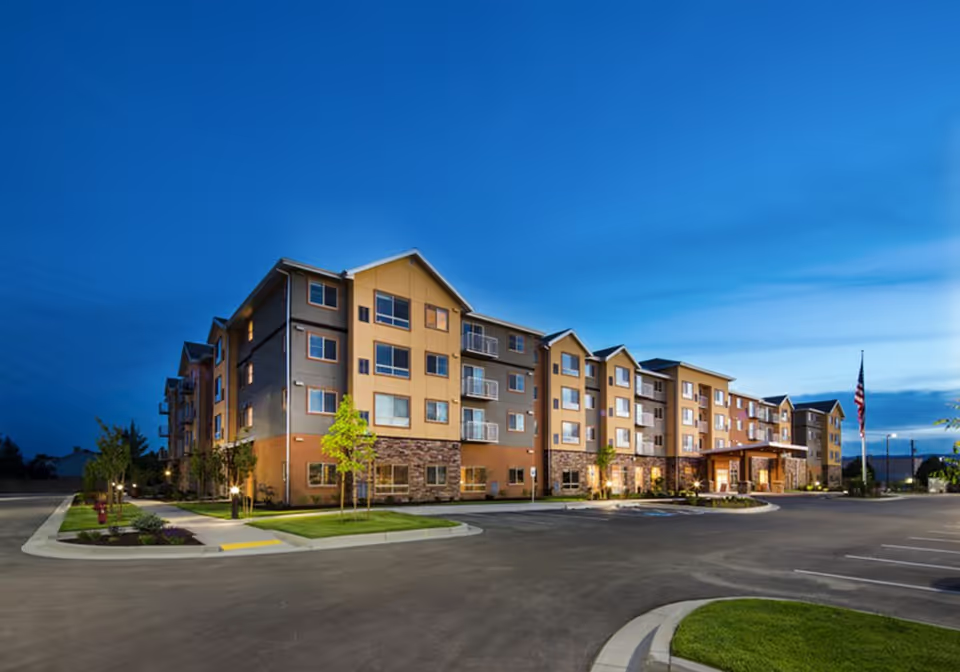
Reviewers describe a facility with several clear strengths alongside recurring operational challenges. Positively, Grove Creek presents as a modern, well‑maintained property with attractive common spaces (movie room, courtyard, gazebo) and private rooms that many residents and families find comfortable. The dining program, often led by an identified chef, is frequently praised for fresh meals and menu alternatives; at the same time, some families note variability in food quality and limited menu breadth. Activity programming is a consistent highlight: a lively calendar, frequent outings, bingo, music and social events, and an engaged activities director contribute to a social, family‑like community feel.
Staffing and daily caregiving elicit mixed impressions. Numerous comments commend personable CNAs, med‑techs, front‑desk and maintenance staff, citing timely help, respectful interactions, and individualized attention. Families also credit the facility for hospice availability and supportive end‑of‑life care when needed. Counterbalancing those accounts are repeated operational concerns: inconsistent staffing levels, frequent use of agency or temporary staff, and administrator turnover. Those patterns are linked in reviewers' accounts to delays in responding to call signals, uneven bathing and incontinence‑care routines, and variability in laundry and housekeeping services.
Clinical and communication weaknesses are a prominent cluster of concerns. Several reviews describe gaps in clinical monitoring and medication follow‑up that families found serious, along with delayed family notification and limited after‑hours communication. These issues are described as contributing to adverse outcomes for higher‑acuity residents in some cases and lead reviewers to caution that the facility may be less suitable for residents who require close, continuous clinical oversight.
Taken together, the reviews show a polarized experience: many families emphasize the compassionate staff, strong activity program, clean facilities, and positive social environment, while a substantial portion raise consistent operational criticisms focused on staffing reliability, clinical monitoring, and family communication. Prospective residents and families would benefit from direct questions during tours about current staffing ratios (day/night), the use of agency staff, average response times to call signals, protocols for clinical monitoring and medication administration, laundry and bathing schedules, and after‑hours communication procedures. Verifying contract terms for fees and services and speaking with current residents and families about recent operational changes can help assess whether the facility’s strengths align with an individual’s care needs and acuity level.