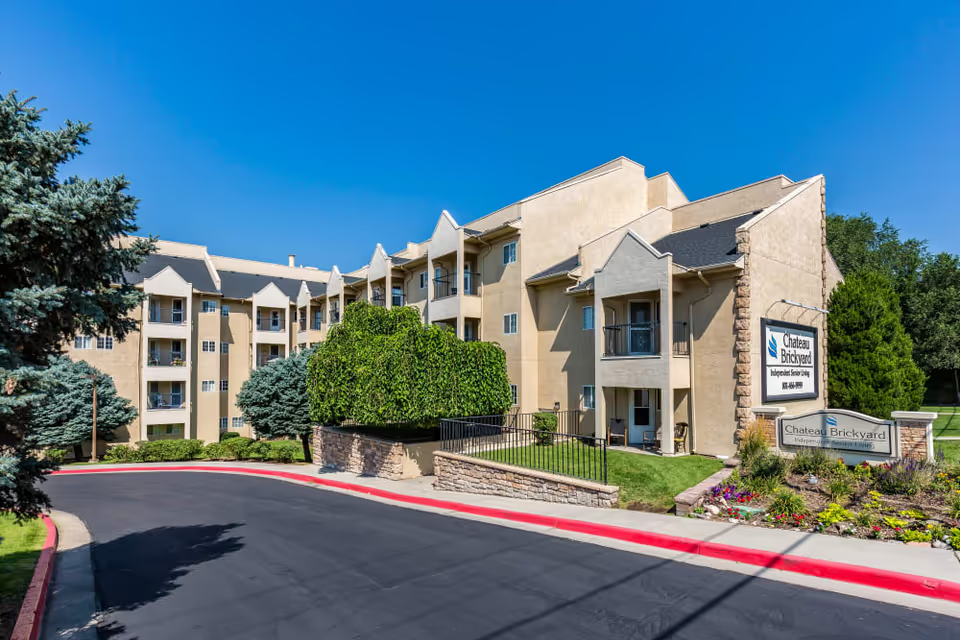
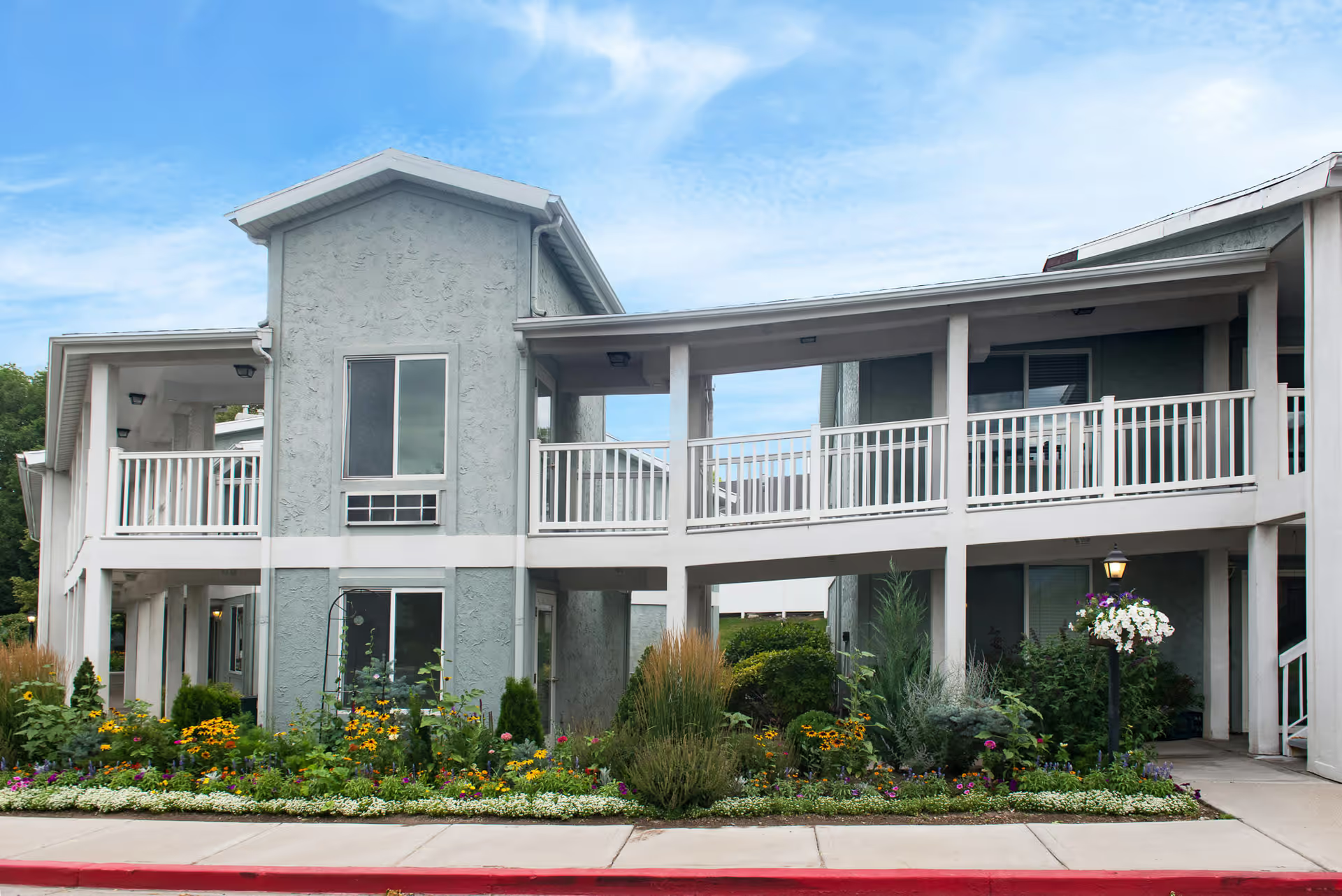
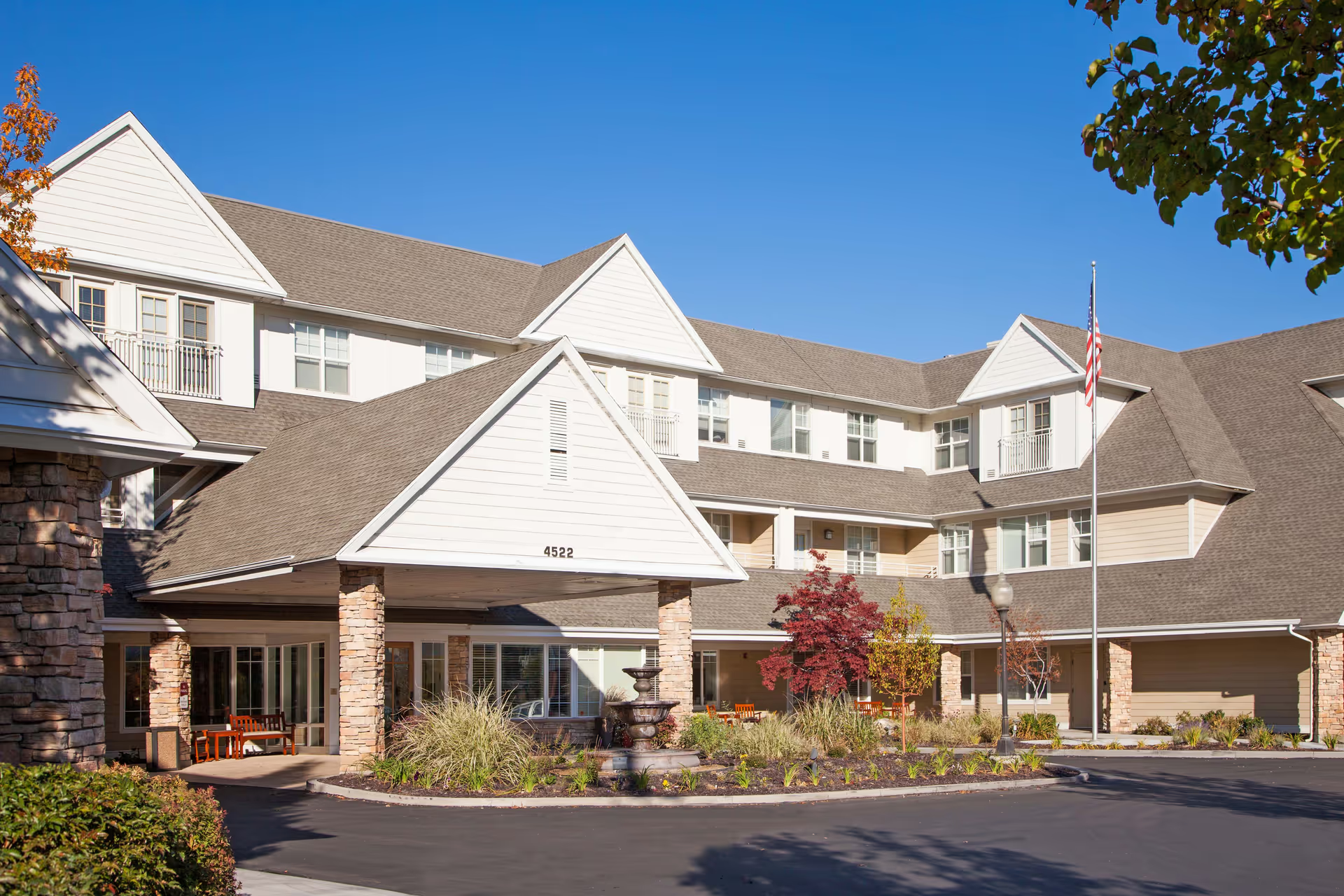
Osmond Senior Living Memory Care receives strongly mixed feedback. Many comments emphasize a small, homey atmosphere with long-tenured, compassionate staff who provide round-the-clock attention. Reviewers frequently highlight the facility's range of living options, a new and clean environment, included meals and accommodation in the base fee, and visible amenities such as a dedicated activities coordinator, large activity room, on-site salon, and garden areas. These elements are associated with perceived value, safety, and a comfortable day-to-day experience for residents.
Care and staffing are recurrent focal points. Positive accounts describe staff who anticipate needs, provide personalized attention, and create a welcoming environment; families who encountered this model expressed high satisfaction and recommended the community. Conversely, other accounts allege inconsistent care quality and variability in staff responsiveness. This variability contributes to a polarized view of clinical and personal-care reliability: prospective families should verify staffing levels, shift coverage, and clinical oversight during a tour.
Dining and activities show a similar split. The presence of structured programming, an activities coordinator, and ample communal space is consistently noted as a strength for resident engagement. At the same time, there are substantive criticisms of dining quality and consistency; some families report dissatisfaction with meals despite the all-inclusive fee structure. If dining is a priority, visitors should request sample menus, observe meal service, and discuss dietary accommodations and meal-quality monitoring.
Facility condition and operations offer both positive and negative signals. The building and common areas are described as new and clean, with a variety of apartment configurations available. However, reviewers also cite maintenance and infrastructure issues (for example, problems with on-site systems and phone reachability) and express concerns about communication channels. These operational gaps suggest it is important to confirm emergency protocols, maintenance response times, and direct contact methods with administration.
Management and reputation show notable inconsistency. Several comments note frequent administrative changes and express concerns that some management decisions may prioritize organizational policies over individual resident preferences. The resulting mixed reputation means that experiences vary significantly by unit, cohort, or time period. For families considering Osmond, recommended steps include in-person visits at different times of day, interviews with multiple staff members, meetings with current families, review of recent inspection reports, and clear contractual discussions about services, complaint resolution, and change-of-management contingencies.
Overall, Osmond Senior Living presents clear strengths in staffing warmth, small-community feel, and on-site programming, paired with operational and management areas that merit careful vetting. Prospective residents and families should focus their evaluation on observable care practices, dining consistency, maintenance responsiveness, and administrative stability to determine whether the facility aligns with their expectations for memory-care support.