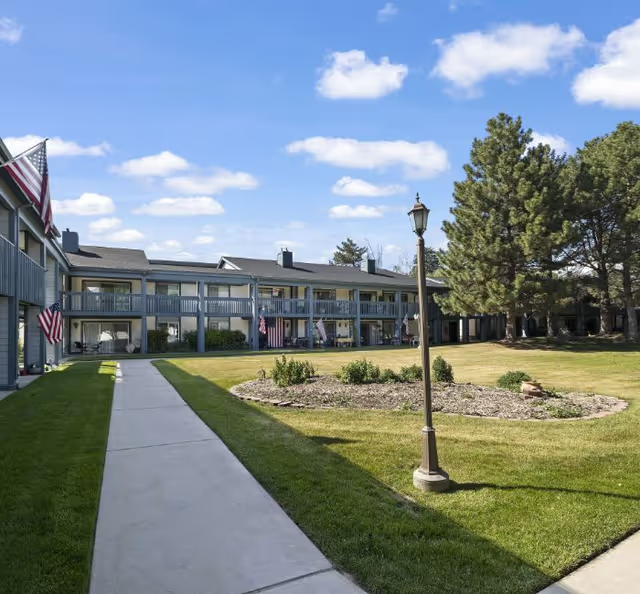
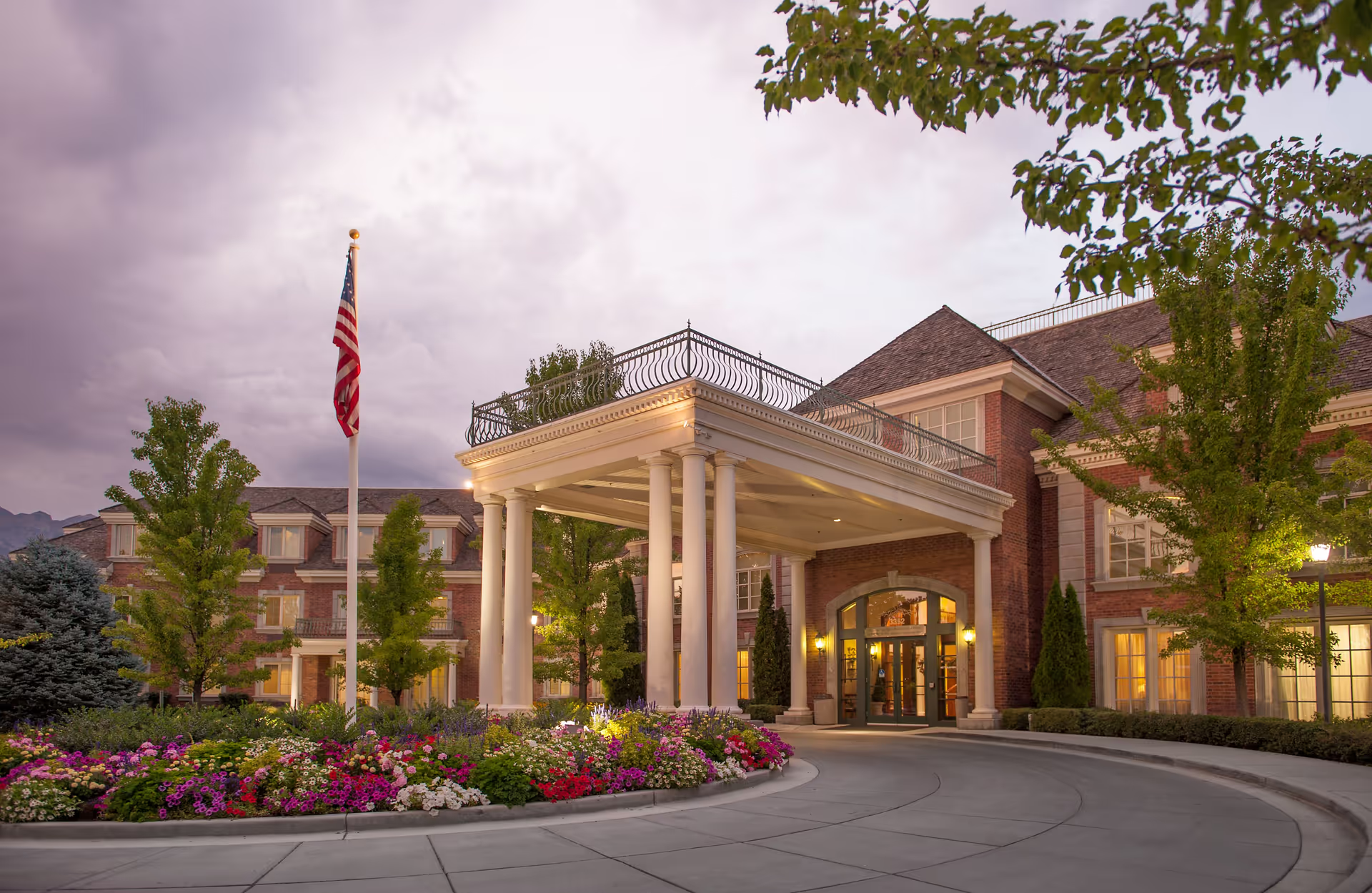
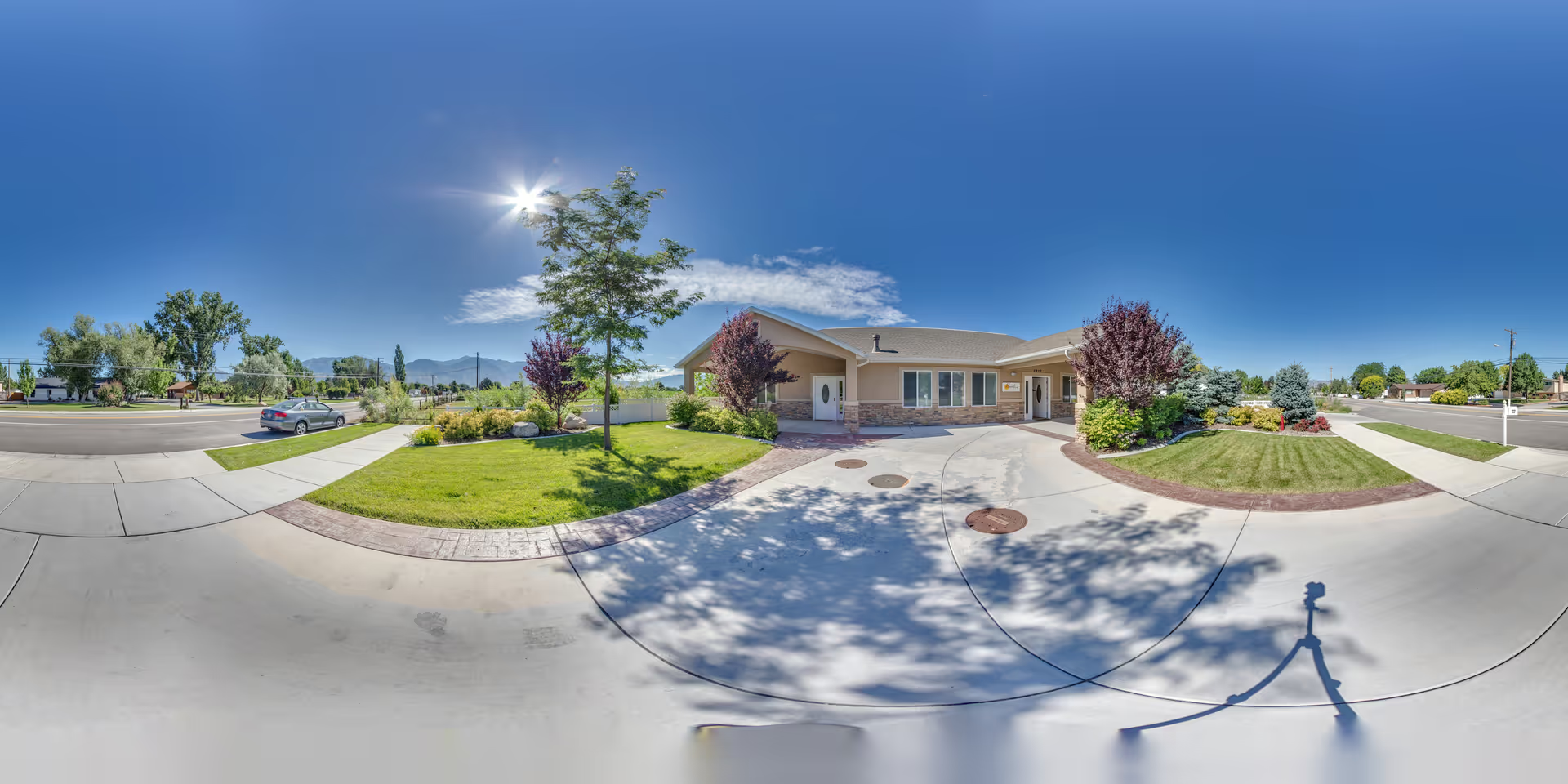
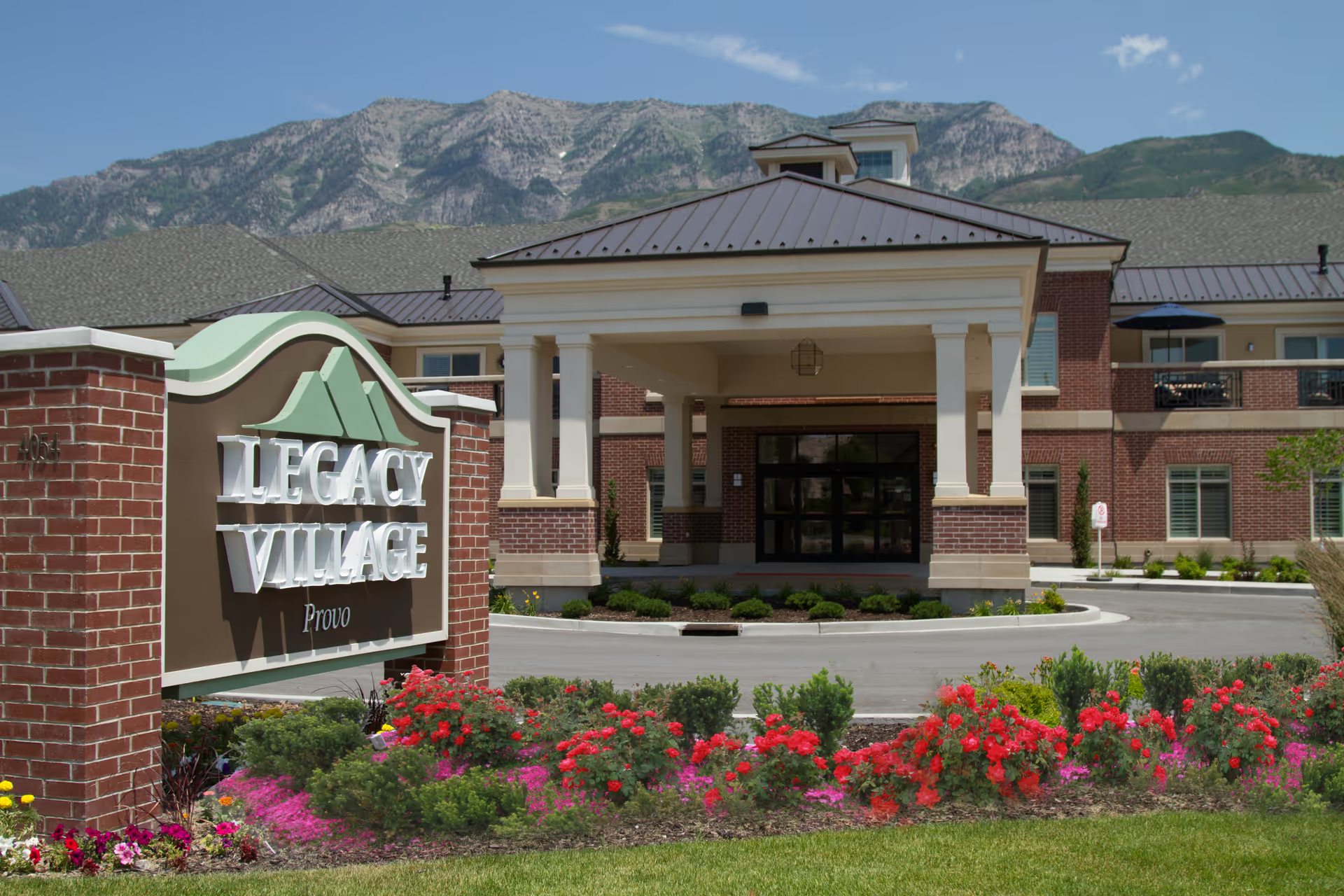
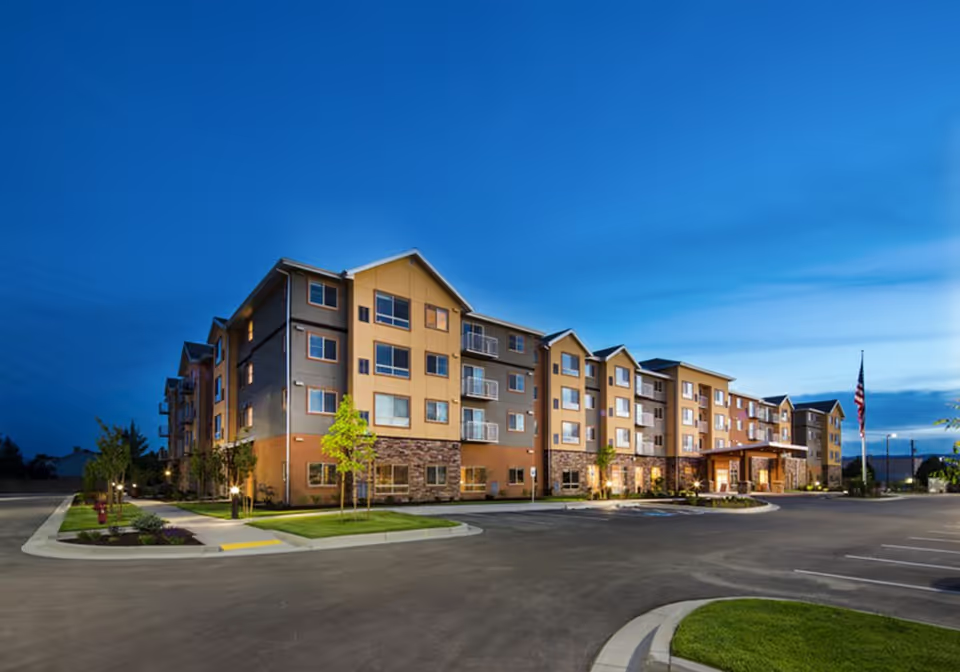
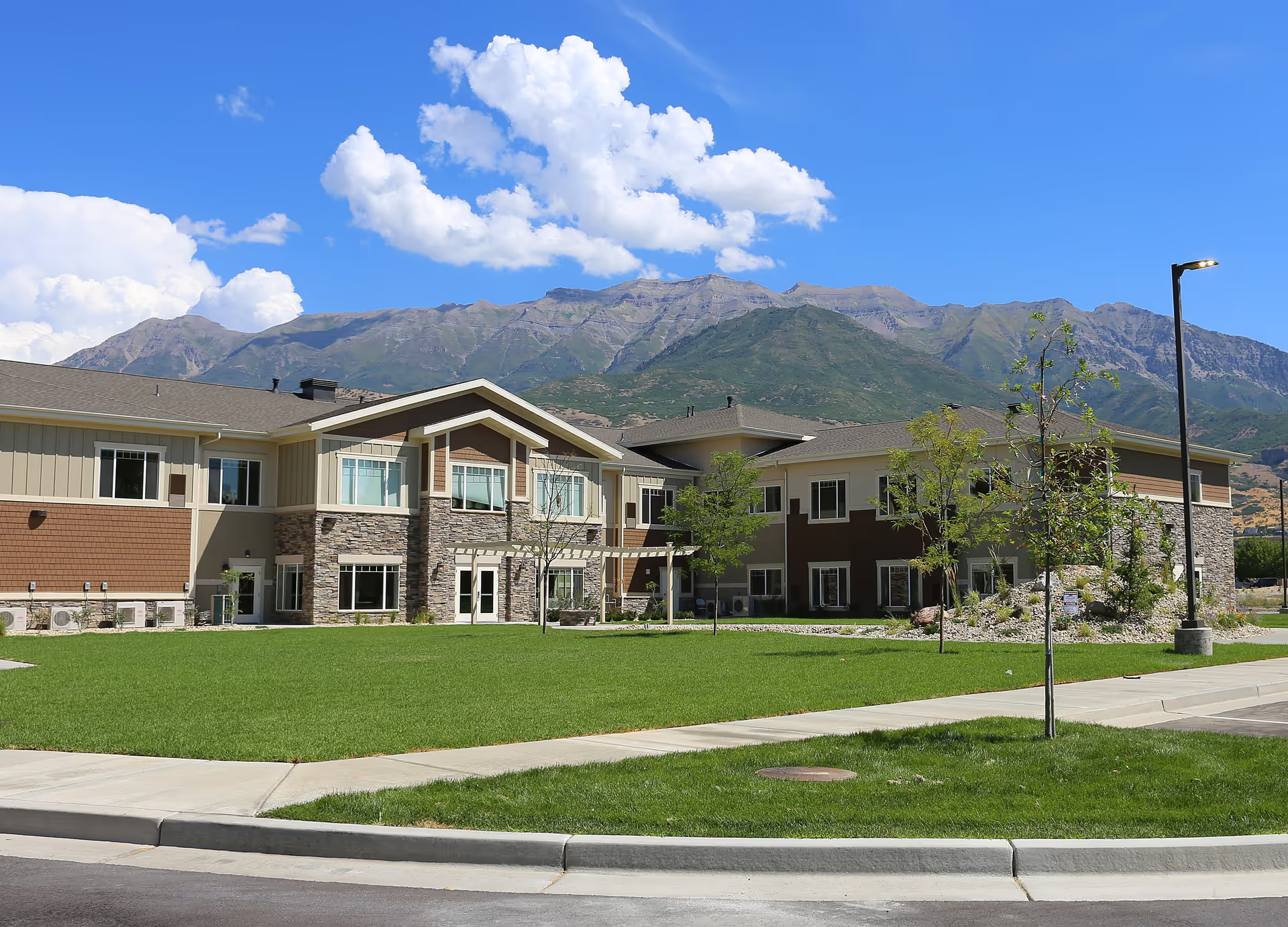
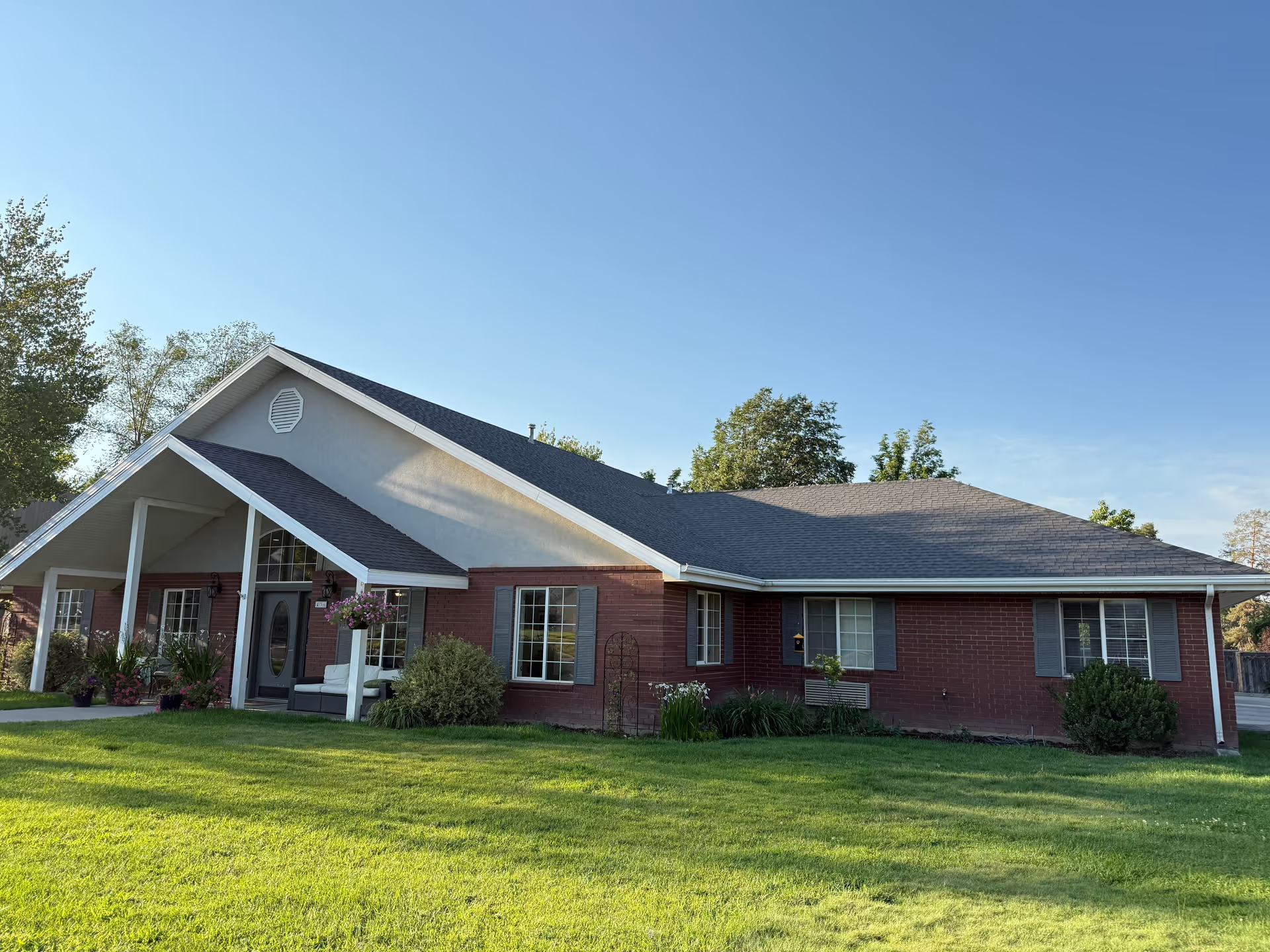
Provo Rehabilitation & Nursing presents a mixed profile in these review summaries. Many comments highlight strong clinical rehabilitation resources — notably an extensive PT/OT program, speech and respiratory therapy, an on-site therapy gym, and staff who can and do coordinate around complex schedules. A substantial number of reviewers praised individual caregivers, CNAs, therapists, and specific administrative staff for compassionate, resident-centered care, timely therapy progress, and a family-like atmosphere. Renovations, spacious rooms (including some private rooms with in-room showers), clean common areas, and active recreation programming are described as positive features that contribute to residents’ well-being.
At the same time, recurring operational weaknesses appear across the material. Staffing inconsistency and turnover are frequently cited, and that underlying trait is associated with slower response times to call lights, gaps in basic assistance, and uneven nursing coverage. Several summaries describe problems with medication handling, incomplete clinical documentation, and delays in routine tasks; these point to systemic process and training gaps rather than isolated incidents. Communication breakdowns among nursing, therapy, and administrative teams — and between the facility and families — are another persistent theme, which also affects timely discharge planning and follow-through on ordered equipment and supplies.
Dining and environmental reports are mixed. The facility has large, attractively maintained dining/cafe areas and some reviewers praised the food and accommodating kitchen staff; others described inconsistent meal quality and limited medical/dietary accommodations (for example, diabetic-friendly options). Cleanliness and maintenance are often praised in renovated areas, but a number of accounts raise sanitation or localized odor and pest-control concerns in specific units. These inconsistencies suggest variation in performance across shifts or wings.
Management and systems-level issues are notable. Multiple reviews point to limited phone and voicemail accessibility, delayed administrative responsiveness, and uneven management follow-through on complaints. Discharge coordination is inconsistent — some families report thorough, helpful planning and insurance support, while others experienced missed equipment orders, poor handoffs, and difficult transitions back home. A small number of accounts describe severe clinical events and significant adverse outcomes; these individual claims, including allegations of serious medication mishandling and hospital transfers, indicate areas where escalation procedures, incident investigation, and family communication warrant particular attention.
Overall, Provo Rehab shows strengths in rehabilitation services, certain caregiving staff, facility amenities, and community programming. Those considering the facility should weigh those positives against documented operational weaknesses — principally staffing consistency, responsiveness, medication/documentation controls, and communication processes. Prospective residents and families would benefit from asking specific questions about current staffing ratios, fall-prevention protocols, medication-safety policies, dietary accommodations, discharge-planning timelines, and how the facility addresses and documents clinical incidents before making a placement decision.