The reviews describe a facility with a clear tension between an intentionally progressive, relaxed model of care and operational gaps that affect residents and families. Several accounts describe positive early impressions—residents experiencing a nontraditional, resident-centered approach, comfortable accommodations, and access facilitated by state funding with programming aimed at rehabilitation or renewed independence. Those strengths suggest the facility can offer a meaningful, recovery-oriented option for some individuals seeking an alternative to highly institutional settings.
However, a recurring pattern across reviews is inconsistency over time. Families described situations where the initial environment and services appeared satisfactory but then declined in quality during the course of a stay. This pattern points to issues with care continuity and with sustaining staffing levels or practice consistency across shifts. Reviewers also raised concerns about staff conduct and responsiveness, which relates both to day-to-day caregiving and to how the facility communicates with families about changes in a resident’s condition or in policies.
Safety and behavioral management emerged as a notable operational concern. Reviewers referenced incidents that required external intervention; abstracted to a facility level, this indicates gaps in behavioral-management protocols, de-escalation practices, or security planning for residents with challenging behaviors. Those gaps can undermine the relaxed culture that is otherwise cited as a strength, and they increase the importance of clear intake screening and individualized care plans.
Dining and activities were not frequently described in detail. Where activities are mentioned, they align with the facility’s progressive and rehabilitative orientation. There is limited explicit information about meal quality or consistency; prospective families should request current menus, meal-service routines, and examples of scheduled programming to evaluate fit.
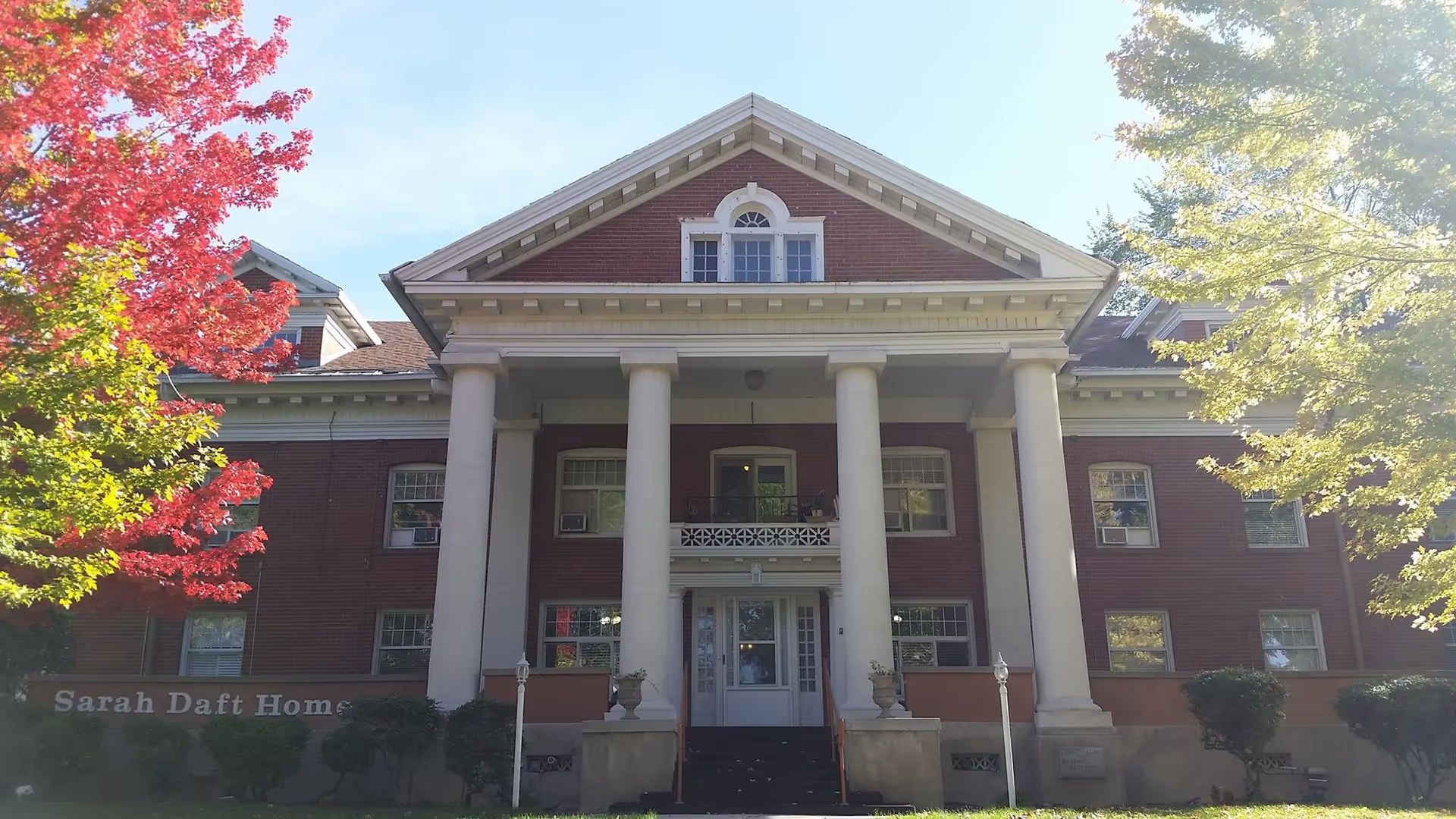
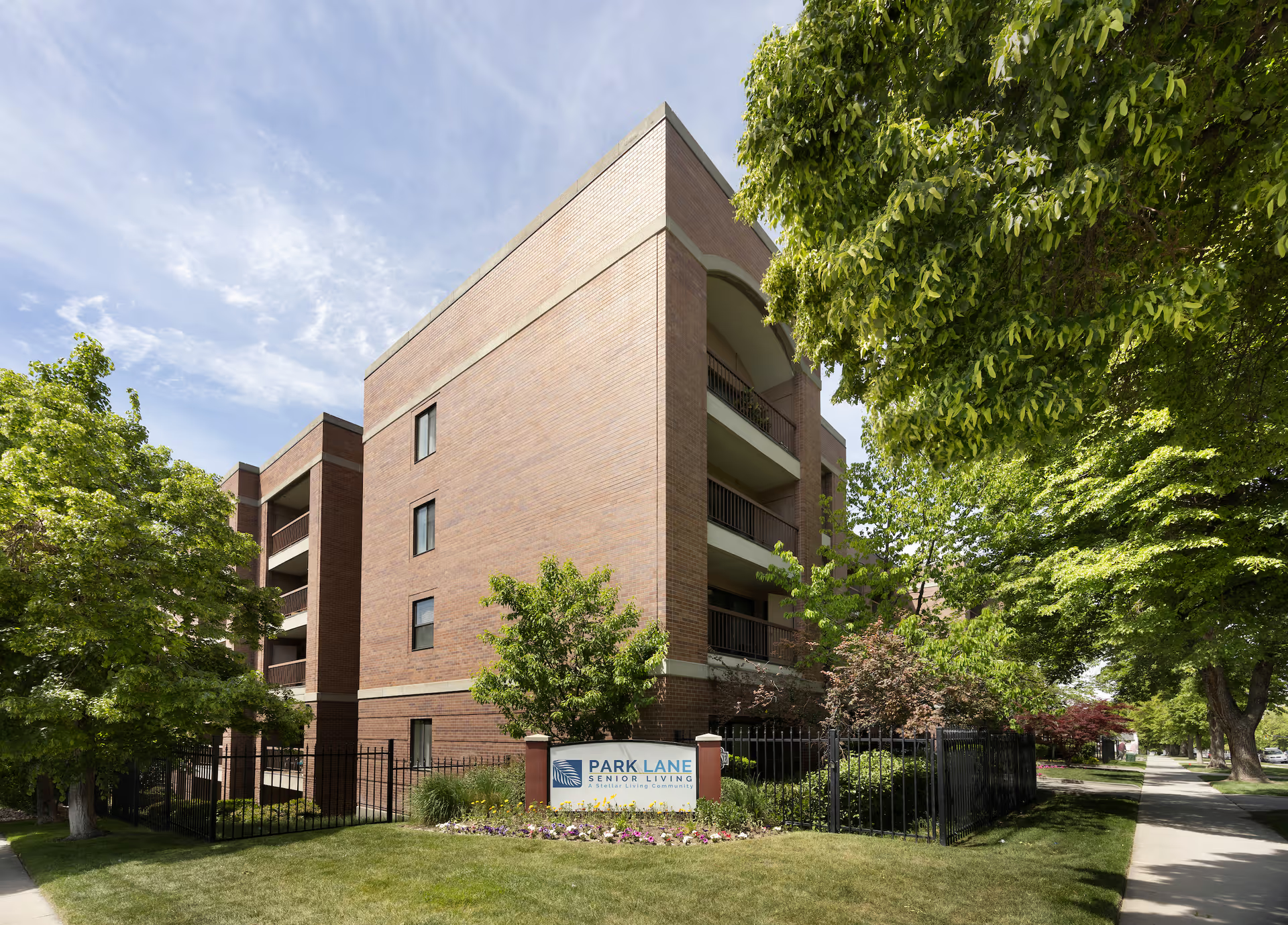
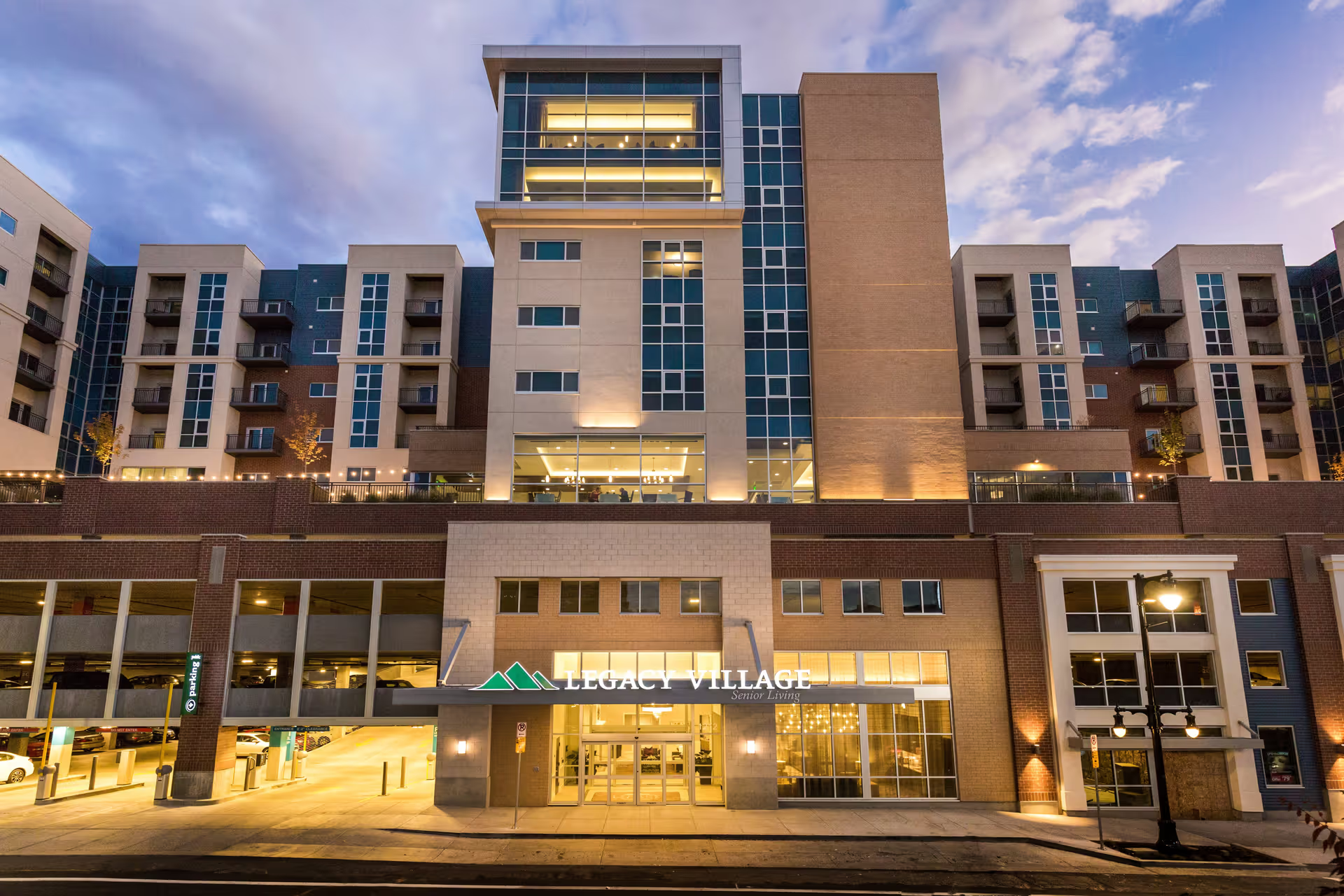
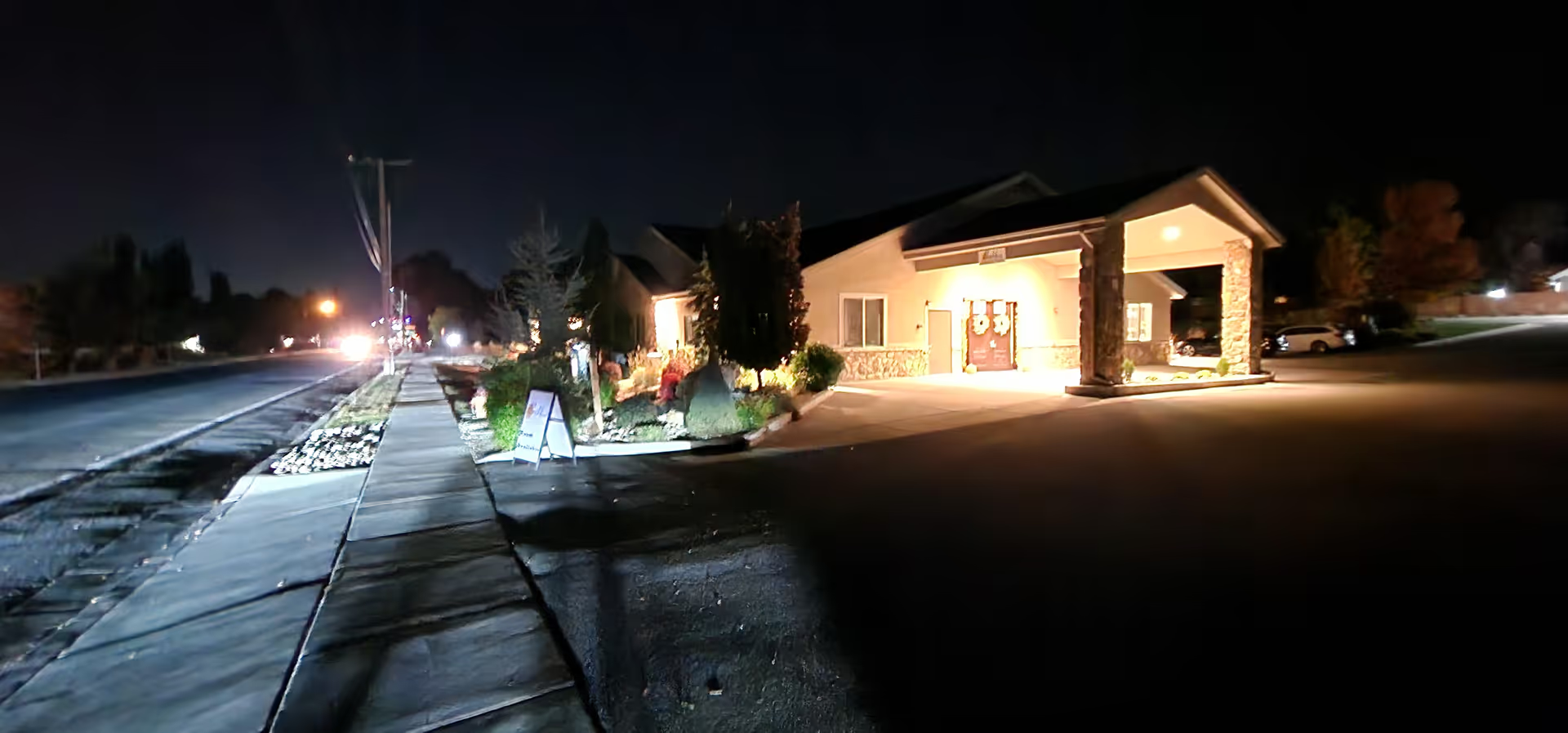
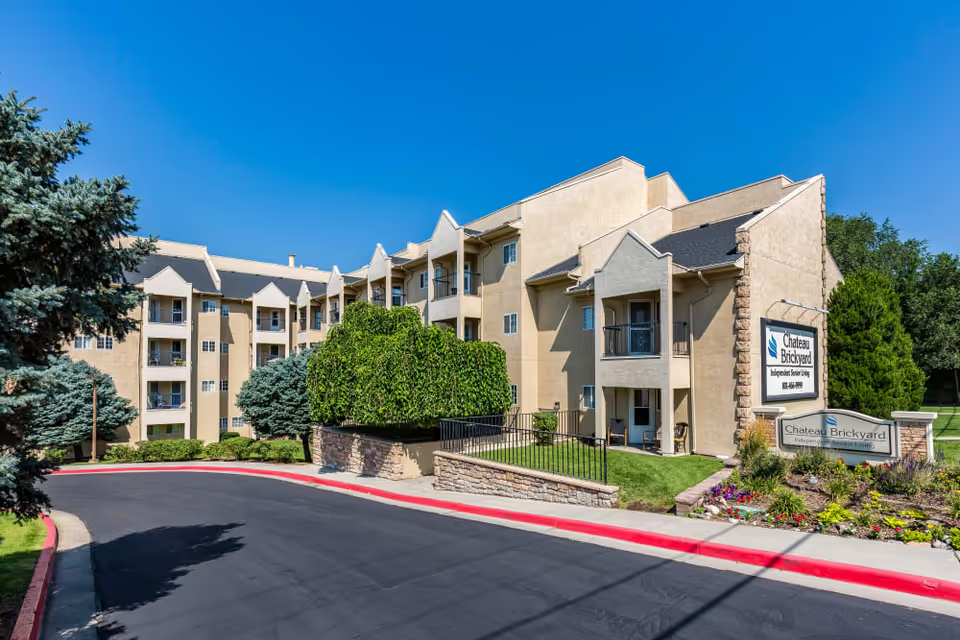
Facility accommodations are repeatedly described as comfortable and well maintained in initial impressions. At the management level, reviewers expressed concerns about transparency—specifically, unclear disclosures at intake about expectations, routines, and limitations of services. A few reviewers urged regulatory attention; while those are individual appeals rather than documented regulatory actions in the material provided, they underscore the need for prospective residents and families to obtain written policies, staffing ratios, behavior-management plans, and grievance procedures before committing.
Overall, the facility appears to offer a distinct, less institutional environment with potential benefits for residents seeking rehabilitative or recovery-oriented care and affordable, state-funded access. At the same time, patterns of inconsistent service delivery, limited transparency, and behavioral-management gaps warrant careful pre-admission due diligence: verify staffing consistency, ask for concrete examples of programming and incident-response procedures, and confirm how the facility will communicate changes to families.