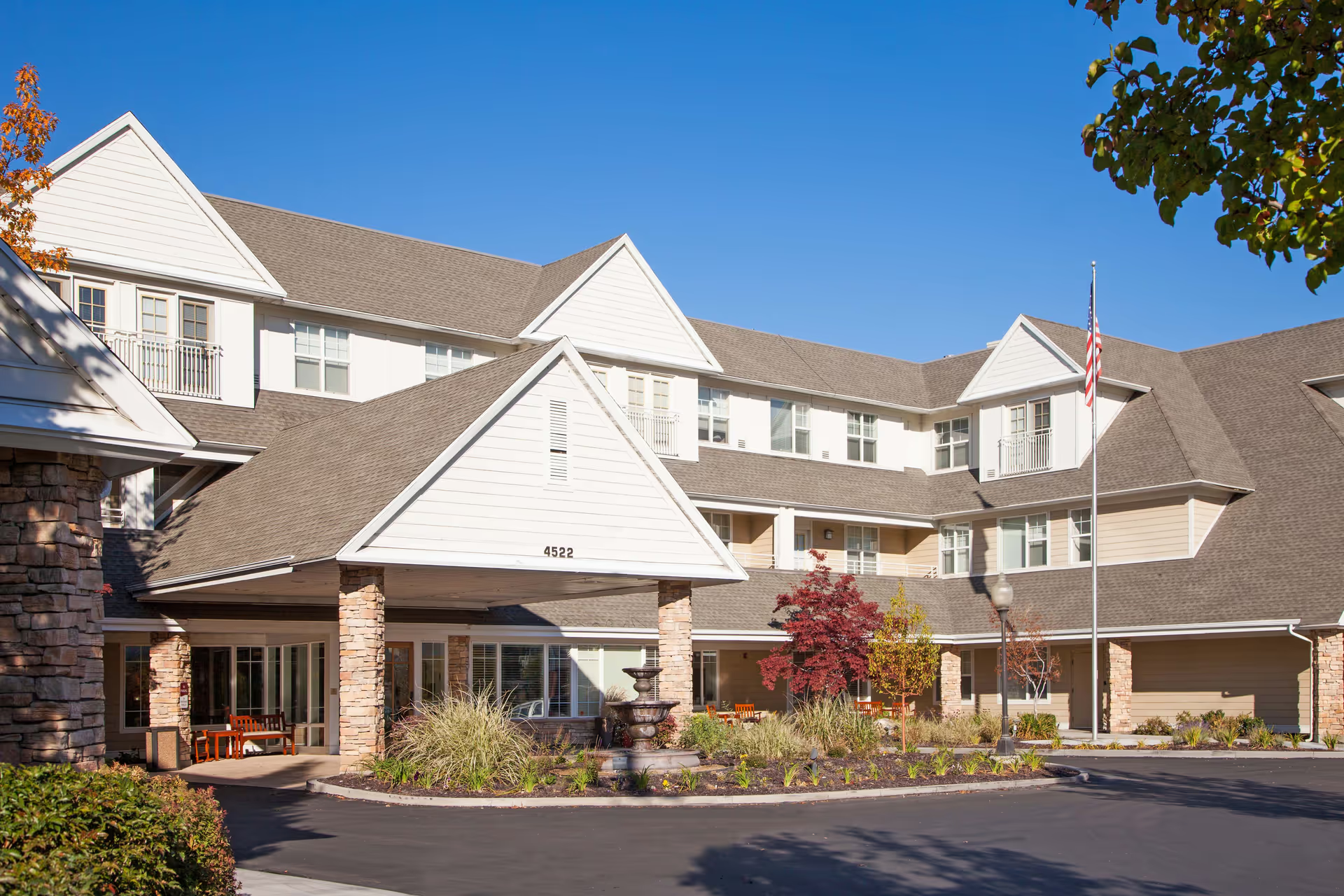
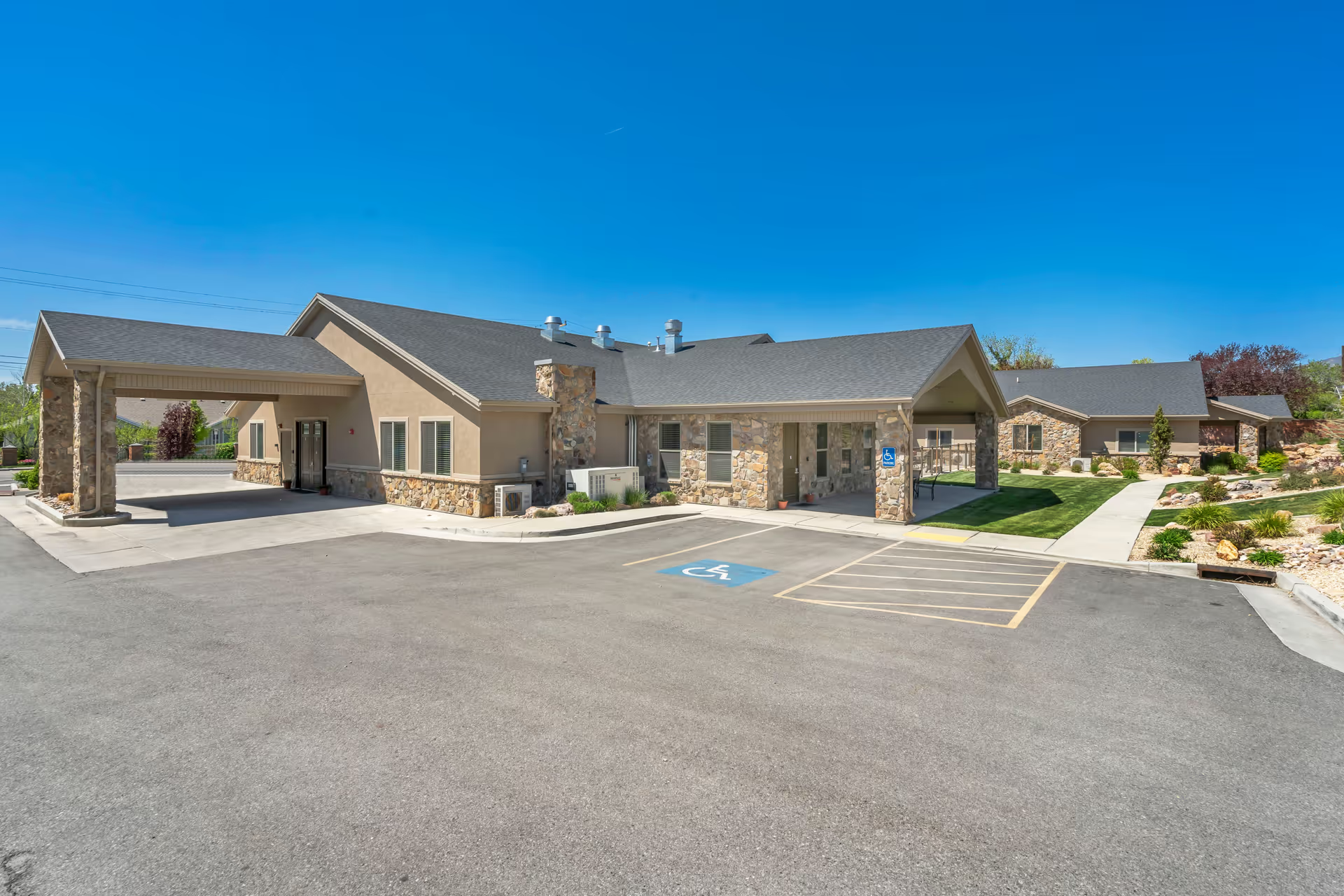
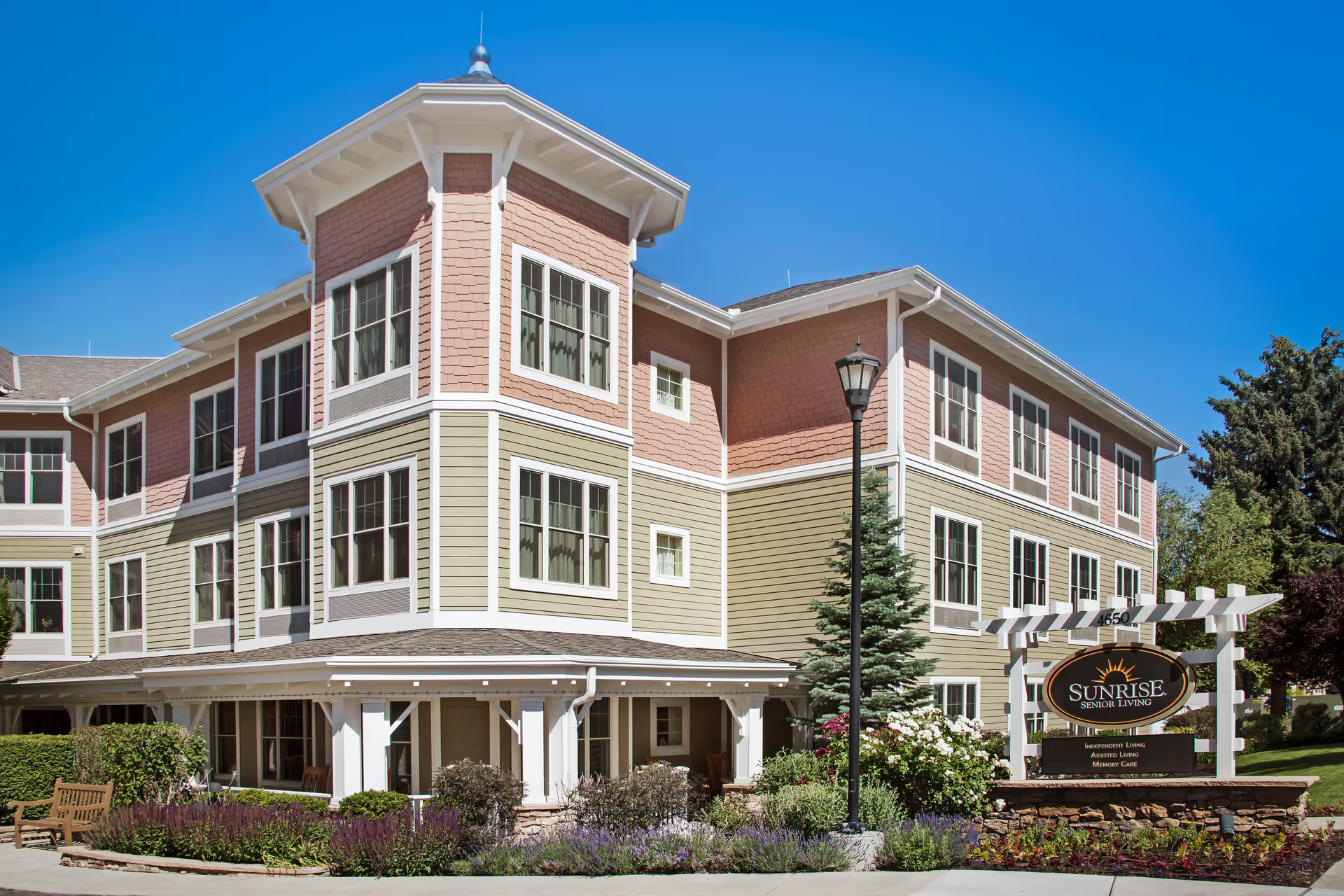
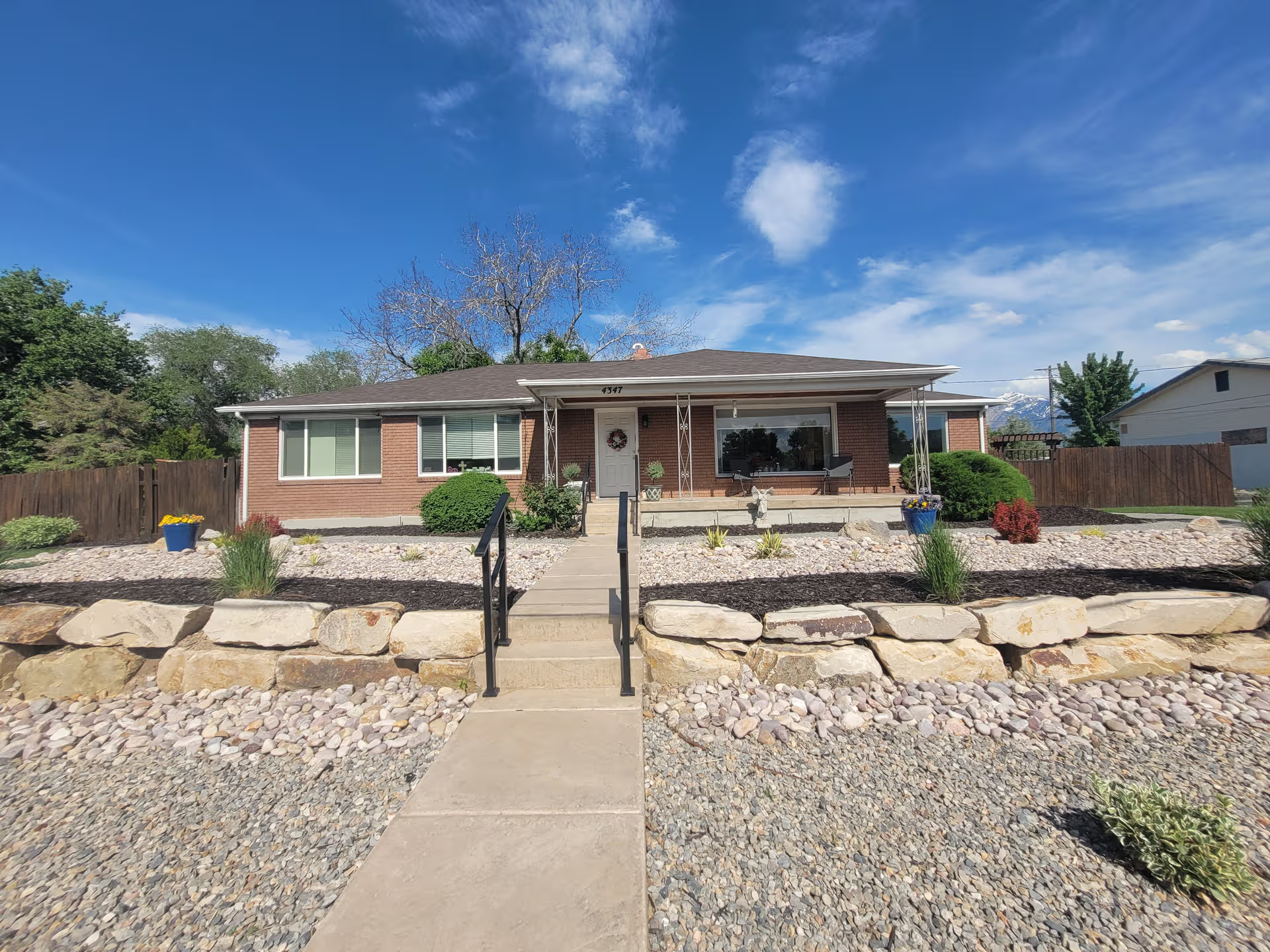
Highland Cove presents a largely positive profile for independent living residents, with consistent praise for staff warmth, individualized attention, and a strong dining program. Many families and residents highlight compassionate caregivers, knowledgeable administrative personnel, and specific staff members and directors who are proactive and solution-oriented. A common strength is the chef-led menu and flexible meal accommodations, with reviewers frequently citing variety, quality, and responsiveness to dietary needs.
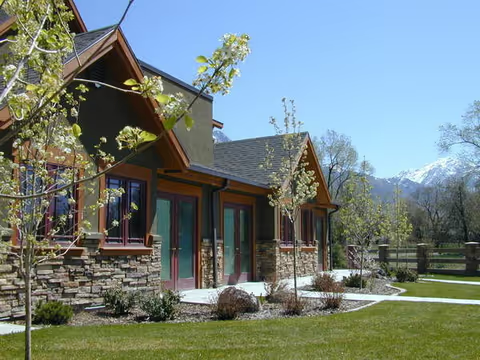
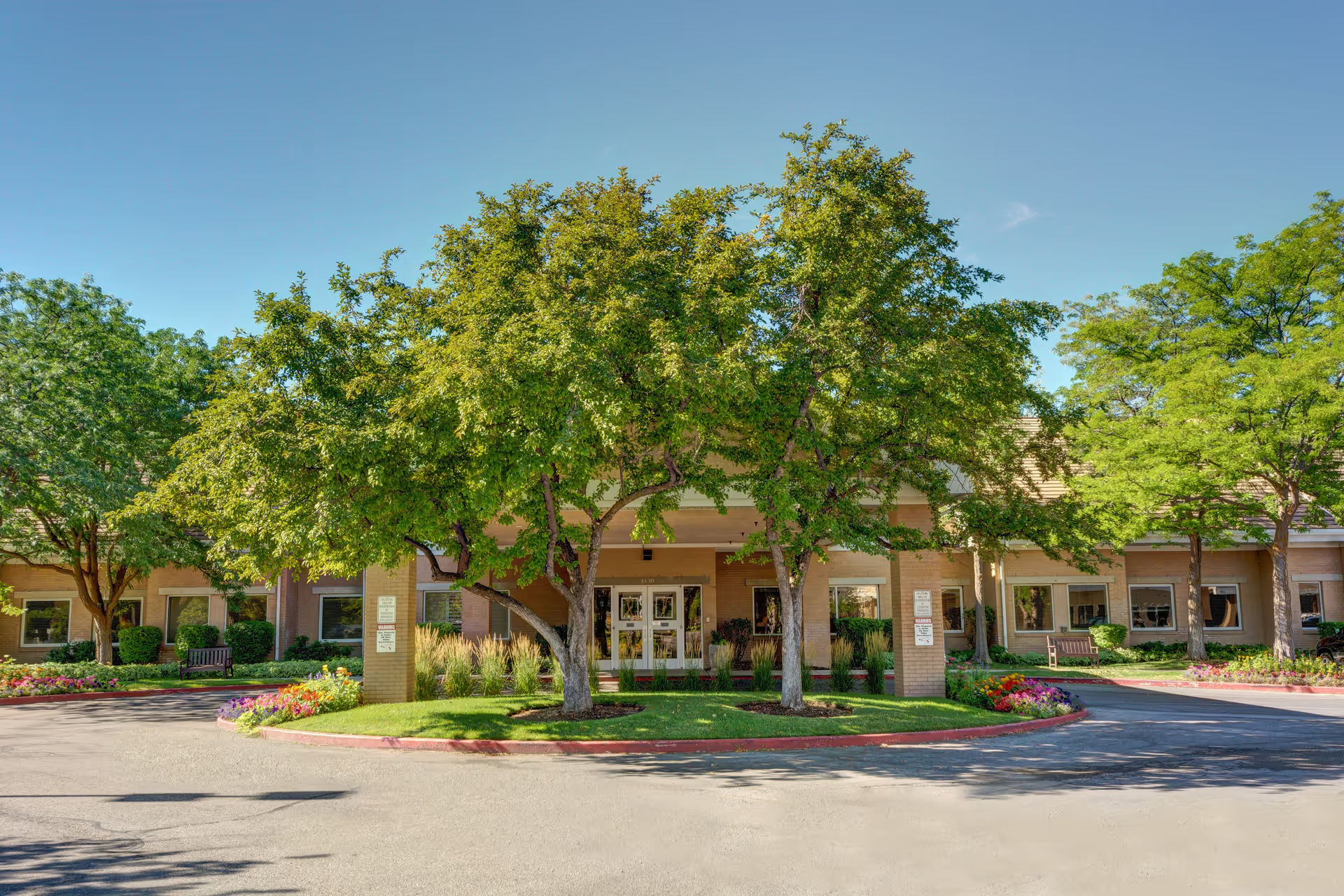
The community offers an active social calendar supported by an engaged activities team: daily programs, senior clubs, trips, and campus events are regularly mentioned. Amenities support an active lifestyle — exercise rooms, an activity center, salon, library, and on-site maintenance — and the 14-acre grounds, walking paths, gazebos, and outdoor seating are repeatedly described as park-like and well-maintained. Apartment-level features that receive positive attention include in-unit full kitchens, washers/dryers, private balconies, and larger two-bedroom layouts for those who prioritize space and independent living comforts.
Notwithstanding these strengths, there is a pattern of operational inconsistencies that prospective residents should consider. Staffing levels and administrative responsiveness appear variable: while many reviews praise long-tenured and attentive employees, others describe periods of staff shortages, leadership turnover, and declines in communication from the office. Maintenance responsiveness and sanitation quality are also mixed — the property has an on-site handyman and maintenance capability, yet some accounts indicate delays in addressing requests and cleanliness or odor concerns in certain common areas. Dining is generally well regarded, but there are isolated instances of service interruptions or variability when staffing is strained.
Facility design and unit variation are additional practical considerations. The campus is spread out, which contributes to attractive outdoor space but also creates long walks to the main dining hall and can make navigation challenging for residents with mobility limits; reviewers also note narrow hallways and small elevators. Assisted-living units were described by some as smaller and more clinical in feel compared with the independent-living apartments, and several studio layouts have limited storage. There are also comments about uneven renovation across buildings — some units are newer and more updated while others feel dated — and the community can reach full occupancy, resulting in waitlists.
A small number of reviews raise serious concerns about staff conduct, safety, and facility condition. One reviewer provided an especially negative account that includes allegations about professional conduct, safety, and sanitation; those claims stand in contrast to the many positive accounts and would merit direct inquiry during a tour. Overall, experiences at Highland Cove appear polarized: many residents and families describe a warm, active, and well-cared-for community, while other accounts point to episodic operational weaknesses.
For prospective residents and families, the pattern suggests value in an in-person assessment of the specific unit and building of interest, questions about current staffing levels and turnover, clarification of maintenance-response expectations, and review of dining service continuity and transportation policies. Doing so will help determine whether the community’s strong social life, dining program, and outdoor environment align with a particular resident’s care needs and mobility requirements.