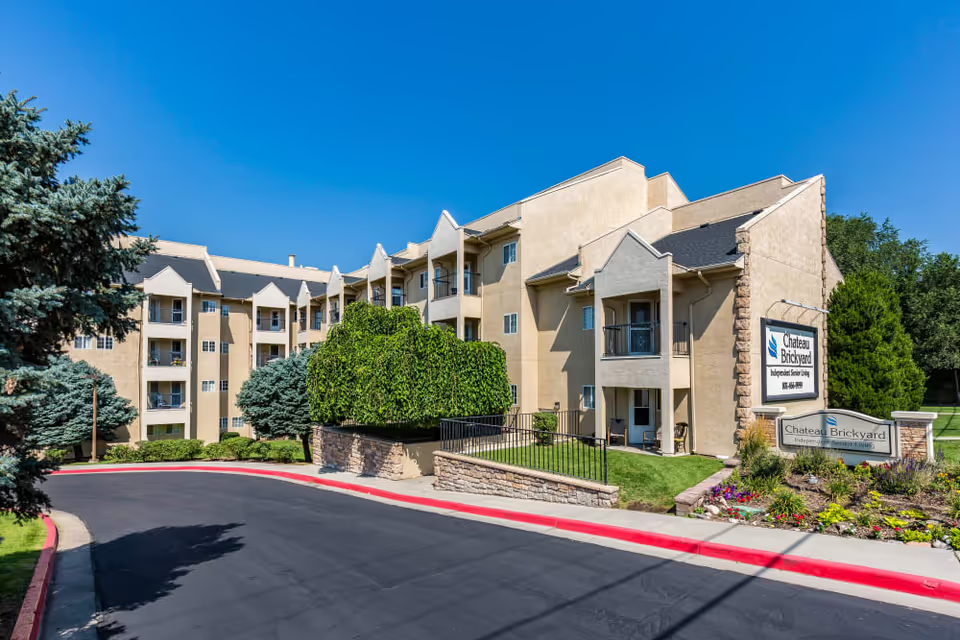
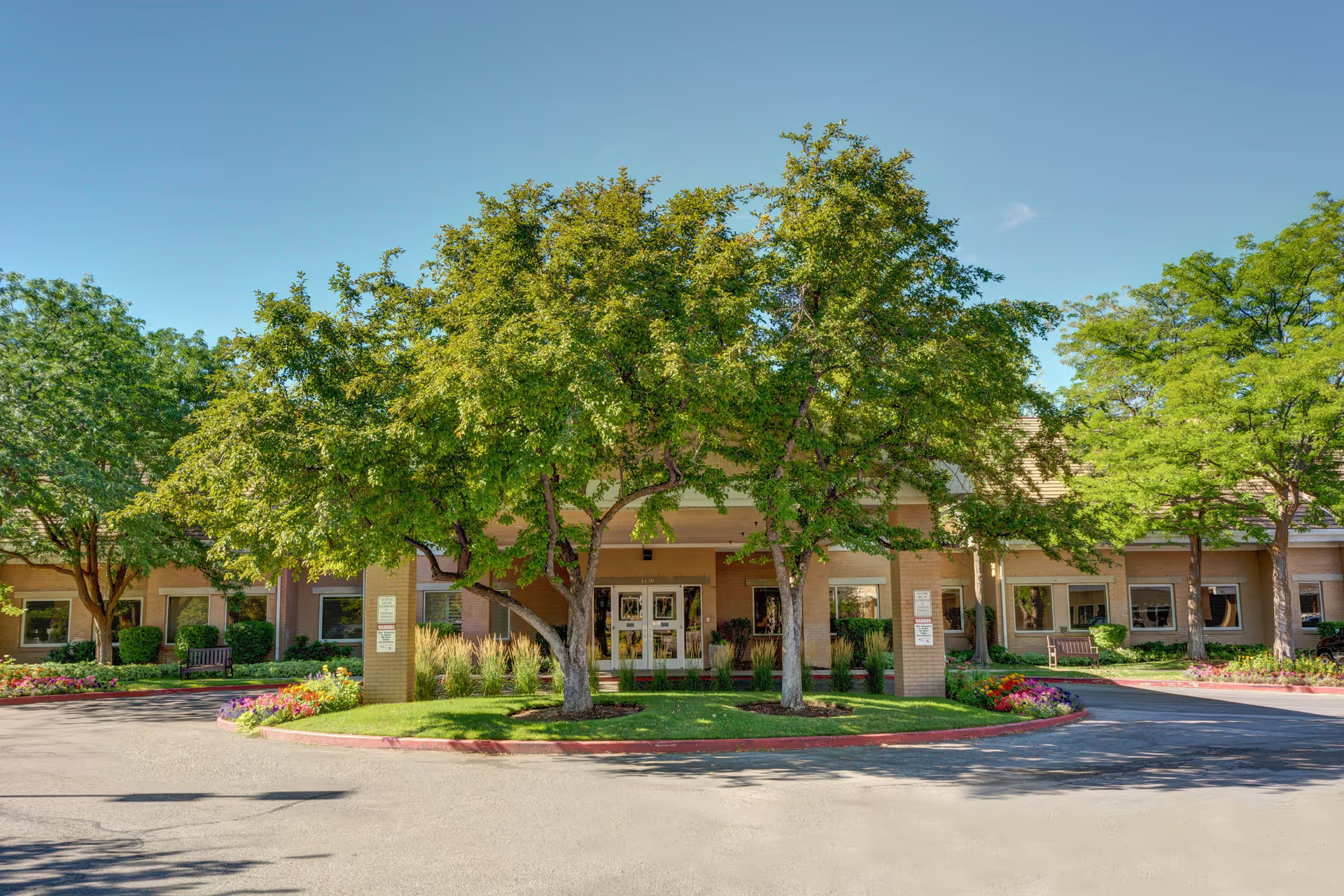
The reviews describe a facility with clear clinical strengths alongside recurring operational weaknesses. Clinical and rehabilitative services are a pronounced strength: the physical and occupational therapy teams receive frequent praise for clinical skill, encouragement, and measurable recovery outcomes. Multiple reviewers named individual therapists and noted an accessible rehabilitation gym and a therapy culture that motivates residents. Nursing care also elicits many positive comments about compassion and attentiveness; frontline caregivers are often described as caring and invested in resident well-being.
Counterbalancing those positives are consistent system-level issues that affect day-to-day experience. Staffing shortages and a heavy reliance on temporary or agency personnel are recurring themes; reviewers link these staffing patterns to variability in care continuity, longer wait times for assistance, and uneven skill or professionalism among frontline staff. Medication administration and scheduling are highlighted as areas of concern, with several accounts of delays or coordination problems that suggest gaps in medication-management workflows. Communication gaps extend to coordination with external providers and hospice teams, and some families experienced administrative follow-up failures when raising concerns.
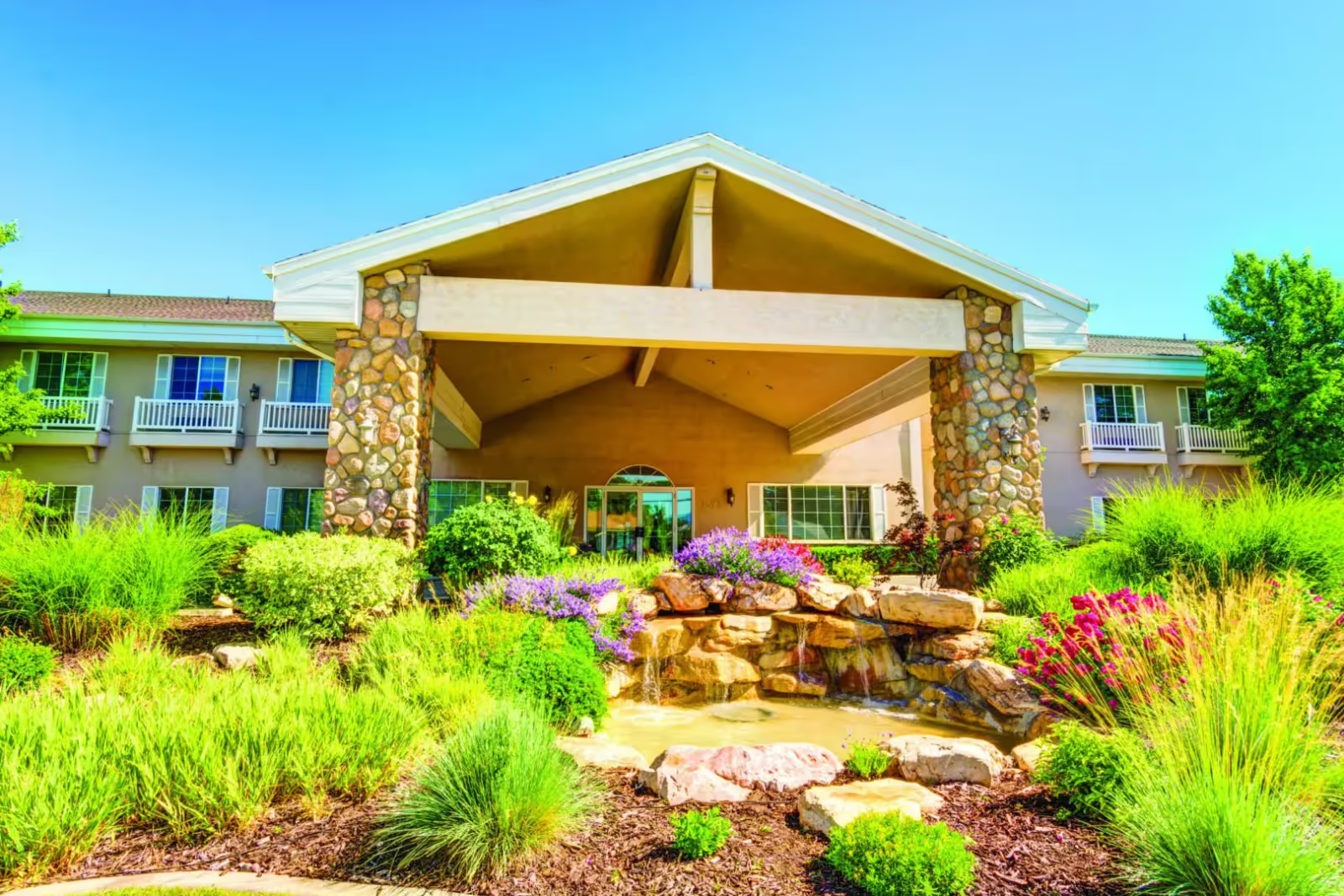
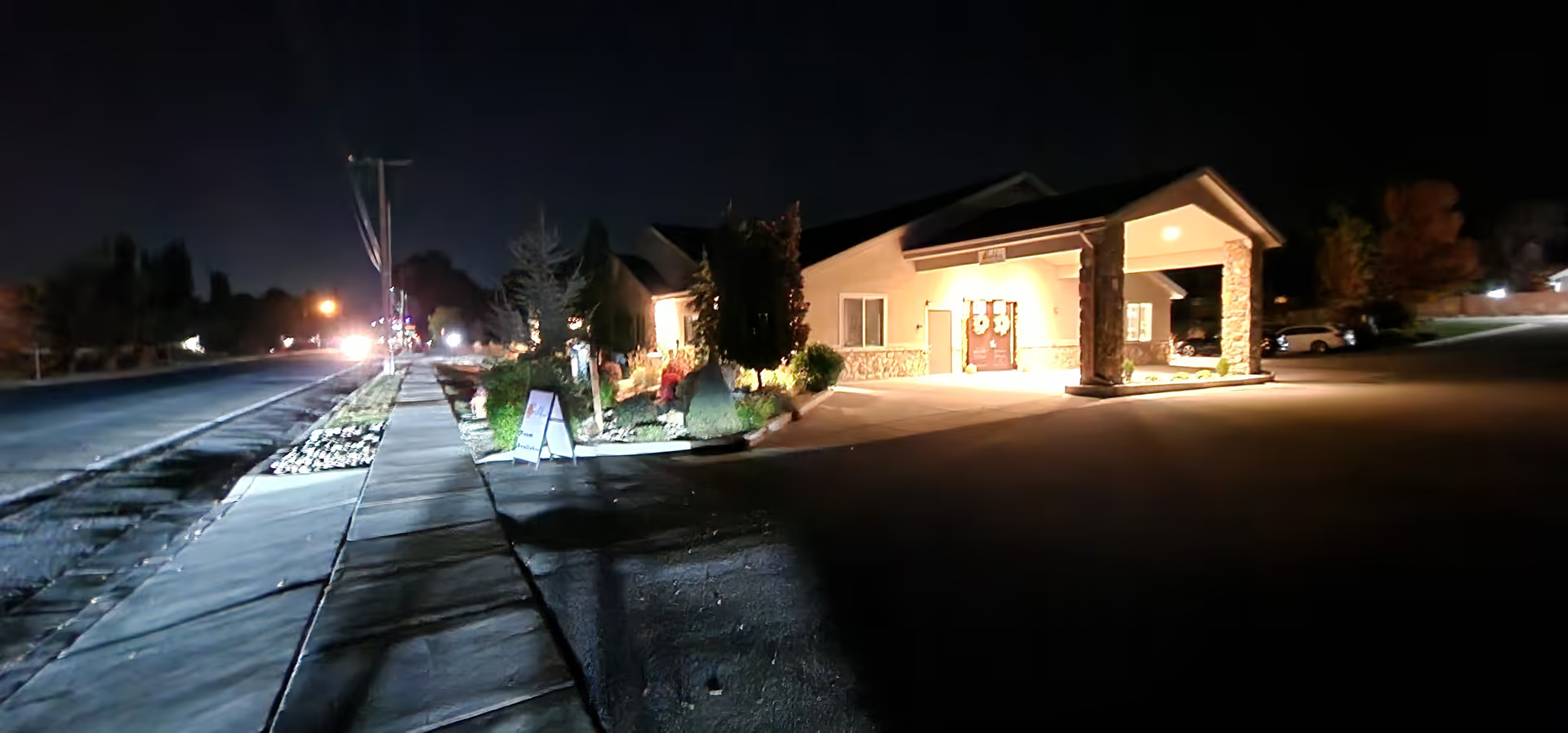
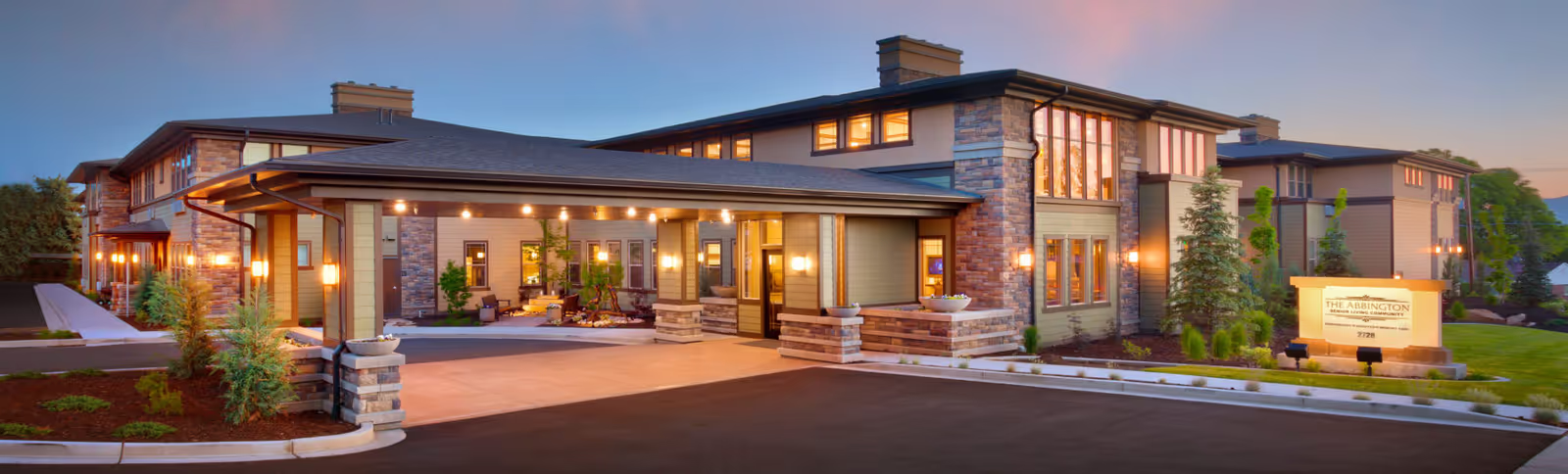
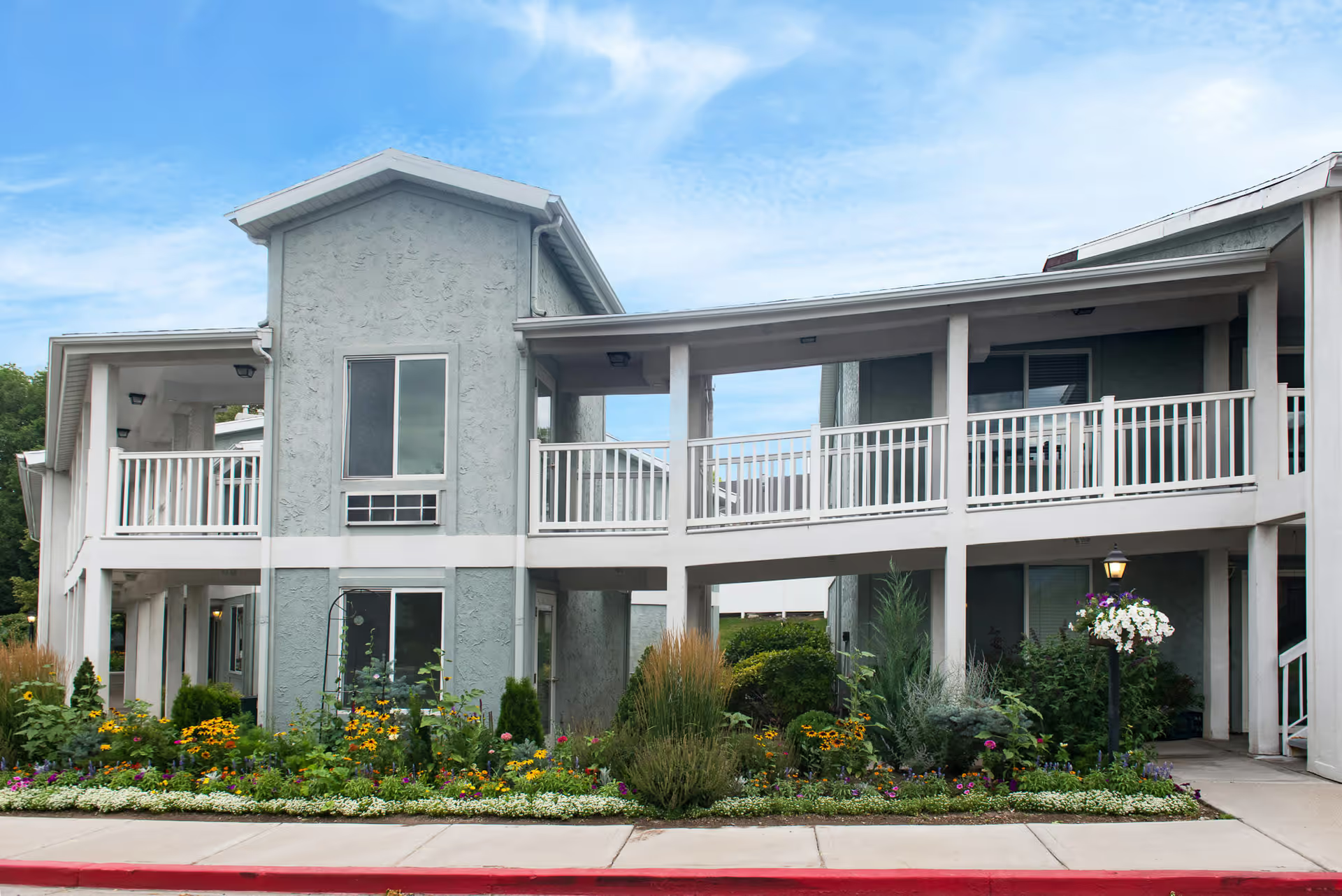
Dining, housekeeping, and facilities show mixed results. Some families praise accommodating kitchen staff and well-balanced meals, while others describe undercooked or inedible food and failures to adhere to special diets, indicating inconsistent meal-quality controls. Cleanliness and maintenance assessments are similarly mixed: review content ranges from recognition of hardworking housekeeping staff to sanitation concerns, odor issues in common areas, and pest-control problems in parts of the building. Facility maintenance items such as room heating and aging infrastructure were noted, along with reports that marketing images may not reflect all room conditions.
Management and administrative performance appears uneven. Several reviewers found directors and some managers responsive and values-driven, and social services received positive mention for advocacy and coordination. At the same time, other families reported slow or ineffective responses from upper management, admissions, and HR, as well as problems with lost or mishandled personal belongings and laundry controls. These governance and accountability gaps magnify clinical and operational issues where consistent oversight is needed.
Notable patterns are the strong rehabilitation program and many compassionate individual caregivers contrasted with variability in operational reliability. Prospective residents and families would benefit from in-person observation and targeted questions: inquire about current staffing ratios and use of agency staff, medication-administration protocols and audit processes, dietary management and special-diet adherence, property and laundry safeguards, pest-control measures, and recent facility maintenance work. Asking for references to recent families and for a tour of therapy areas, dining, and representative resident rooms can help assess whether recent improvements have addressed previously raised concerns.