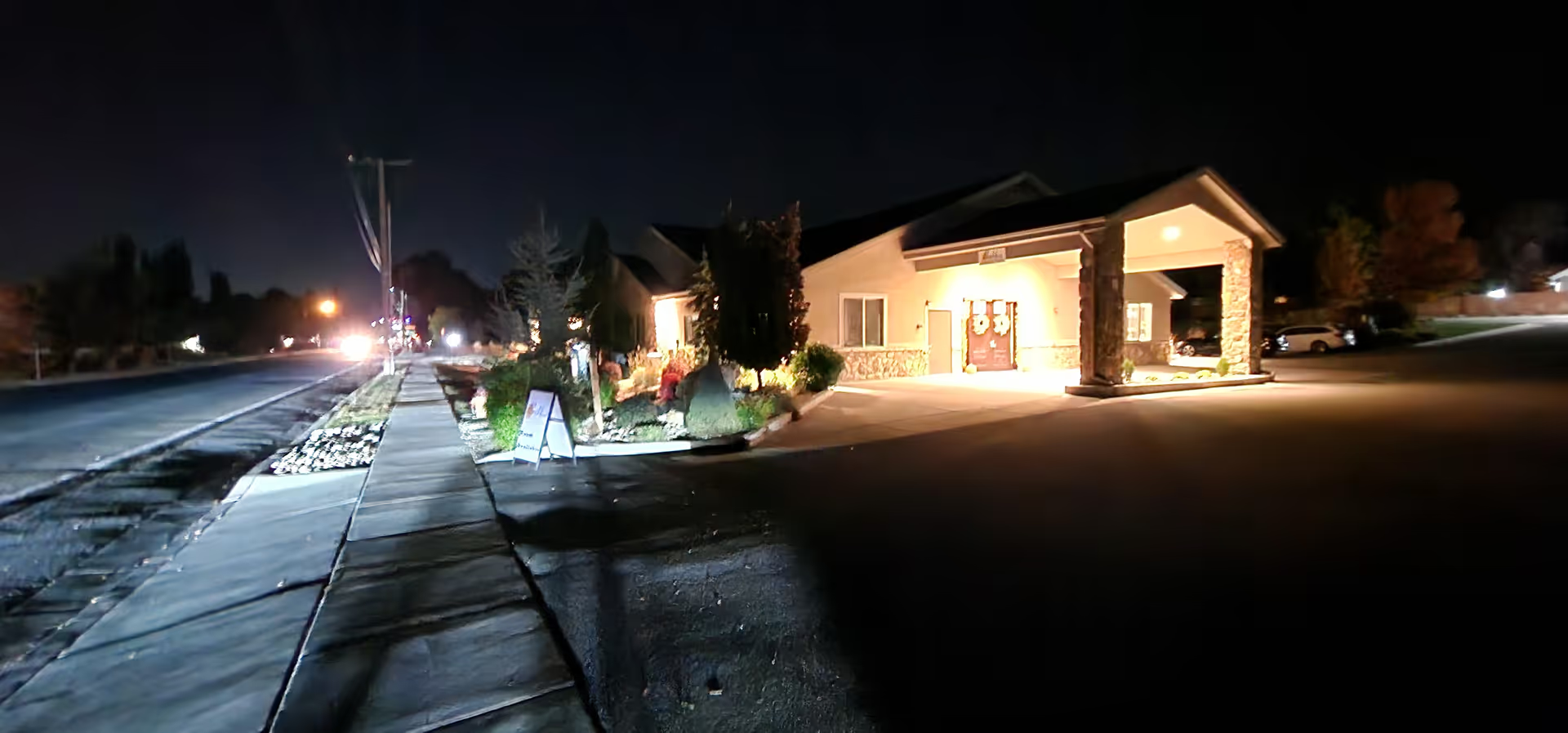
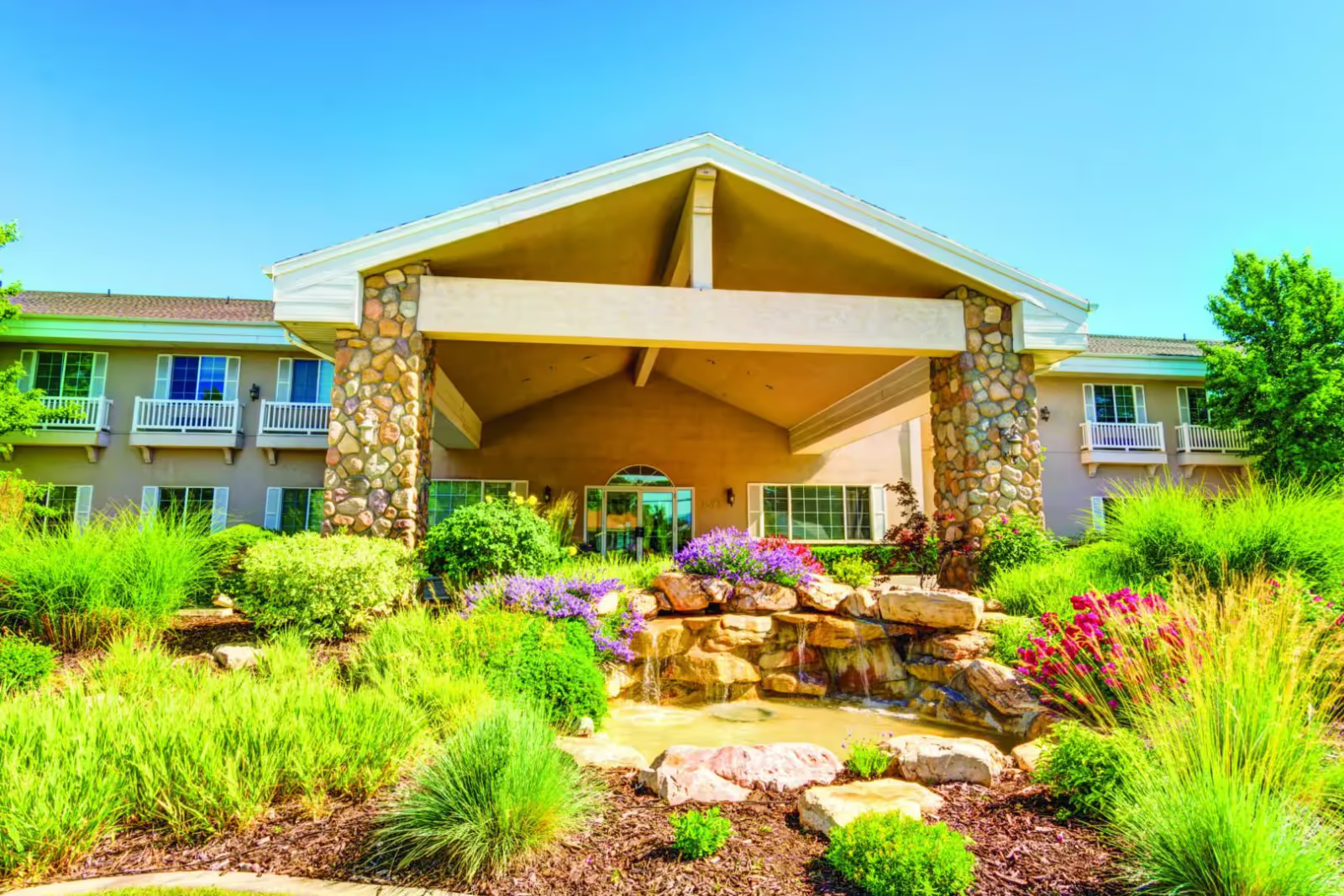
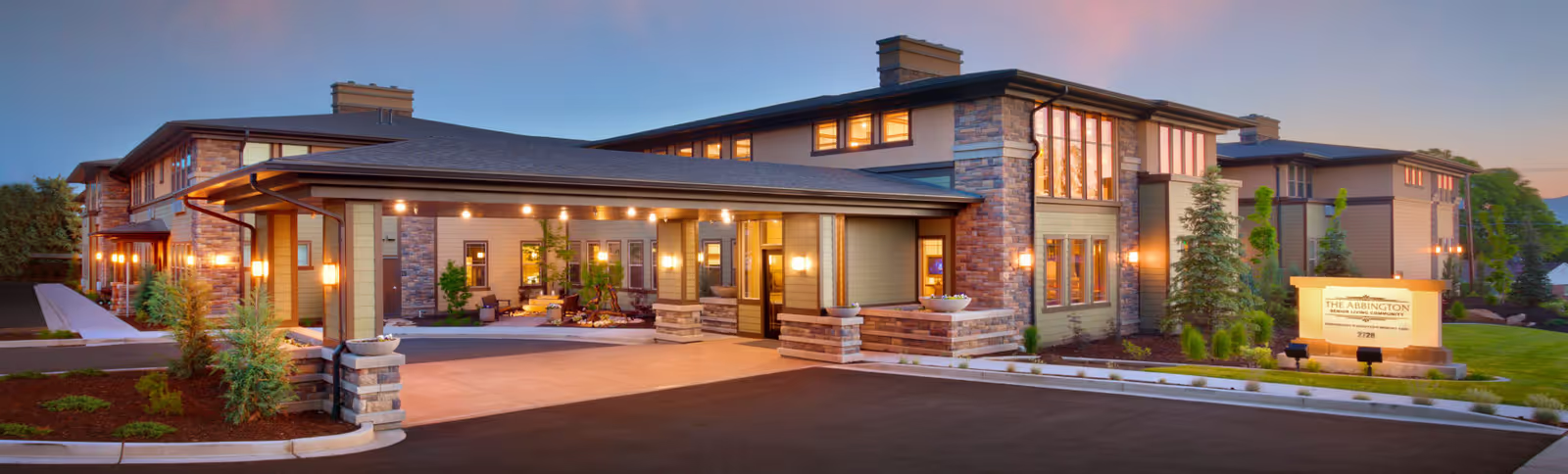
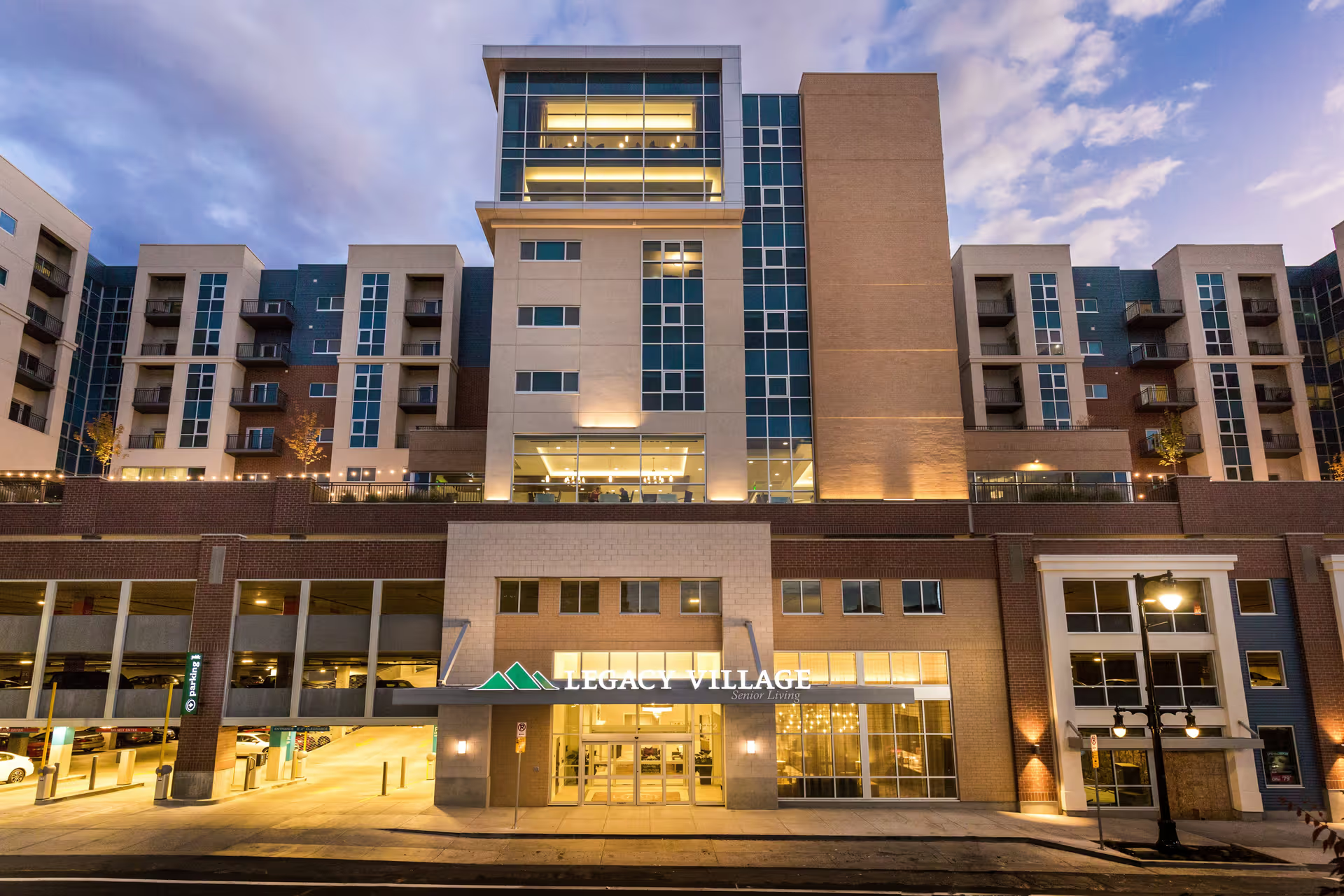
The Ridge Foothill presents as a newer, hotel‑style assisted living and memory‑care community with many market strengths. Reviewers consistently praise the property’s modern design, scenic valley and mountain views, spacious apartments with premium finishes, and well‑maintained common areas. The community offers an extensive set of amenities — theater, salon, exercise space, art room, demonstration kitchen, and multiple gathering areas — and a robust activities program that many families and residents find engaging. Move‑in and transition processes are often described as smooth, and the facility’s partnerships with on‑site home health and hospice resources are noted positively.
Care and staffing elicit mixed but clearly patterned feedback. Numerous accounts highlight engaged, compassionate caregivers and standout activity staff who provide personalized attention and build social connections. At the same time, reviewers report recurring operational problems consistent with staffing instability: variable performance across shifts, slower response times to call buttons, and instances where clinical follow‑up and family communication were inadequate. There are also recurring concerns about medication administration documentation and timeliness; these are presented as systemic process gaps rather than isolated praise‑worthy events. Prospective families should ask for current staffing ratios, clinical oversight protocols, and examples of how the facility escalates and documents incidents.
Dining and housekeeping are other areas of contrast. Many reviewers commend the food quality, generous menus, and dietary accommodation efforts; several describe restaurant‑style service and chefs who provide varied, enjoyable meals. Conversely, some families experienced long meal delays, cold items, and uneven kitchen standards on particular shifts. Housekeeping is typically cited as a strength (weekly apartment cleaning and included laundry services), but there are intermittent reports of sanitation and waste‑disposal inconsistencies in certain units and common areas. During a tour, visitors should sample meal service timing, review menu cycles and allergen procedures, and confirm housekeeping schedules and quality-assurance checks.
Facility design and programming receive largely positive marks: accessible rehab spaces, theater and activity offerings, outdoor patios with barbecue/fire‑pit areas, and thoughtful finishes that preserve dignity. However, the community’s scale and some corporate processes feel impersonal to a few families; parking and site access on Foothill Drive have been called awkward during peak traffic. Management feedback varies — some reviewers applaud proactive leadership and pandemic‑era safety innovations, while others cite uneven administrative follow‑through, policy changes (transportation/ride programs), and memory‑care leadership turnover. These patterns suggest that operational consistency, particularly around management communication and policy stability, may fluctuate over time.
Overall, The Ridge Foothill offers strong physical assets, a broad activity and amenity set, and many caring staff members who create meaningful experiences for residents. The notable operational risks to evaluate in person are staffing consistency, clinical and medication oversight procedures, incident‑reporting and family‑communication practices, and the reliability of dining and housekeeping services. Families touring the community should request up‑to‑date staffing ratios, examples of clinical documentation and incident follow‑up, recent inspection or quality reports, a meal‑service sample, and clarification of contract fees and transportation policies to determine whether the community’s strengths align with their care expectations.