Overall impression: Reviews indicate a community with strong strengths in frontline caregiving, dining quality, social programming, and campus amenities, alongside operational gaps that prospective residents and families should evaluate further.
Care quality and staff: Families and residents frequently praise the compassion, availability, and personal attention provided by CNAs, nurses, and activity staff. Multiple staff members and directors receive specific commendation for hands-on support and follow-through, and long staff tenure is cited as a stabilizing factor. At the same time, there are notable concerns specific to the memory-care program: reviewers describe inconsistencies in dementia-specialty training and raise medication-management concerns. These issues suggest a mixed picture where day-to-day empathy and relationship-based care are strong, but clinical and dementia-specific protocols may be uneven and warrant direct inquiry during tours.
Dining: Dining is a consistent strength in many accounts — described as restaurant-style with extensive menu choices, special meals (brunch/Sunday buffets), an Anytime Café option, and responsive dining leadership. That said, reviewers also describe variable meal-service execution, including slow service, staff unpreparedness, and occasional uneven food quality. Prospective residents will likely enjoy the menu variety and dining experience overall, but should ask about peak-time staffing and meal-service continuity.
Activities and social life: The activity program is repeatedly highlighted for breadth and engagement: fitness classes, outings (theatre, shopping, cultural events), games (bingo, card games, WII bowling), and regular on-campus entertainment. These offerings contribute to a lively community atmosphere and improved quality of life for many residents. Some residents who are less inclined to self-initiate participation felt they did not fully access available programming, indicating that outreach and individualized activity engagement can vary.
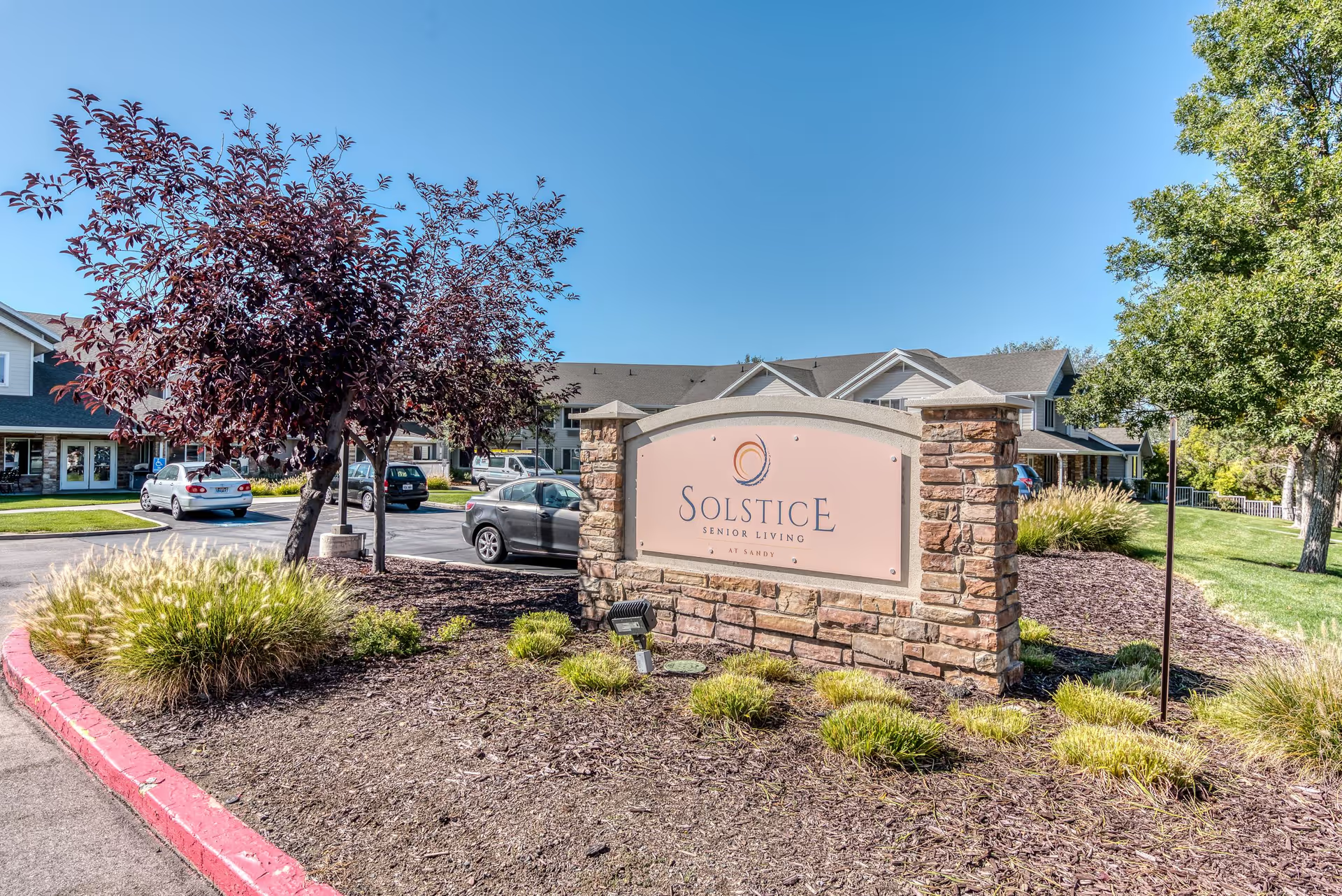
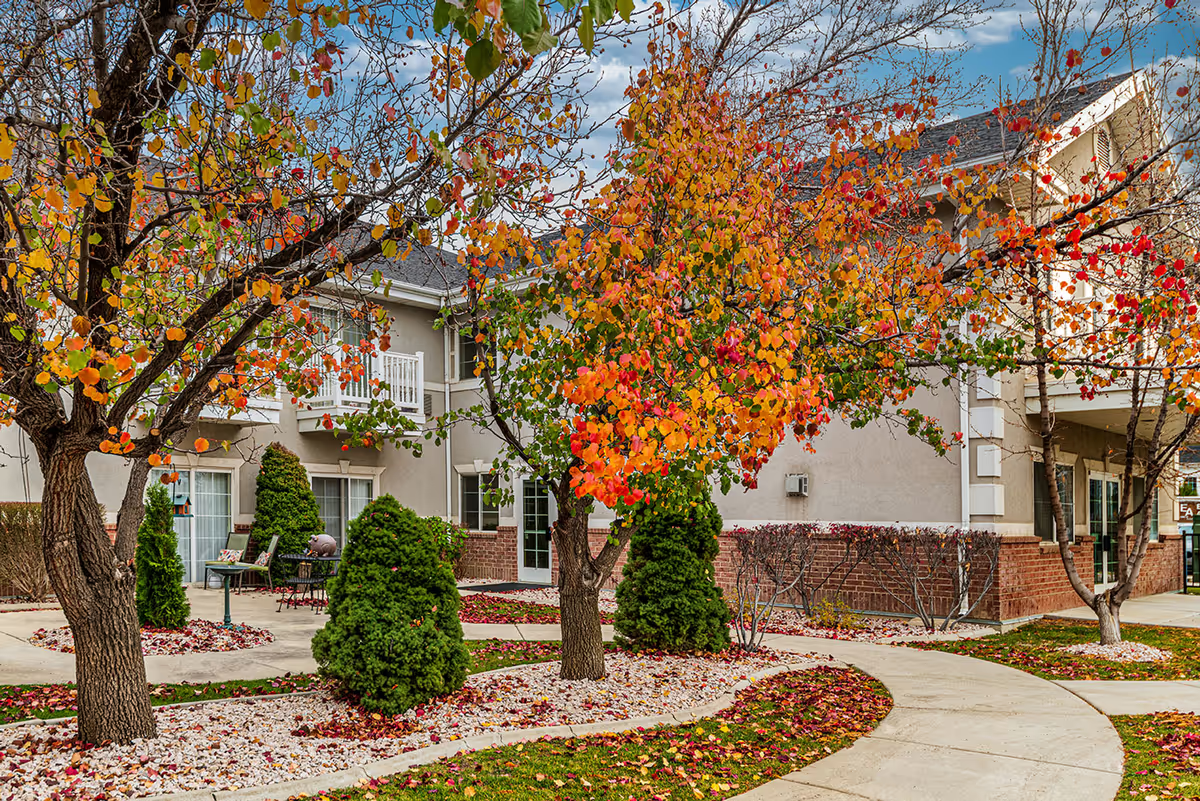
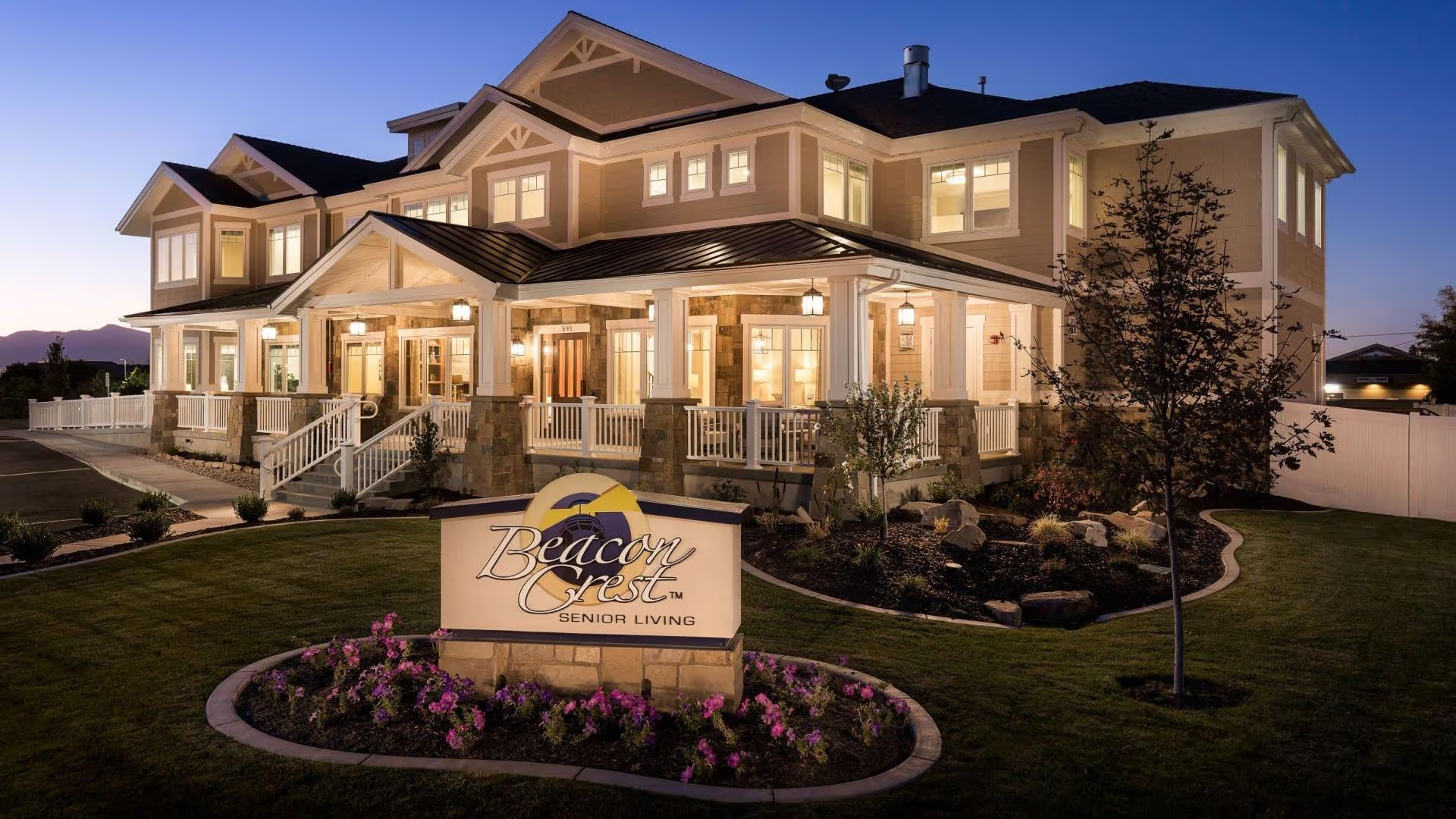
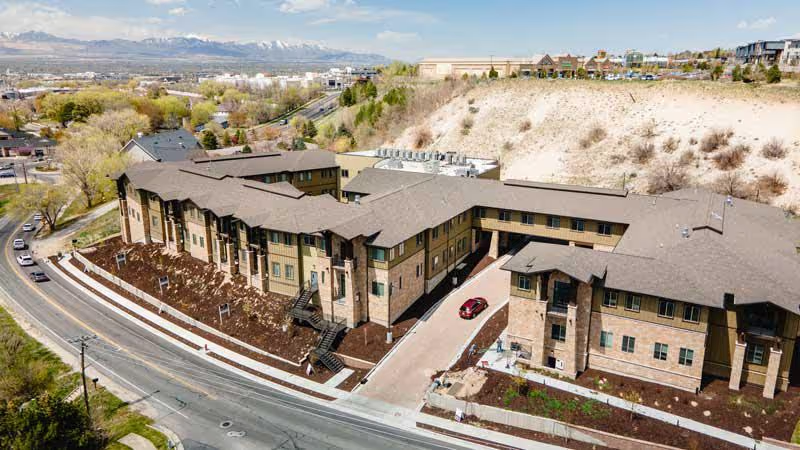
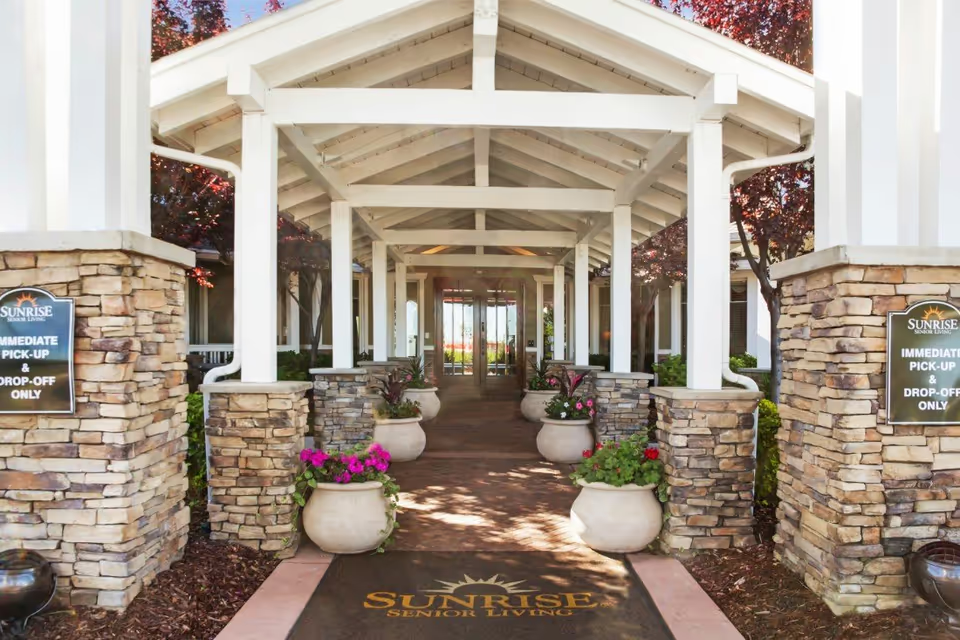
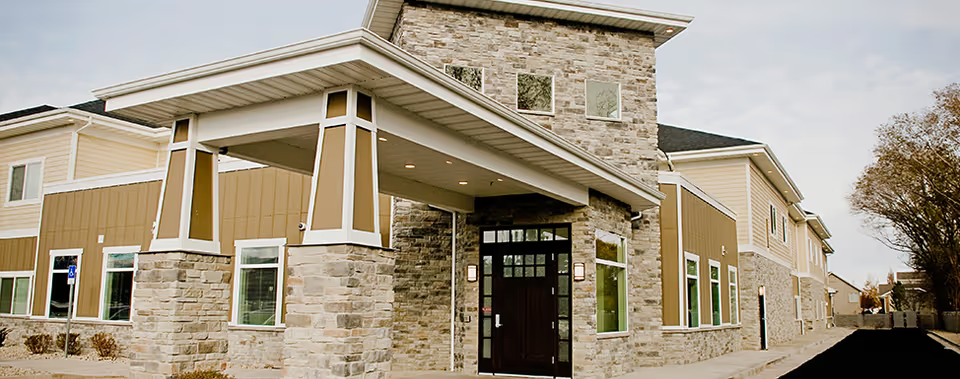
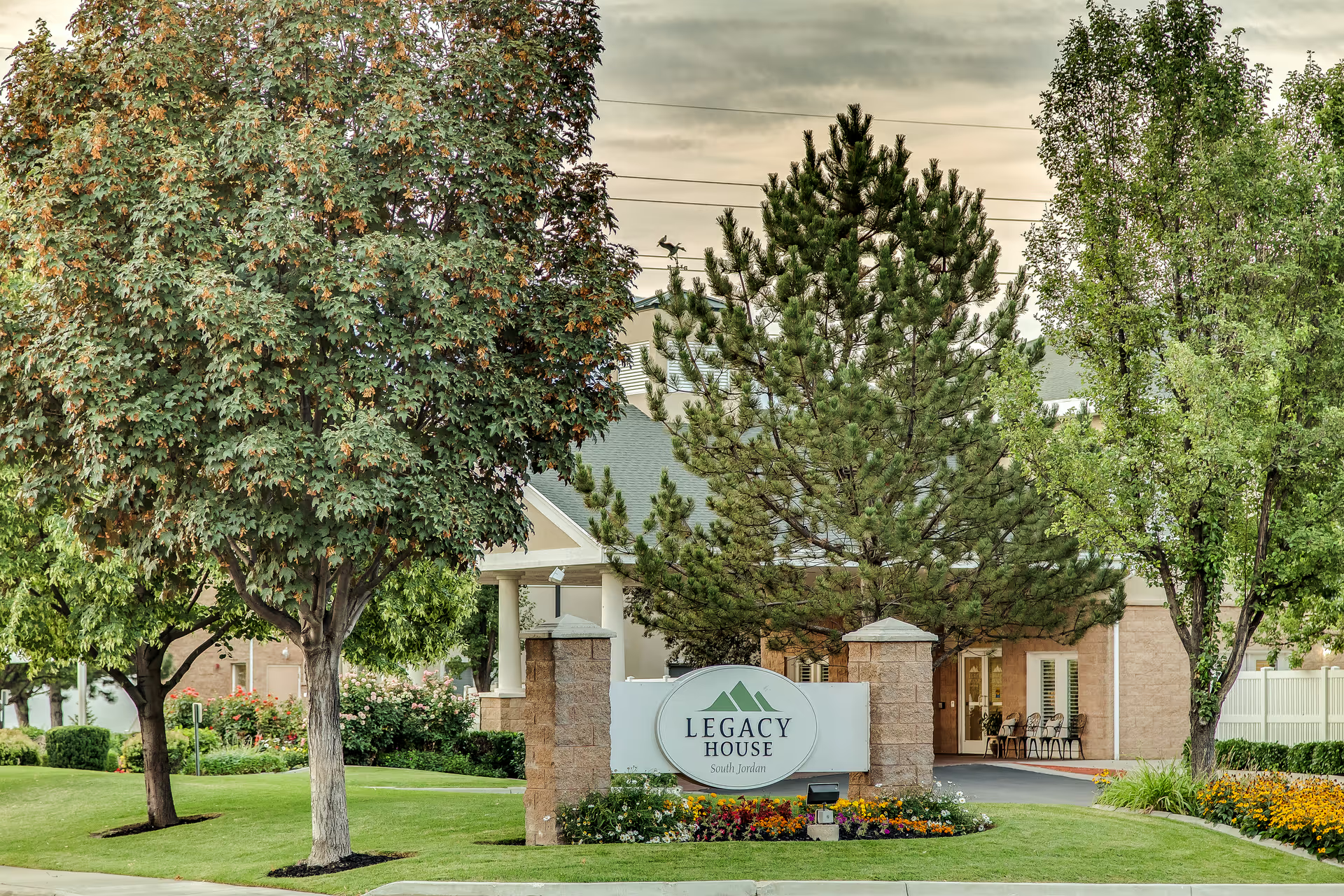
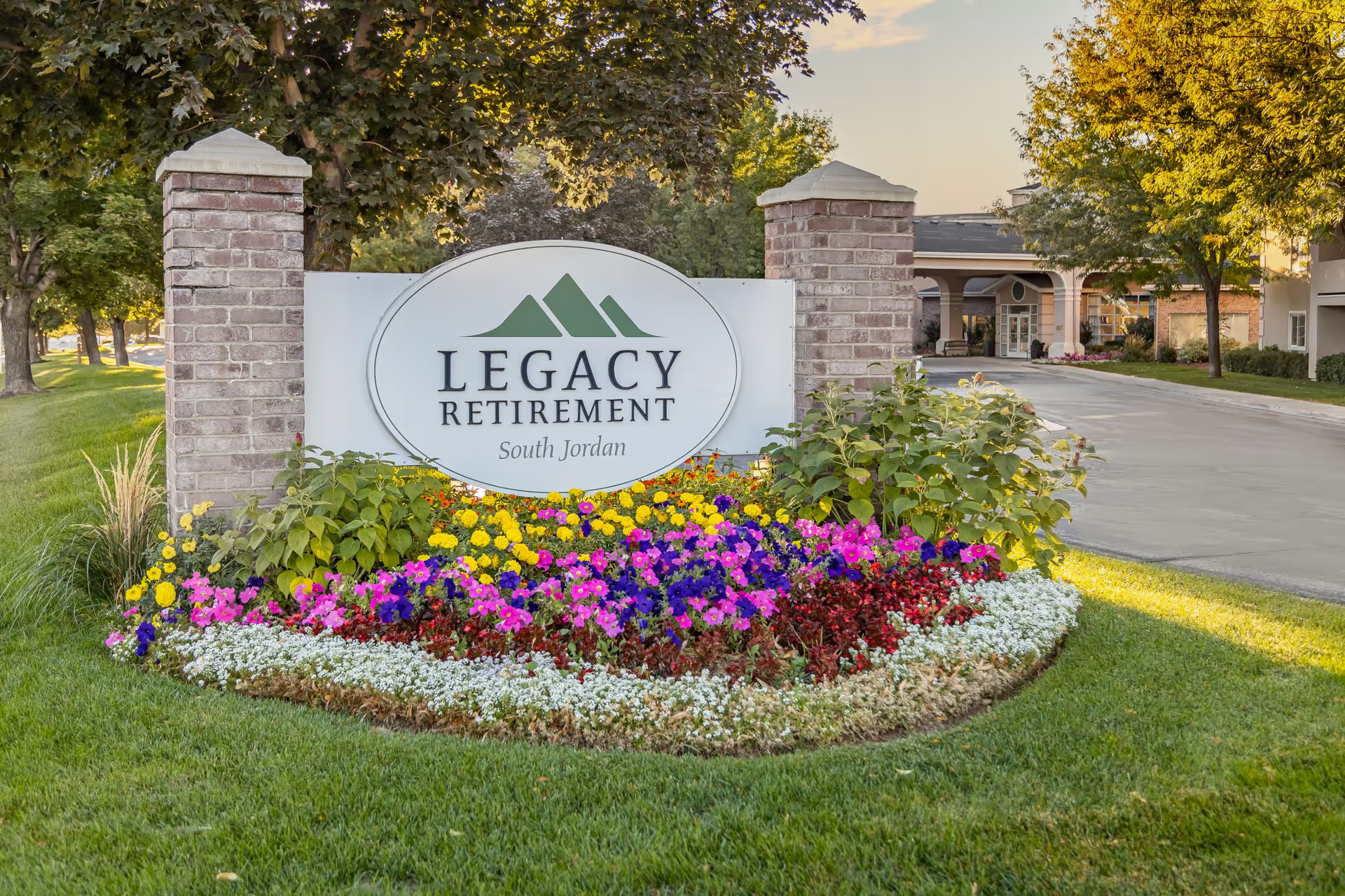
Facilities and services: The campus and landscaping receive high marks for appearance and upkeep. On-site services such as a beauty salon, visiting clinicians, and doctor visits add convenience. Renovations and remodeling are mentioned, with generally positive results. However, memory-care physical space is described as limited — small common areas and a compact courtyard — which may affect residents who need expanded secure outdoor space. Apartment sizes and storage vary; some residents find units small with limited closet space. Maintenance responsiveness and cleanliness are often praised, but isolated sanitation and odor concerns in some private rooms are flagged and should be checked during a visit.
Management, policies, and operations: Leadership and administrative staff receive both praise and critique. Several families commend directors and administrative responsiveness; others note leadership changes and variable communication. Facility-level policies, such as restrictive off-campus quarantine rules during infectious periods and pricing of ancillary services (e.g., salon), are operational traits that may affect resident access to outside services and out-of-pocket costs. Additionally, reviewers note periodic understaffing and variability in nighttime staffing and security coverage, which can influence response times and perceived safety. Transparency around additional care charges and billing practices is an area to clarify.
Notable patterns and recommendations: The strongest, consistent themes are dedicated, personable staff; robust social programming; and high-quality dining and campus aesthetics. Areas that recur as concerns are dementia-specific clinical practices, medication oversight, dining-service consistency, privacy/room protocols, and occasional cleanliness or billing issues. Prospective residents and families should prioritize direct questions on dementia training, medication-review procedures, privacy policies (room-entry and checks), staffing levels at night and during mealtimes, and any additional fee structures. An in-person tour that inspects memory-care common areas, recent renovations, apartment condition, and speaks with nursing leadership will help validate the fit between the facility's many strengths and the specific clinical or operational needs of a resident.