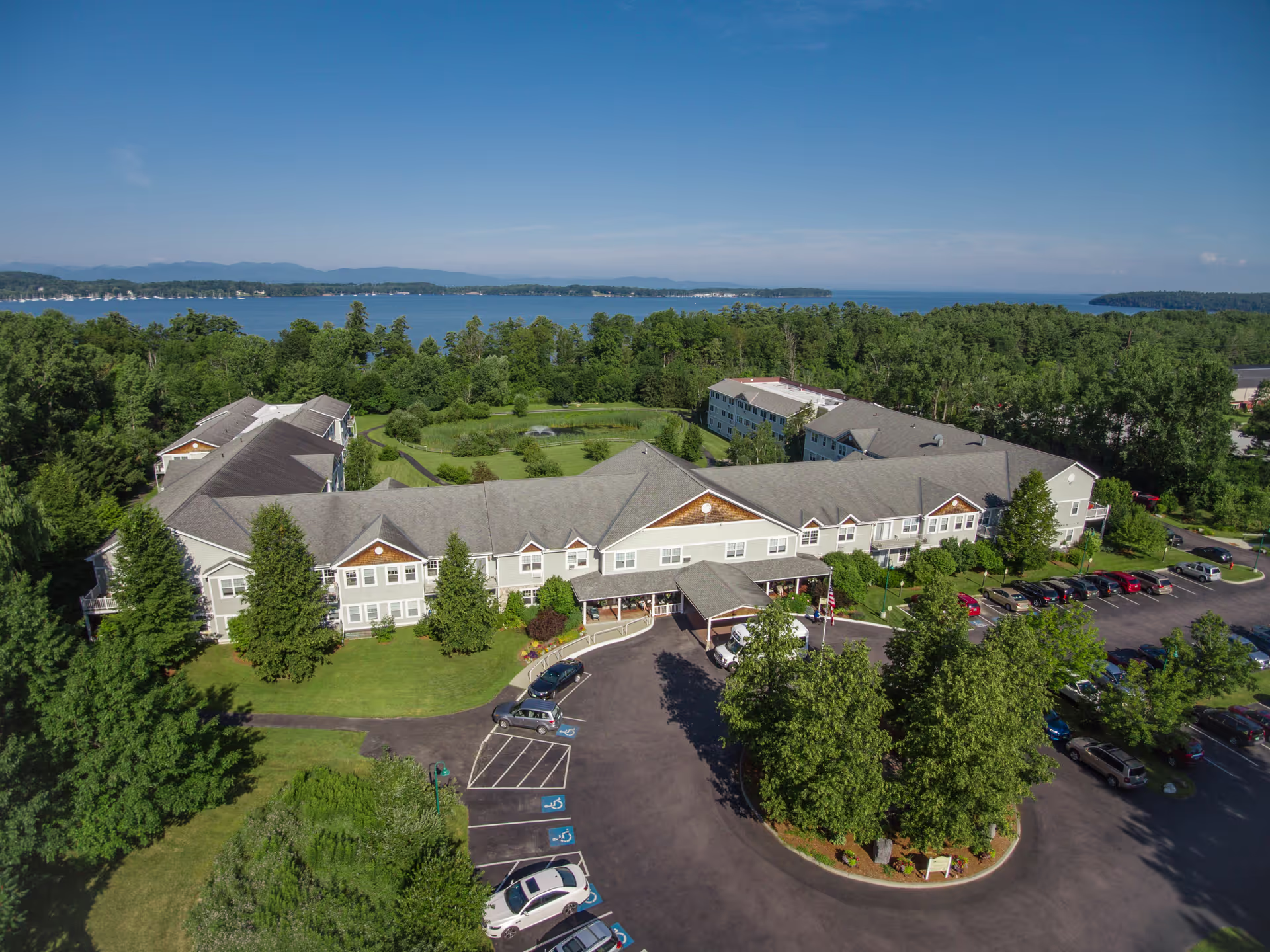
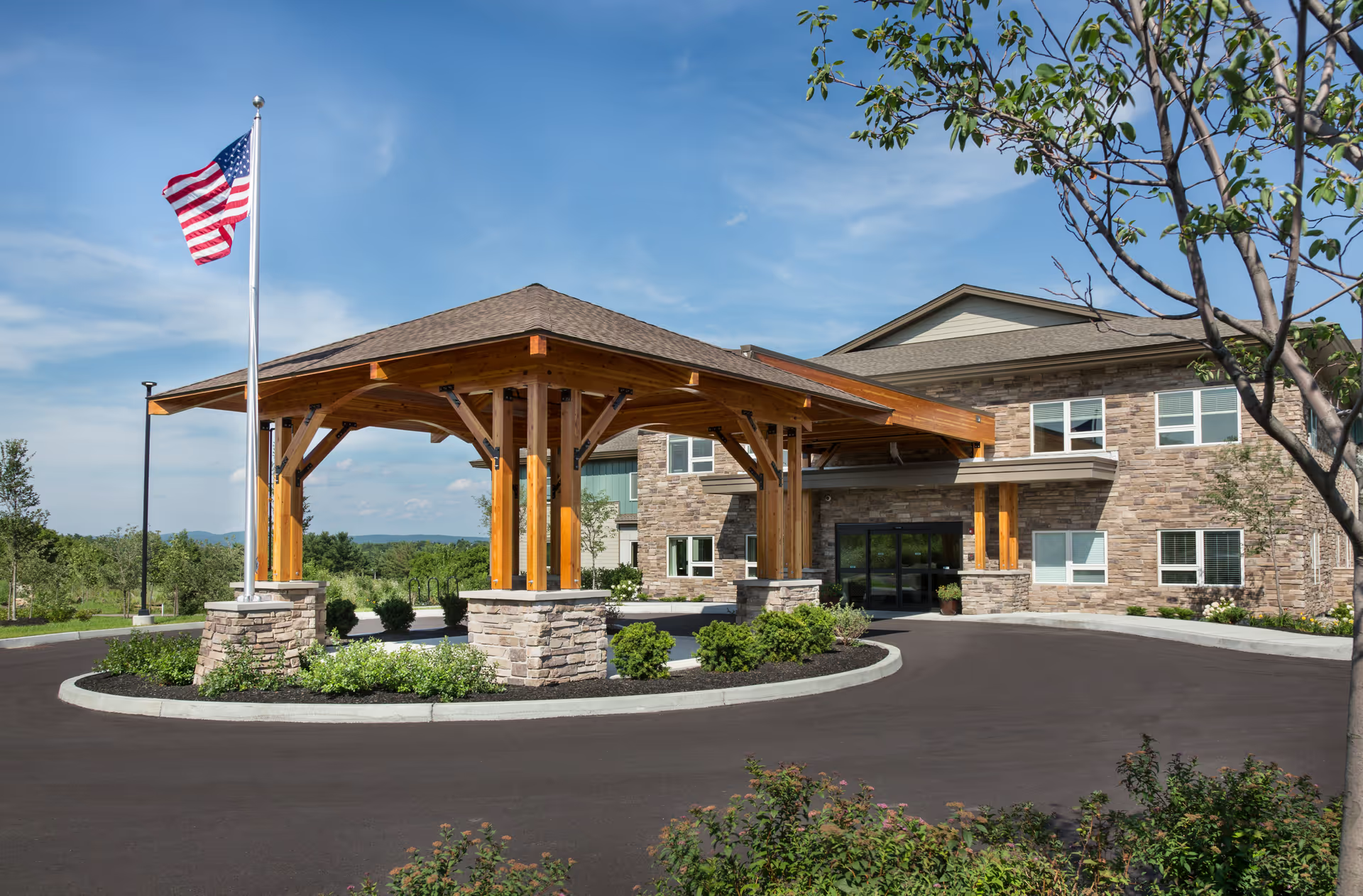
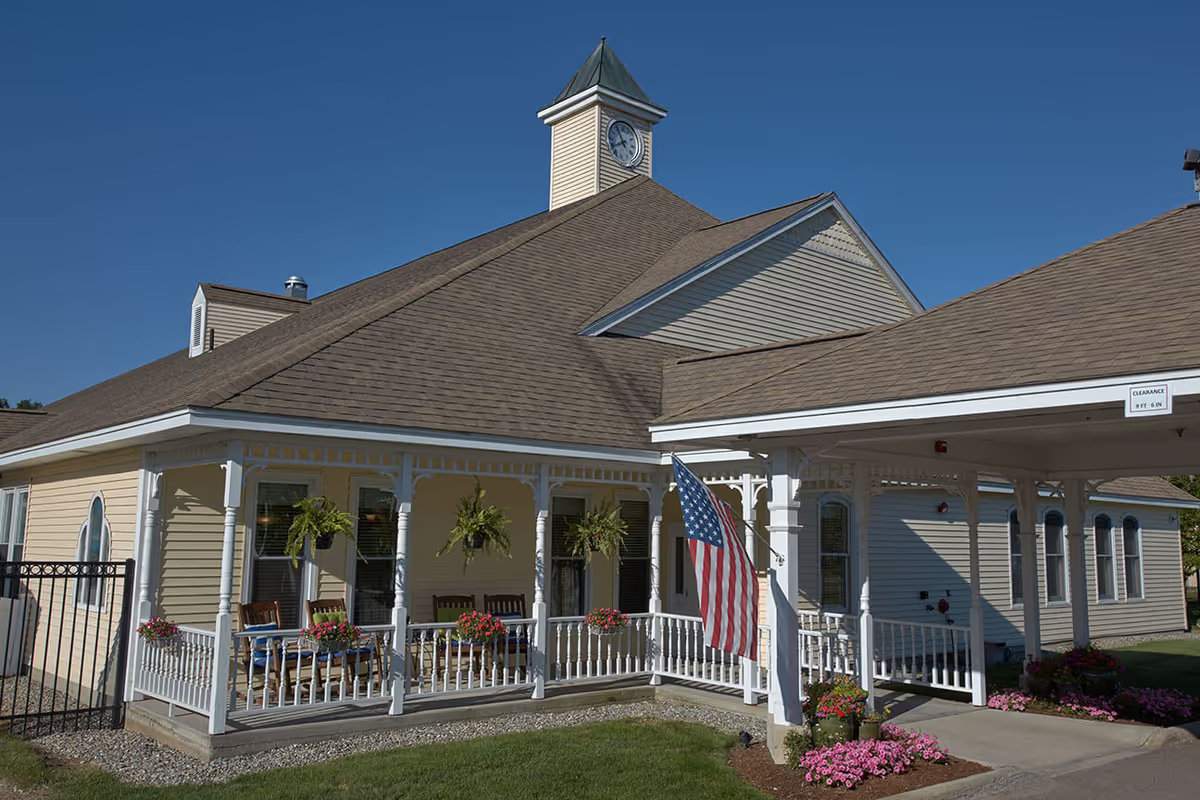
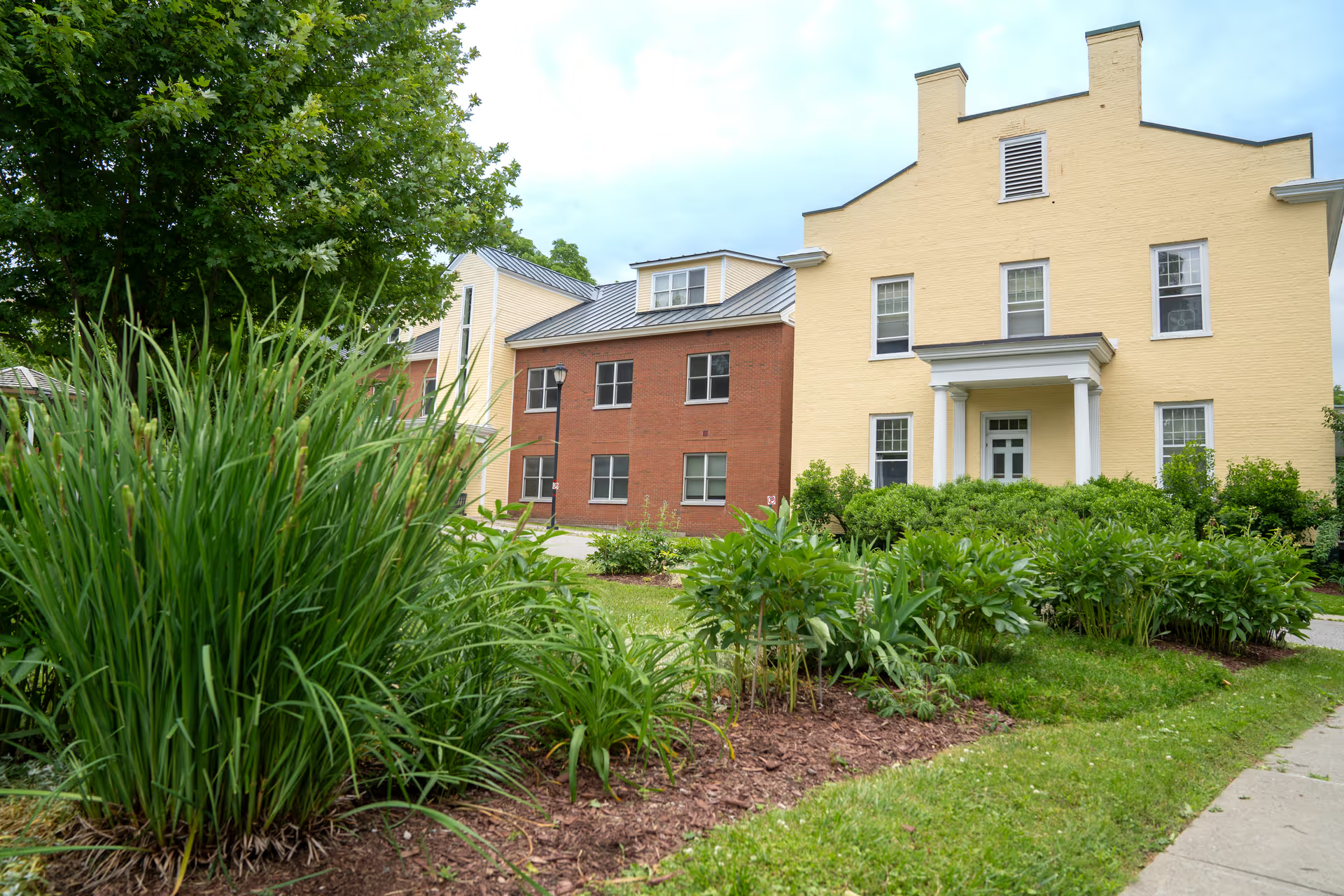
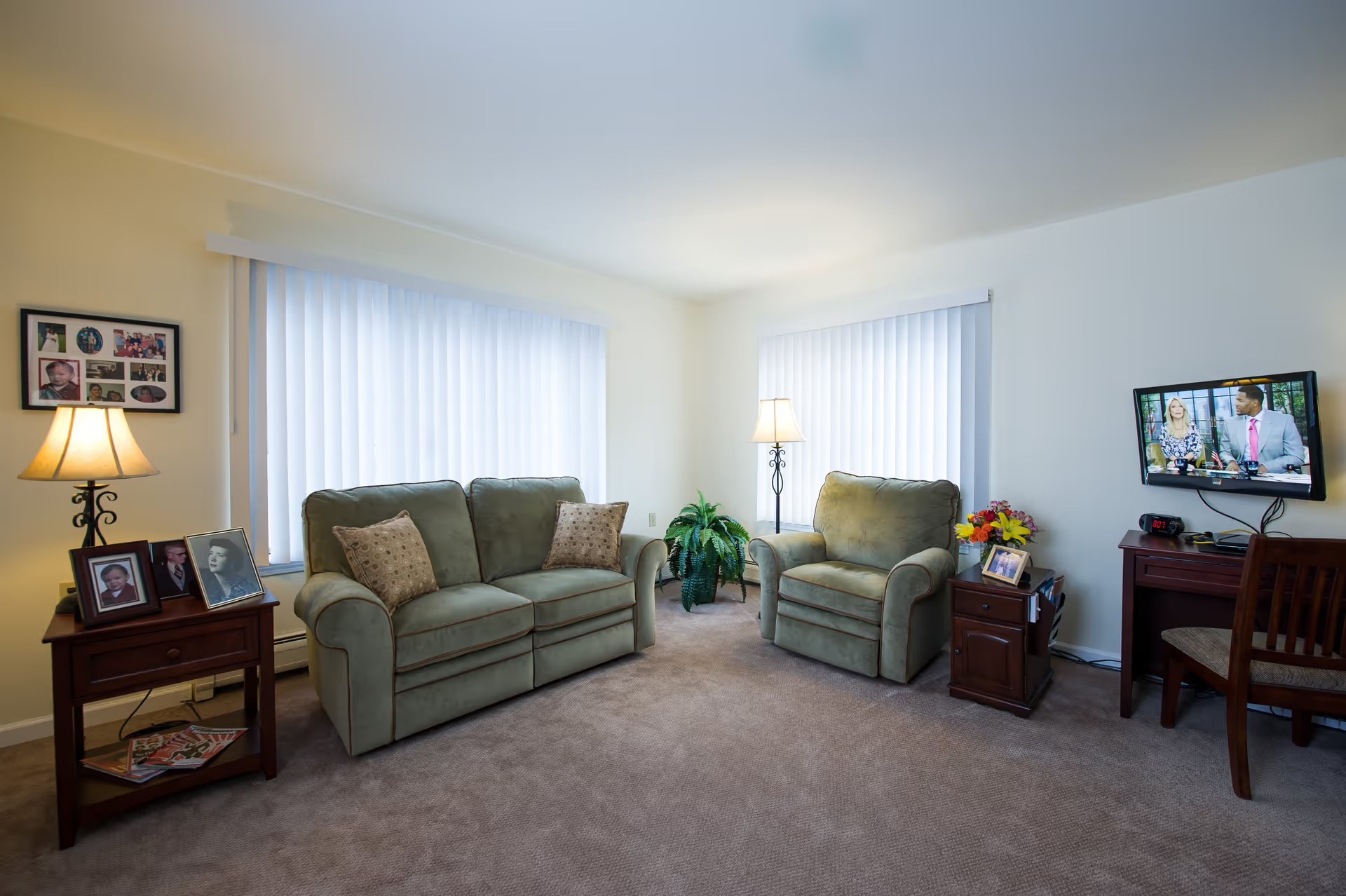
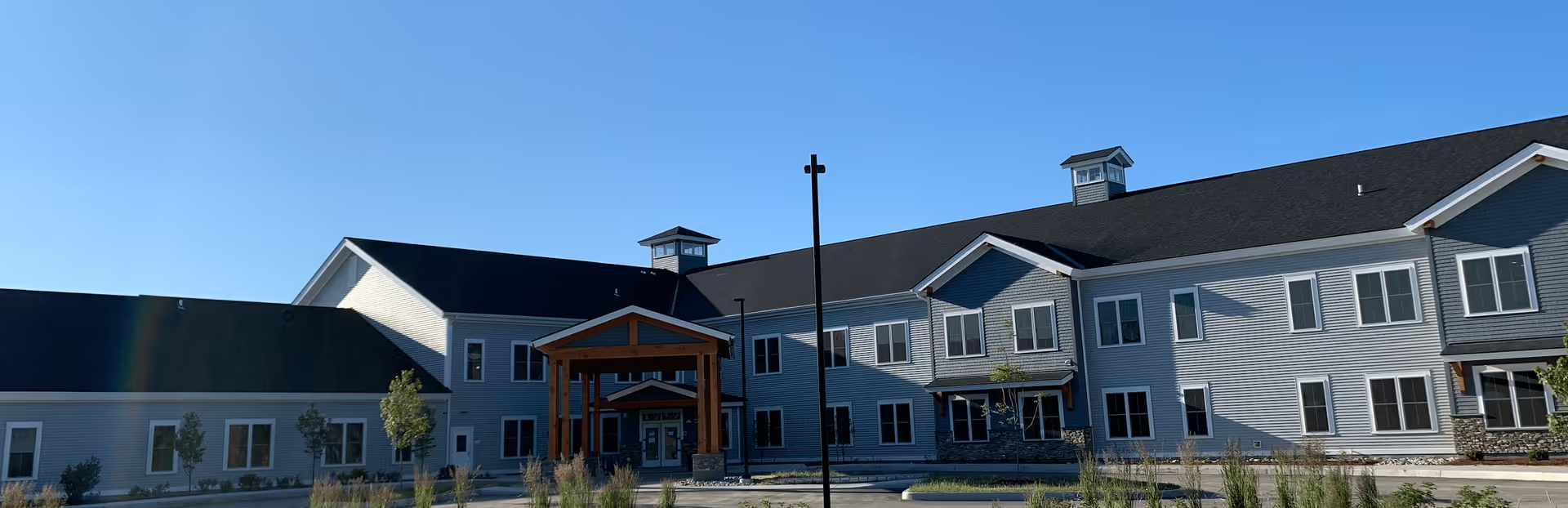
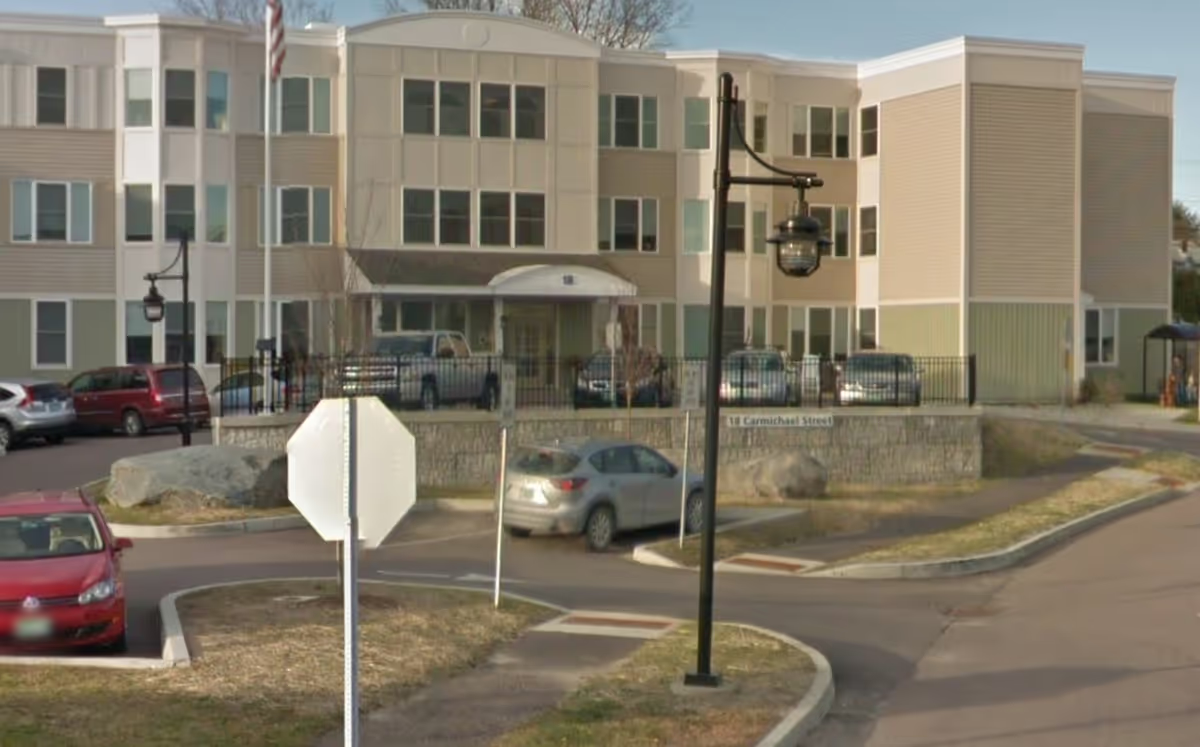
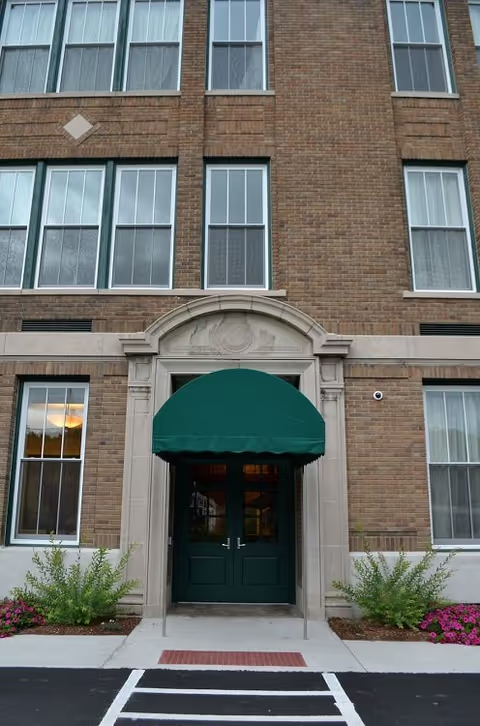
Harbor Village presents as a community with notable strengths in staff engagement, dining, and resident life, combined with operational gaps that prospective residents and families should weigh. Positive themes include a consistently warm and compassionate staff culture, a responsive maintenance team, and reliable housekeeping. Many reviewers praised the spacious, light-filled apartments, pleasant grounds and walking paths, and a restaurant-style dining program that offers variety, vegetarian options, and accommodates meal delivery. Higher levels of care provide on-site nursing and therapy services (PT/OT/speech), three-meal service options, and medication management, which families described as comforting and professionally handled during daytime hours.
Social life and programming are evident strengths: the activity calendar includes exercise classes, creative groups (flower arranging, puzzles, painting), game nights, musical events, and occasional entertainers. Residents often described a strong sense of community, easy social connections, and staff who make an effort to engage participants. Move-in coordination and sales tours also received repeated praise for being informative and supportive, easing transitions for many families.
However, patterns of operational weakness appear across multiple areas. Staffing consistency is a recurring concern — several accounts point to inadequate overnight and weekend coverage, higher staff turnover, and uneven training that can affect service continuity. Language barriers with some staff and variability in clinical coverage overnight were also noted, which may be relevant for residents with greater medical needs. Independent Living differs from assisted services in that medical coverage and emergency equipment are not consistently present; some families explicitly noted the absence of AEDs and CO2 detectors in Independent Living units.
Facility condition is another mixed area. While common areas and grounds are often described as well cared for, there are repeated observations of deferred maintenance and dated finishes in parts of the building: carpeting, balcony surfaces, and exterior trim require attention. Balcony safety and wood-rot concerns were specifically mentioned as an operational maintenance priority. Relatedly, pest-control concerns in some apartments and dining spaces and occasional sanitation inconsistencies were raised, suggesting the need for more proactive environmental services.
Operational and business-practice concerns include yearly rent increases that many noted around 10%, which affects long-term affordability, and inconsistent transportation reliability for offsite appointments. Activity communication could be improved: reviewers requested clearer, consistent calendars and more organized outings or intellectually stimulating programs. Food quality is generally praised for variety and healthy options, but some noted occasional issues with meal temperature and consistency.
Overall, Harbor Village offers many of the elements families seek—supportive staff, robust social programming, good dining, and therapy services in higher care levels—making it a solid option for residents who value community and hospitality. Prospective residents should clarify expectations about overnight clinical staffing, Independent Living medical and safety equipment, pest-control protocols, planned capital improvements (balconies, carpets), and the community's approach to rent increases and transportation scheduling before committing.