Overall impression: Families and residents express a high degree of satisfaction with day-to-day life at Homestead Senior Living, particularly around staff demeanor, routine activities, and the facilityʼs accommodation standard. Reviewers consistently describe staff as kind, approachable and willing to assist; many specifically note swift communication with families, accessible care for hearing-impaired residents, and staff efforts that go beyond basic duties. Housekeeping and nursing services are generally seen as strong, and several accounts highlight successful hospice and clinical support when needed.
Care and staff: The facility is characterized by a generally caring culture and frequent, proactive family communication. Staff are credited with maintaining resident dignity and promoting independence while checking in regularly. That said, a recurrent operational concern is inconsistent staffing levels and staff turnover. Reviewers tie those staffing patterns to occasional gaps in clinical continuity and medication-management processes. Prospective families should ask for current staffing ratios, medication-administration protocols, and recent turnover history during a visit.
Dining and nutrition: Dining is a clear strength in several respects: meals are described as fresh, home-cooked, plentiful and nutritious, with multiple options and the ability to deliver meals to rooms. There are weekly menus and a variety of entrée choices. Counterbalancing this, there are notes about variable entree taste and localized sanitation issues in dining areas (sticky tables, worn carpeting). The overall impression is a nutritious, home-style food program that may have occasional quality and maintenance inconsistencies.
Activities and social life: Activity programming is robust and structured, with daily exercise classes, games, music, social gatherings and faith-based groups. The schedule and predictable routine are cited as benefits for residents with cognitive changes who do well with structure. Reviewers report that participation can improve mood and mobility; however, one pattern mentioned is a gender imbalance that can limit male participation in some activities — an operational demographic dynamic rather than a programmatic shortcoming.
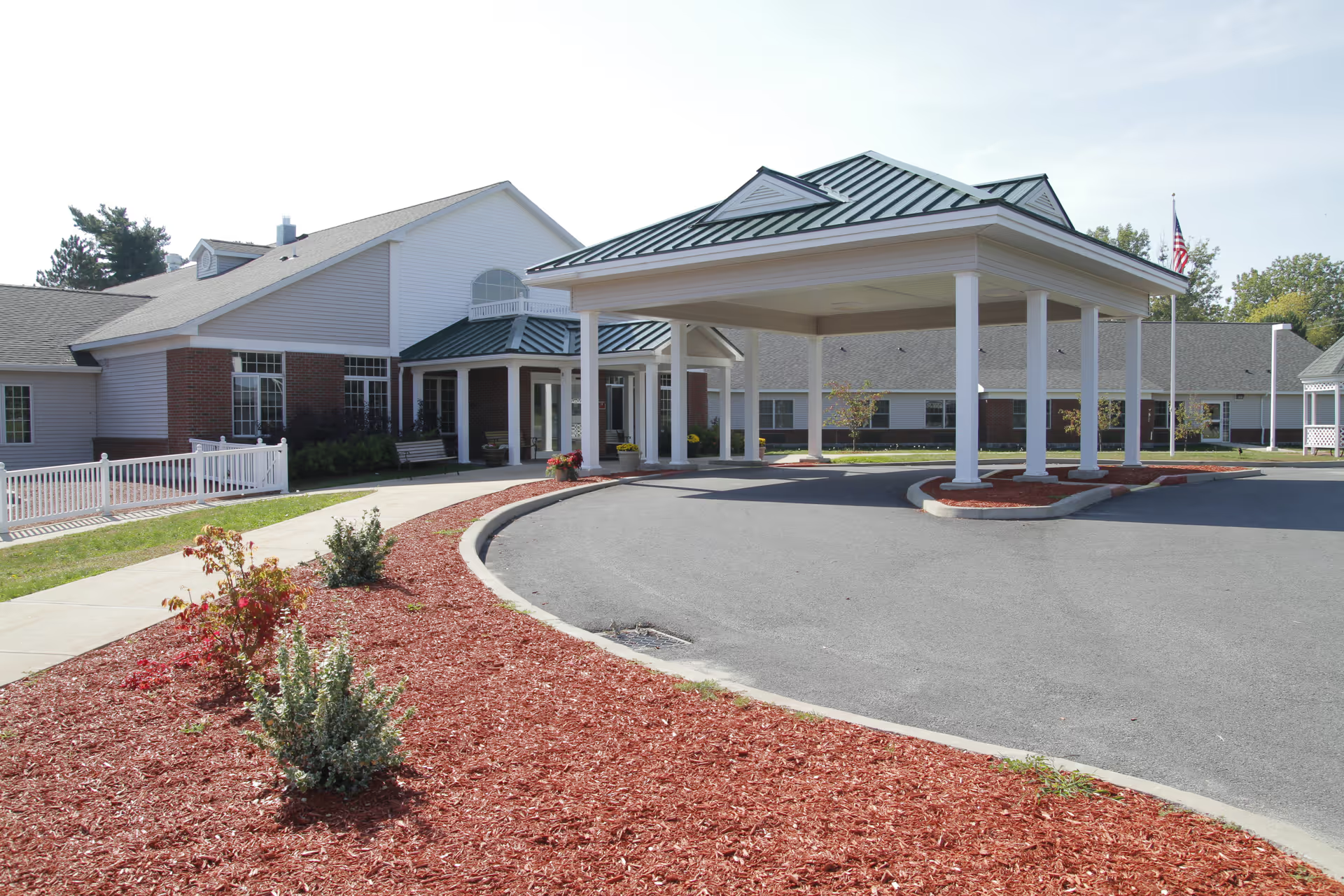
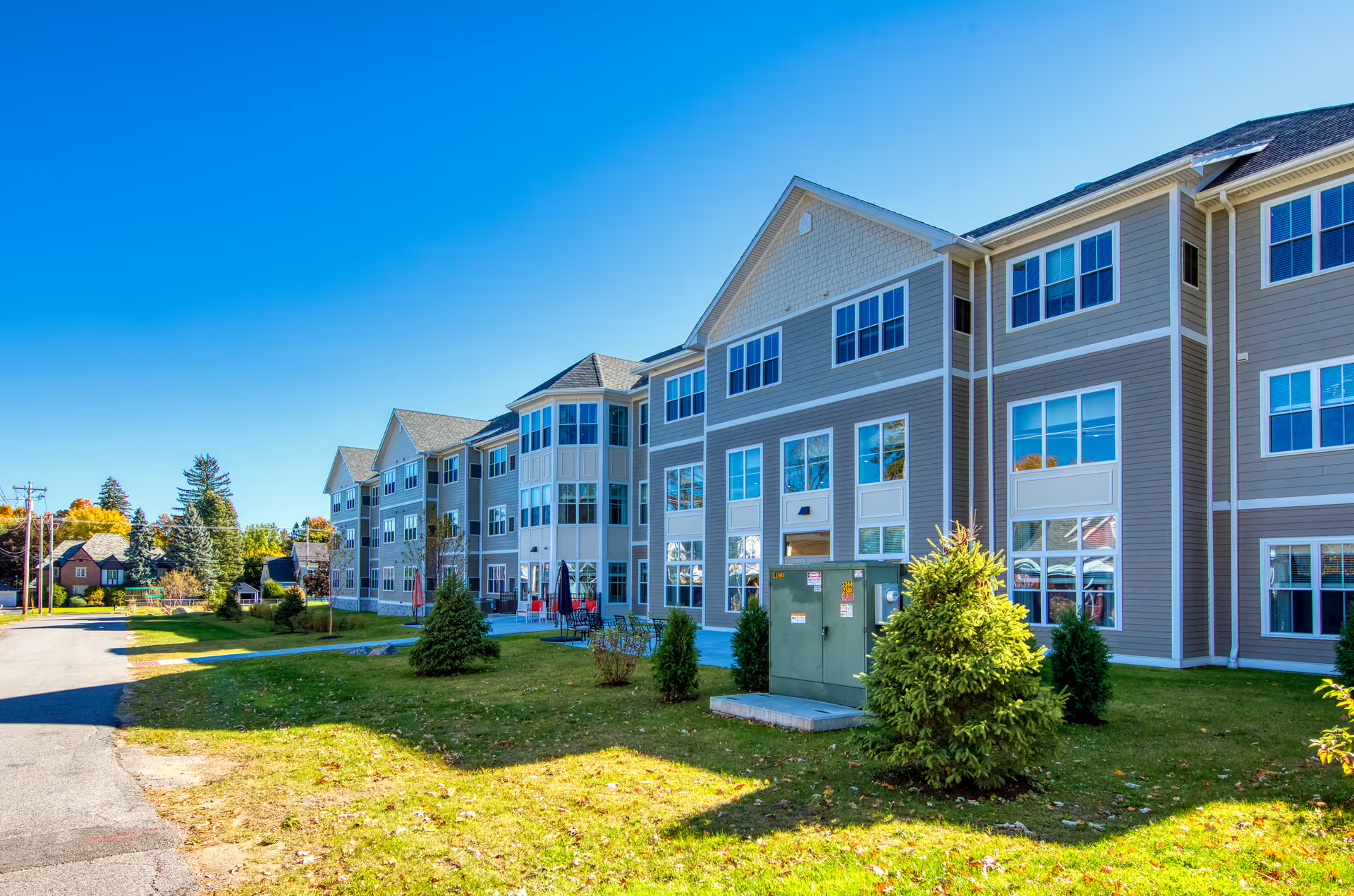
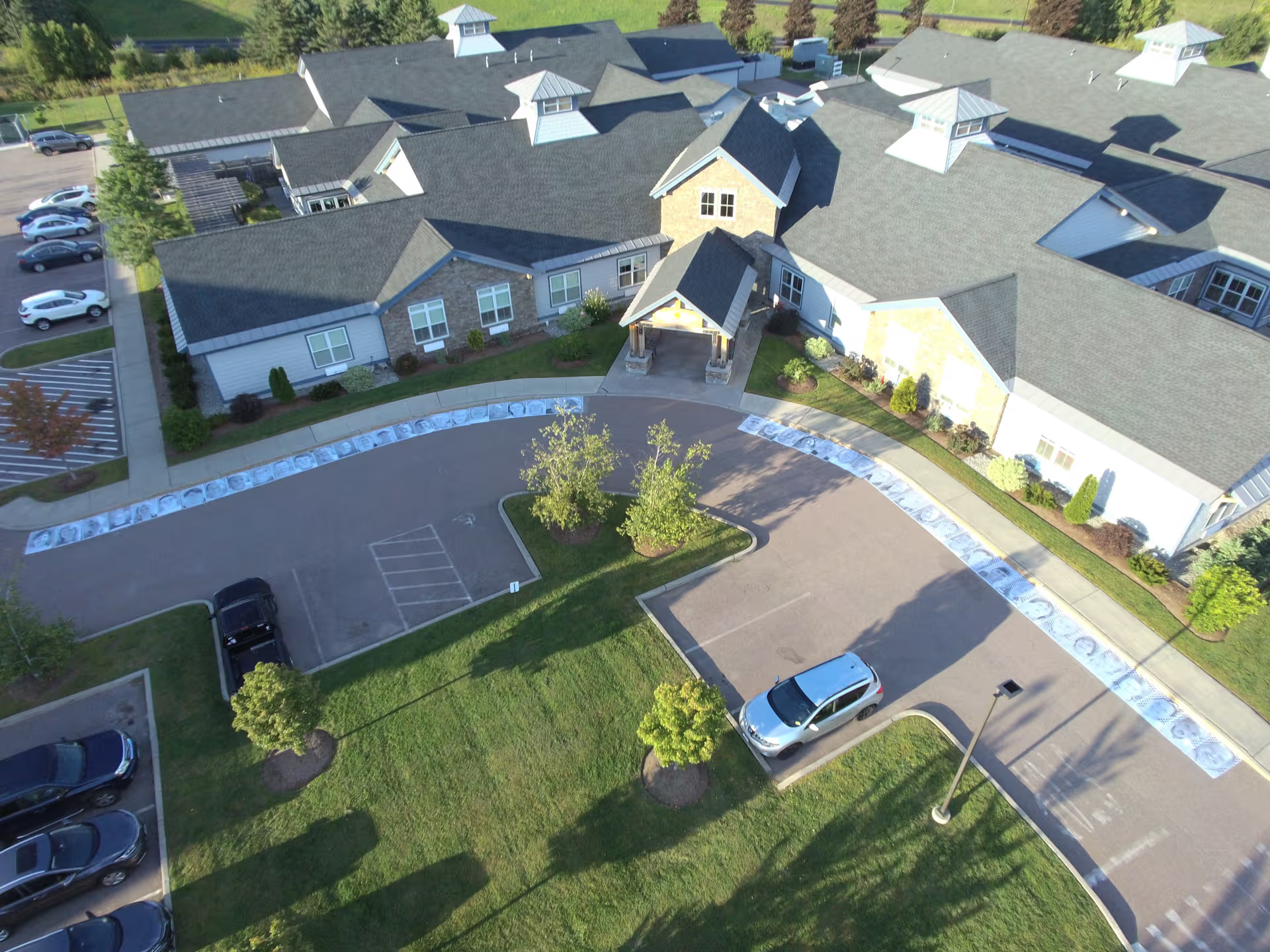
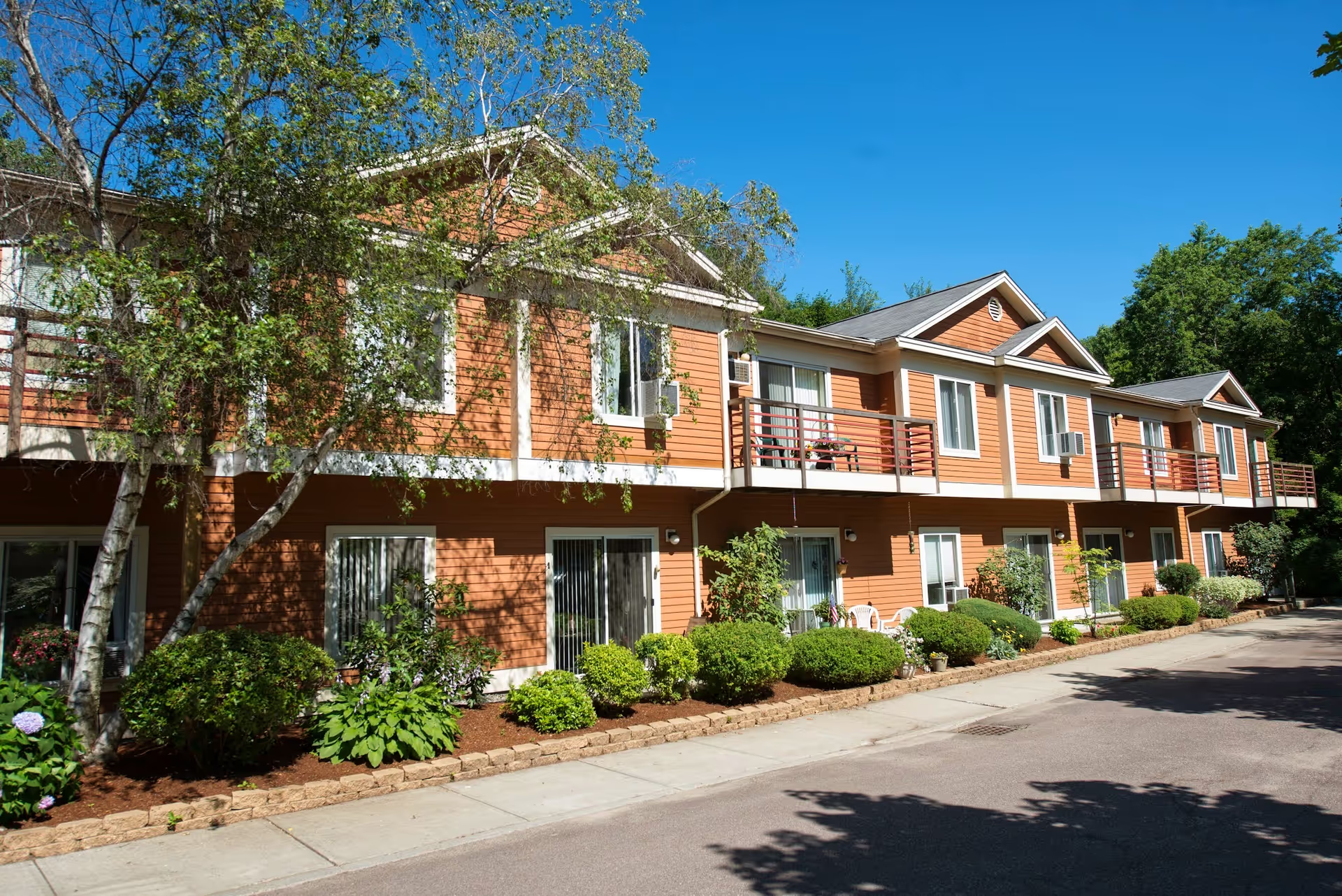
Facilities and amenities: The building and grounds are generally described as clean, well-maintained and pleasant. Units are noted for natural light, comfortable sizing, multiple layout options and attractive lake views. On-site amenities include a library/reading room, salon, small movie theater, gazebo seating and laundry services. Some maintenance items — notably dining-room carpet and isolated common-area upkeep — were called out as needing attention, suggesting intermittent maintenance backlogs.
Management and cost considerations: Admissions staff and directors are frequently described as honest, helpful and willing to meet with families. The provider communicates clearly about infection-control measures and has shown transparent COVID-19-related updates. At the same time, reviewers raise concerns about premium pricing and the facilityʼs Medicare non‑acceptance. Leadership turnover and staffing instability are recurring management-level themes that families associate with operational strain. These factors contribute to a mixed cost/benefit calculus for some prospective residents.
Who this fits best: Homestead appears well suited to independent and lower‑to‑moderate‑assistance residents who value an active social program, home-style meals, and a pleasant physical setting with responsive staff. It may be less appropriate for people with higher medical-acuity needs given the reported clinical-continuity and staffing challenges. Recommended next steps for prospective families: tour during meal service to assess dining and cleanliness, request current staffing/turnover metrics and medication protocols, confirm cost and payer-acceptance policies (including Medicare), and meet activity staff to evaluate program fit for the prospective resident.