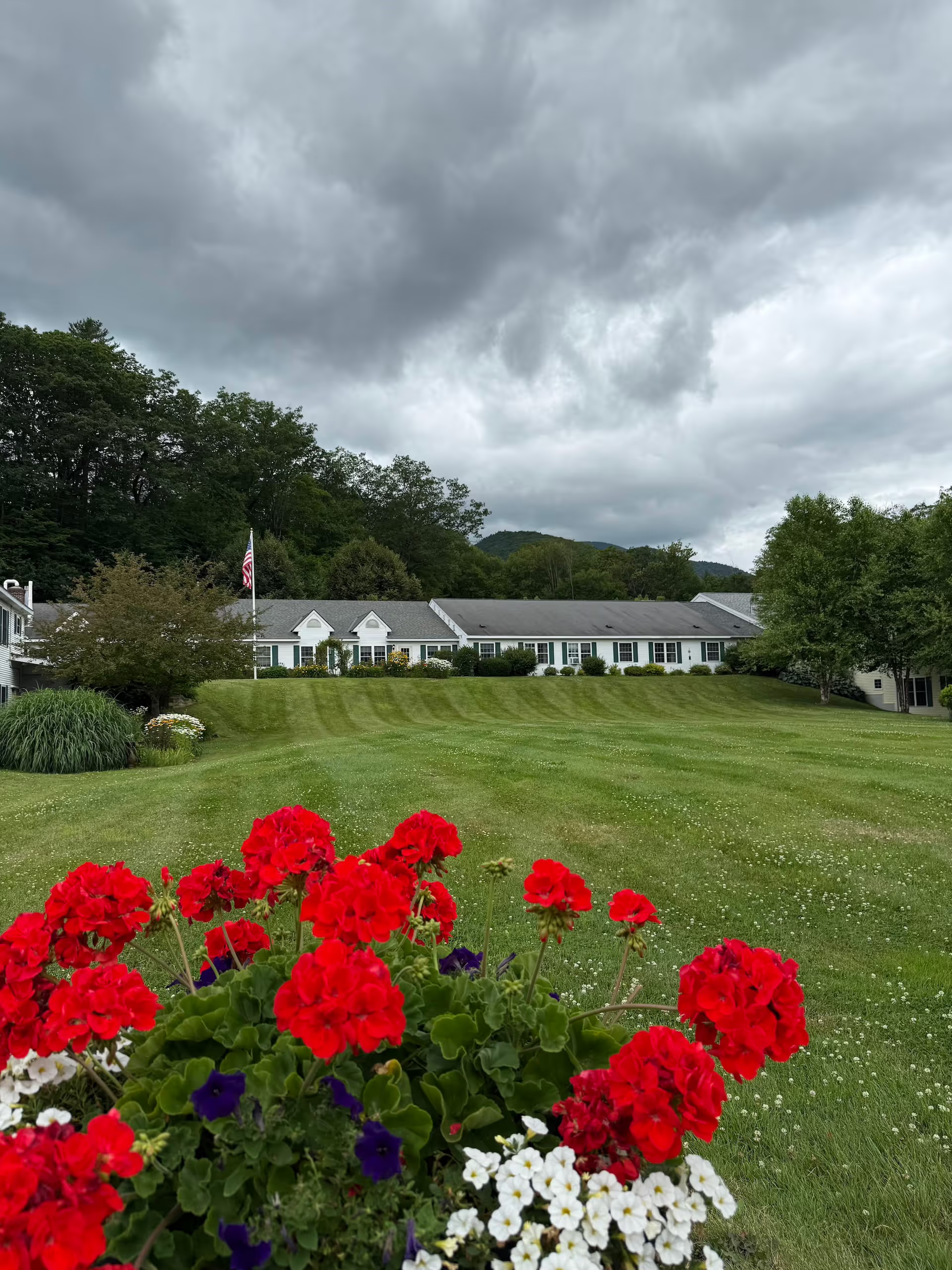
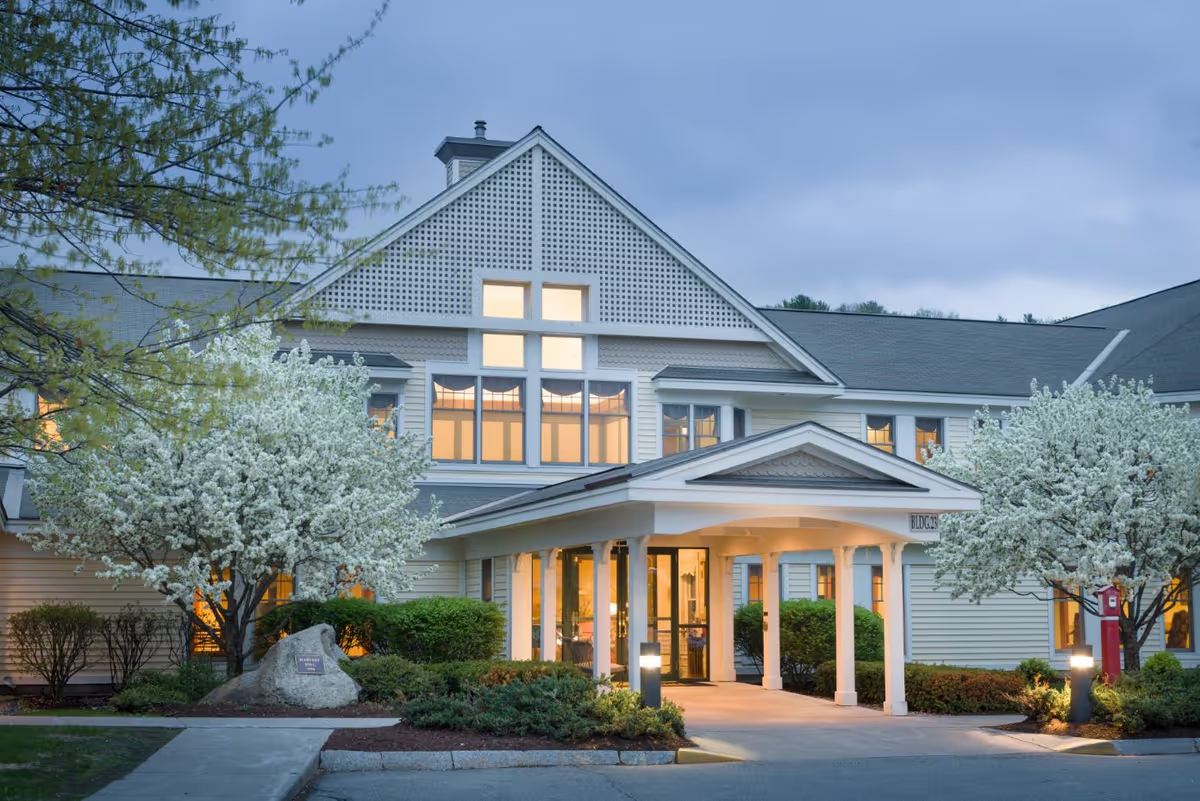
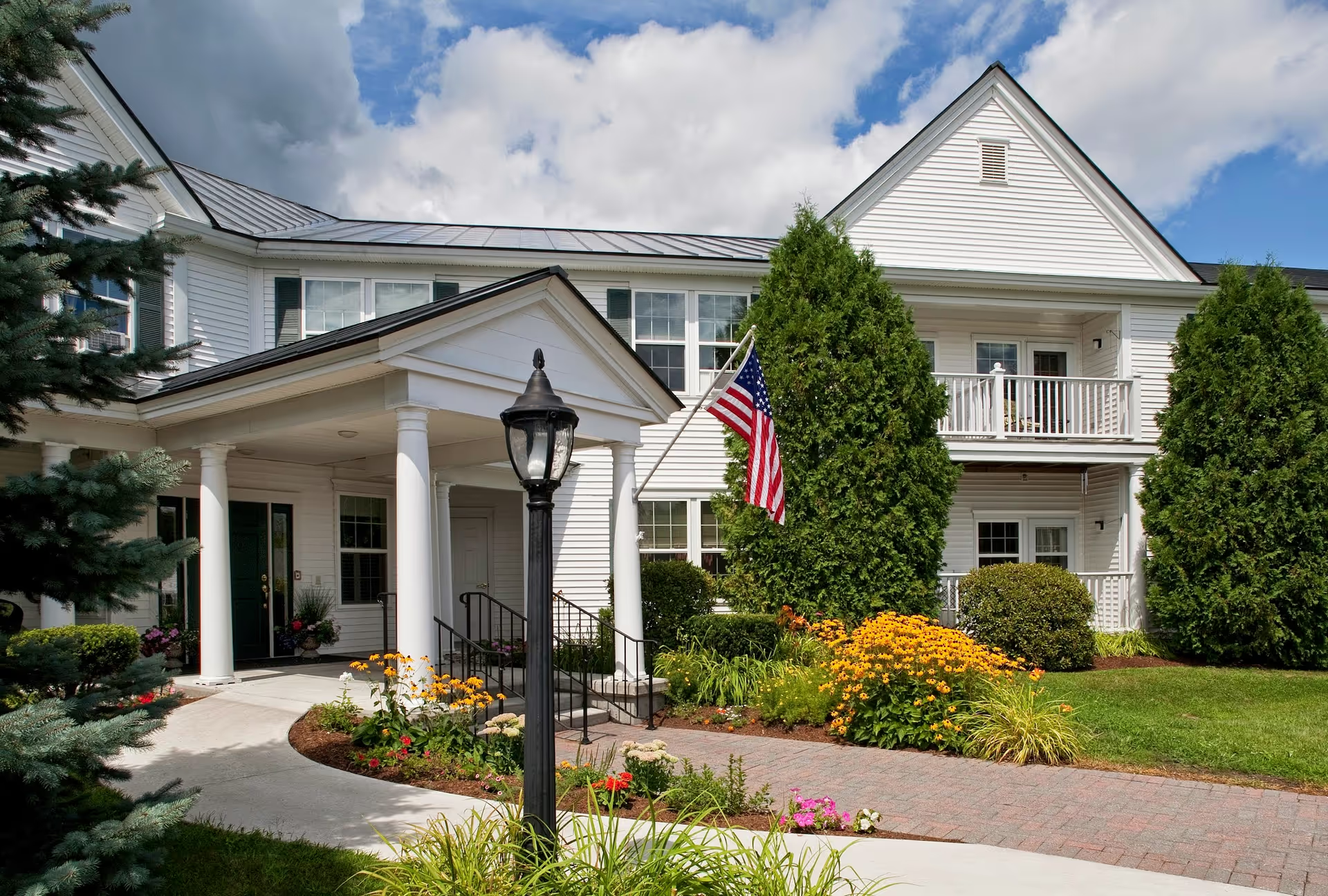
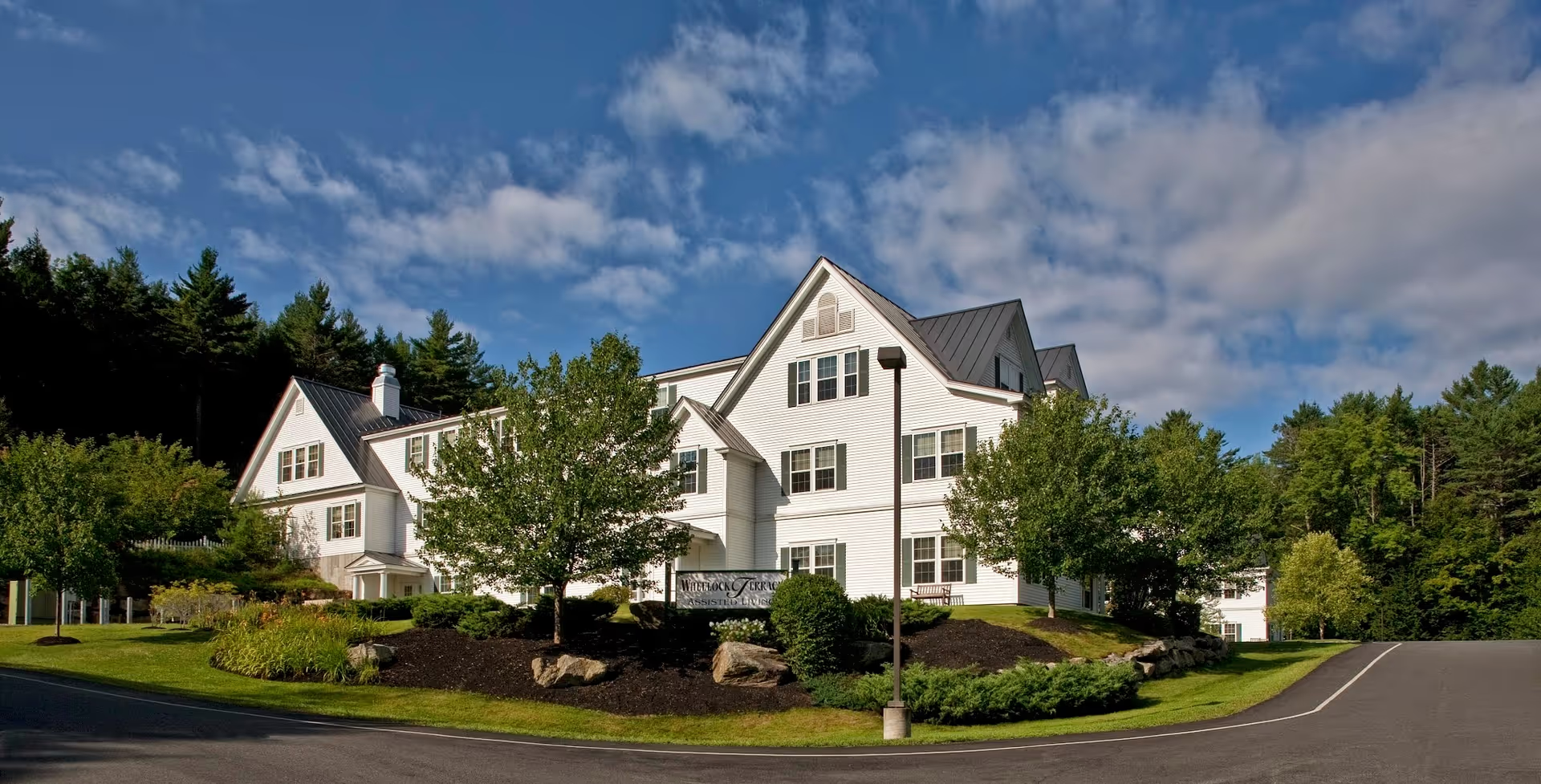
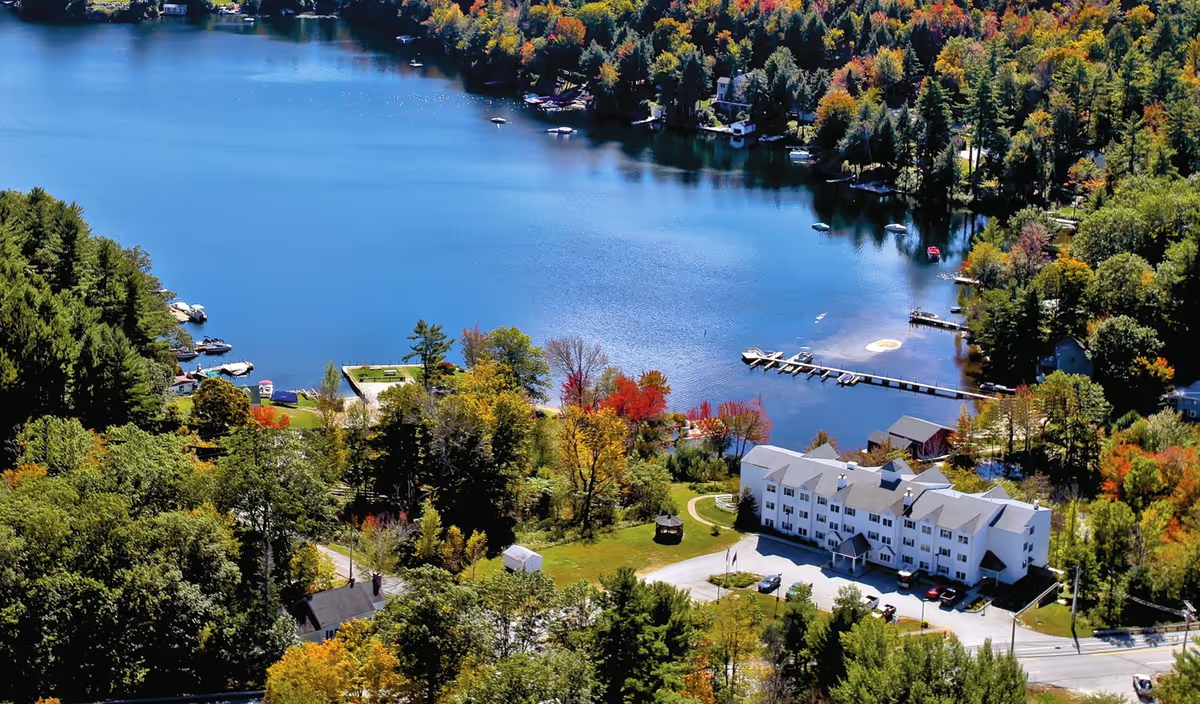
Overall impression: Davis Home presents as an older, family-oriented residential care setting that many families find clean, welcoming, and comfortable. Reviewers commonly note that the facility is kept in good condition and that communal areas and programs create a homelike atmosphere. Staff are frequently described as caring and helpful, with direct assistance offered for laundry and medication administration. The home offers both shared and private room configurations, a communal dining program where staff sometimes dine with residents, and a range of recreational options including games, entertainment, arts-and-crafts, and a library program.
Care and staff: Care appears competent in day-to-day tasks such as medication support and basic personal assistance; several accounts emphasize staff kindness and family-focused interactions. At the same time, there is variability in staff engagement and responsiveness. Some families describe staff as aloof or unevenly available, and a few specific operational practices have raised concerns about resident autonomy and comfort. Prospective families should ask about current staffing levels, turnover, and how supervision and night coverage are handled.
Dining and activities: Dining is communal and social, with staff involvement in mealtime noted as a positive. The dining environment is characterized as functional rather than elaborate. Activities programming includes a game room, scheduled entertainment, arts-and-crafts, and library-based options; reviewers who participated in or observed these programs generally view them as meaningful and appropriate for resident interests.
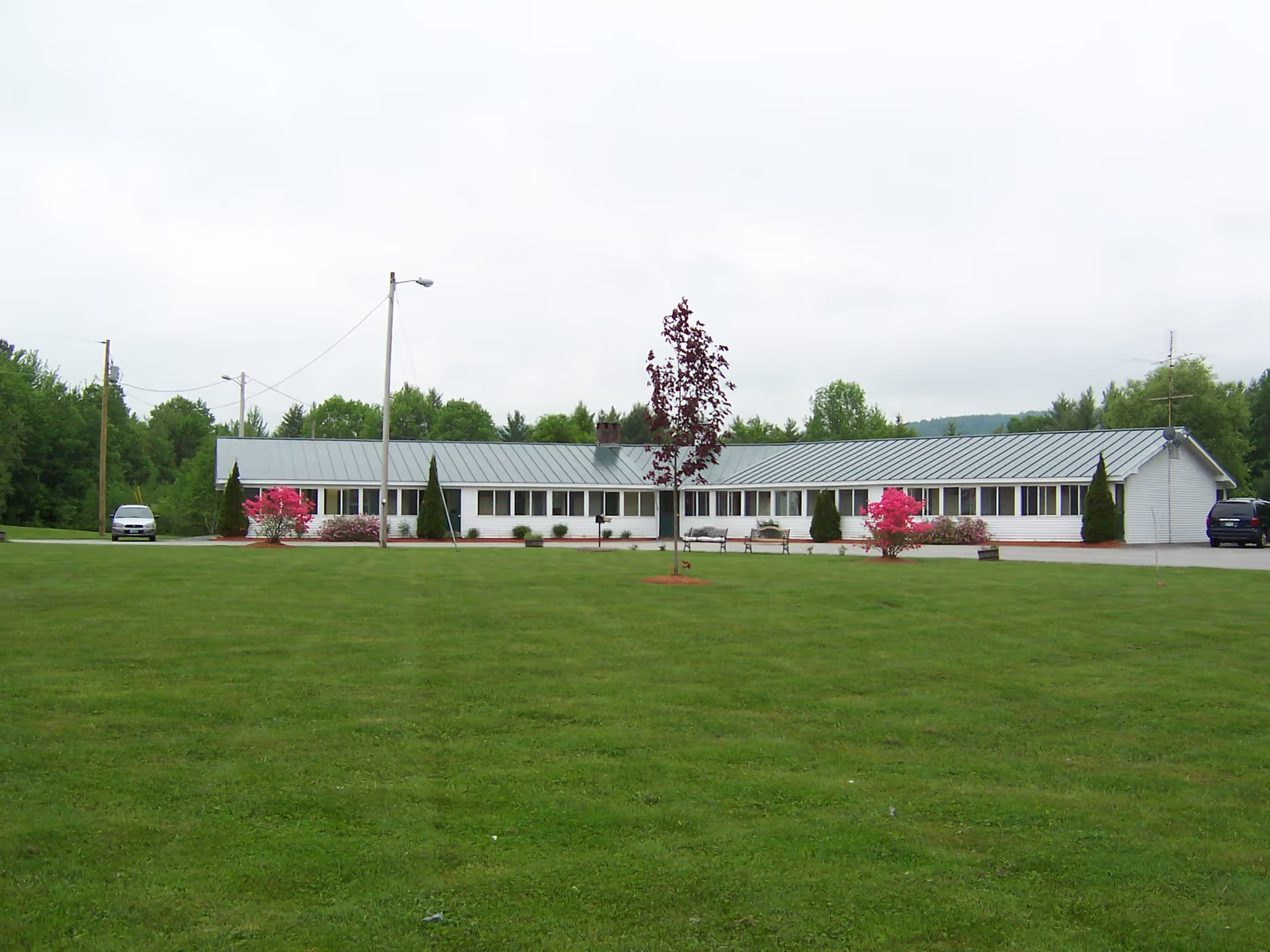
Facilities and accessibility: The building is older but maintained; cleanliness and upkeep are commonly praised. Structural features—multiple stairwells and an enclosed porch—contribute to charm but also create practical limitations. The enclosed porch was noted as less usable in cold weather, and several reviewers raised concerns about the reliability or adequacy of mobility-assist equipment (for example, chairlift access). There is also limited availability of private rooms, with extended wait times for single-occupancy accommodations.
Management and notable patterns: The facility has experienced an ownership change, and reviewers indicate the staffing picture may be evolving as a result. A prominent operational policy that drew attention is the nighttime locking procedure for resident rooms; some families described this practice as confining and would recommend clarifying the rationale, safeguards, and alternatives before placement. Overall recommendations tend to be positive, but the recurring themes to investigate further are private-room availability, accessibility-equipment maintenance, nighttime security practices, and current staffing stability.
Practical questions for families: Ask management about the private-room waitlist and expected timelines; request documentation of maintenance and inspection schedules for mobility-assist devices; clarify the facility’s nighttime entry/exit and monitoring policies and how resident preferences are handled; and review current activity and dining schedules to ensure they match the prospective resident’s needs. These targeted inquiries will help align expectations with the facility’s operating practices.