Commonwealth Senior Living at Abingdon receives consistent praise for its caregiving staff, facility atmosphere, and activity programming. Many families and visitors describe staff as compassionate, personable, and attentive; several accounts emphasize staff members who make a positive personal connection with residents and who support smooth hospital-to-facility transitions. The memory-care unit is frequently cited as organized and dementia-aware, with purposeful art and music activities that engage residents.
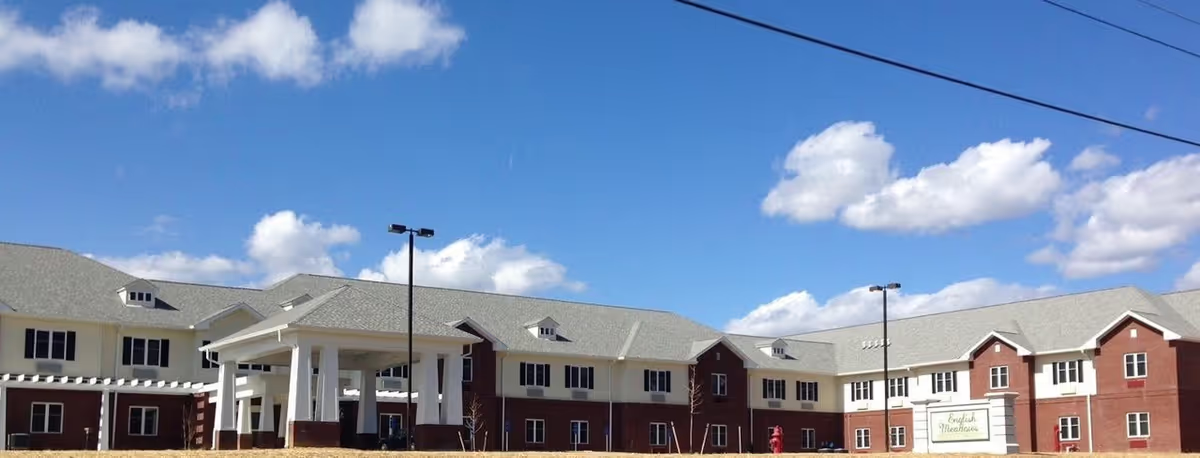
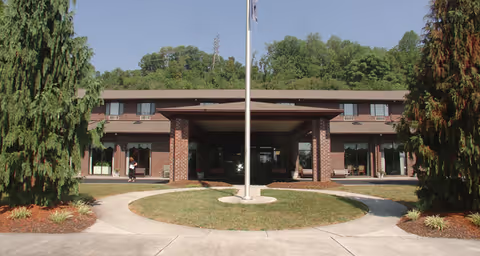
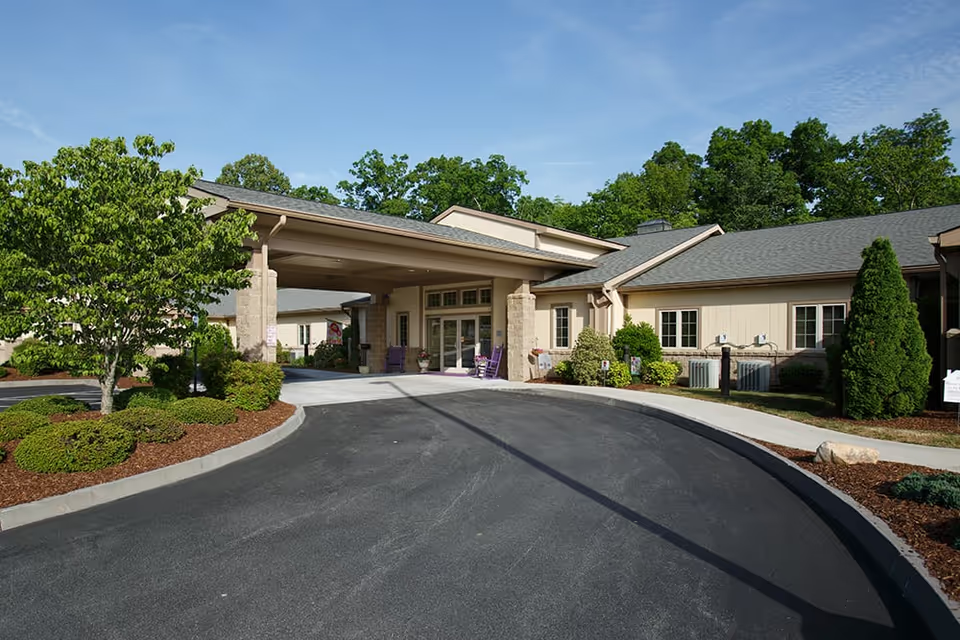
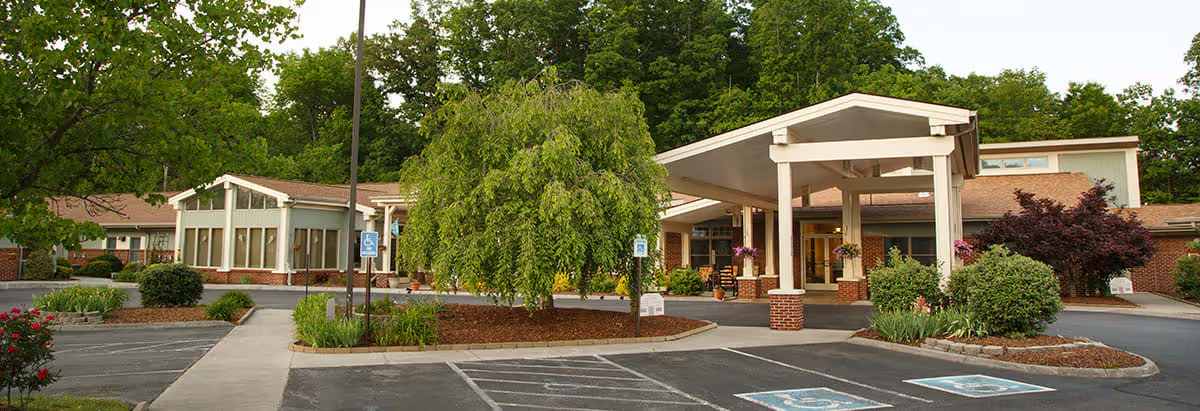
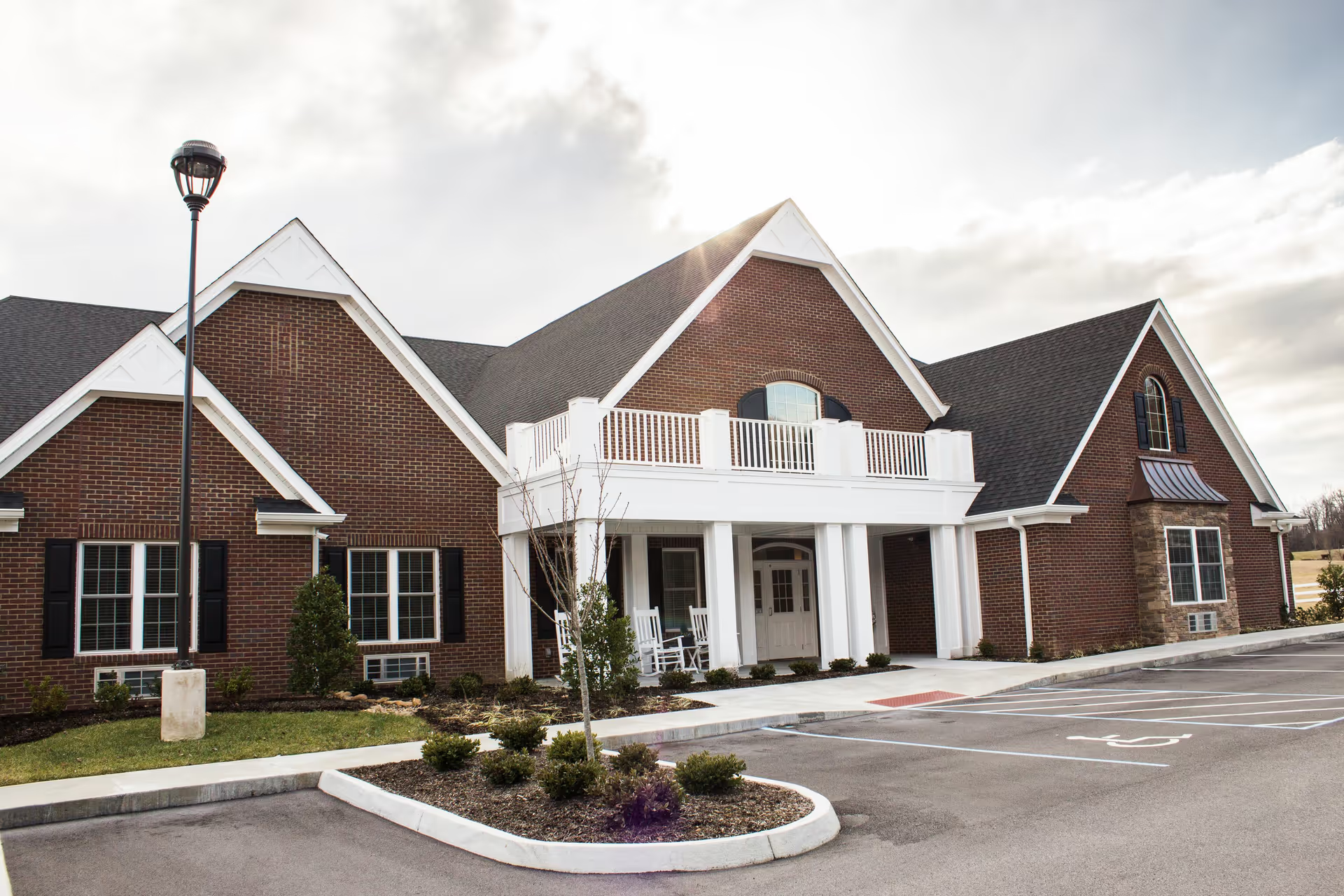
The environment and amenities are another recurring strength. Reviewers note bright, well-lit common areas and resident rooms with plentiful windows and pleasant views, as well as tidy, attractive dining and activity spaces. The property and outdoor areas are viewed favorably, and the facility’s location with easy access to major routes is convenient for visitors. Admissions and transition processes are described as supportive by some families, with staff who provide patient explanations and ongoing assistance during move-ins.
Dining and activities receive mixed-but-often-positive comments. Many residents and families praise meal quality, fresh salad offerings, and generous portions, while organized activities such as music, art, bingo, and social events are repeatedly mentioned as meaningful and inclusive. The facility’s programming appears to encourage family participation and social engagement, which several families reported improved mood and strength for their relatives.
Notable patterns of concern involve operational consistency and administrative practice. Several accounts point to lapses in medication administration and occasional problems with timely medication delivery, suggesting a need for stronger medication-management controls and documentation. Nighttime supervision is another area of recurring concern: families describe inconsistent overnight staffing and supervision that can affect resident safety and well-being. Cleanliness and maintenance are generally described as good, but intermittent sanitation and room-maintenance issues are flagged in some comments, indicating variability across units or shifts.
Management and communication show divergent experiences. While some families report clear updates and respectful, dignity-focused communication, others describe slower responsiveness, recordkeeping or privacy protocol weaknesses, and at least one serious administrative incident that raised questions about policies for family notification and resident welfare. Food quality is also inconsistent across accounts, with both high praise and sharp criticism noted, suggesting uneven kitchen performance or meal-service continuity.
Cost and accommodation factors are practical considerations for prospective residents. The facility is consistently described as higher-priced, and several families expressed concern that the monthly fee may not always align with expectations for clinical oversight or consistency of services. Room configuration (shared double rooms in some cases) may also limit privacy for residents who require a private accommodation.
Overall, Commonwealth Senior Living at Abingdon presents strong strengths in staff rapport, engaging activities, and a well‑maintained bright environment, with particular competence in memory-care programming. Prospective residents and families should weigh these strengths against operational variability in medication management, nighttime staffing, cleanliness consistency, communication practices, and cost. When considering placement, visiting at different times of day (including evenings/nights), asking for details on medication and overnight staffing protocols, and confirming privacy/recordkeeping procedures are advisable steps to assess whether the facility’s current operation matches your expectations and needs.