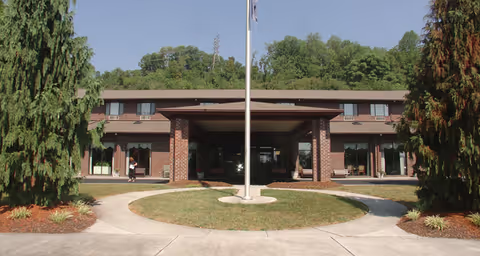
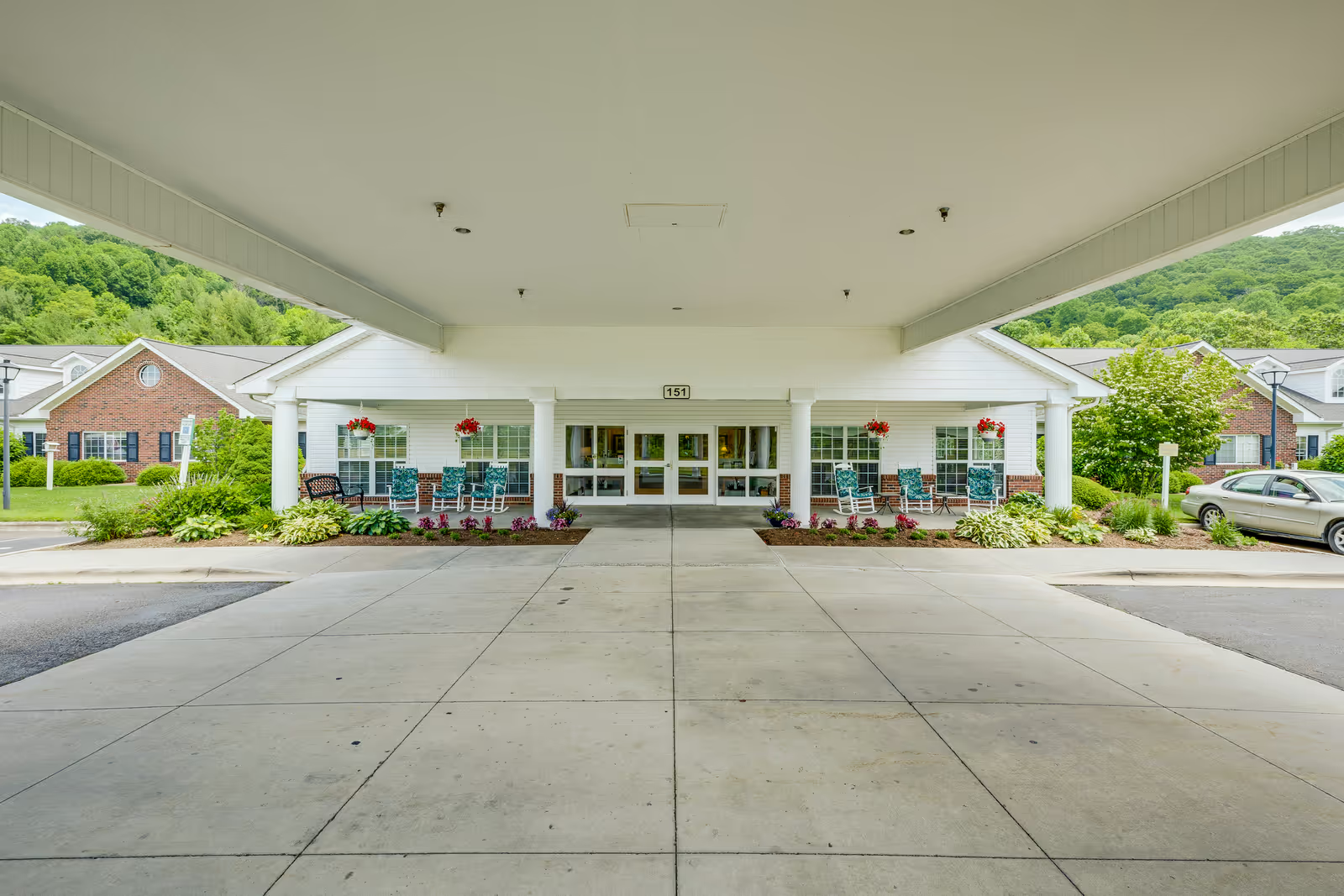
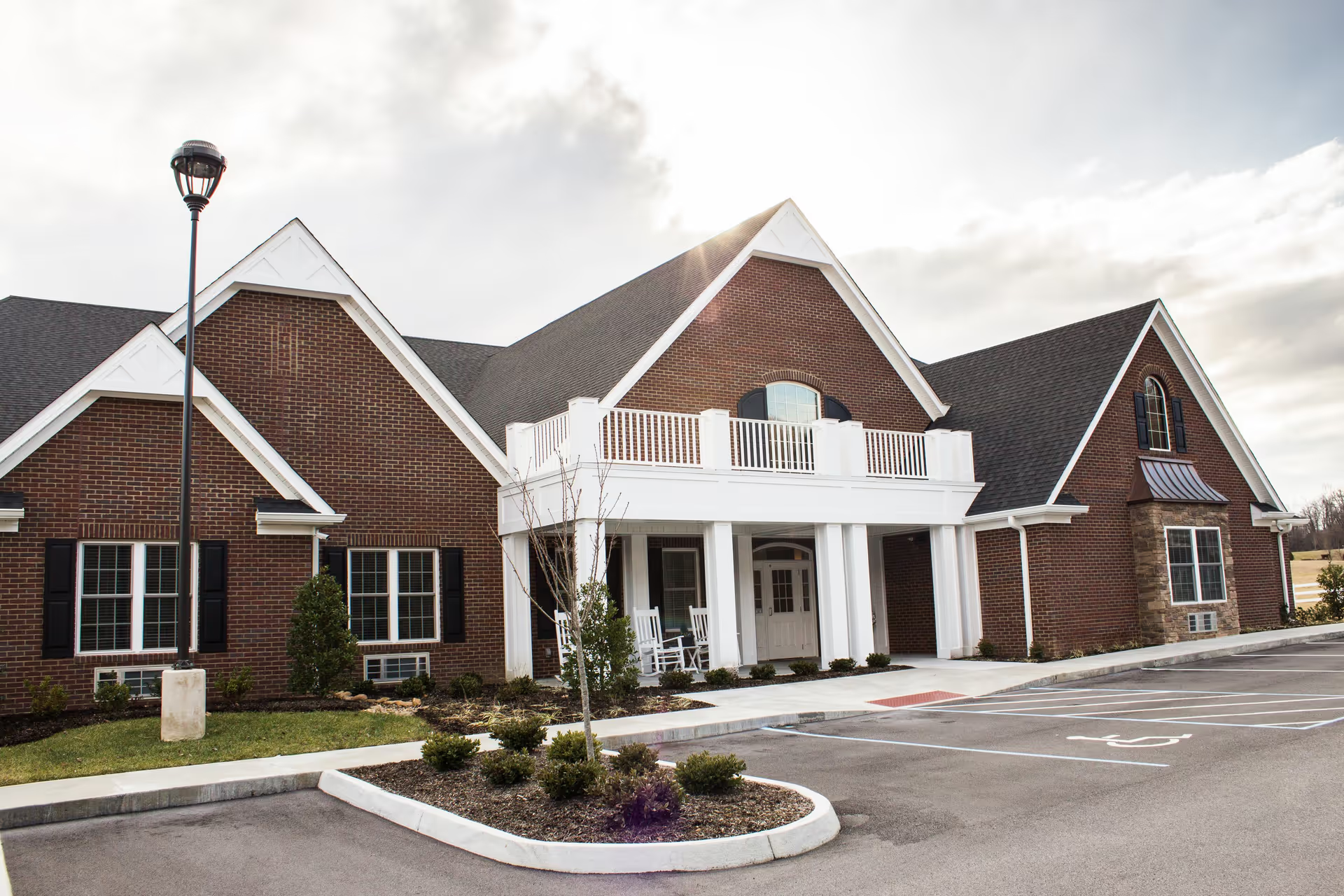
English Meadows Abingdon presents as a modern, attractively laid-out assisted‑living campus with many features that families and residents value. Reviewers consistently highlight a home-like atmosphere, clean and well-maintained public spaces, and a facility design that includes courtyards, patios, a library, dining areas and exercise space. Apartments are described as spacious with good closet space and accessible bathrooms; the location adjacent to a medical complex is an additional convenience for families.
Care quality is generally described positively. Many families praised compassionate, attentive caregivers, engaged nursing staff and a visible director of nursing. The administrator is frequently characterized as accessible and reassuring, and leadership involvement (including the dietician and activity director) is noted. These strengths appear to support a sense of safety and wellbeing for residents who require standard assisted‑living services or memory care. However, reviews also indicate the community is not consistently equipped for high‑acuity medical needs; families seeking very intensive clinical support should evaluate clinical capacity and transfer protocols carefully.
Dining and activities are strong aspects of the community. Meals are commonly described as good to excellent, with hot plates and careful preparation. The all-inclusive pricing model and routine services such as laundry and weekly apartment cleaning are appealing to many families. The activity program appears broad and well-staffed, with regular offerings such as bingo, arts and crafts, music, choir, library visits and local outings that support social engagement and resident satisfaction.
While many reviewers emphasize responsive and kind staff, a notable pattern of operational concerns emerges around staffing consistency and responsiveness. Several comments describe gaps in coverage—particularly on weekends—delays in staff response to calls, and occasional delays in notifying families. Relatedly, some reviewers expressed concerns about emergency-call-system reliability and about management follow-through when sanitation or odor concerns were raised. These items point to variability in service consistency rather than a uniform failure of care.
Housekeeping and sanitation received mixed feedback: the facility is often labeled clean and well‑kept, but intermittent localized odor or sanitation concerns were reported and, in some cases, perceived as not promptly resolved to the family’s satisfaction. Staffing pressures and perceptions of staff compensation or morale were also mentioned as factors that can affect continuity and responsiveness.
In sum, English Meadows Abingdon offers many compelling strengths for prospective residents seeking a comfortable, activity-rich assisted‑living or memory‑care environment—particularly those prioritizing a home-like setting, strong dining and social programming, and engaged caregiving staff. Prospective families should confirm current staffing ratios (including weekend coverage), emergency-call protocols, and the facility’s capacity for higher-acuity medical needs during the tour and in contract discussions. Those measures will help determine fit for residents with greater clinical complexity or for families for whom immediate responsiveness is a top priority.