Reviews of Westwood Center present a polarized picture: many families praise individual staff members, care coordination, and on-site services, while others describe operational and clinical gaps that materially affect resident experience. Strengths highlighted include compassionate caregiving, active social-work involvement that assists with transitions and family communication, and the availability of rehabilitation and skilled nursing services. The facility offers a range of amenities — a salon/barbershop, cafeteria, sunroom, and scheduled recreational programming (Bingo, movie nights, bridge, and other activities) — that contribute to social engagement for residents.
Care quality is described inconsistently across accounts. Several families report prompt, attentive assistance, reliable medication schedules, and effective wound care and therapy coordination. Conversely, other accounts describe prolonged wait times for assistance, delays in medication delivery and physician contact, missed or inconsistent therapy sessions, and lapses in documentation. These patterns point to variability in clinical responsiveness that tends to track with staffing availability and shift coverage.
Staff and culture likewise show contrast. Many reviewers single out specific staff (including social-work and named team members) as supportive, compassionate, and effective in family communication. At the same time, there are recurring concerns about staff workload, frequent turnover, cellphone use during shifts, and inconsistent conduct toward residents and families. These operational pressures appear to influence both direct-care availability and the tone of communication from nursing and front-desk personnel.
Dining and activities receive mixed feedback. Positive comments refer to warm, tasty meals and the ability to provide dietary accommodations. Negative comments emphasize cold or small portions, inconsistent meal service timing, and variability in food quality. Activity programming is present and appreciated by many residents, but engagement levels vary and some families would like more frequent or better-supported offerings.
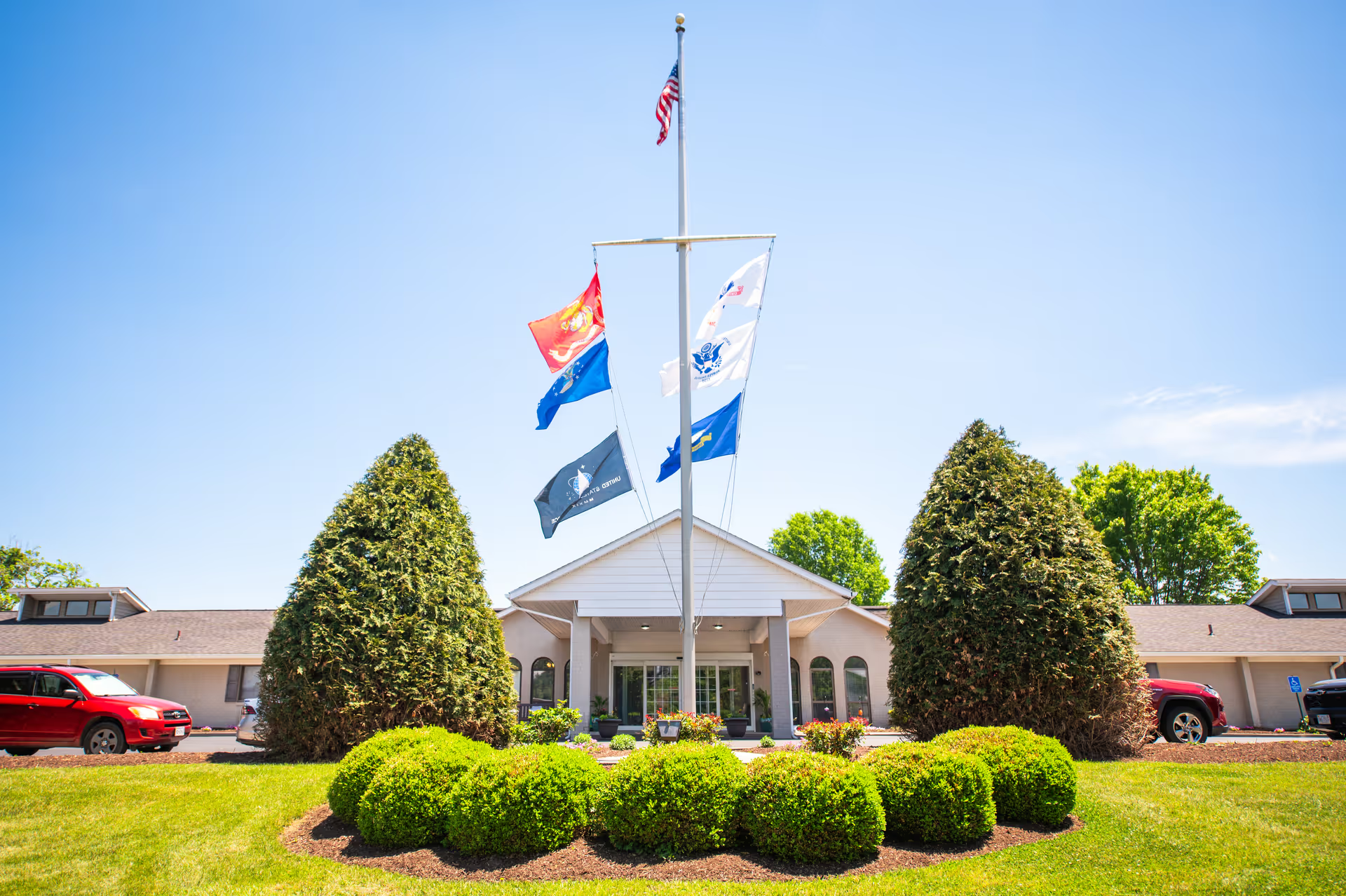
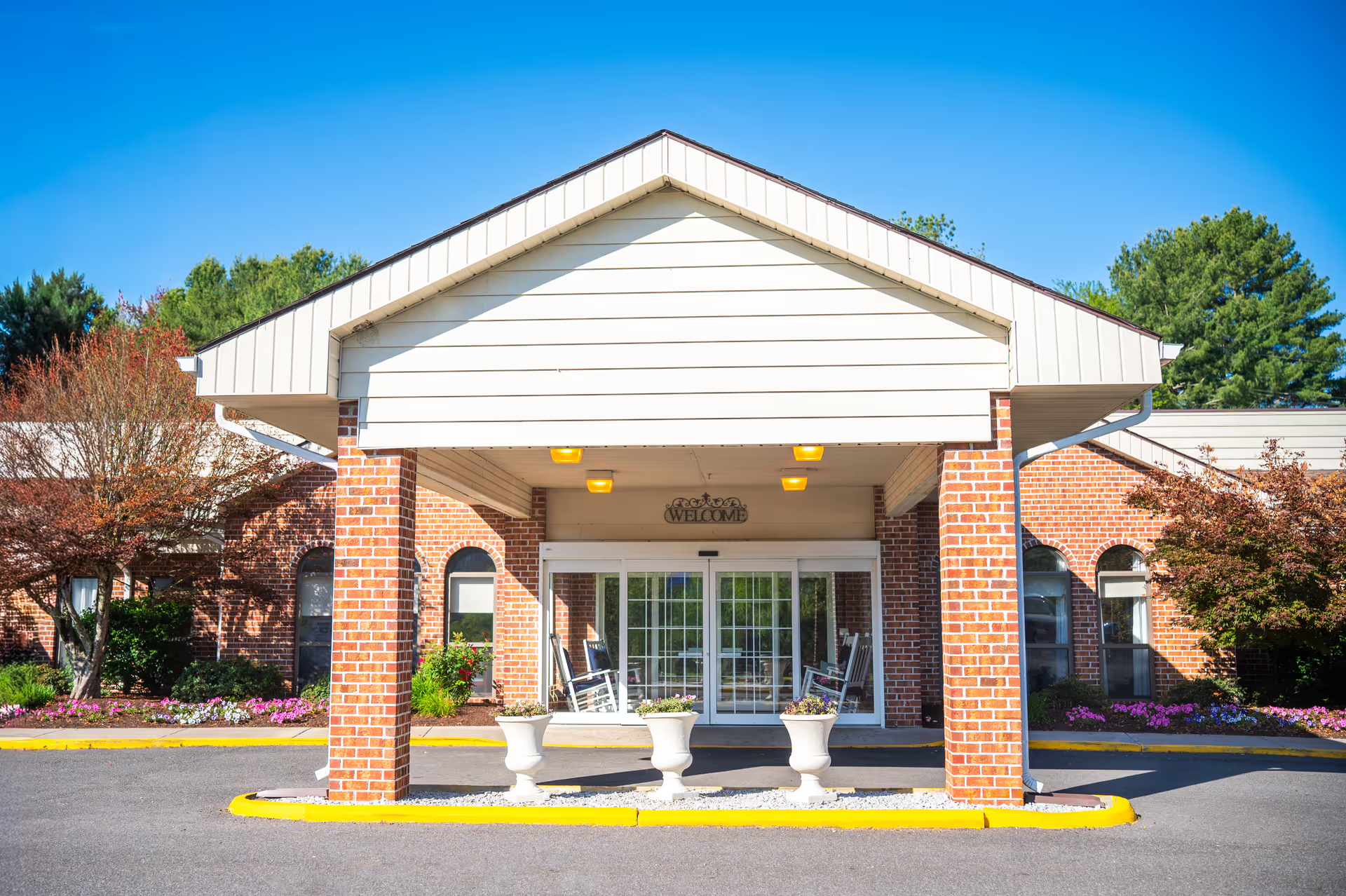
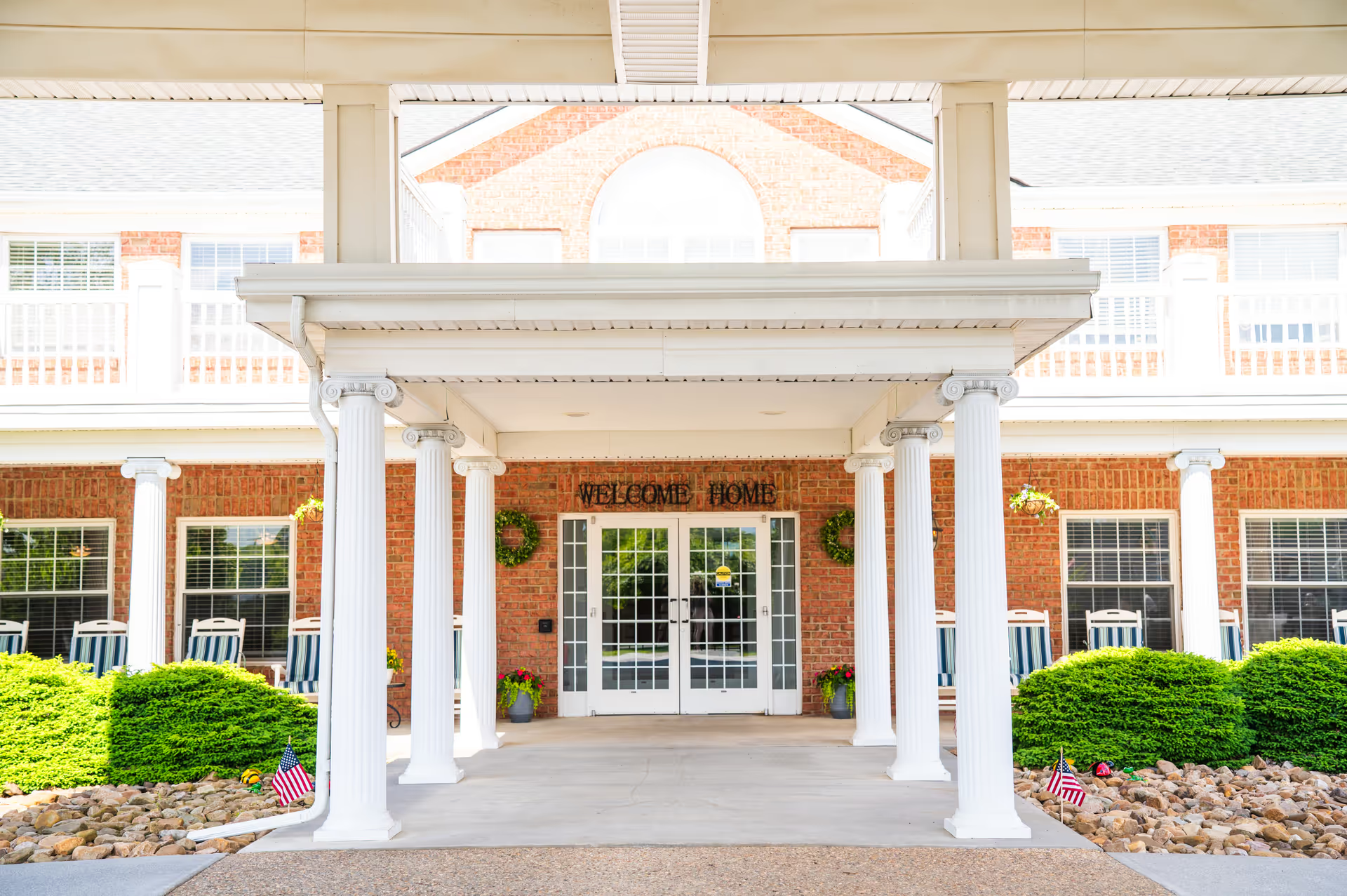
Facilities and housekeeping show divergent impressions. The building’s exterior and some rooms are described as secure and well-maintained, and routine services such as laundry and room cleaning are noted positively by some. However, other reviews raise sanitation concerns, odor issues in common areas, signs of an aging interior (carpets, bathrooms, and general décor), and isolated pest-control concerns. These point to uneven housekeeping and maintenance practices that affect resident dignity and perception of care.
Management and communication emerge as a recurring theme. Positive examples include proactive COVID-era outreach via virtual meetings and responsive admission/administration contact. Criticisms focus on inconsistent transparency about residents’ health status, delayed responses from front-desk staff, lost belongings, and occasional reports of mishandled emergency responses. Taken together, these comments suggest opportunities for stronger oversight, clearer family communication protocols, and improvements to staffing models.
In summary, Westwood Center has meaningful capabilities — caring individuals, clinical strengths in some areas, on-site amenities, and active programming — but reviewer experience is highly variable. The dominant patterns of concern are inconsistent responsiveness, staffing shortages, housekeeping variability, and aging infrastructure. Prospective residents and families should weigh the facility’s amenities and positive staff examples against the documented operational weaknesses, and consider direct, recent observation of staffing levels, sanitation practices, meal service reliability, and care-plan communication before making placement decisions.