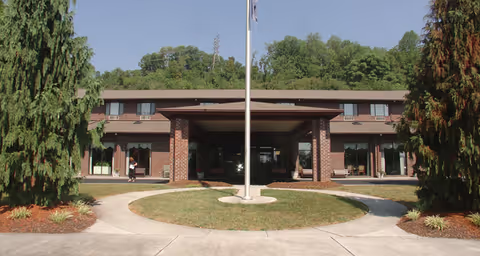
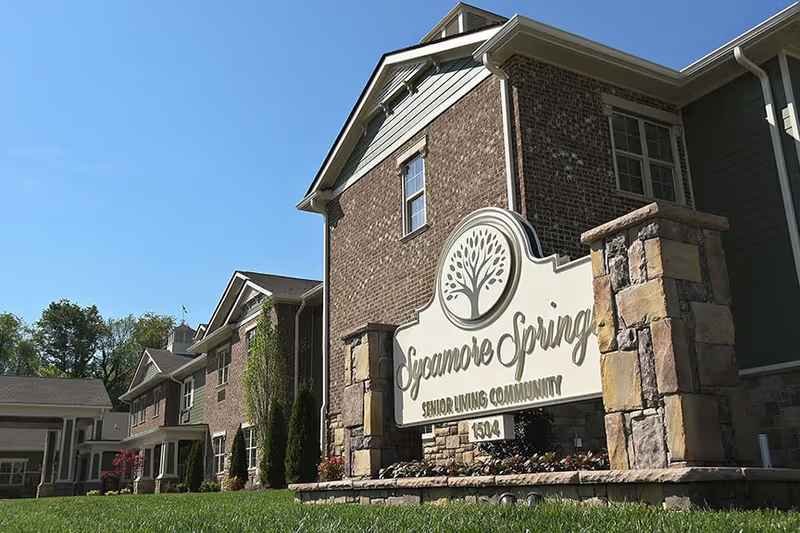
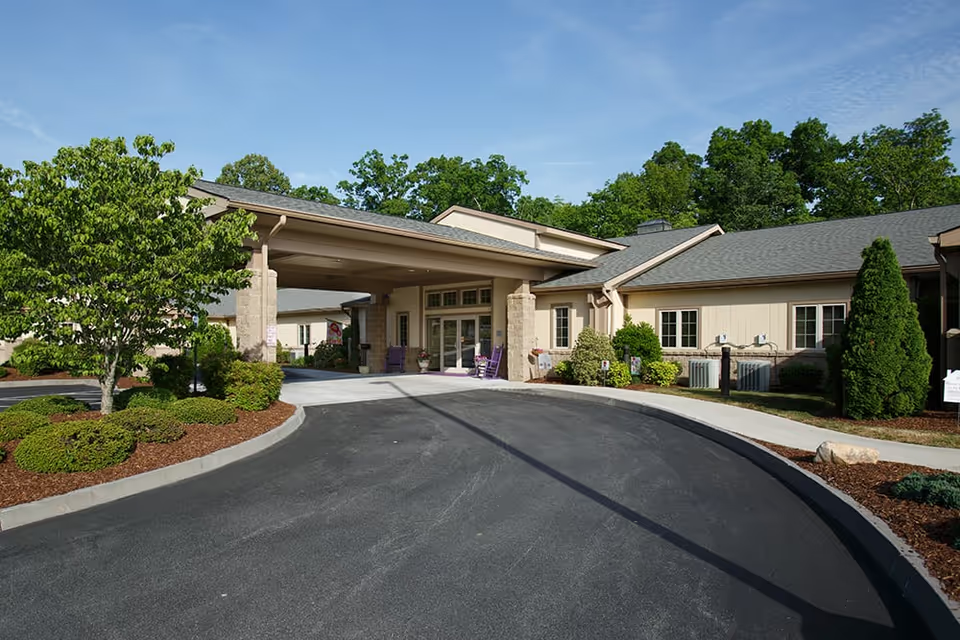
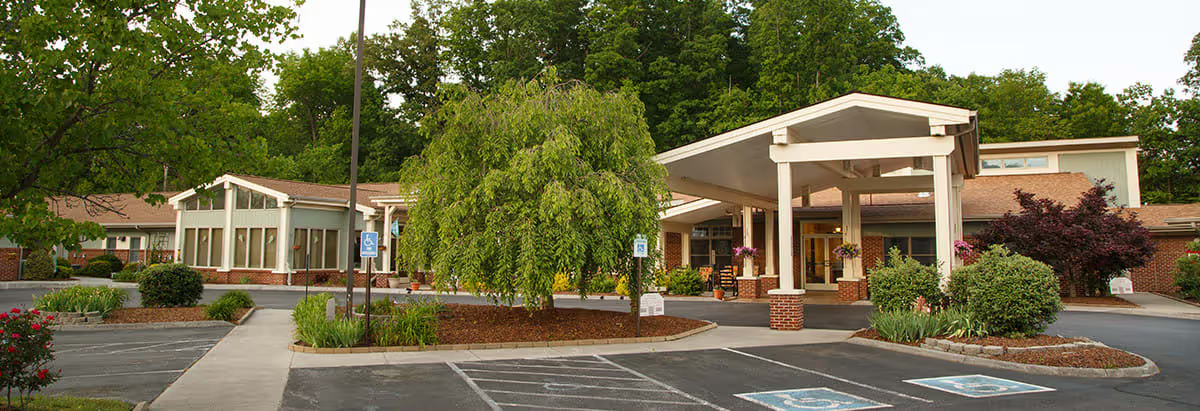
The Memory Care at Bristol is consistently described as a new, clean, and well-maintained community with attractive interiors, accessible parking, and secure outdoor spaces. Many families and visitors note spacious private units with good natural light, one-bedroom layouts that include kitchenettes, and an ability for families to personalize rooms. The facility offers a broad range of on-site amenities — a dining room, library, movie theater, and activity spaces — and reviewers frequently highlight the programmatic side: movie nights, themed events, painting, exercise, puzzles, performances, and other memory-care–oriented stimulation.
Staffing and day-to-day caregiving present a mixed picture. Numerous accounts characterize staff as kind, helpful, and engaged, and reviewers single out knowledgeable clinical leadership and an overall family-like atmosphere that provides peace of mind for many families. At the same time, there are consistent operational concerns around higher-acuity skilled-nursing services: descriptions indicate variability in SNF-level care quality and slower-than-expected clinical responsiveness, particularly during nights. Related themes include staffing turnover, limited night staffing in memory care, and delays in attending to personal-care needs — operational traits that prospective residents should evaluate carefully if higher levels of clinical support are anticipated.
Dining is a distinct strength for many residents: a chef-led kitchen, positive comments about breakfasts and desserts, and stated willingness to accommodate dietary needs and snacks. However, other comments describe inconsistent food quality and restrictions on outside food, suggesting variability in dining experience and accommodation. Practical amenity gaps mentioned by families include limited washers/dryers for residents and a gym that some consider under-equipped relative to expectations for a new facility.
Management and administrative interactions vary. Several families praise responsive staff and helpful admissions coordination, including assistance with technology and move-in logistics. Conversely, some describe occasions when administration was difficult to reach and when billing expectations were unclear — for example, a flat-rate fee that did not cover all anticipated services. These mixed reports point to inconsistent communication and transparency at the operational level.
Overall, The Memory Care at Bristol appears to be a strong option for residents seeking an attractive, activity-rich assisted living or memory-care environment with engaged, compassionate staff and ample communal amenities. For families requiring or considering skilled-nursing care, the pattern of concerns about SNF-level consistency, nighttime staffing, and response times suggests a need for direct verification: review current staffing ratios, shift coverage plans, clinical response protocols, and detailed fee inclusions before finalizing placement.