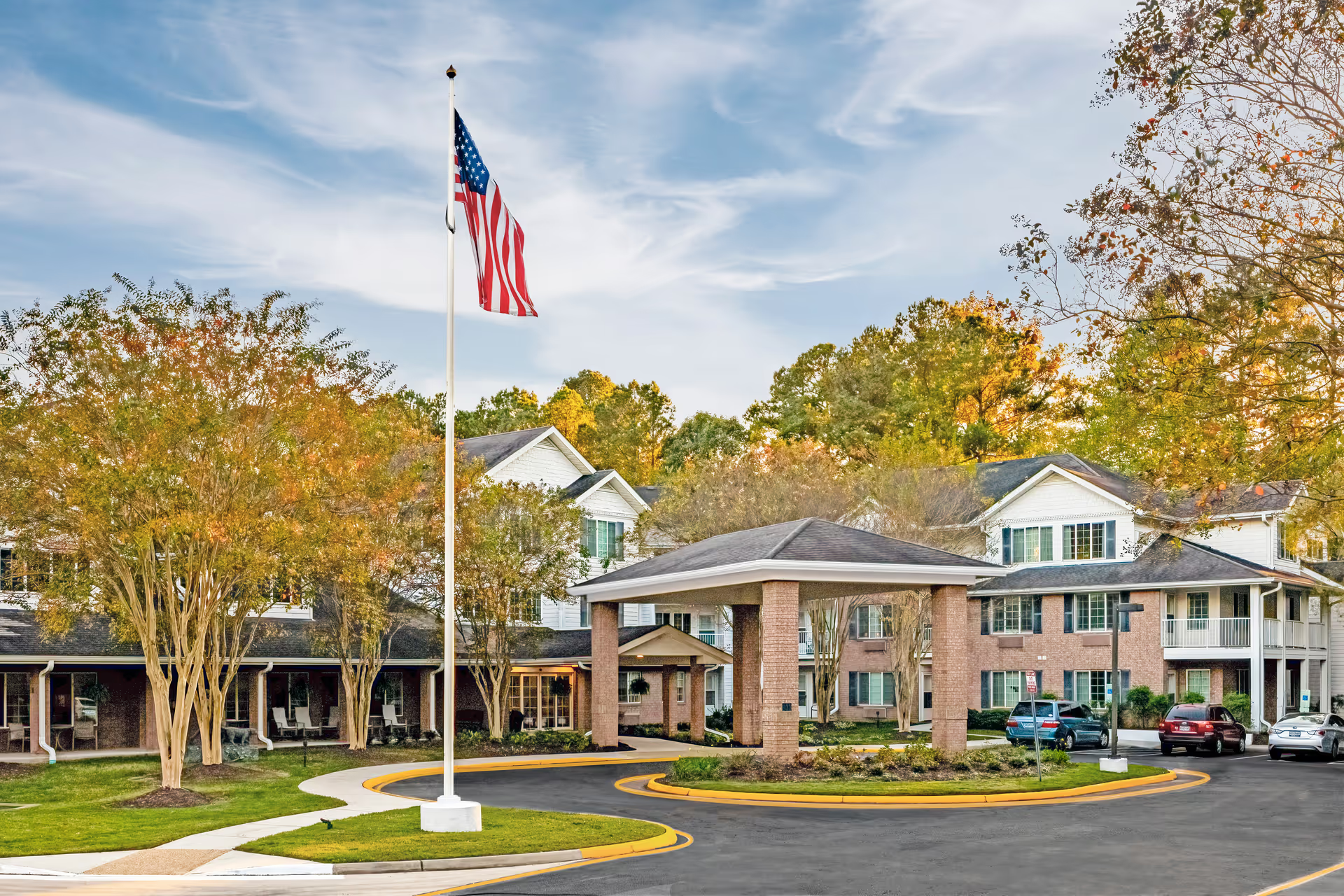
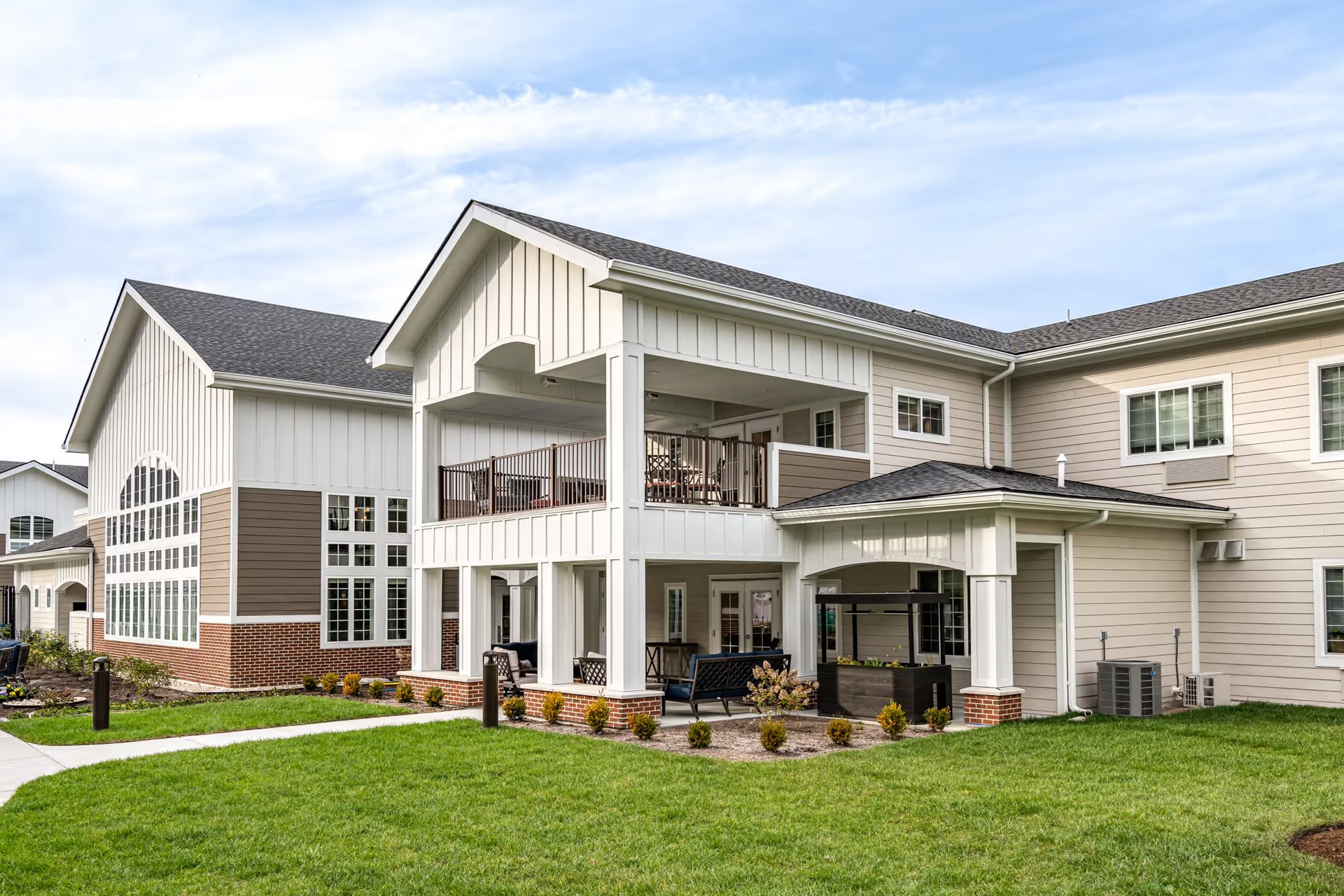
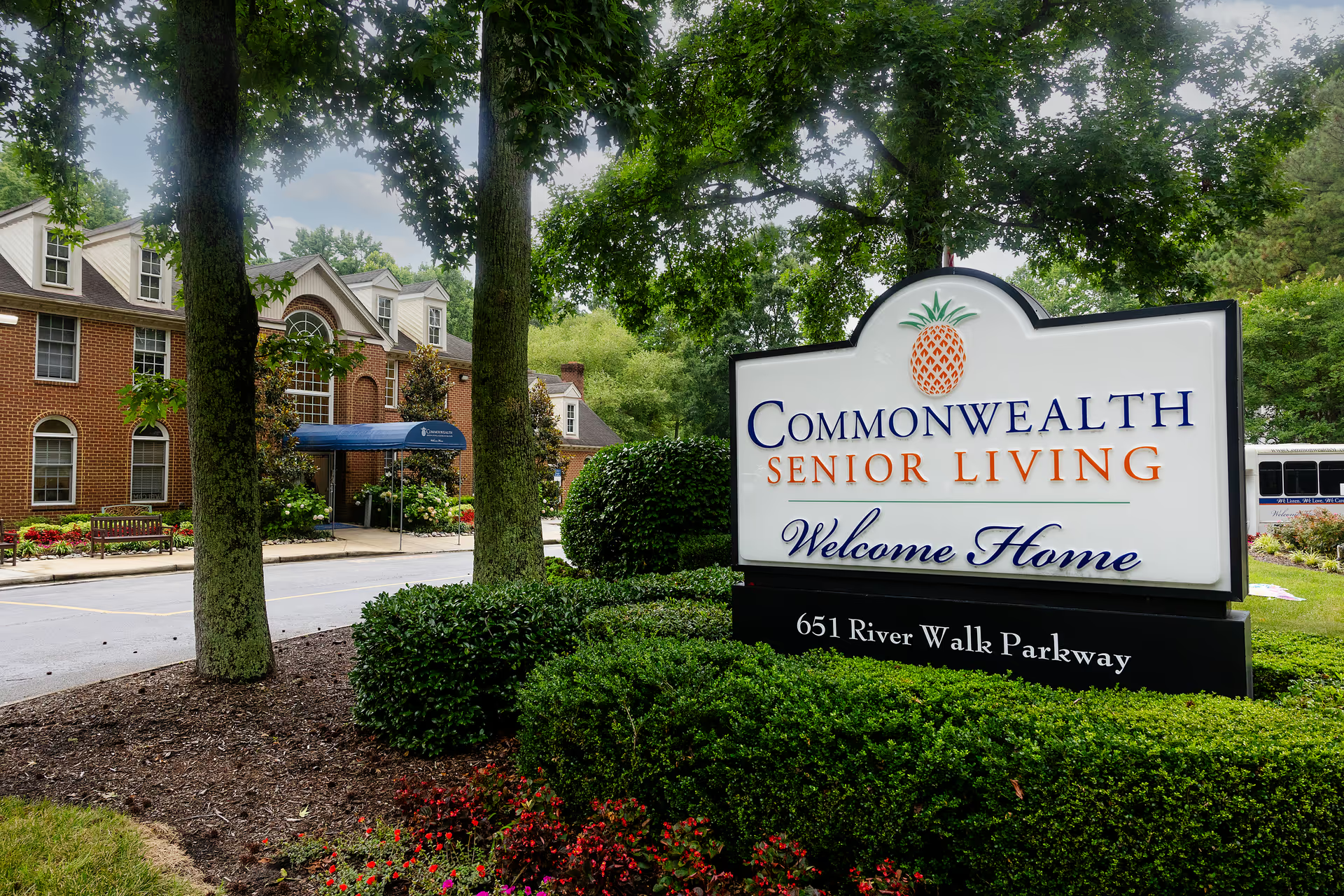
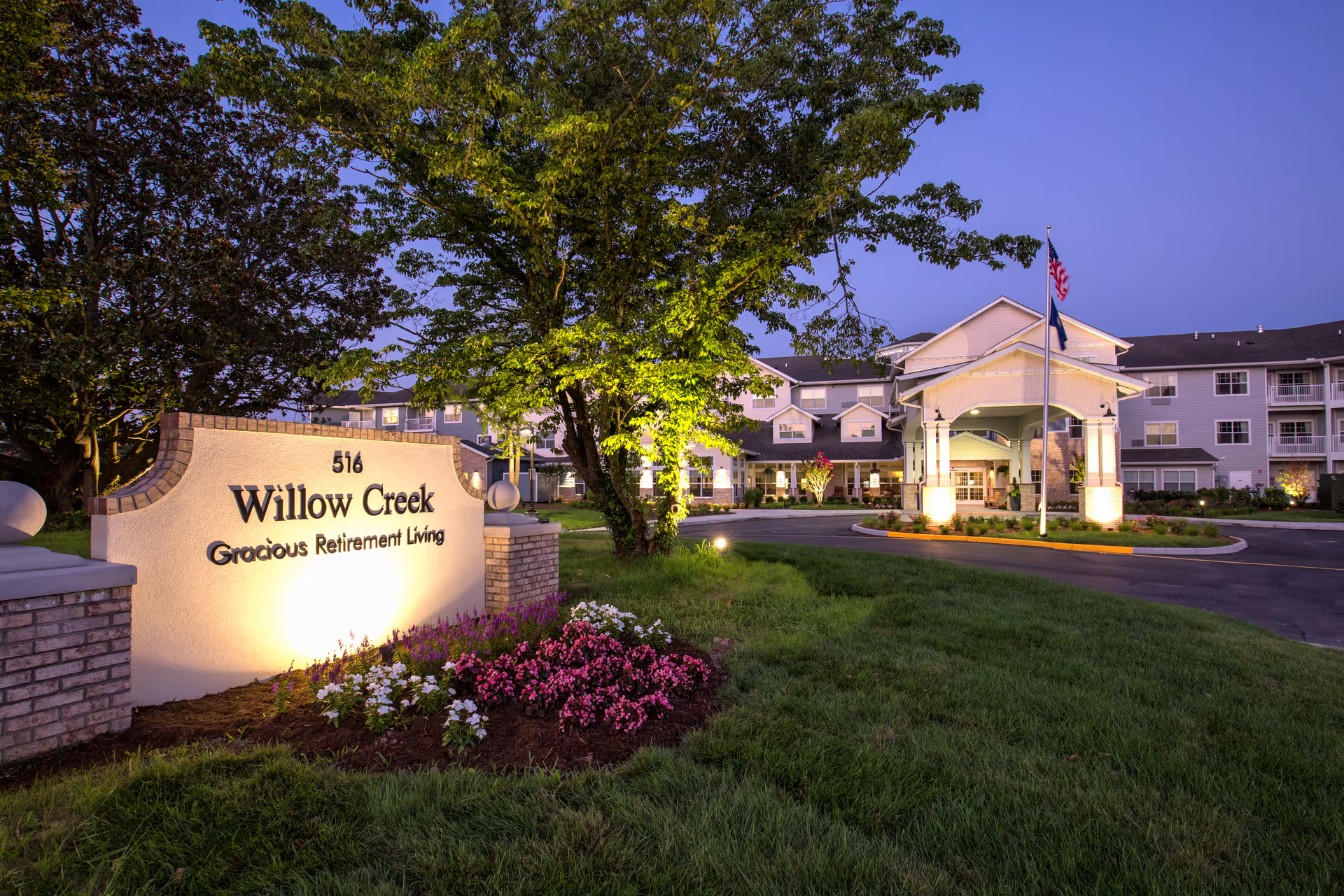
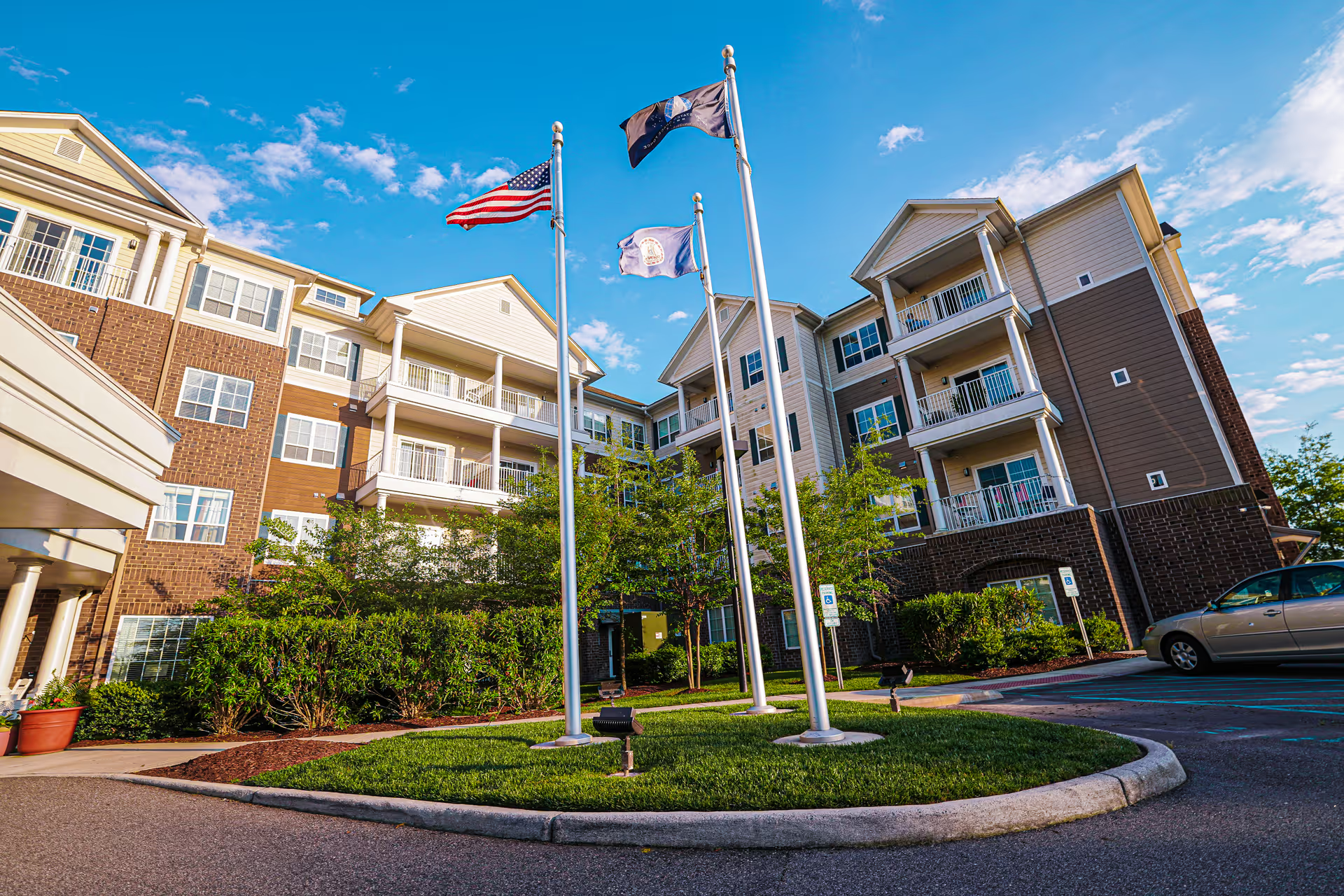
Commonwealth Senior Living at Cedar Manor presents as a generally well-appointed, attractive senior community with several clear strengths and recurring operational issues. Physical spaces and amenities receive consistently positive feedback: reviewers note clean, recently renovated interiors, pleasant common areas (music/theater rooms, game spaces), and well-kept grounds with outdoor seating and water features. Unit-level positives include large rooms, good storage and closet space, private-dining options, and visibility from common areas — features that families and residents frequently cite as comforting and home-like.
Staffing and day-to-day care generate mixed impressions. Many families praise warm, compassionate caregivers, long-tenured staff members, and an engaged activities team that offers frequent social events, family nights and outings. Several reviewers highlighted particular staff members and leadership as responsive and family-focused. In contrast, a recurring pattern of inconsistent staffing levels and high turnover was described, with consequences including delayed assistance to call lights, variability in caregiver conduct between shifts, and occasional lapses in personal-care routines. These operational patterns have translated into concerns about timely assistance, especially during nights or busy periods.
Clinical and safety-related themes include both strengths and gaps. Positive accounts describe attentive care, effective hospice coordination in some cases, and useful dementia-focused programming and memory-care design. However, reviewers also described gaps in medication administration and clinical communication (for example, late or missed notifications about changes in condition), limited on-site nursing coverage at times, and constraints in hospice integration. These items point to uneven clinical oversight rather than universally poor clinical practice.
Dining and activities form another area of contrasts. The dining program is often praised for chef-prepared, varied menus, pleasant dining-room ambience and special events (ice-cream socials, themed meals, family dinners). At the same time, reviewers note variability in meal quality and nutritional balance, occasional reliance on fried or salty options, and perceptions that some menu choices are less healthful. Activities programming is generally described as robust — with crafts, trips, music, and frequent scheduled events — but consistent participation can depend on staffing levels and whether aides are available to assist residents to and from events.
Management, communication and operations reveal a split pattern. Several families report accessible leadership, a responsive resident council, and timely resolution of issues. Other reviewers described inconsistent follow-through from directors, delays or confusion around billing and admission paperwork, and periods of poor communication (including missed ER notifications and delayed family outreach). Housekeeping is typically rated positively, yet a few comments cite sanitation and housekeeping inconsistencies in certain areas that warrant monitoring.
Overall, Cedar Manor’s strengths center on its physical environment, activity programming, and many compassionate staff members. Prospective residents and families should weigh those strengths against recurring operational themes: inconsistent staffing and shift-to-shift variability, episodic delays in assistance and clinical communication, and uneven meal/nutrition experience. Visiting at different times of day, asking for staffing and clinical-coverage details, speaking with current families, and reviewing medication/incident communication protocols will help families assess how well the facility’s strengths align with an individual resident’s care needs.