Reviews of Parsons Residential Care Center present a polarized picture: numerous families describe compassionate, hands-on caregiving, good clinical coordination (including hospice involvement), and strong, proactive communication from certain staff and leaders, while other accounts identify operational and safety-related weaknesses that materially affect resident experience.
Care and staff: Many reviewers praise direct-care staff as caring, attentive, and supportive; several accounts highlight effective clinical interventions (for example, prompt detection of infection and coordination with physicians) and positive end-of-life support. At the same time, reviewers also describe wide variability in staff conduct and frequent turnover, which has been associated with delays in attending to resident needs, inconsistent incontinence care, and lapses in medication timing and documentation. Family communication is often cited as a strength where present, but failures in timely notification about incidents or care changes appear repeatedly as an operational gap.
Dining and activities: Multiple families note balanced menus, enjoyable meal choices, and a calendar of activities that supports social engagement. Conversely, there are persistent complaints about inconsistent meal quality and reliance on low-quality or highly processed items in some instances. Activity offerings exist and can be meaningful for transitioning residents, yet some residents and families describe limited social interaction or engagement early in stays.
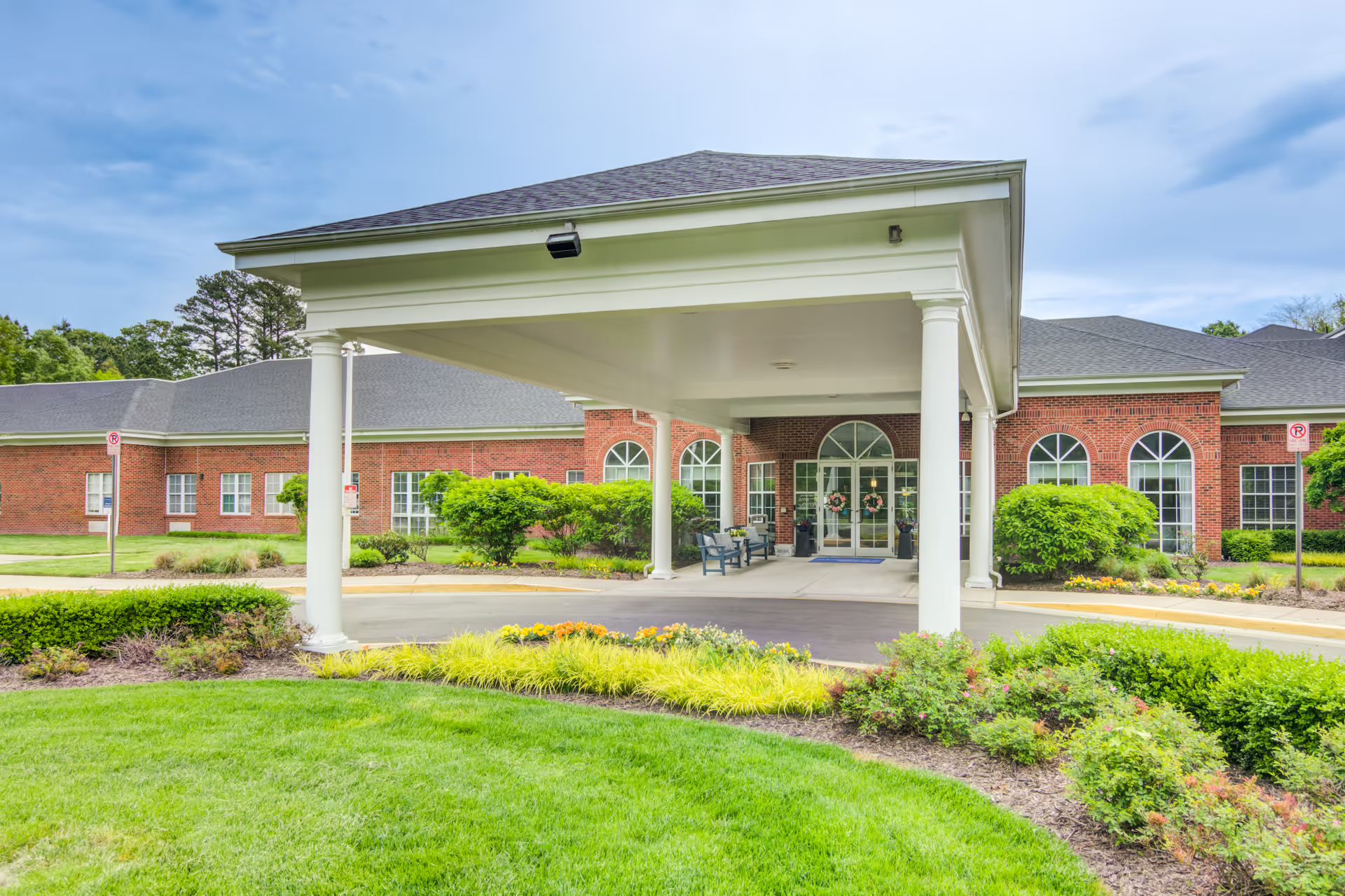
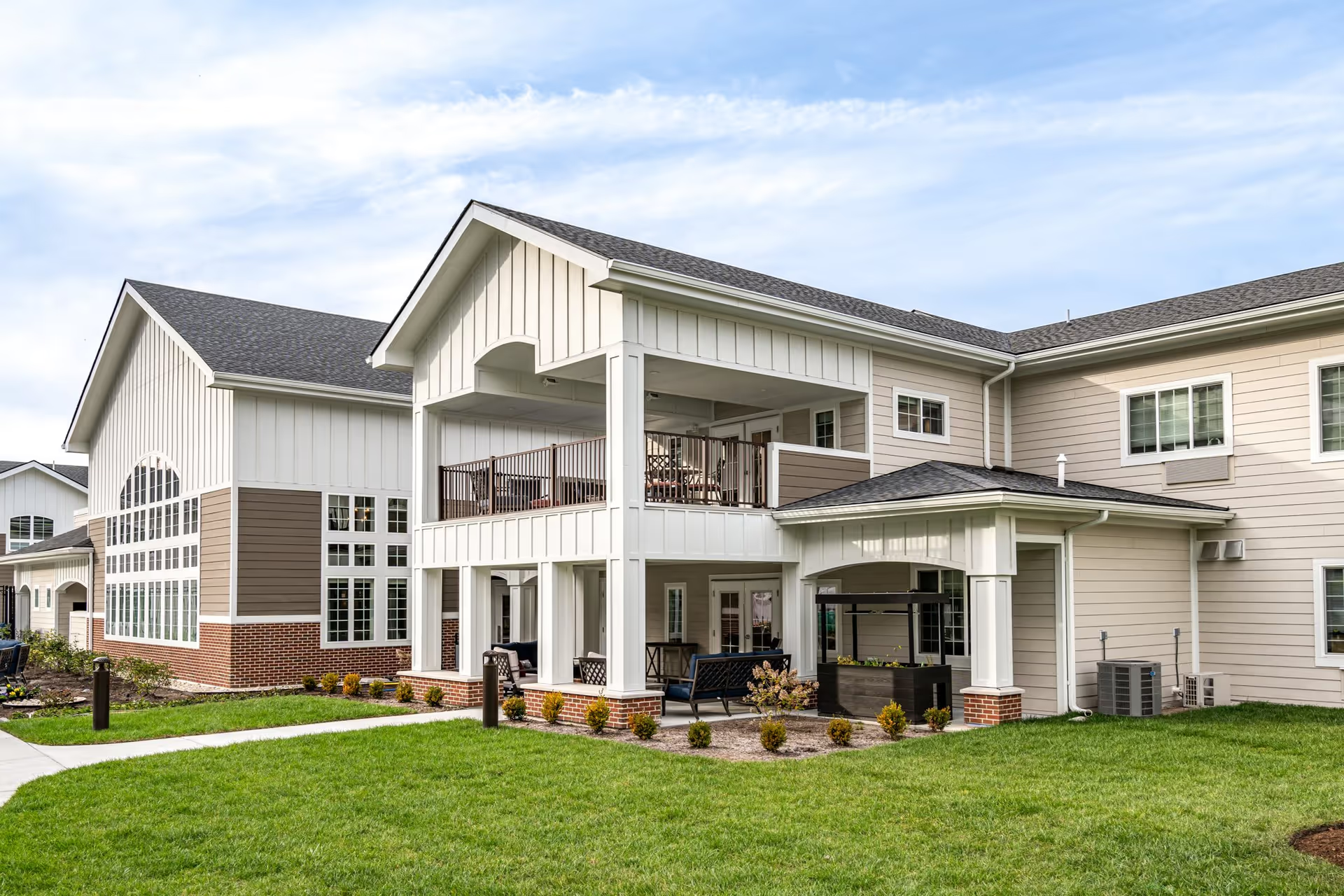
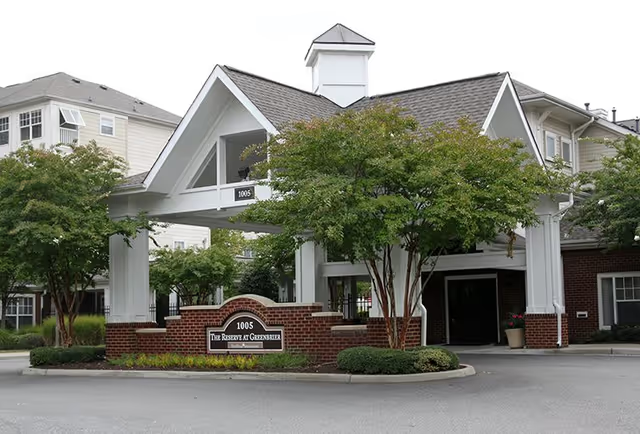
Facilities and environment: The building is characterized as older but largely maintained inside; many reviewers find interior cleanliness and recent renovations reassuring. However, significant concerns appear about environmental systems and facility upkeep, including HVAC failures and prolonged lack of air conditioning, as well as pest-control issues affecting both resident areas and food-preparation spaces. Security and property-control weaknesses are also described, with allegations of missing personal items that suggest a need for stronger controls.
Management and operations: Leadership impressions are mixed. Some reviewers single out individual leaders and departments for praise and note responsive, accountable management; others describe defensive communication, perceived dishonesty, corporate-level administrative shortcomings, and calls for regulatory scrutiny. These divergent perceptions point to inconsistent operational oversight and variability in how policy and procedure are enforced across shifts or units.
Notable patterns and guidance: The overall pattern is one of extremes — families either report a warm, community-oriented experience with strong clinical support, or serious operational failures that affect resident safety and comfort. Prospective residents and families should tour the facility, ask targeted questions about staffing stability, pest-control protocols, HVAC maintenance, medication administration practices, incident-notification procedures, and theft-prevention measures, and seek recent regulatory or inspection records to clarify current conditions.