Care and staff: Overall impressions emphasize a strong frontline team. Many families describe caregiving staff as compassionate, engaged, and able to build social connections; reviewers cite personalized attention, medication assistance, hospice coordination, and steady daily support. However, a recurrent operational theme is staffing strain: understaffing (particularly overnight) and overworked employees are associated with slower response times to call signals and family communications. Some families noted that residents with specialized needs required proactive family advocacy to ensure consistent attention.
Dining: Dining experience is mixed. Several accounts praise plentiful food, accommodating individualized meals, event meals, and a steady supply of snacks. Conversely, other accounts describe variability in menu quality and meal temperature, with occasional cold or unappealing entrées. Prospective families may want to ask about meal-service routines, kitchen staffing, and how special-diet requests are handled.
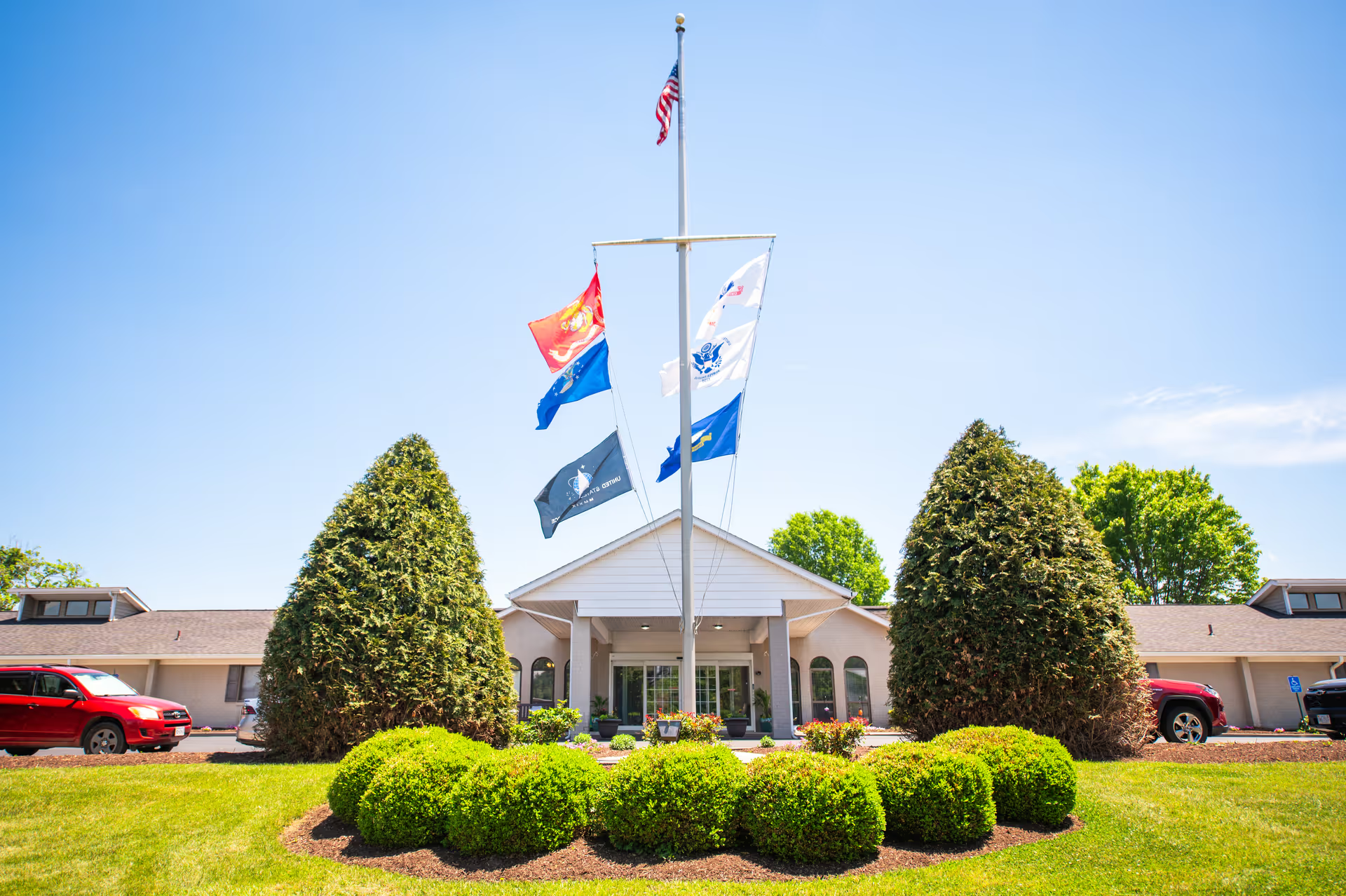
Activities and social life: The community offers an active calendar with exercise classes, crafts, bands, Bible groups, bingo, and outings; many residents reported good social engagement and veteran-focused programming. That said, some families perceived the activity mix as limited in variety or not always age-appropriate. COVID-era limitations were cited as a factor in constrained programming for some periods.
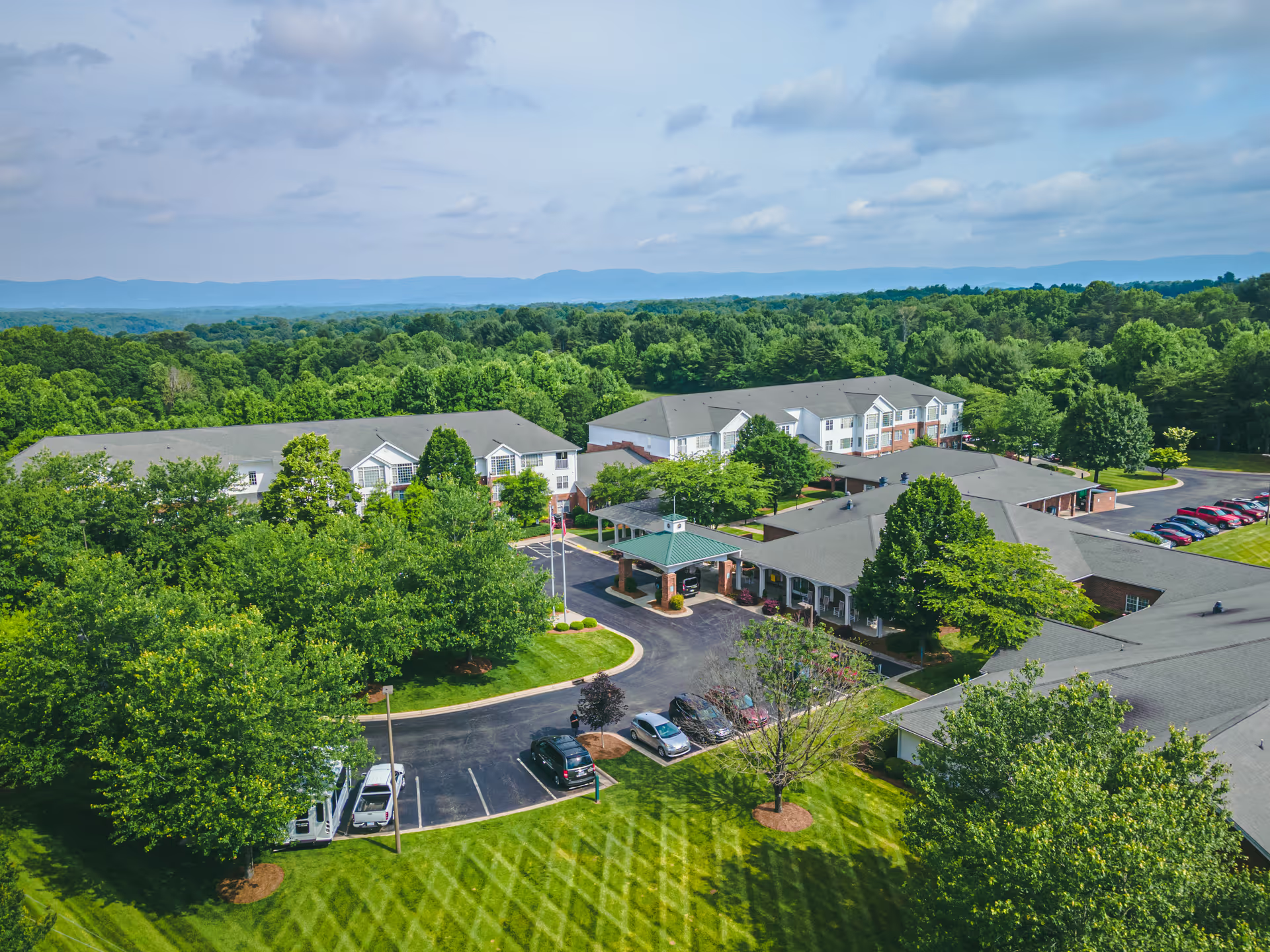
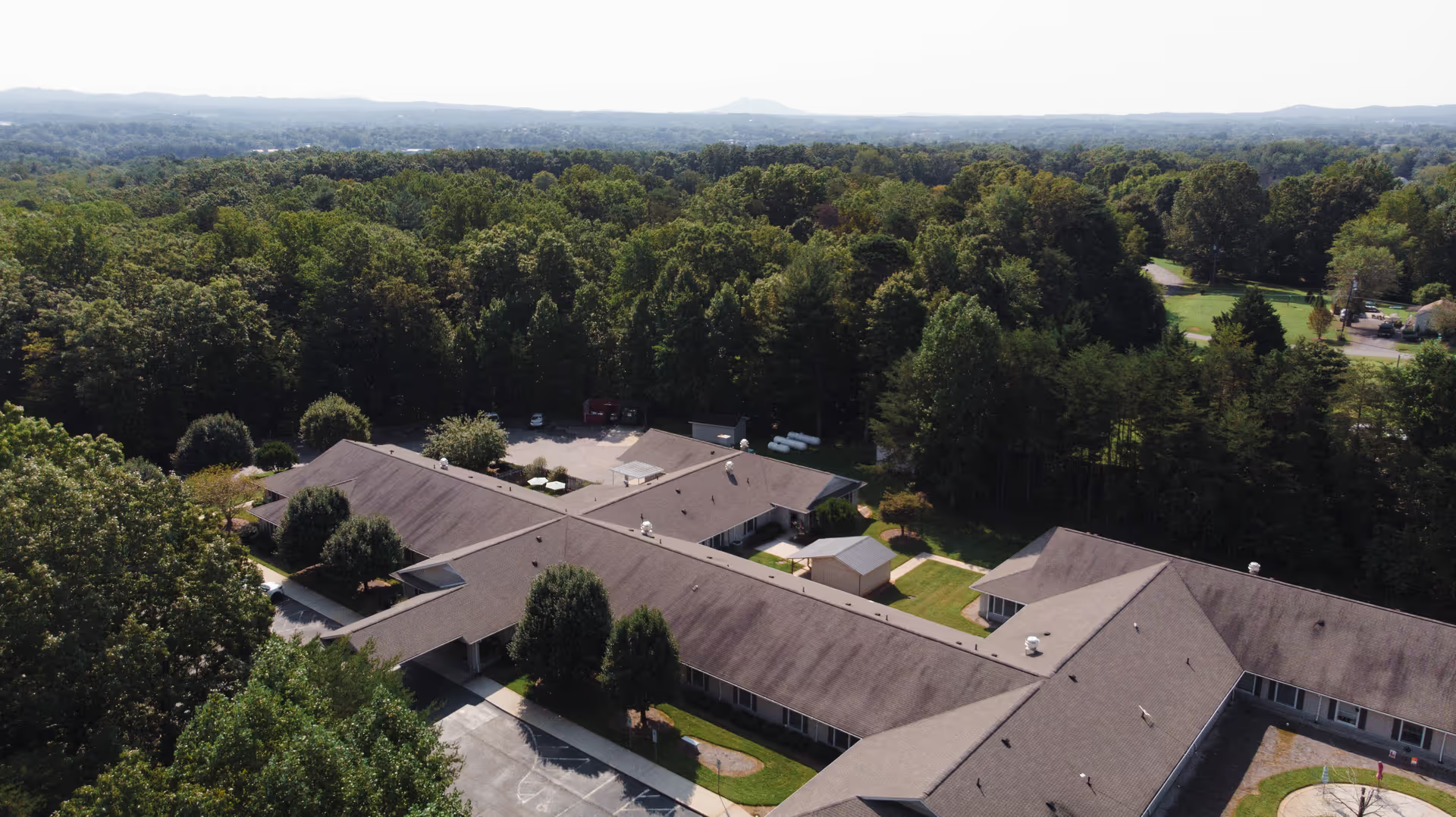
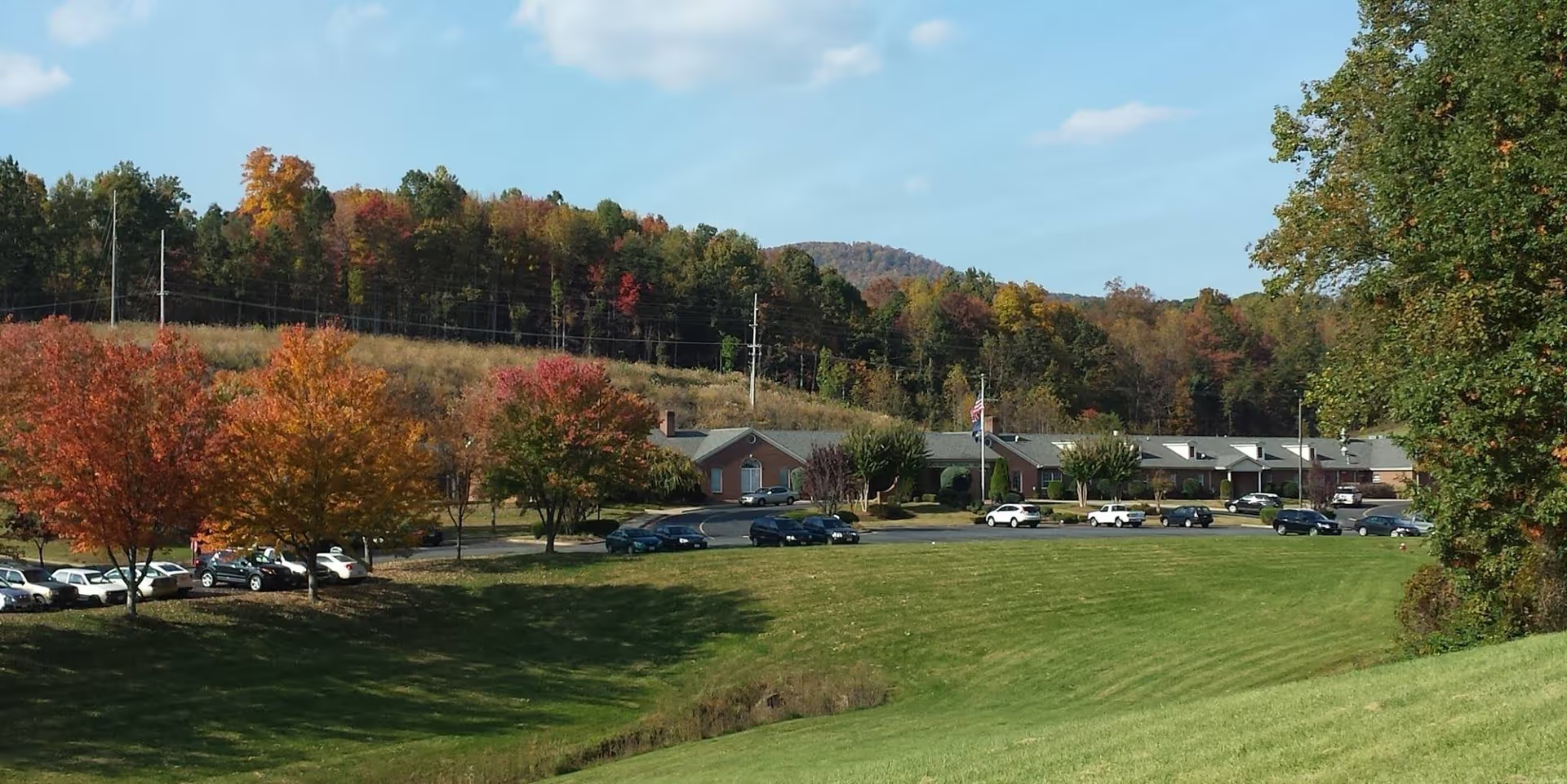
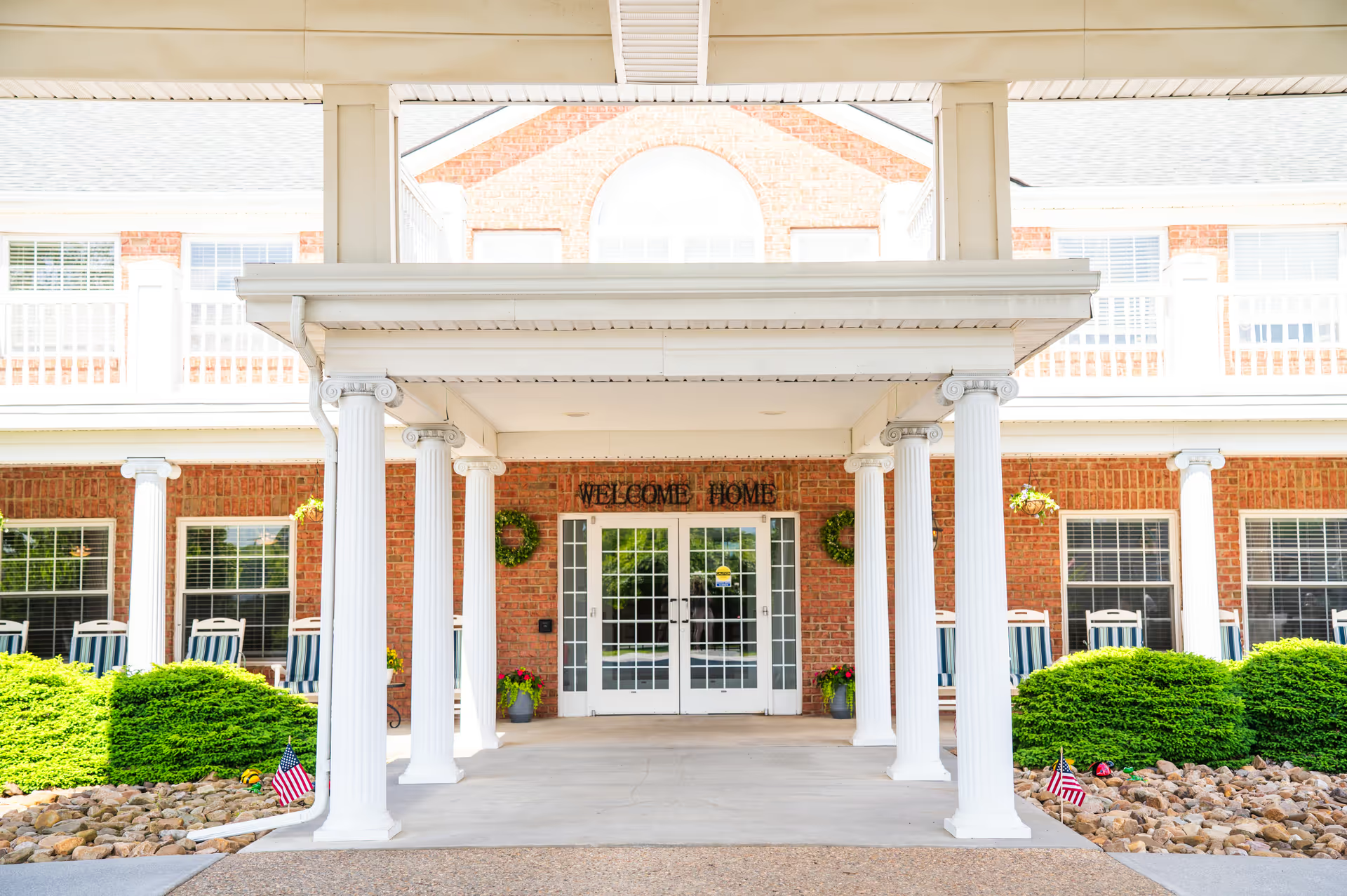
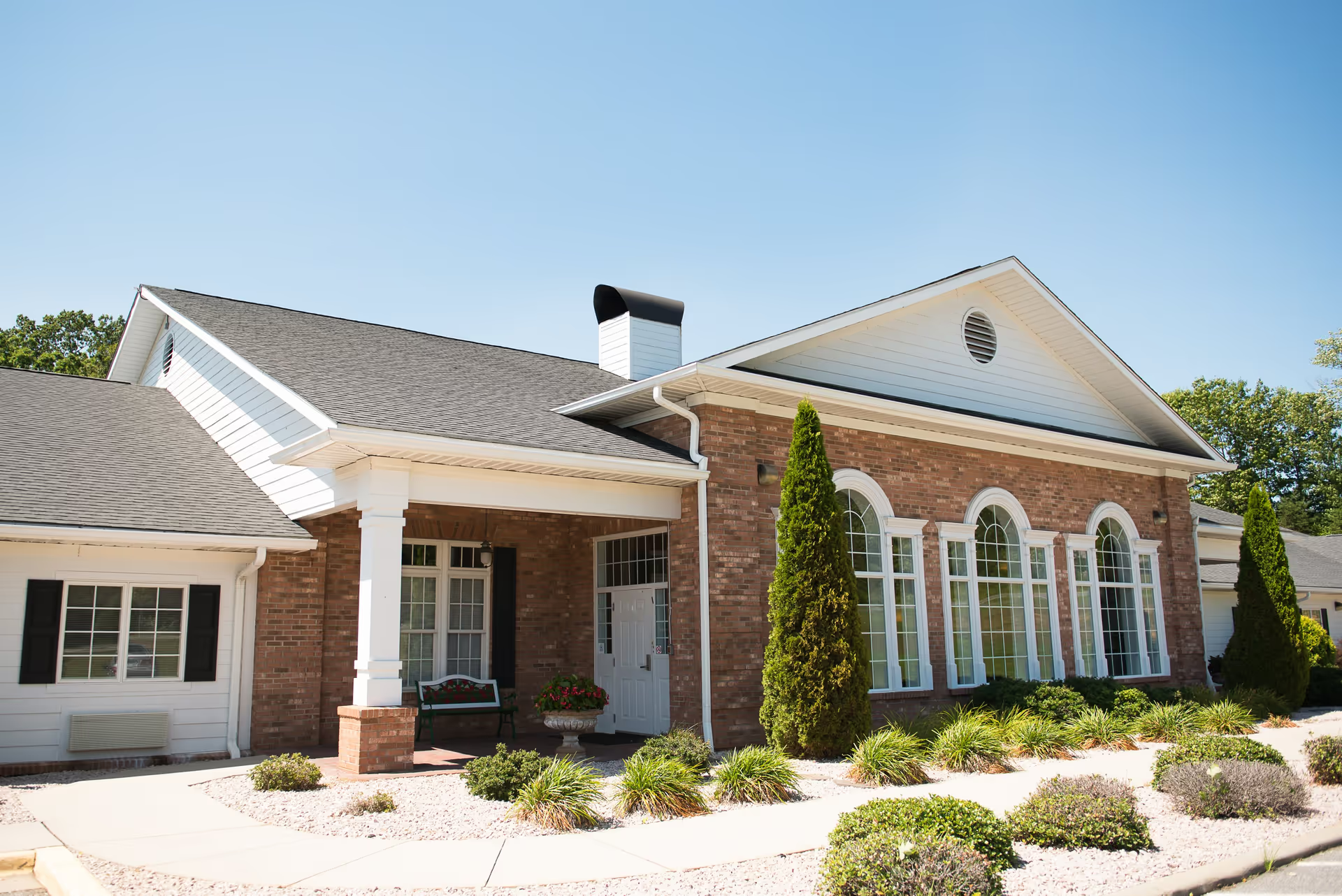
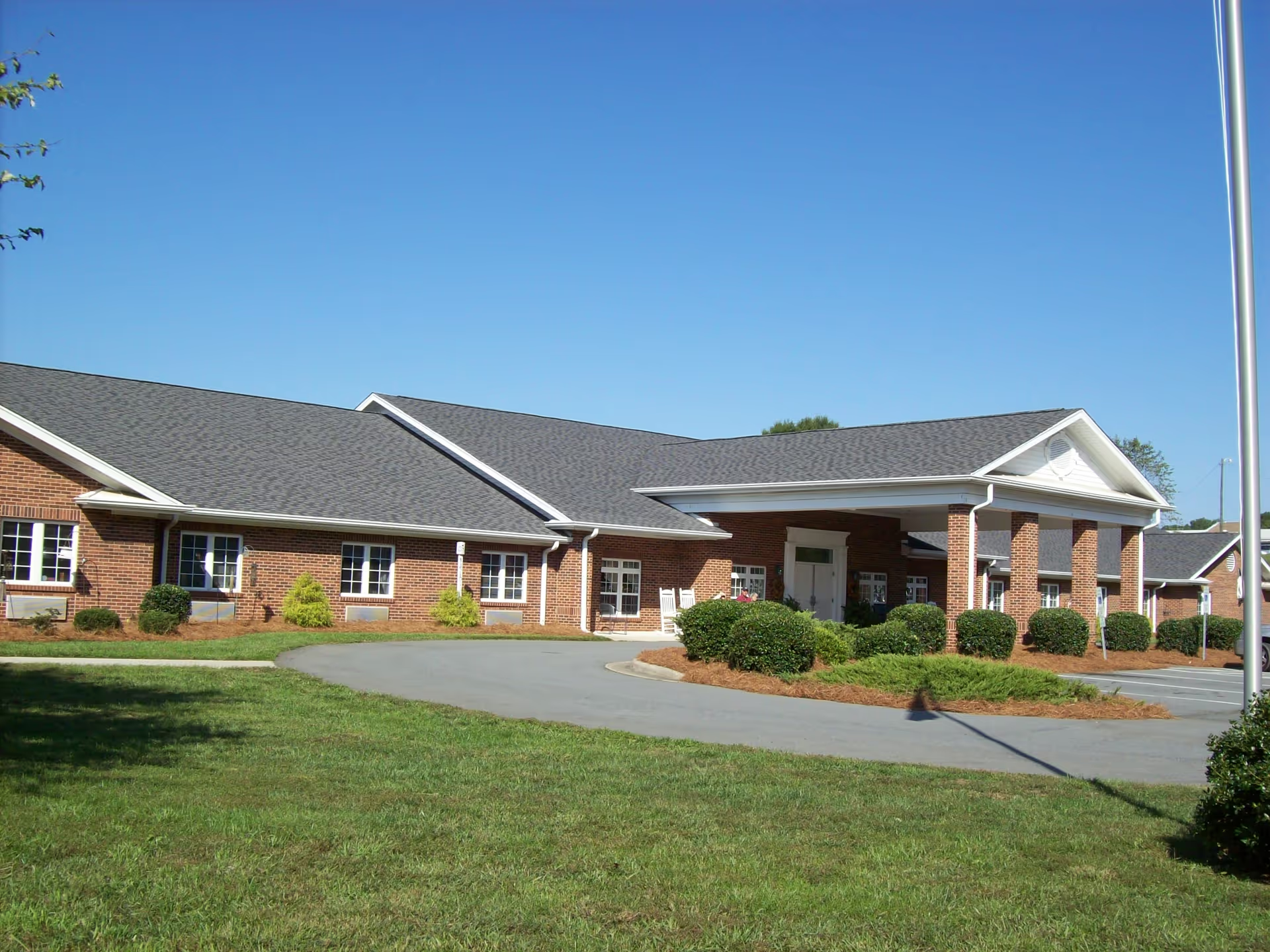
Facilities and maintenance: Common areas and grounds are frequently described as clean, pleasant, and well maintained, with attractive outdoor spaces and up-to-date apartments. At the same time, there are notes of localized unit-level maintenance and sanitation concerns (cosmetic repairs, cleaning of fixtures, shower and window repairs). These comments suggest inconsistent upkeep across individual rooms rather than a uniformly poor physical plant.
Management and communication: Frontline staff and office personnel receive positive remarks for responsiveness and helpfulness. In contrast, several reviewers raised concerns about management-level communication, slow email/call responses, and perceived unresponsiveness from upper management. There is also one serious isolated allegation involving unauthorized video capture and broader concerns about transparency; families should inquire directly about incident reporting, privacy policies, and the facility's investigation procedures.
Notable patterns and considerations: The dominant strengths are the quality of daily caregiving and the social atmosphere; many residents appear comfortable and engaged. Recurring operational weaknesses are staffing levels (especially at night), delays in responding to call signals, inconsistent maintenance in some units, and variability in meal service. Prospective residents and families would benefit from asking targeted questions during a tour: current staffing ratios (day/night), average call-response times, sample menus and meal-service timing, maintenance response protocols, transportation options, and how the facility documents and communicates incidents or concerns.