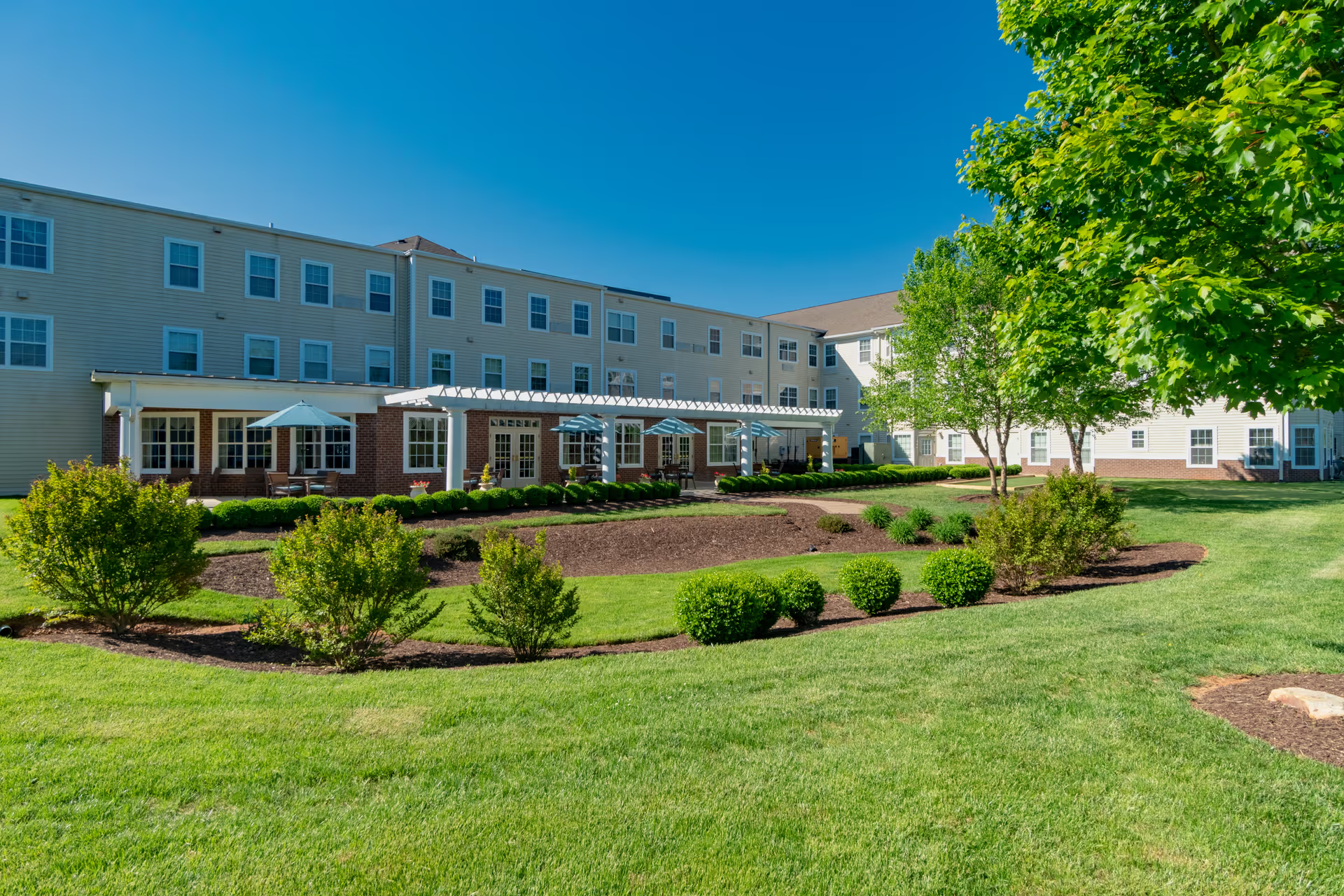
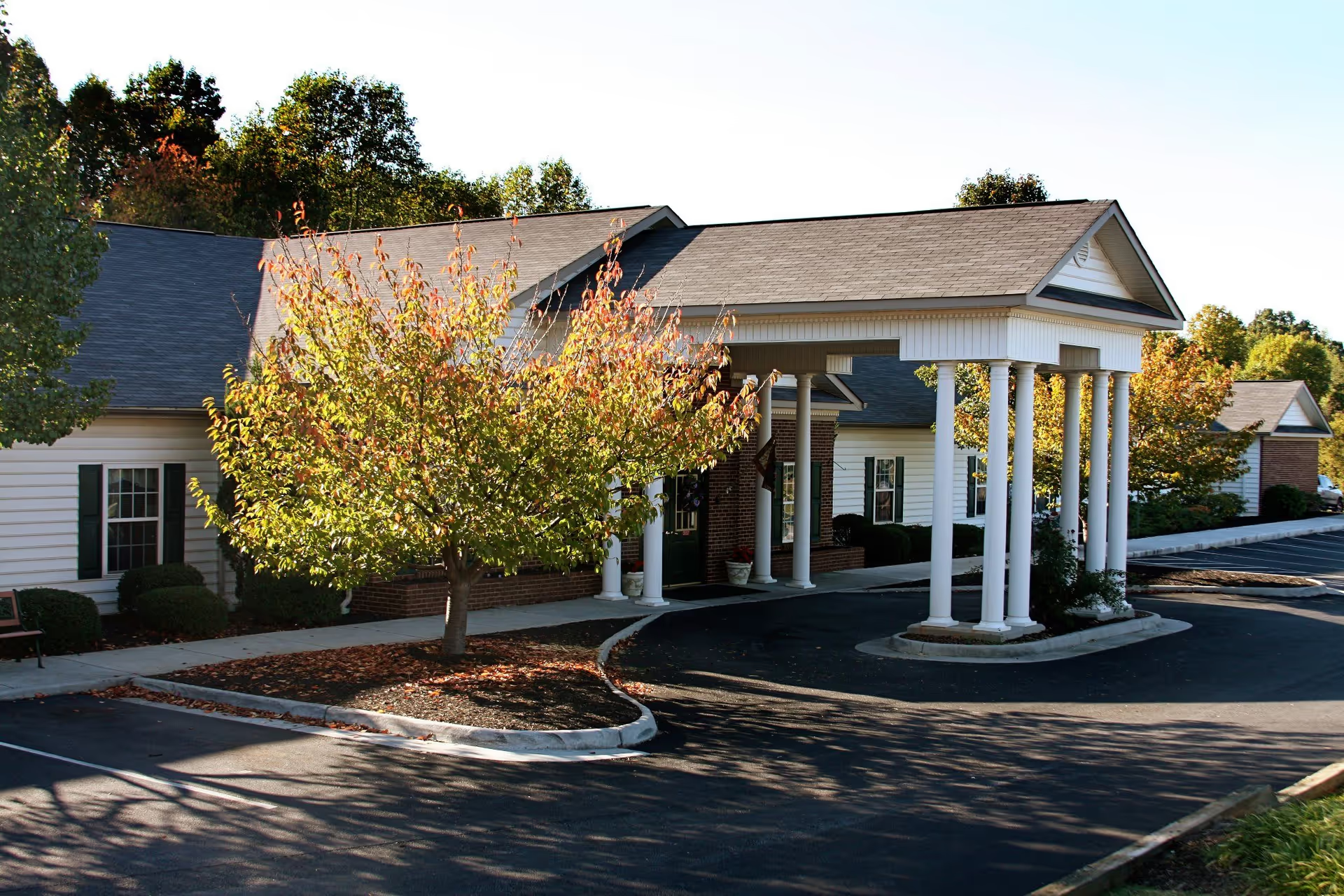
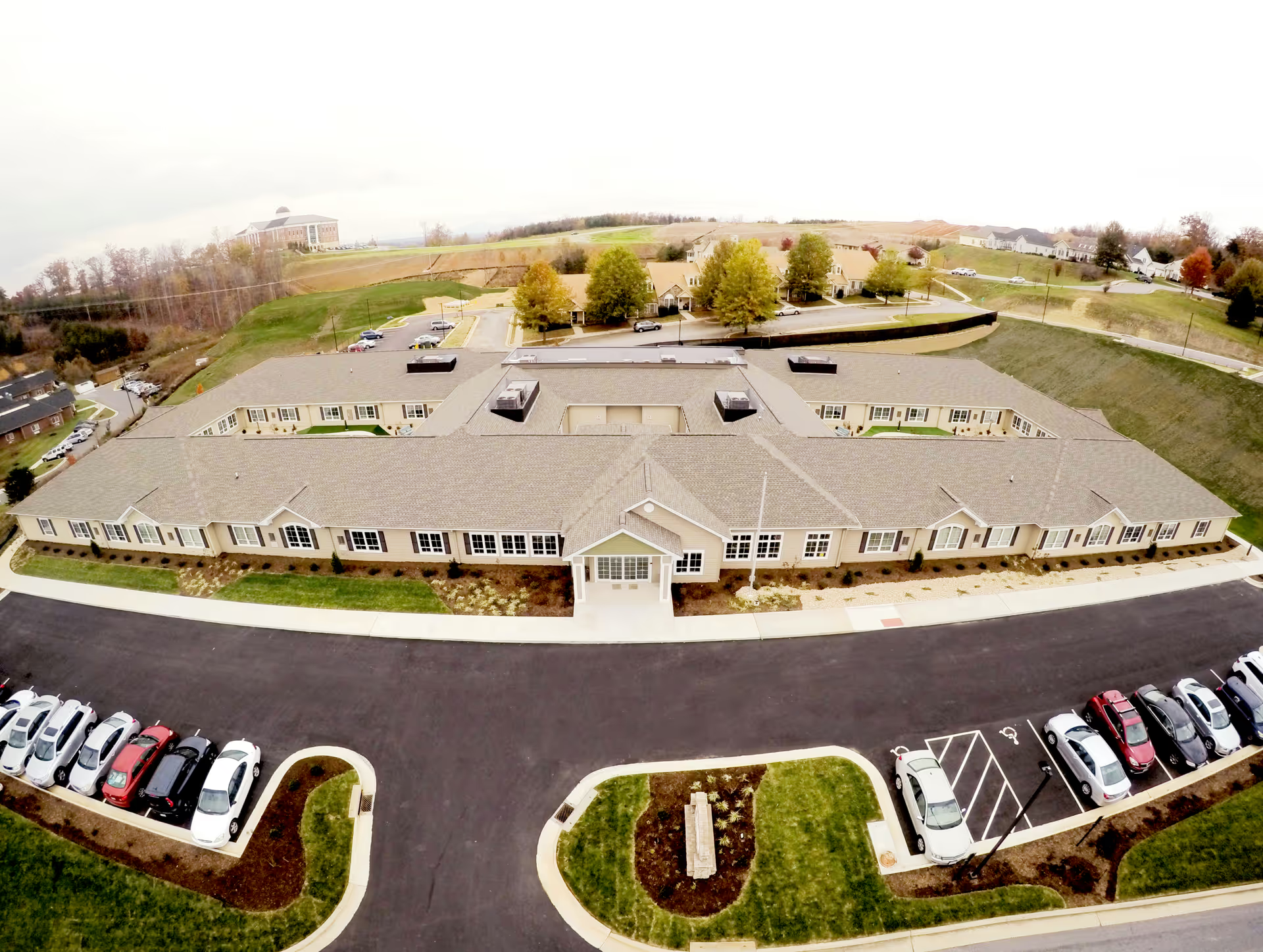
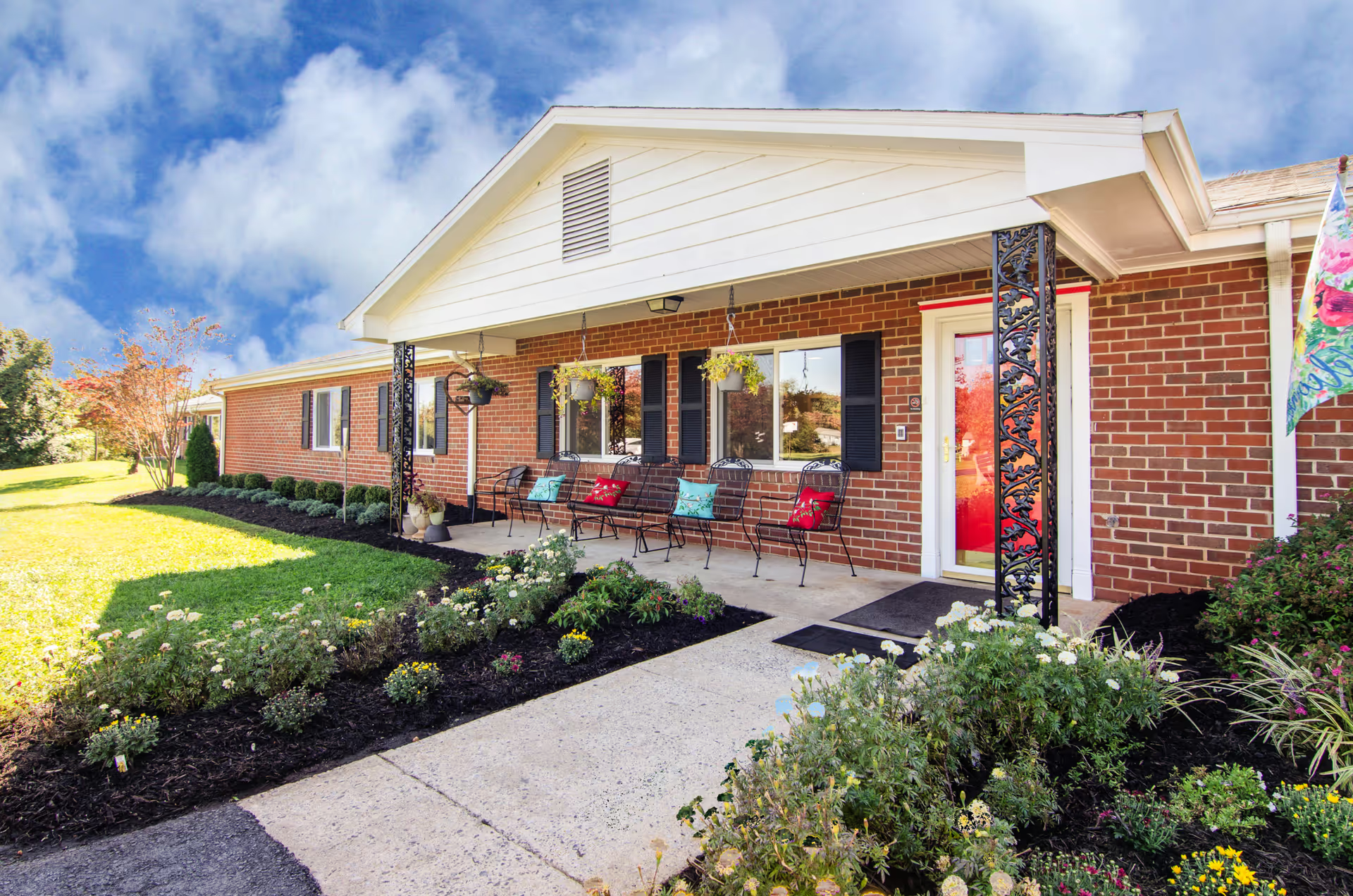
The review set paints a mixed picture in which strong, resident-focused strengths coexist with recurring operational weaknesses. Positive comments consistently highlight caring, welcoming direct-care staff and an active activities program, with particular praise for the Memory Care neighborhood and its locked, secure setting. Many reviewers described comfortable, tastefully decorated common areas and large resident rooms, and several families appreciated the simplicity of an all-inclusive monthly price. Tour and marketing staff, along with some local administrators, received frequent commendation for being informative and engaged.
Care quality impressions vary. Several families reported attentive, knowledgeable support—especially in Alzheimer’s and memory-care services—while others raised concerns about gaps in clinical coverage, delayed medication administration, and inconsistencies in assistance (bathing, toileting, and transfers). A notable operational theme is limited on-site registered nursing coverage at certain times and weekend coverage gaps; prospective families should verify current clinical staffing patterns and medication-management protocols.
Staff culture appears divided. Many reviews describe a supportive, family-like atmosphere and managers who go above and beyond; at the same time, recurring comments reference high staff turnover, coordination issues, and instances of conduct concerns or inconsistent infection-control practices (for example, inconsistent mask use or lack of staff identification). These contrasts suggest variability between different shifts and leadership periods rather than a uniform culture across the facility.
Facility operations such as dining, housekeeping, and laundry were also inconsistent in reviewers’ accounts. Several families praised menu variety and healthy options, but others reported cold or poorly presented meals and irregular hot-meal service. Cleanliness observations range from very clean and well-maintained to intermittent sanitation concerns; laundry handling and missing or damaged clothing were another frequent operational issue. Visitor experience is affected at times by restrictive visitation practices and limited parking availability.
Management and administrative responsiveness emerge as a central pattern: positive local leadership and engaged administrators were singled out by multiple commenters, but there are also repeated complaints about corporate-level responsiveness, slow family communication, and financial-administration concerns. Given the mixed feedback, prospective residents and families should verify specific operational matters during a visit: current RN coverage and staffing ratios, medication-administration procedures, laundry and personal-item policies, meal service at mealtime, visitation rules, and what mechanisms are in place for family communication and incident escalation.
Overall, the community offers clear strengths—especially in memory-care programming, activity engagement, and facility aesthetics—but the variability in staffing, clinical oversight, and operational consistency warrants careful, targeted inquiry before placement. Visiting during different times (including a weekend), observing mealtime and care routines, and asking for written policies on clinical coverage and laundry/housekeeping can help families assess whether the facility’s current practices meet their expectations.