The reviews present a mixed but distinct pattern: many families praise individual caregivers and specific departments while also describing operational inconsistencies that affect clinical reliability. Positive accounts highlight compassionate and attentive nursing and CNA teams, strong activity coordination (including outdoor gardening, manicures and church services), meaningful hospice transitions, and a rehabilitation program that can produce measurable resident progress. Several reviewers singled out long-standing staff members who provide personalized advocacy and steady engagement with residents and families, contributing to a warm, family-style atmosphere.
At the same time, recurring operational concerns emerge. Medication-management issues, missed doses, and pharmacy-ordering errors are described frequently enough to characterize an inconsistency in medication-administration controls. Communication gaps — delayed callbacks, unclear billing contacts, and inconsistent family updates — compound worry for families trying to coordinate care. Staffing instability and frequent changes in executive leadership are mentioned repeatedly; reviewers link these factors to uneven day-to-day supervision, occasional short-staffing, and variability in how policies are enforced.
Dining and basic-care experiences vary across accounts. Kitchen and maintenance teams receive praise for hard work, but there are also comments about inconsistent meal quality and specific food-safety concerns. Personal-care and toileting support are another area of variance: some families describe attentive, dignified care and regular in-room visits, while others describe delays in incontinence-care and missed assistance. Safety processes around transfers and transport warrant attention as well — reviewers cite incidents that suggest opportunities to strengthen transfer protocols, equipment availability, and fall-prevention practices.
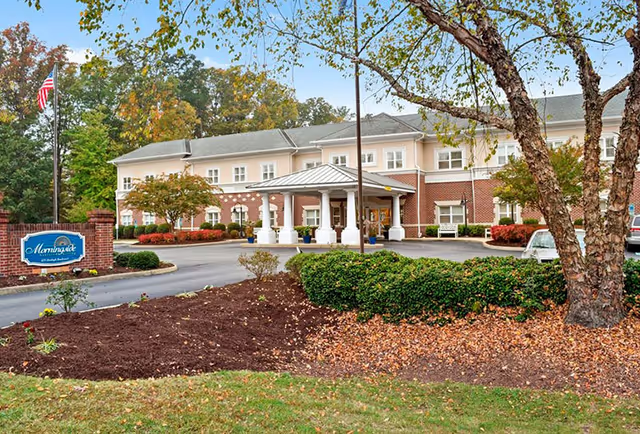
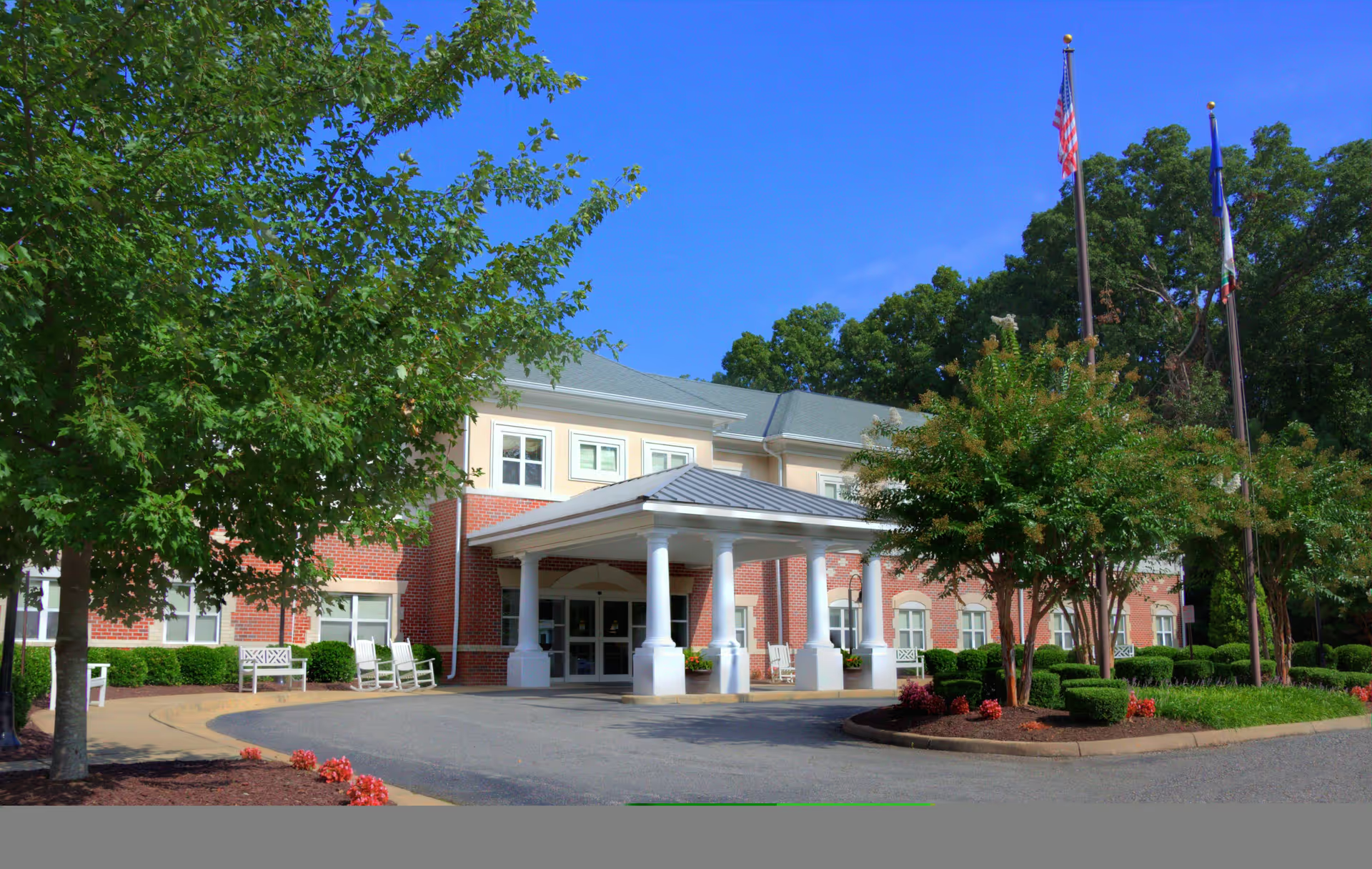
Facility condition and improvements are a relative strength: multiple reviews note cleanliness, recent upgrades, and an overall welcoming interior. However, reviewers also describe episodic maintenance delays and unresolved contractor-payment issues that have impacted repairs. Staff professionalism is generally praised but not uniformly; there are isolated, serious allegations about staff conduct, including concerns about substance use and unprofessional behavior, which families identified as reasons for heightened scrutiny or regulatory follow-up.
For prospective residents and families: the facility appears capable of providing compassionate, person-centered care and engaging programming, particularly when stable caregiving teams and committed activity staff are in place. At the same time, due diligence is advisable around clinical reliability and administrative processes. Recommended questions to ask before placement include current staff-to-resident ratios, medication-administration safeguards, fall-prevention and transfer protocols, procedures for billing and invoice clarification, recent leadership changes, and how the facility addresses concerns about staff conduct. Observing mealtime, speaking with the therapy team, and requesting references from recent resident families may help clarify whether the facility’s operational strengths align with your expectations for consistent clinical care.