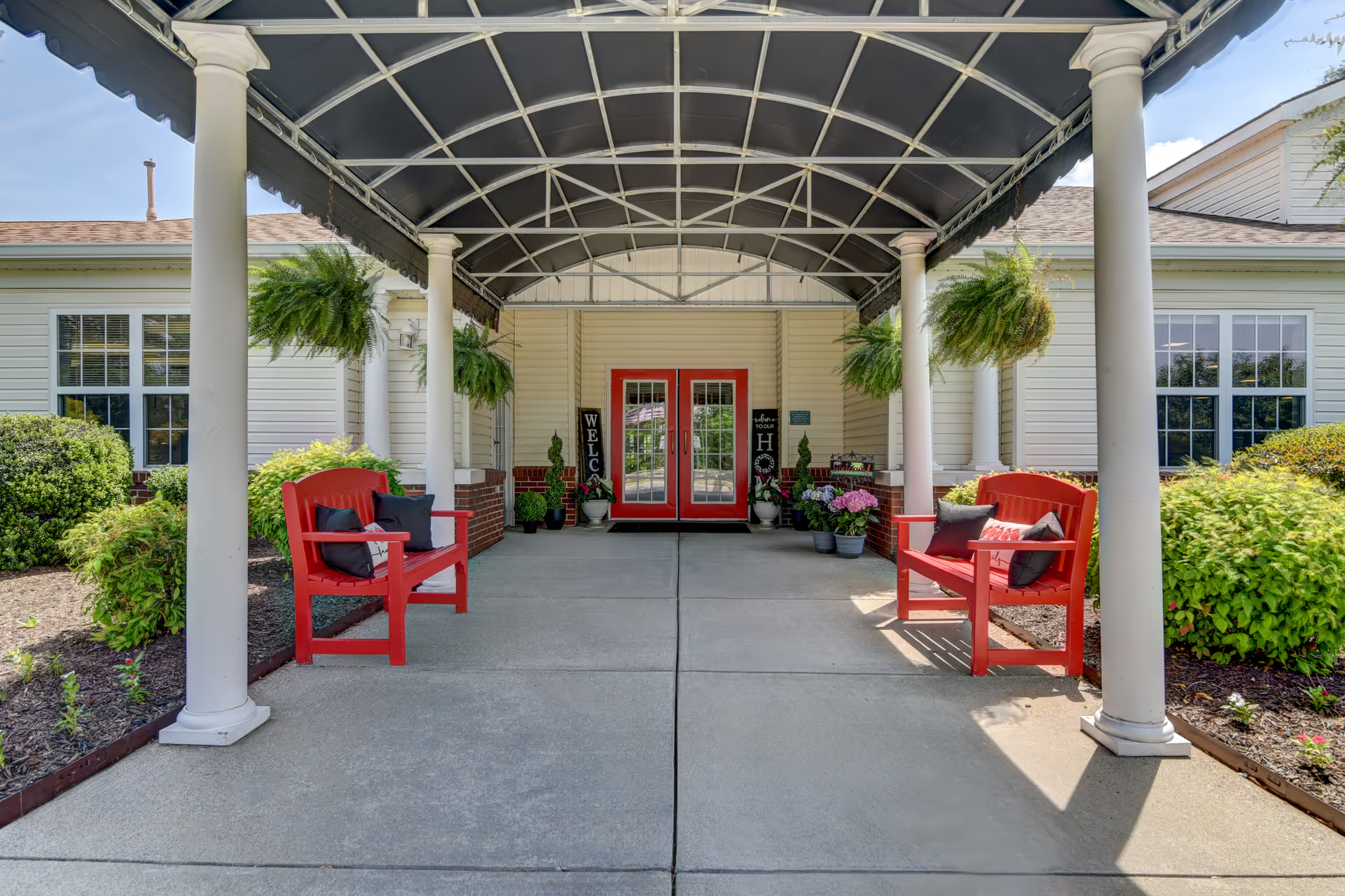
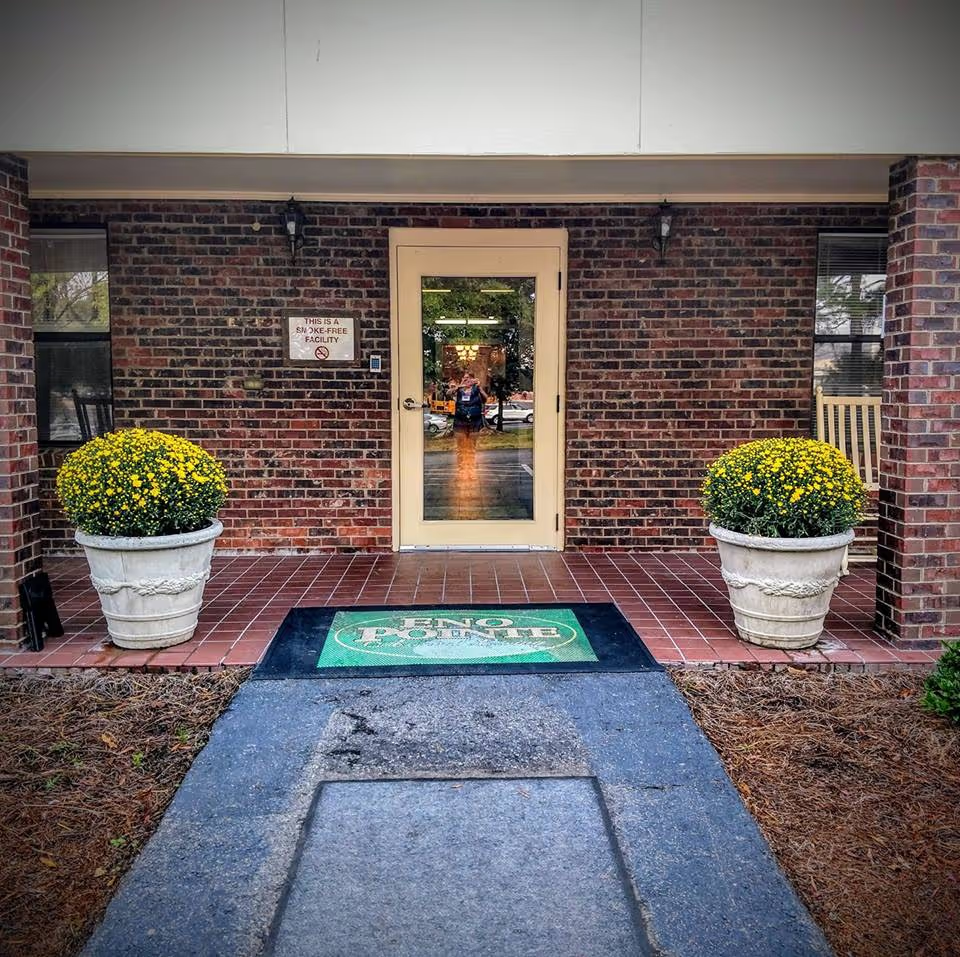
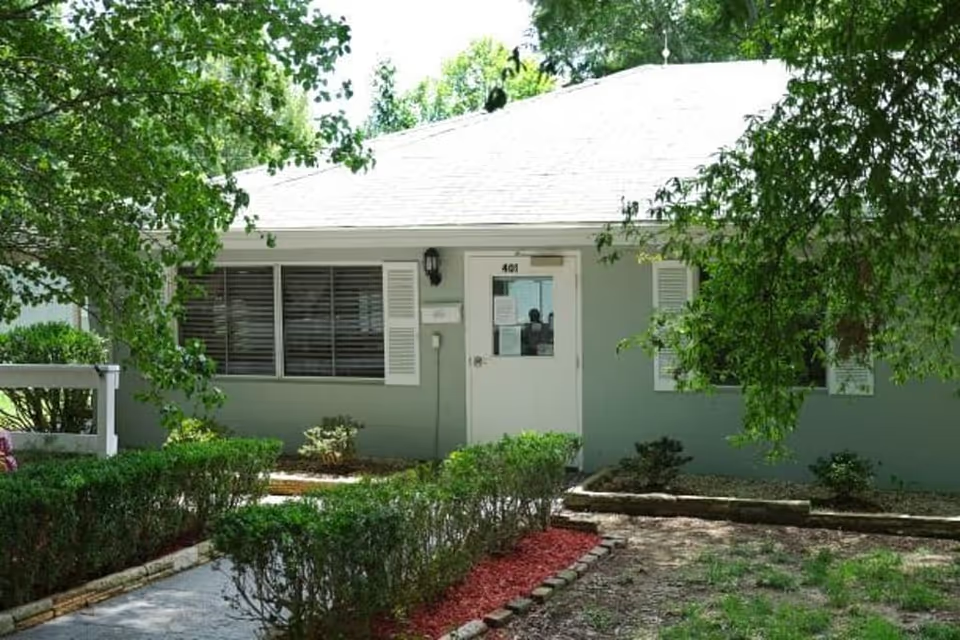
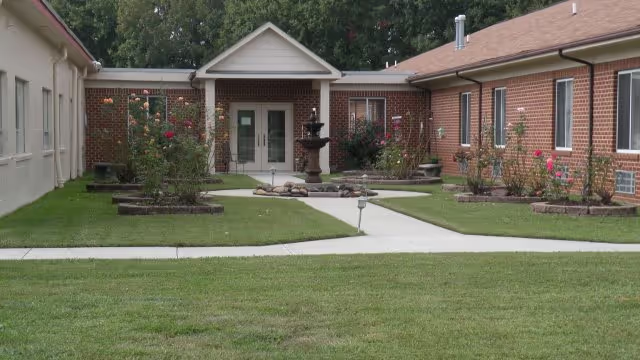
The reviews present a mixed picture of care quality at Berry Hill. The facility's rehabilitation program is a clear strength: therapists and the therapy team receive consistently high praise for clinical skill, effort, and outcomes. Dietary services and housekeeping are also frequently described as reliable, and several families noted a homelike atmosphere in parts of the building. Within direct care, there are pockets of positive practice — some aides and nurses are described as caring and attentive, and on certain occasions nursing staff prioritized medication to address acute pain needs.
However, the dominant operational concerns relate to inconsistency in nursing and monitoring. Multiple comments point to delays in pain management and insufficient routine checks of residents, which create uneven experiences of clinical responsiveness. Related concerns include inconsistent staff conduct and responsiveness during routine care interactions; these are presented as patterns in day-to-day operation rather than isolated one-off events. Reviewers also described gaps in skin-integrity surveillance and pressure-injury identification and management, indicating weaknesses in basic clinical oversight for at-risk residents.
Safety and environmental issues were raised alongside clinical concerns. Observations about the absence of bedside safety equipment (for example, bed rails and limited safety mats) suggest weaknesses in fall-prevention practices at the bedside. There are also odor-control issues reported in certain areas, specifically cigarette smoke near resident rooms, which affects environmental comfort and may reflect challenges in enforcing smoking- or ventilation-related policies.
End-of-life and hospice coordination emerged as another area of weakness. Reviewers described limited hospice support and coordination with external palliative providers, which resulted in family dissatisfaction with the facility’s handling of end-of-life needs. At least one account indicated that external advocacy (an ombudsman) prompted improvements, suggesting the facility can respond to oversight but that internal systems for escalation and hospice partnership may be underdeveloped.
Management and communication appear uneven. Positive responses to external advocacy indicate some receptivity to oversight, but persistent operational gaps — in monitoring, safety equipment, and hospice coordination — point to areas needing systematic improvement. Activities beyond structured therapy were not widely discussed in the reviews; the strong rehab program likely supplies much of the active engagement reported, but generalized activity programming and social programming were not repeatedly highlighted.
In summary, prospective families should weigh Berry Hill’s strong rehabilitation services, dependable dietary and housekeeping functions, and instances of compassionate direct caregivers against recurring operational issues in nursing responsiveness, routine monitoring, safety equipment availability, environmental odor control, and hospice coordination. These patterns suggest that while the facility can provide very good therapy and has some reliable support services, its clinical oversight and certain safety/environmental controls are inconsistent and warrant careful inquiry during tours and care-planning discussions.