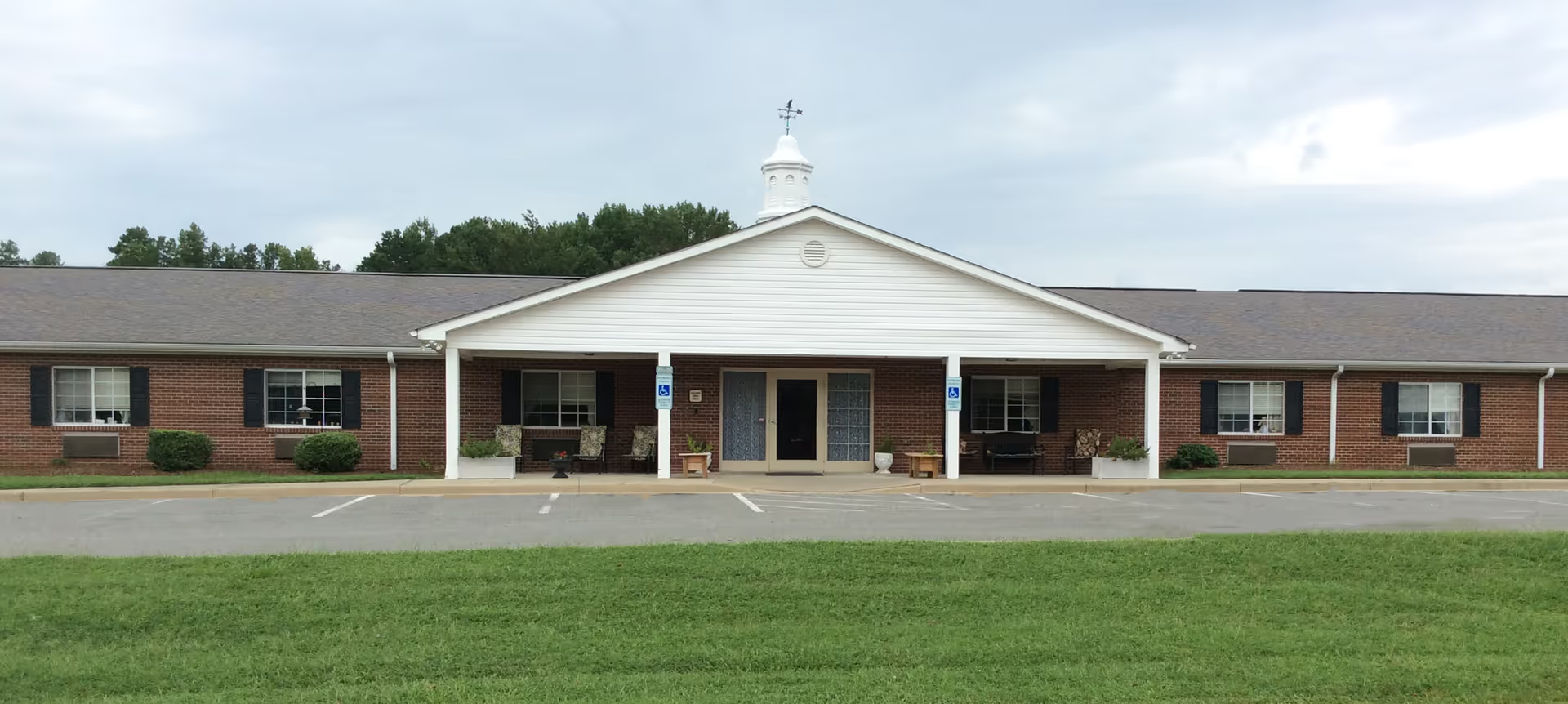
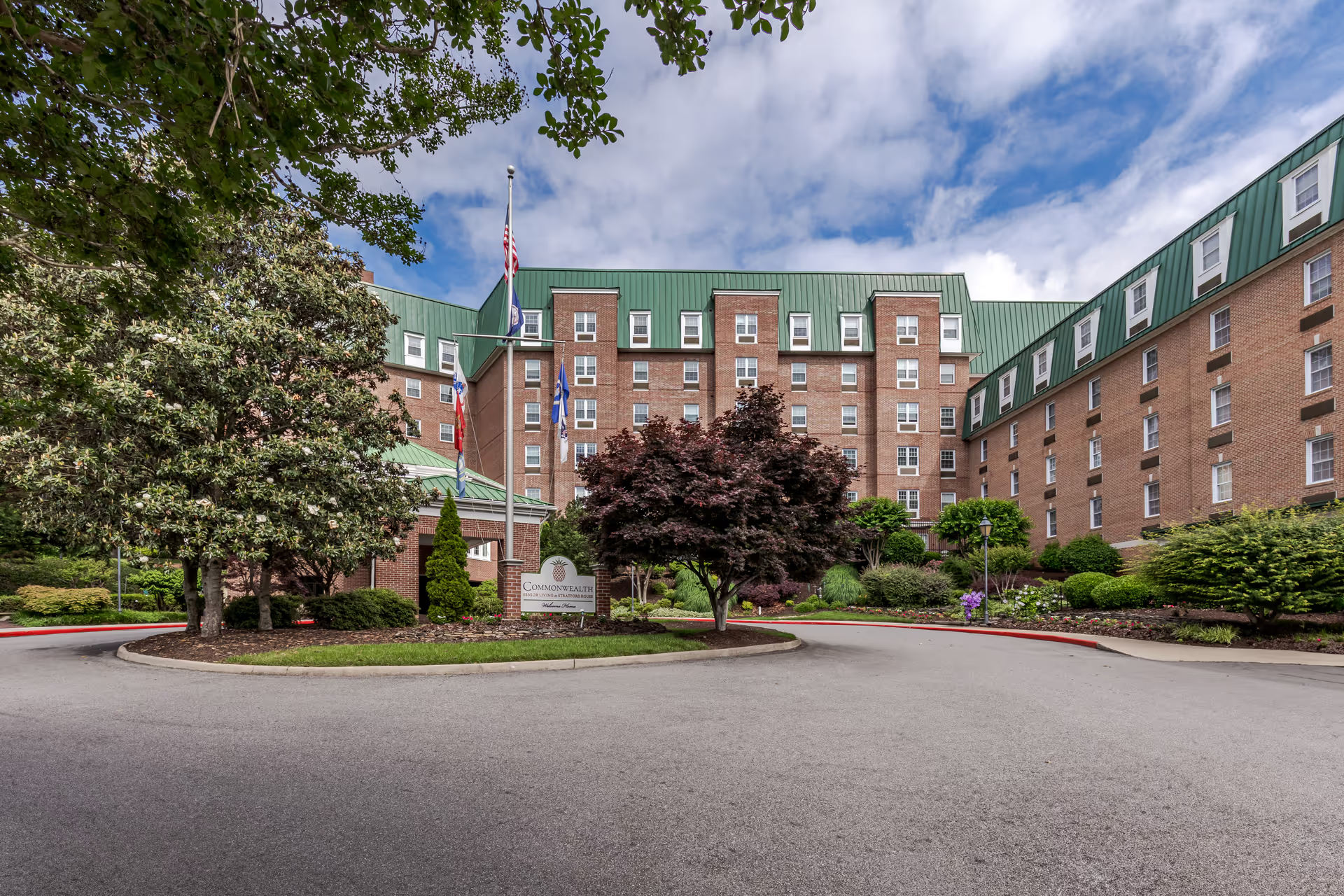
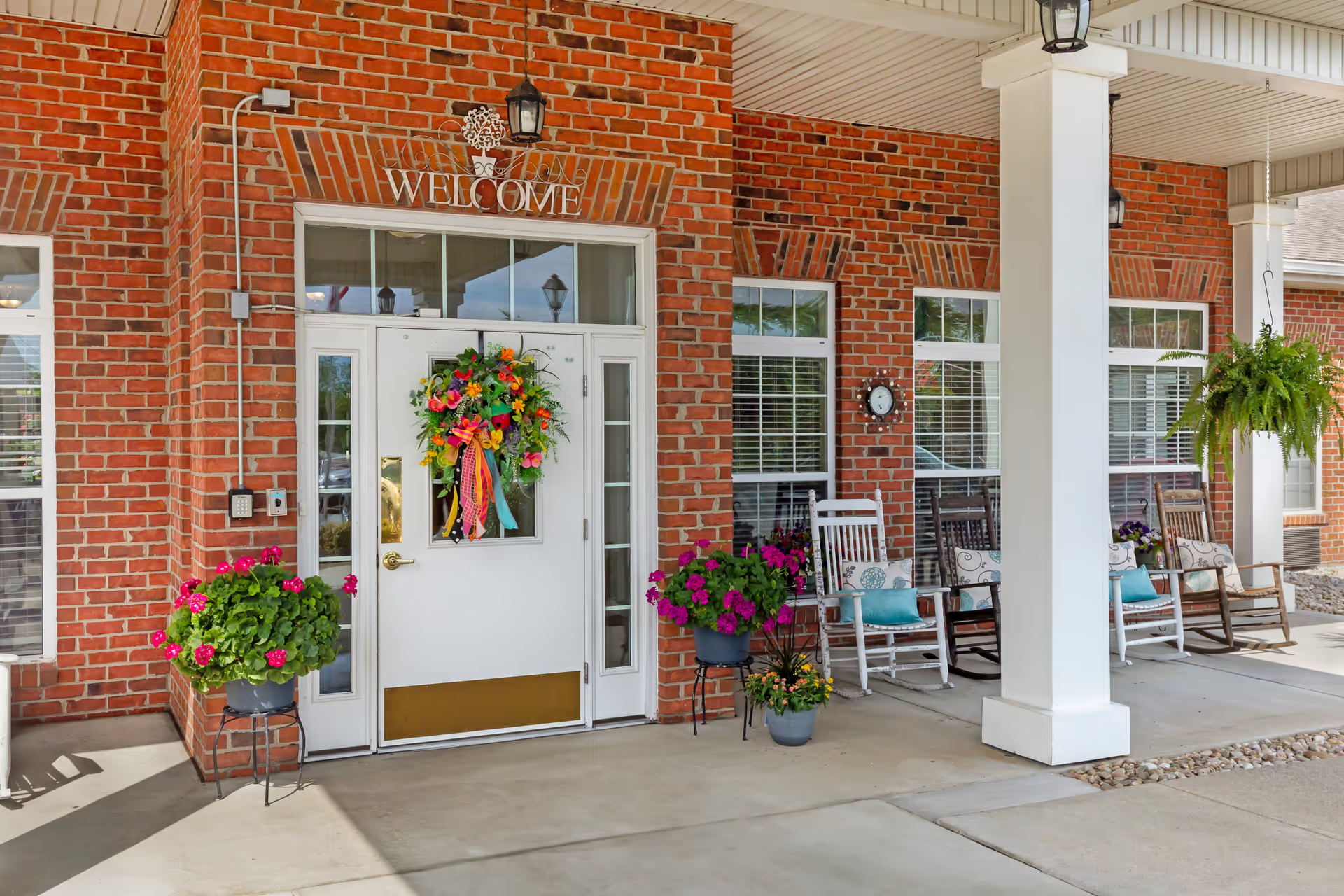
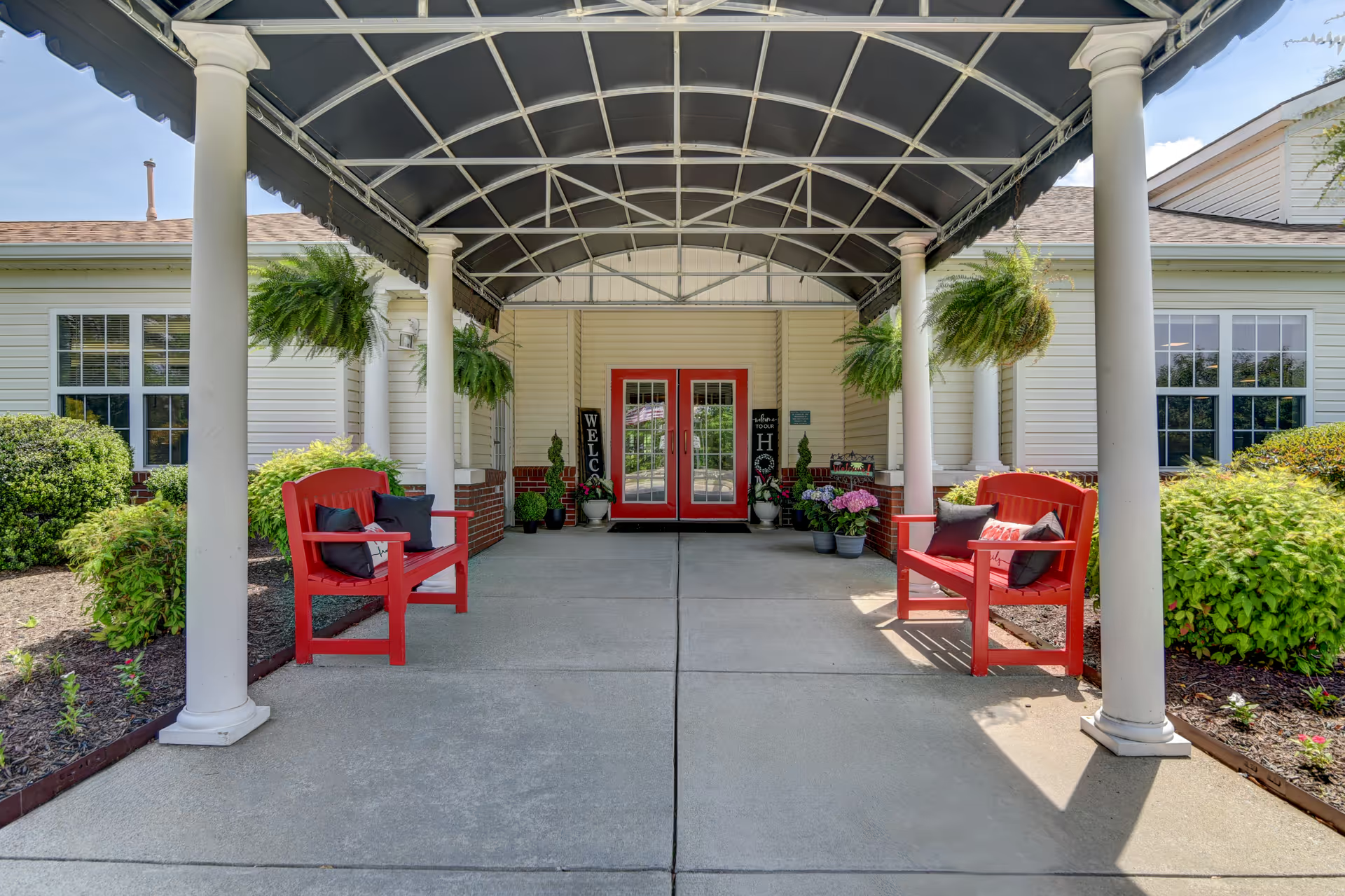
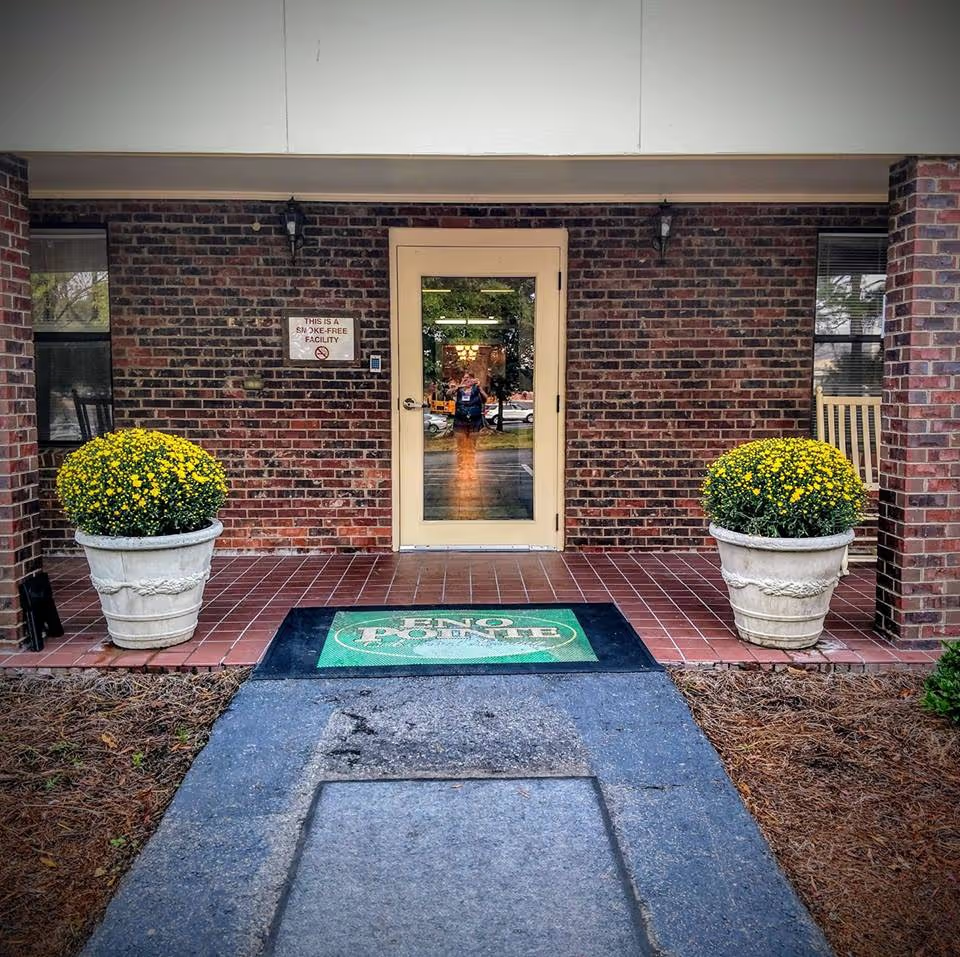
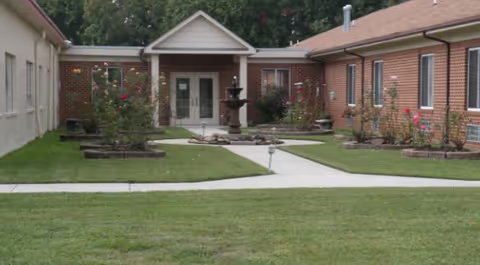
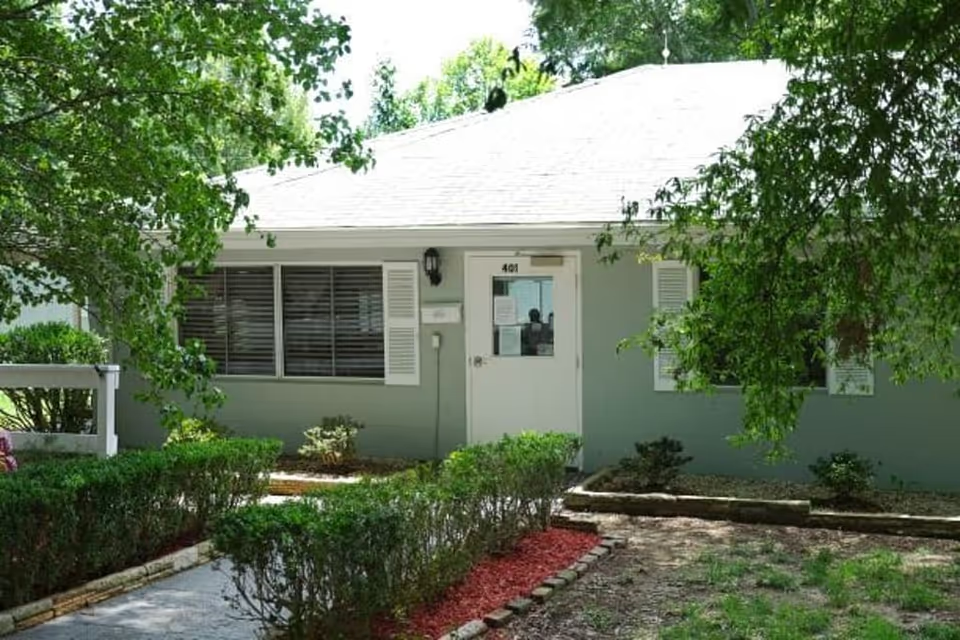
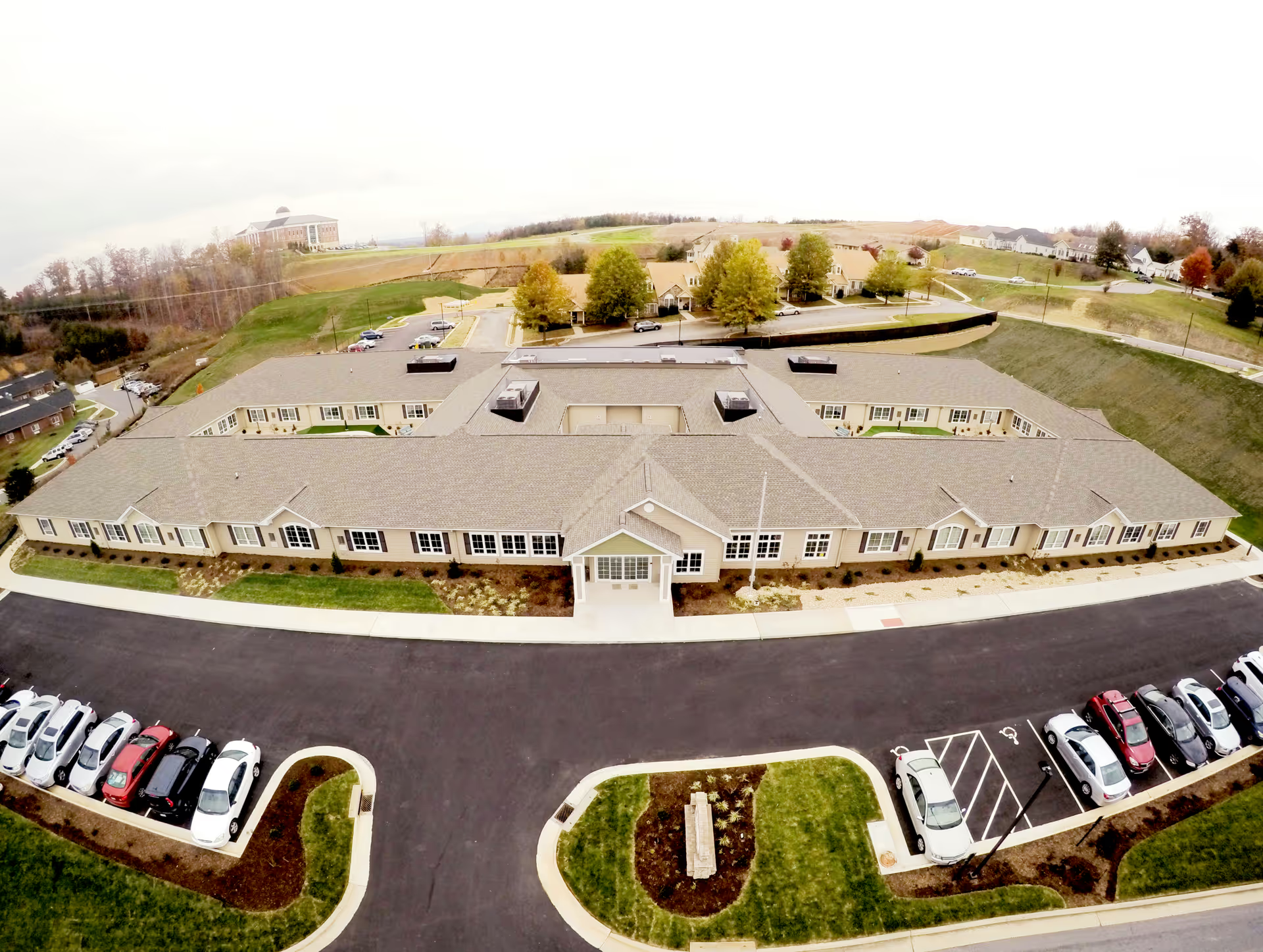
Commonwealth Senior Living at South Boston elicits strongly mixed impressions. Many families and visitors describe a warm, home‑like atmosphere supported by staff who are compassionate, personable, and engaged with residents. Several accounts highlight attentive nursing, proactive family communication, and concierge-style front‑desk support. The facility has undergone visible improvements and additions (including a dedicated memory‑care wing), and reviewers frequently praised the attractive, modernized building, accessible outdoor seating, and pet-friendly policies.
Dining and programming are recurring strengths. The dining rooms are described as homey and nicely set, with generally positive comments on meal quality and kitchen responsiveness. The activity program is broad — with social events, family nights, bible studies, outings, crafts, and memory-care activities — and many reviewers credited the staff with creating meaningful engagement for residents.
Despite these positives, there are consistent operational concerns. Several accounts indicate housekeeping and sanitation inconsistencies, including localized odor concerns and lapses in routine room and linen upkeep. Relatedly, incontinence-care delays and delayed responses to call requests were cited as significant quality-of-care issues for residents requiring high-dependency assistance. A subset of families also described medication-management problems and instances that led to emergency care or transitions back home, indicating gaps in clinical oversight for more medically complex residents.
Staffing patterns are uneven: while some families praised long-term, familiar caregivers, others reported high turnover and inconsistent personnel that affected continuity of care. Activity leadership likewise appears variable; the community offers many programs when leadership is present, but reviewers also noted periods with limited engagement or an absence of a designated activity director. Pest-control concerns were mentioned in some accounts and suggest a need for more consistent environmental management.
Management and pricing present another mixed picture. Reviewers commended visible responsiveness from directors and instances where leadership addressed issues, but others found billing and add‑on pricing confusing. The community is positioned at a higher price point, and several families expressed concern that the cost did not always align with the level of housekeeping or clinical consistency they expected.
In summary, prospective residents and families will find clear strengths in the community's social atmosphere, engaged caregiving staff, dining environment, and physical renovations — strengths that provide comfort and enjoyment for many residents. At the same time, decision-makers should assess operational reliability for higher-care needs: verify staffing continuity, review clinical protocols (including medication administration and response times), clarify billing and add‑on costs, and confirm housekeeping and environmental-maintenance standards during a tour. For residents with progressive or total-care needs, a focused evaluation of clinical capacity and day‑to‑day sanitation practices is advisable before making a placement decision.