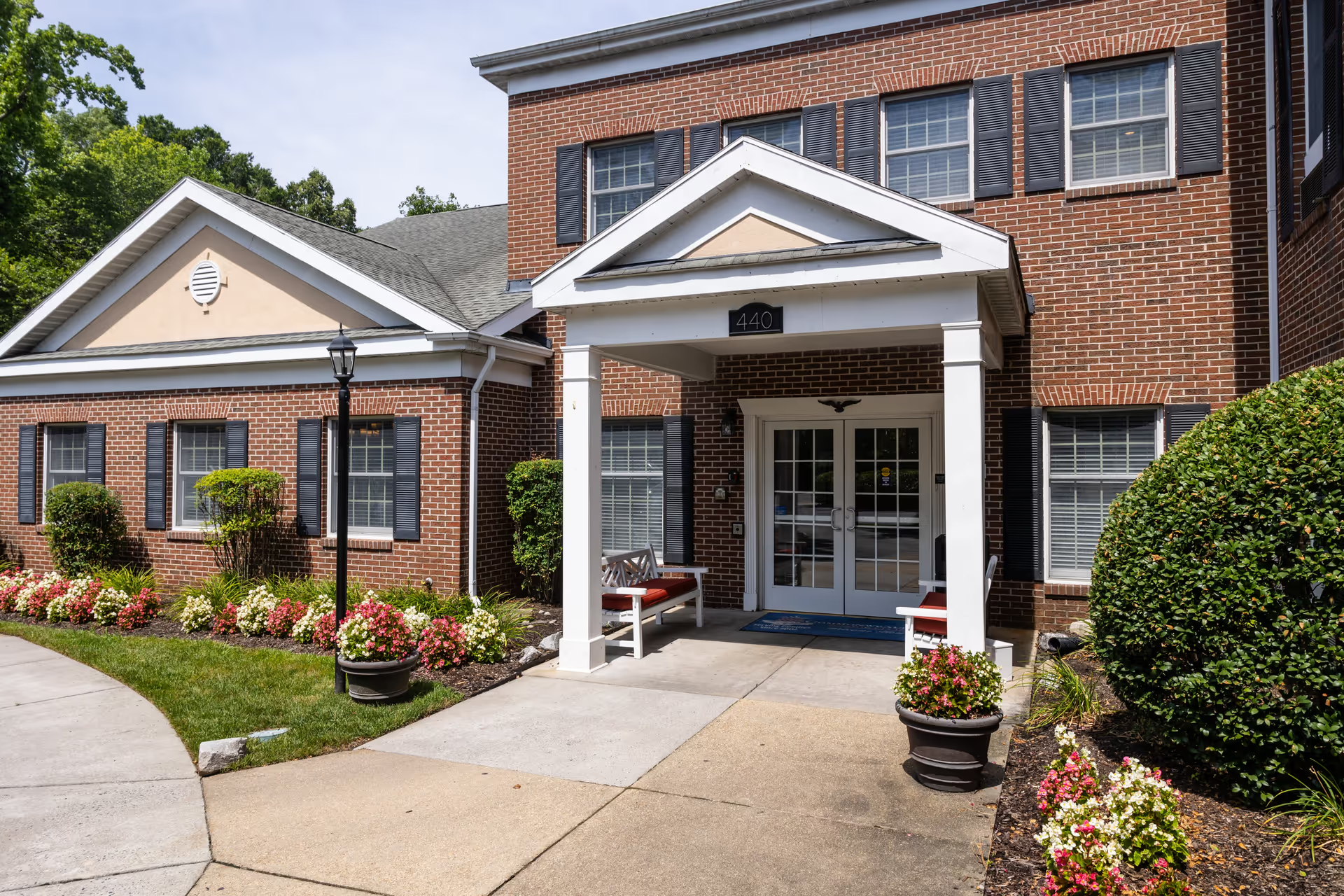
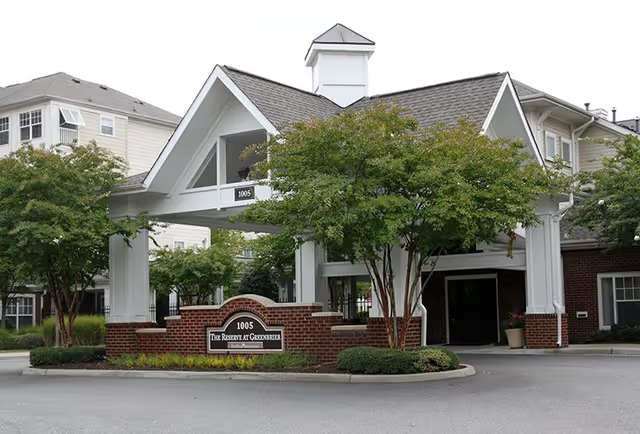
Bickford of Virginia Beach is frequently described as a well-appointed, modern community with attractive interiors, bright rooms, and pleasant landscaped outdoor spaces. Many families and visitors praised the home-like atmosphere, small-community feel in some neighborhoods, and amenities such as an on-site salon, café, exercise room, and therapy services. Dining receives consistent positive mention: a chef-driven program, varied menus, and meal-service quality are recurring strengths. The facility’s design features for memory care — a contained courtyard and single-level or circular layouts — and convenient location near medical services are also commonly noted positives.
Staffing and interpersonal culture generate mixed impressions. Numerous reviews highlight caring, personable, and communicative staff members; several guests singled out a tour leader by name for being knowledgeable and attentive. At the same time, a recurring operational theme is inconsistency: reviewers report high turnover, reduced staff coverage on weekends and evenings, and variable staff engagement during shifts. These inconsistencies translate to variability in everyday care and responsiveness, which some families found reassuring and others found insufficient.
Care-quality concerns form the other primary pattern. While many residents receive individualized attention, there are reports indicating delays or gaps in personal-care routines and sanitation-related issues. Memory-care programming is another area of divergence: assisted-living activities are often described as lively and varied, but memory-care activities are judged uneven, with some families asking for programming that better matches residents’ cognitive levels. Several families also raised issues around housekeeping and laundry accuracy, which suggests process gaps in nonclinical services.
Management and admissions processes surface as additional themes. Positive experiences with communication and frequent updates are common, yet a subset of families described problems with care-level assessments, perceived lack of transparency about fees and upcharges, and concerns about admissions or marketing representations. These governance and pricing concerns—paired with the operational staffing variability—appear to drive the most negative decisions to transfer out.
For prospective residents and families: the facility offers strong physical amenities, attractive dining, and many examples of attentive, relationship-focused staff. However, evaluate the facility’s current staffing patterns, weekend coverage, memory-care programming depth, housekeeping and laundry procedures, and admissions/fee disclosures during the decision process. Ask for written activity calendars for both assisted living and memory care, request recent examples of clinical staffing ratios and turnover, and seek written commitments regarding care-level assessments and pricing to reduce variability after move-in.