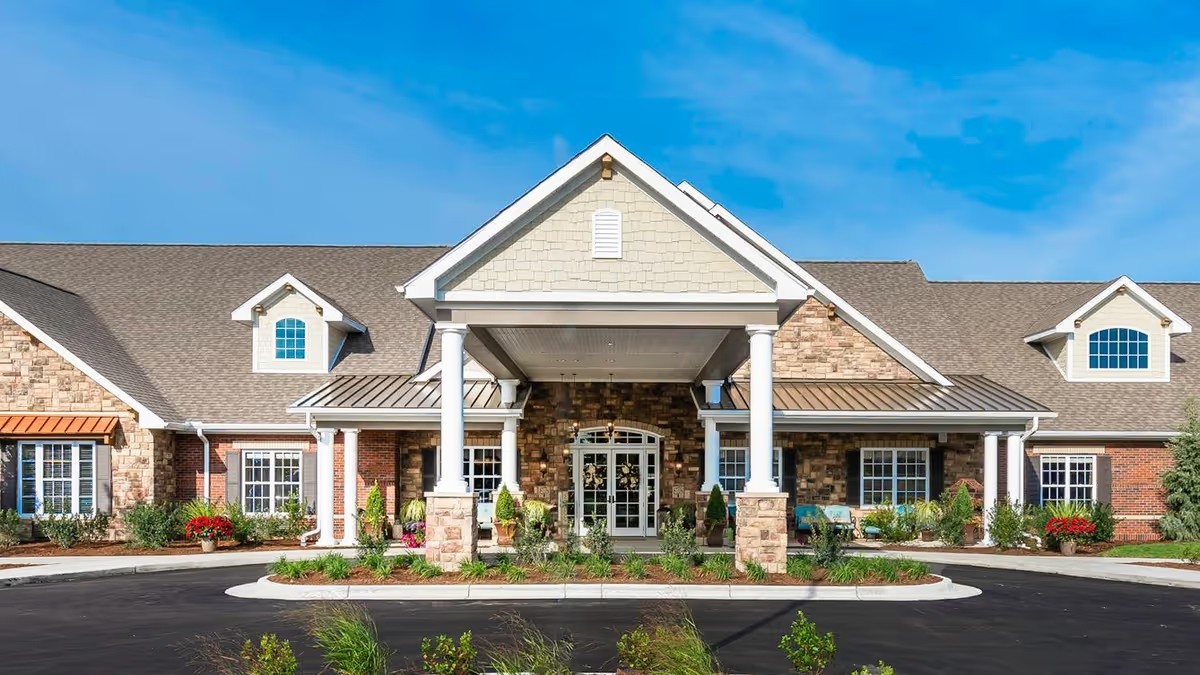
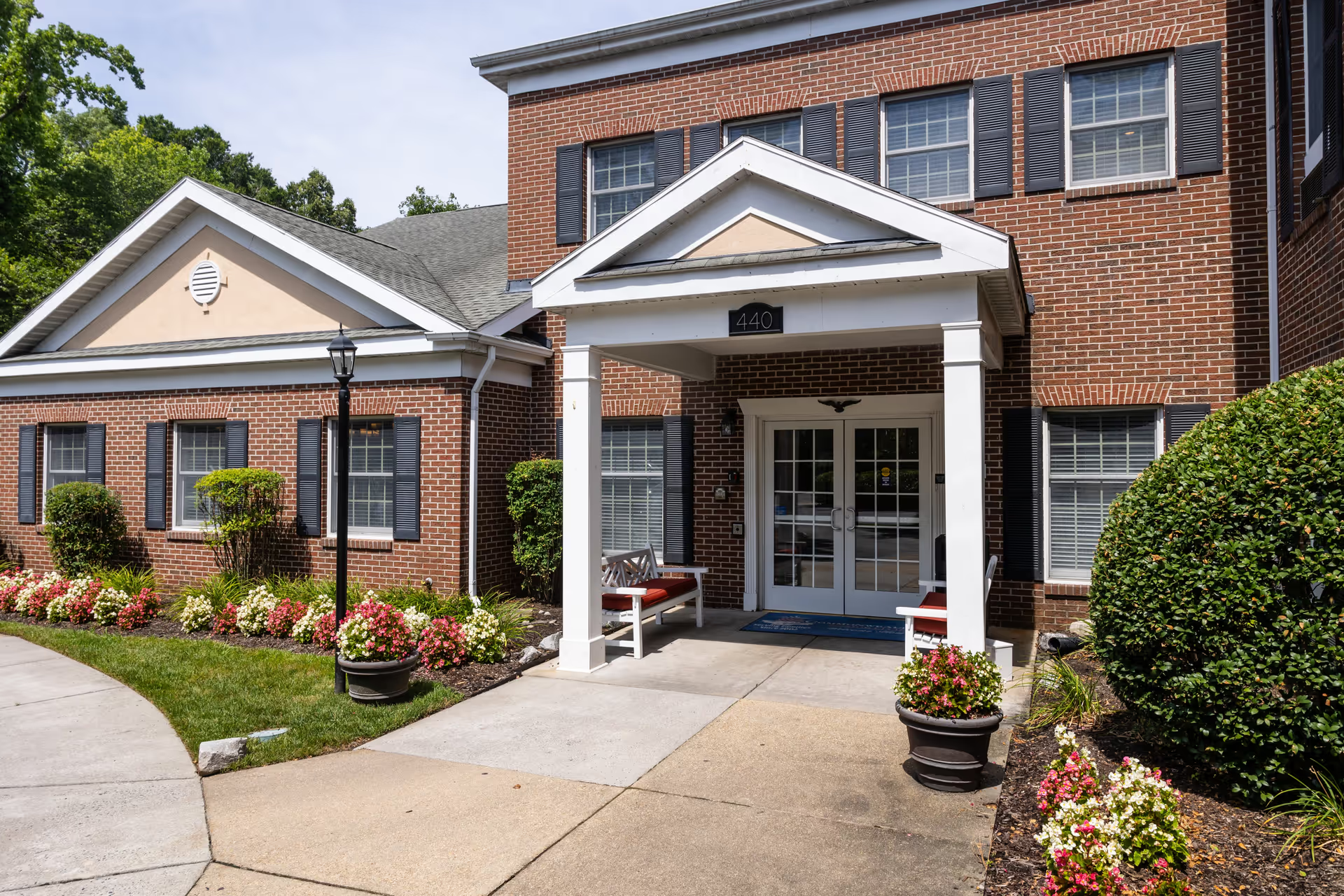
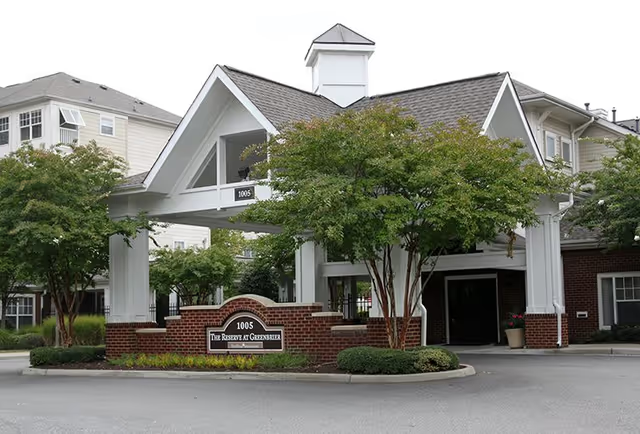
Harmony at Independence is widely described as a newer, well‑appointed community with a hotel‑like presentation and a broad set of amenities. Families and residents consistently praise the bright, clean public spaces, comfortable common areas, and a long list of on‑site features such as a movie theater, pub/bar, salon, gym, libraries, and activity rooms. Apartment layouts are a particular strength for many: reviewers highlight spacious one‑ and two‑bedroom units, full kitchens, in‑unit washers and dryers, ample closet/storage space, and private balconies or patios. The community’s design and upkeep project a modern, well‑maintained impression for prospective residents seeking a higher‑end independent or assisted setting.
Staff quality is a dominant positive theme. Reviews frequently describe front‑desk and concierge personnel as helpful and accessible, and many families note that caregiving teams are caring, attentive, and responsive. On‑site therapy services (physical and occupational therapy) and a robust activities program contribute to resident engagement: bingo, movie nights, happy hours, crafts, outings, and scheduled exercise or therapy sessions are commonly mentioned. The community’s social dining and event calendar are important contributors to reported resident wellbeing and social adjustment.
Dining and service quality present a mixed picture. Several visitors and residents applaud the restaurant‑style dining, three‑course meals, and generous portions; desserts and special menus receive positive mention. At the same time, there are recurring operational concerns: meal quality and variety have been described as inconsistent over time, menus are sometimes perceived as repetitive, and service lapses (cold meals, missed items) have been reported. These dining inconsistencies appear to be an important area for management attention, as they affect daily resident experience.
Operational weaknesses noted across feedback include variability in housekeeping and laundry follow‑through, occasional staffing shortages that strain clinical and support teams, and transportation limitations that require advance scheduling and may not meet weekend needs. The building’s scale and layout—long corridors and distant elevator placements—can create mobility challenges for some residents. Pricing is frequently characterized as premium; while many families feel the cost is justified by amenities and staff, others express concern about value, particularly when service inconsistencies arise. There are also notes of variability in memory‑care staffing professionalism and isolated allegations regarding delayed medication administration and hospice coordination; these raise concerns about clinical continuity that prospective families should inquire about directly.
Management and admissions impressions are generally positive at the point of tour and move‑in, with many reviewers praising helpful admissions staff and a smooth transition experience. However, some families reported frustration with upper‑management responsiveness and communication after move‑in, and a subset described uncomfortable sales pressure during touring. Prospective residents and families will likely benefit from focused conversations with leadership about meal plans, transportation policies, staffing ratios, handling of clinical escalations (including end‑of‑life coordination), and any current waitlist or pricing structures.
Overall, Harmony at Independence presents a strong physical environment and a wide array of programs that support social engagement and rehabilitation services. The primary patterns prospective families should weigh are the community’s typically high staff engagement and amenity set against recurrent operational issues in dining, housekeeping/laundry, transportation, and occasional clinical continuity concerns. Visiting in person, sampling a meal, and discussing specific care‑level protocols and staffing plans with leadership are recommended steps prior to making a placement decision.