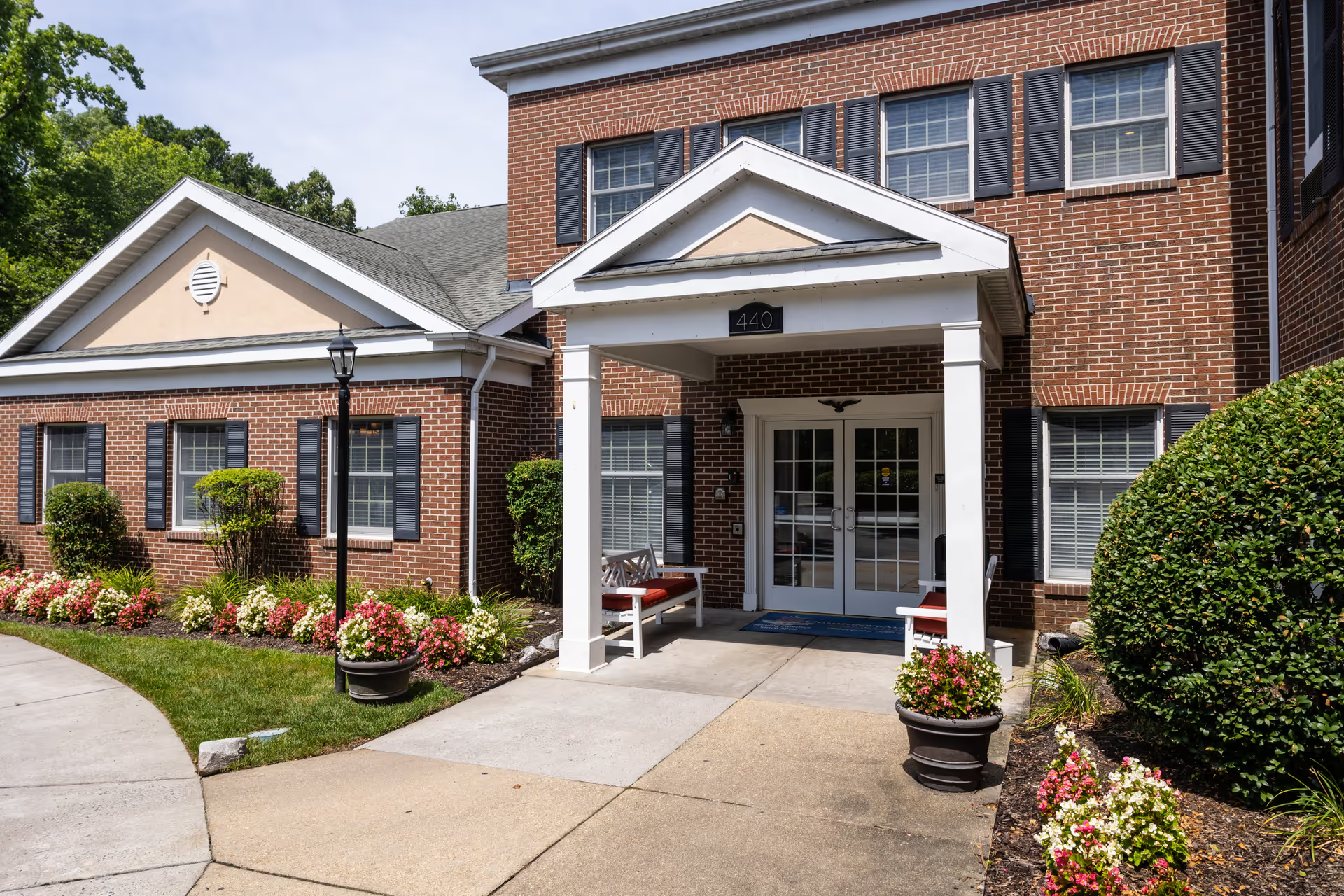
Overall impression: Reviews present a mixed but actionable picture. The Gardens of Virginia Beach is frequently described as a warm, social community with many strengths in hospitality, activities, and short-term rehabilitation. Families commonly praise specific staff members, the admissions experience, chef-driven dining, flexible meal hours, and a busy calendar of events and outings. For prospective residents who value social engagement, on-site therapy, and a family-like atmosphere, the community often meets expectations.
Care and staffing: Clinical and caregiving impressions vary. Many accounts highlight compassionate, attentive staff and effective transitional/rehab care with positive therapy outcomes. At the same time, a consistent pattern of staffing instability emerges: use of temporary or agency personnel, high staff turnover, and gaps in overnight CNA coverage or responsiveness are described. These staffing inconsistencies are linked to delayed personal care (for example, inconsistent bathing schedules and delays responding to calls) and broader concerns about continuity of care. Medication management is an important area of concern: reviews cite dispensing errors, stockouts, missed or misdocumented doses, and instances described as medication security and record-keeping weaknesses. A limited number of accounts include serious allegations (for example, medication theft and record tampering) and reports of medication-related hospital transfers; these items warrant targeted inquiry during a tour and review of facility policies and incident history.
Dining and activities: The community’s programming and dining model are strong selling points for many families. There is frequent praise for a lively activities calendar, varied outings, and a chef-managed dining room with flexible, all-day options. However, execution is uneven: some reviews describe inconsistent food quality, meal-service problems, and occasional lapses in dining-room service. Prospective residents who prioritize dining should sample meals, ask about menu cycles and accommodations for special diets, and observe service routines during a visit.
Facilities and maintenance: Physical spaces receive largely positive comments about bright common areas, renovated dining rooms, accessible bathrooms, and some spacious apartments. At the same time, reviewers indicate sporadic maintenance lapses—examples include temporary hot-water outages, elevator and infrastructure issues, leak repairs, and sanitation concerns in specific areas. These remarks suggest variability in facilities upkeep rather than uniform conditions; an on-site inspection and questions about recent repairs, mold/pest-control protocols, and preventive maintenance schedules are advisable.
Management and administration: Several reviews note active efforts to address problems—new hires, management changes, and improvements in communication—while other accounts describe administrative instability, billing errors, fee increases, and perceived prioritization of marketing over operations. Family communication is often praised, but there are repeated mentions of care‑coordination gaps with hospitals, delayed notifications after incidents, and limited follow-up after end-of-life events. Prospective families should request written policies on incident reporting, staffing ratios by shift, medication-safety procedures, and copies of recent inspection or complaint resolutions.
Suitability and final guidance: The Gardens appears well suited for residents who are socially engaged, require routine care, or need short-term rehabilitation with therapy support. The facility may be less appropriate for individuals with high‑acuity medical needs or those who require tight medication controls and dependable overnight assistance without gaps. Before committing, families should: verify current staffing levels and night coverage, review medication administration and inventory procedures, tour memory-care arrangements and security, sample meals at different times, review contract terms for fees and refunds, and ask for documentation of recent corrective actions and regulatory history. These targeted checks will help clarify whether the community’s strengths align with a particular resident’s clinical and safety needs.