The reviews describe a facility with a mix of clear strengths and recurring operational concerns. Positive aspects frequently cited include strong hospice coordination, an effective rehabilitative therapy department, and attentive housekeeping. Several families highlighted skilled, compassionate nursing and caregiving for routine tasks such as feeding and bathing. Administrative touchpoints — billing and front-desk communication — are often described as courteous, and the presence of a comfort cart and engaging activities were noted as quality-of-life contributors.
Clinical care quality appears uneven. While physical therapy and some nurses are described as outstanding and highly dedicated, other accounts point to staffing shortfalls that affect care continuity. Night-shift responsiveness is a notable pattern of concern: delays in attending to call lights and inconsistent overnight support were reported. There are also comments about medication-management problems, including intermittent shortages and questions about how medications are administered during rehabilitation planning; prospective families should verify current pharmacy and medication protocols.
Staff conduct and communication show variability. Many reviewers praised warm, helpful, and communicative staff; others described instances where staff tone or responsiveness was problematic. Social-work interactions were characterized both as supportive and, in other cases, as lacking transparency. Management-level strengths include clear billing processes and an approachable administrative team, but there are also allegations related to staff soliciting cash and requests for monitoring of financial interactions — these merit direct inquiry during a tour.
Dining and activities present mixed feedback. The facility offers structured activities and some reviewers appreciated engaging programming. Food quality descriptions are inconsistent: some families reported good meals and even fantastic food, while others noted poor food quality and additional out-of-pocket meal charges that accumulated substantially. Clarify meal plans and any extra food-cost policies before admission.
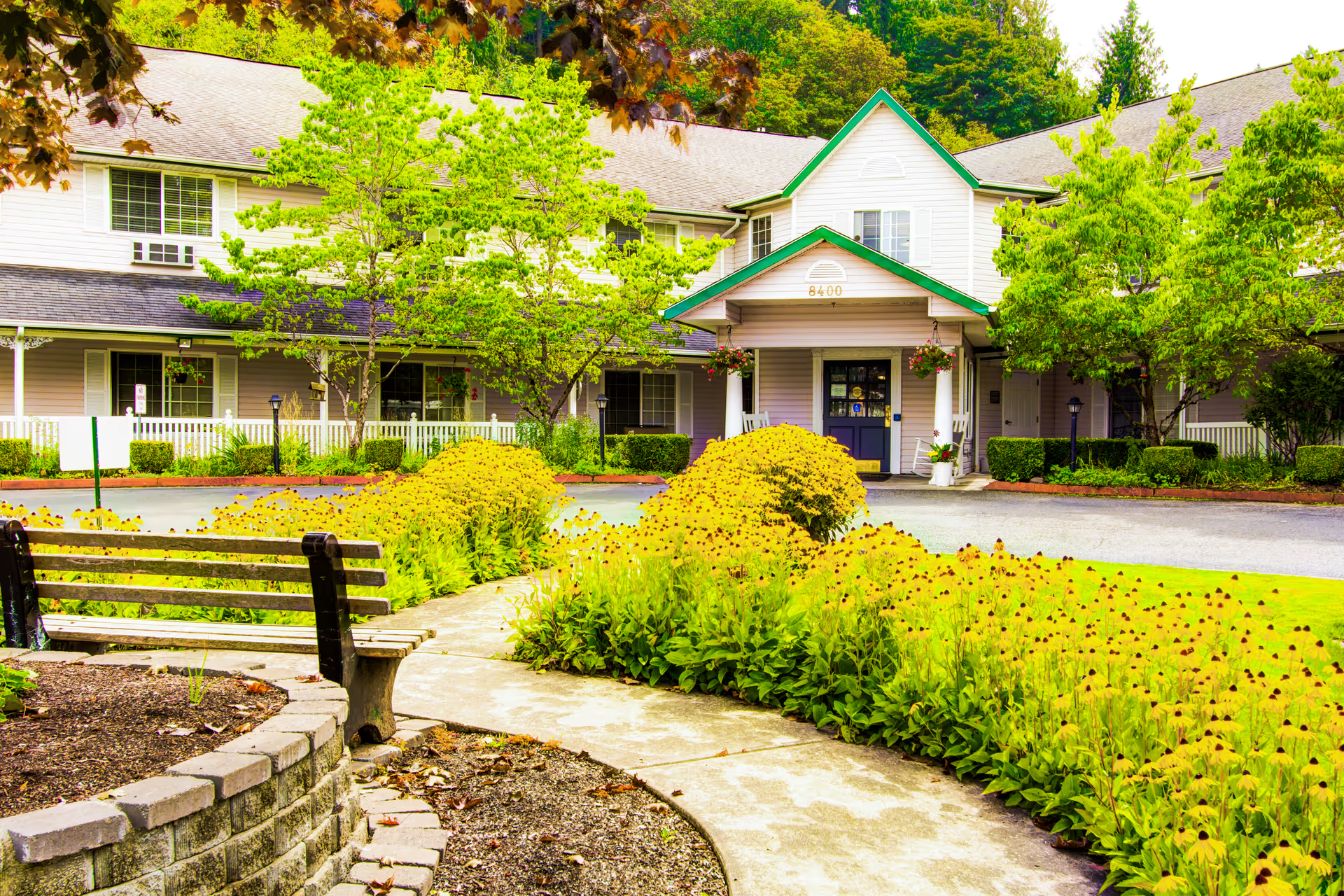
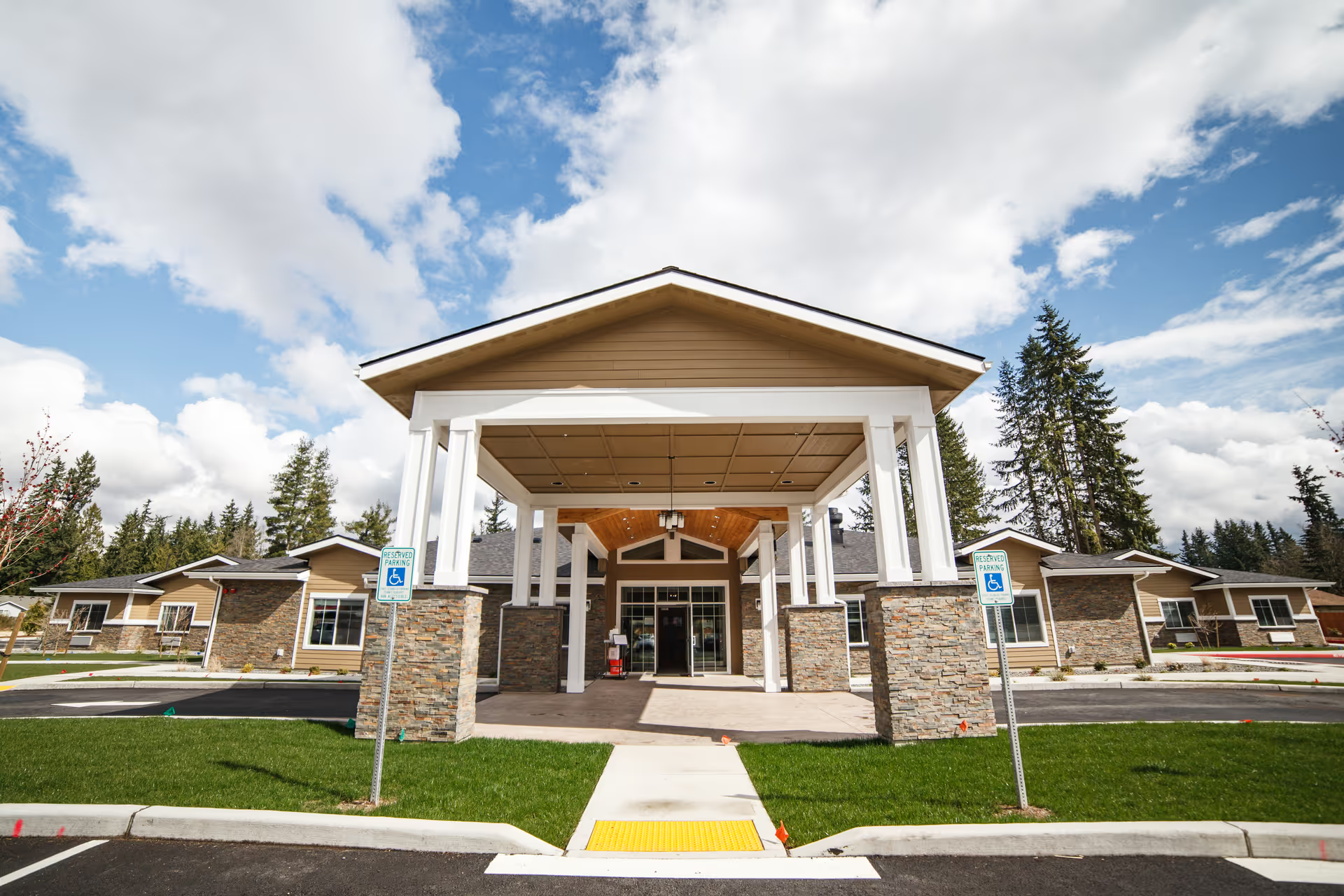
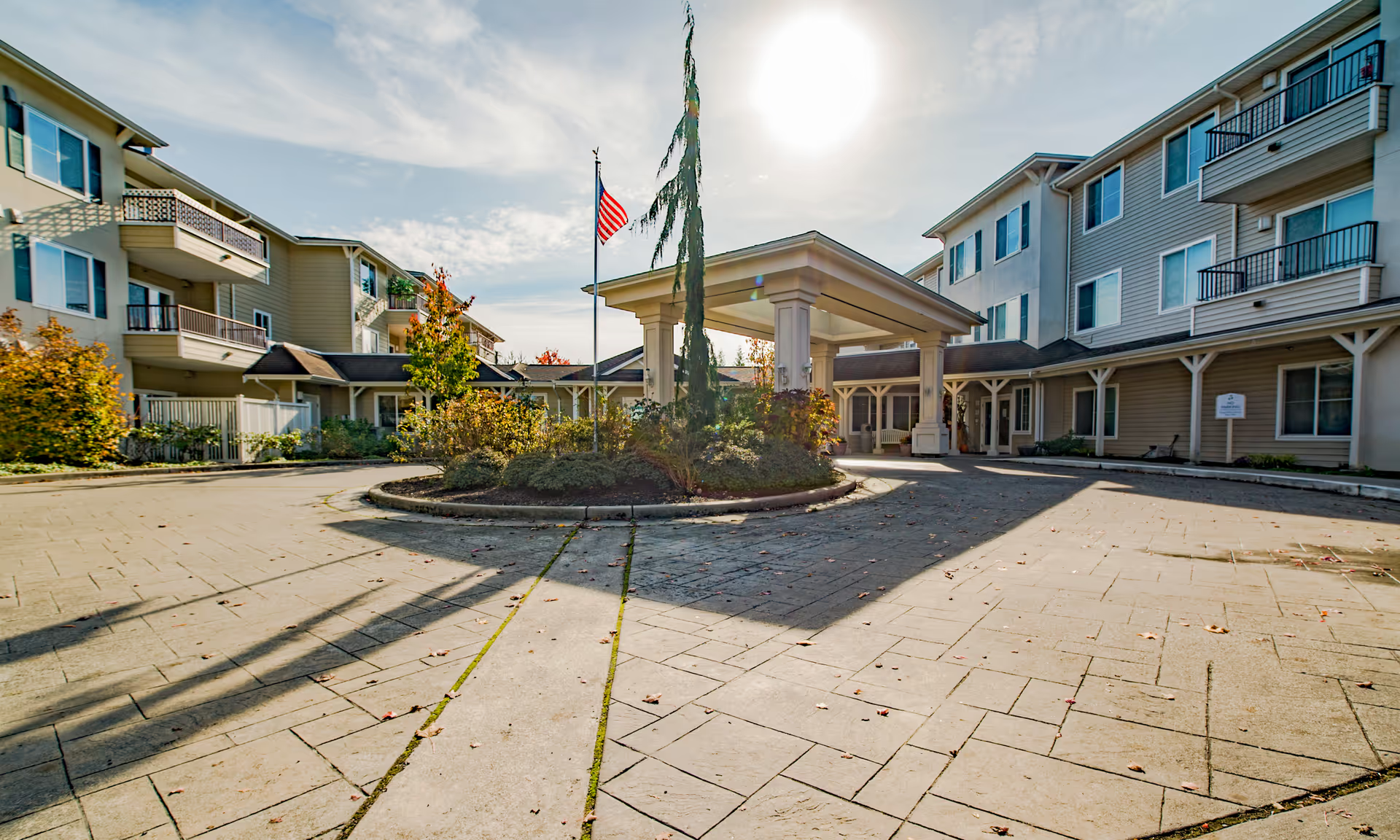
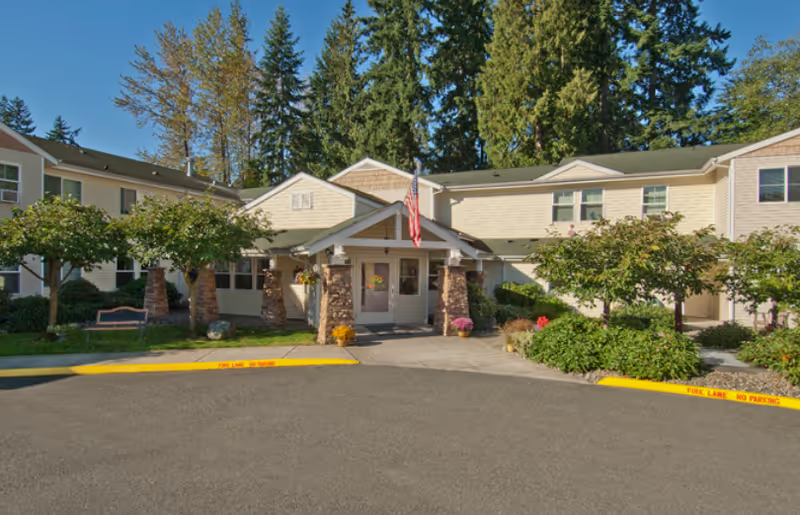
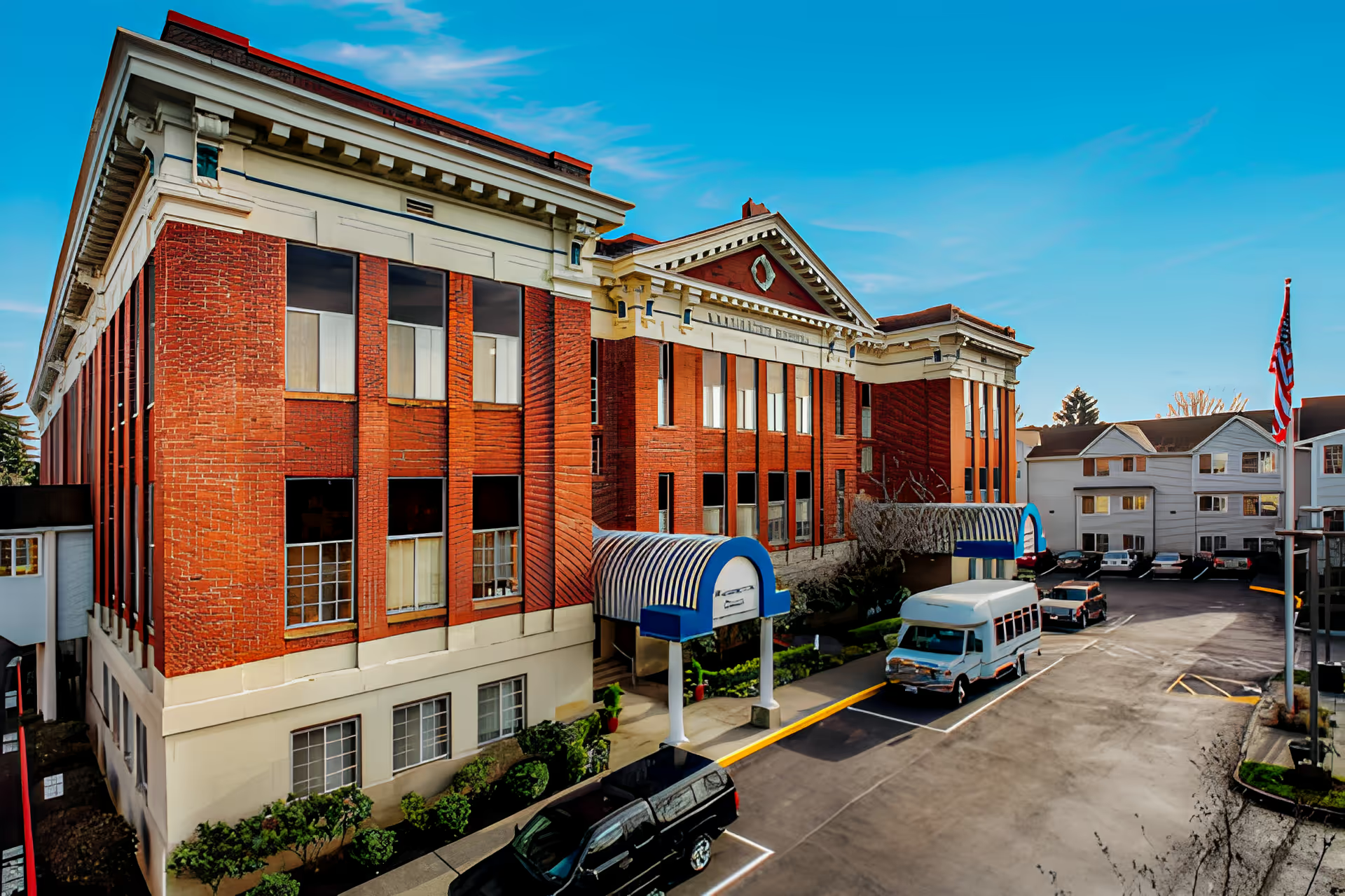
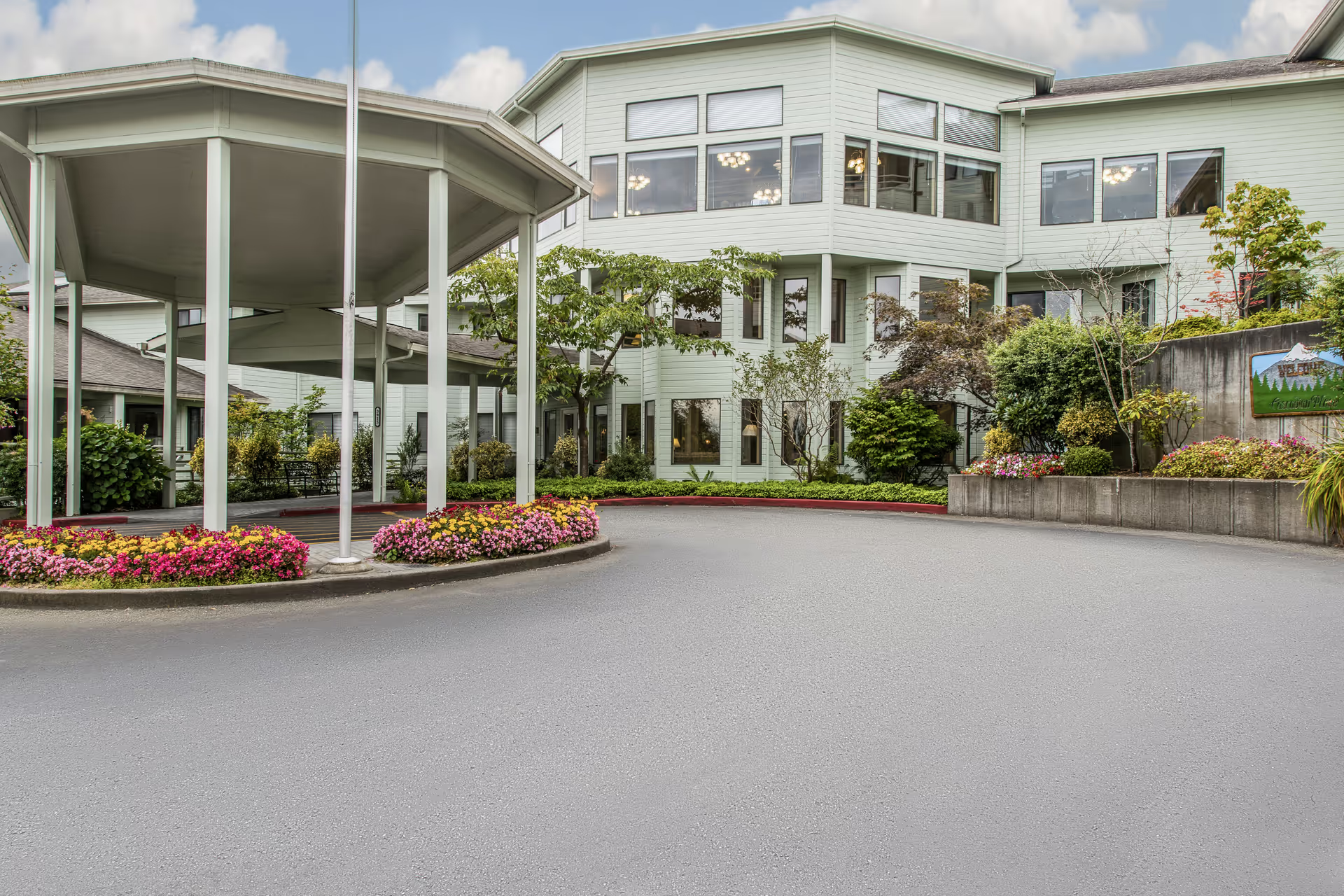
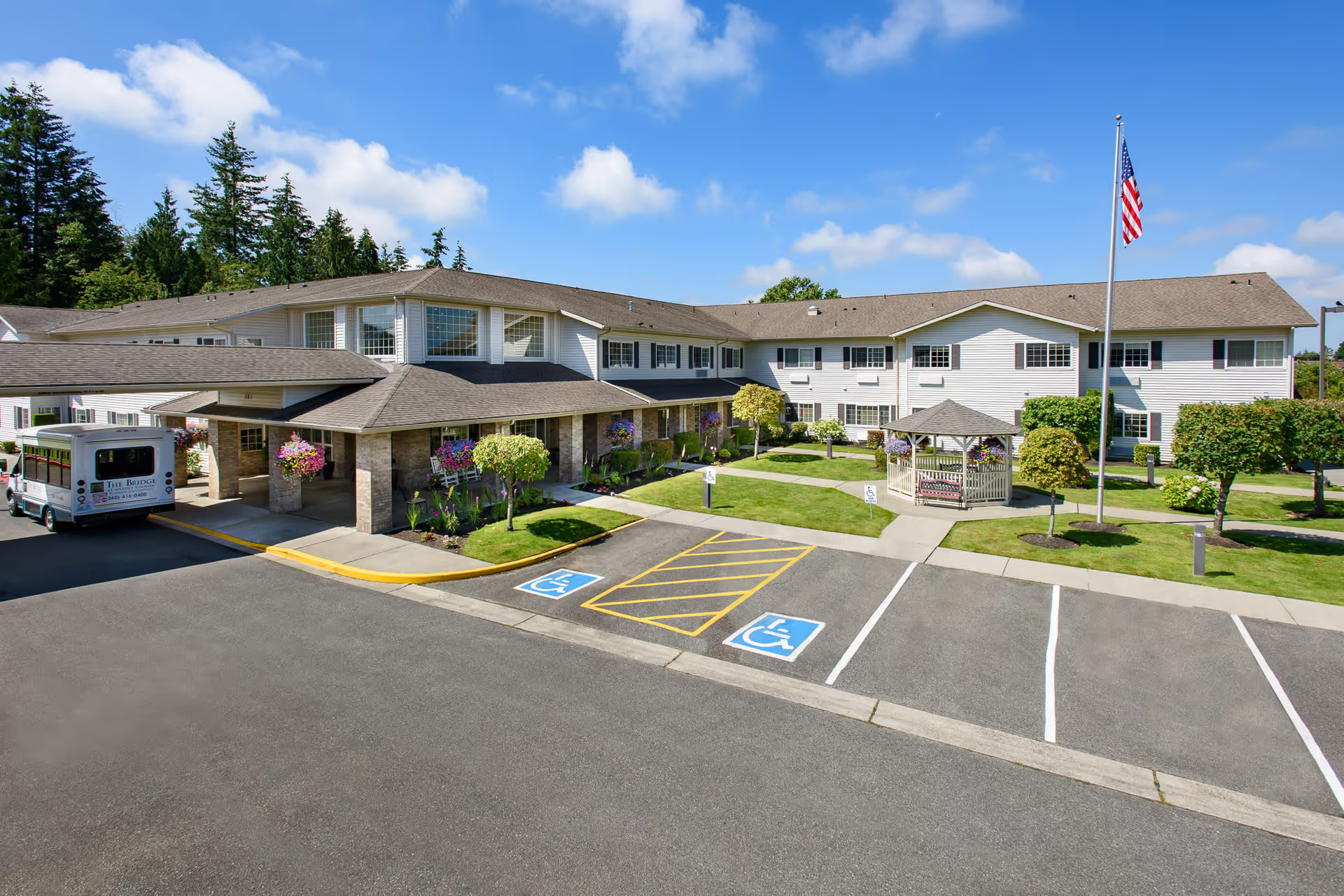
The physical environment is described positively in many accounts: clean, remodeled areas with a pleasant first impression and attentive cleaning staff. Counterbalancing this, reviewers raised operational concerns about roommate placement and privacy, noise at night from doors and general disruptions, and incontinence-care delays or inconsistencies in personal-care assistance. These are operational issues that can affect resident comfort and safety.
Overall, experiences range from highly positive short-term rehabilitative stays to situations where families felt the facility did not meet expectations. For prospective residents and families: verify current staffing ratios (especially for nights), ask about medication-supply and administration protocols, review roommate-assignment policies and privacy safeguards, confirm meal-plan costs and extras, and inquire about social-work and financial practices. An in-person visit focused on these areas will help determine whether the facility’s strengths align with an individual resident’s needs.