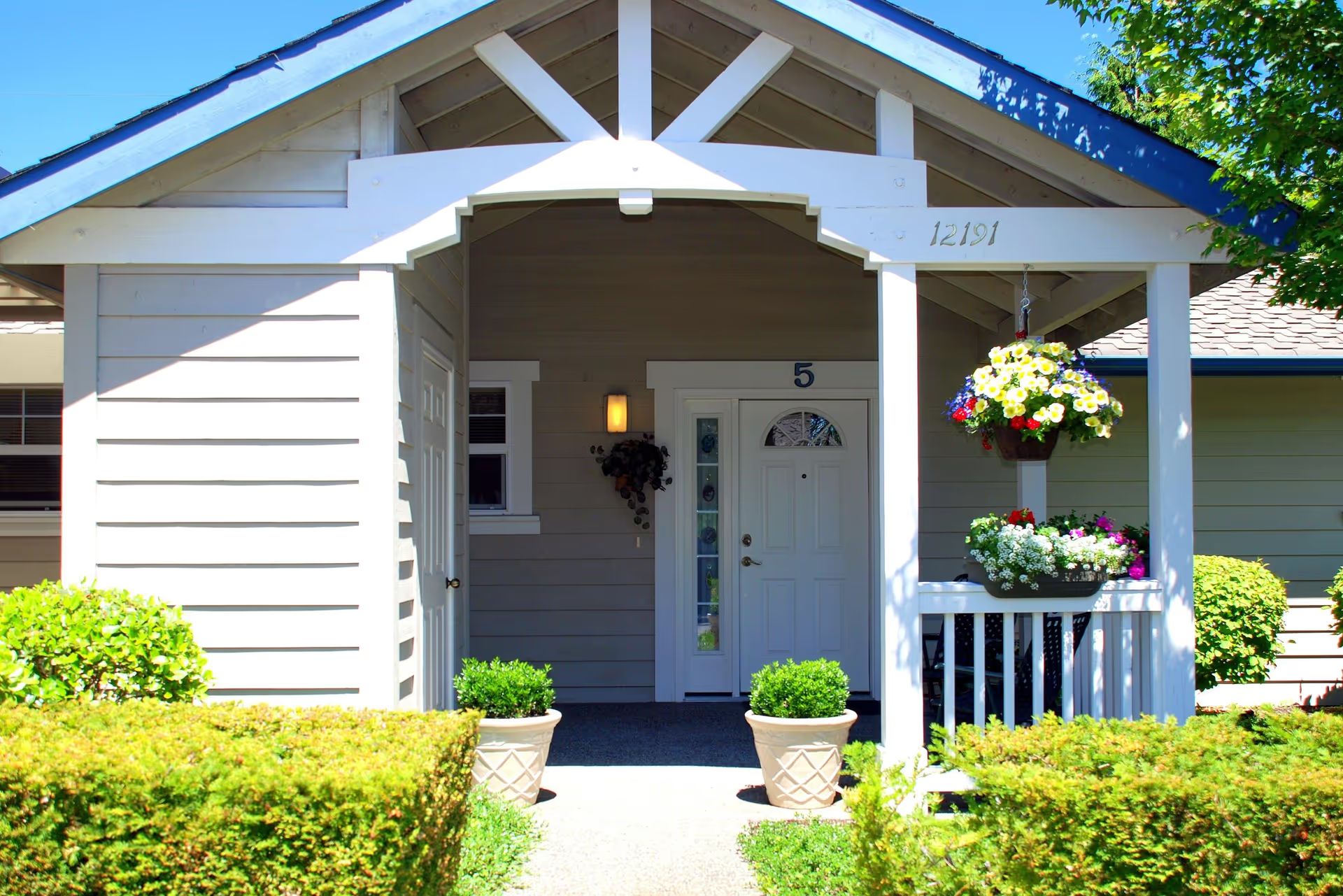
Reviewer feedback for The Arbor at Bremerton is mixed, with clear strengths around facility appearance, certain staff members, and the admissions experience, alongside operational weaknesses affecting day-to-day resident care. The community is frequently described as a new, clean, and well-maintained environment with pleasant common areas, a dining room that is kept orderly, and an accessible courtyard. Several families praised staff who provided compassionate, family-focused interactions and timely updates; a number of reviewers also singled out effective pre-placement assistance and an efficient move-in process.
Care quality appears inconsistent across accounts. Some families report attentive, kind caregiving and positive end-of-life support, while other families describe delays in basic personal-care routines (bathing, grooming), inconsistent clinical monitoring, and medication-administration issues. These contrasts suggest variation in shift-level staffing or in training/oversight. Understaffing is a recurring theme tied to reduced responsiveness, limited resident attention, and gaps in routine care.
Dining and daily services show a split pattern. The facility’s dining area and presentation are viewed positively, but there are repeated comments about cold or low-quality meals and concerns about meal-service continuity. Laundry and property controls are another weak point: reviewers described lost clothing, missing personal items such as glasses, and inconsistent laundering. These indicate operational gaps in property management and resident belongings tracking.
Activity programming and social engagement receive uneven feedback. The community offers basic programming (bingo, courtyard activities), and some families found the activities adequate, but others found offerings limited or infrequent. Families seeking robust cognitive- or memory-care programming may find the schedule minimal compared with the facility’s presentation.
Management and staff interactions are also variable. Several reviews commend specific leaders and staff for problem-solving, safety-conscious decision-making, and excellent communication; these individuals positively influenced placement decisions for some families. Conversely, other accounts describe pushy sales tactics during admission and inconsistent communication after move-in. Visitation policy restrictions were raised as a notable operational trait that some families found restrictive.
Notable patterns to watch for when considering this community include: operational staffing levels that may affect timely personal care; inconsistencies in meal-service quality; weak controls over laundry and personal property; and variable experiences with admissions and ongoing communication. Prospective residents and families should plan to ask specific questions about staffing ratios, daily personal-care schedules, meal service procedures, property-tracking processes, activity calendars, and visitation rules; meeting the community director and observing multiple shifts can help assess whether the praised strengths are consistent with your expectations.