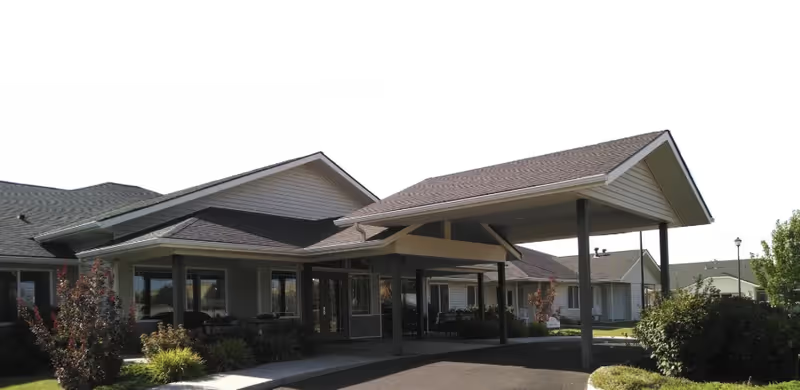
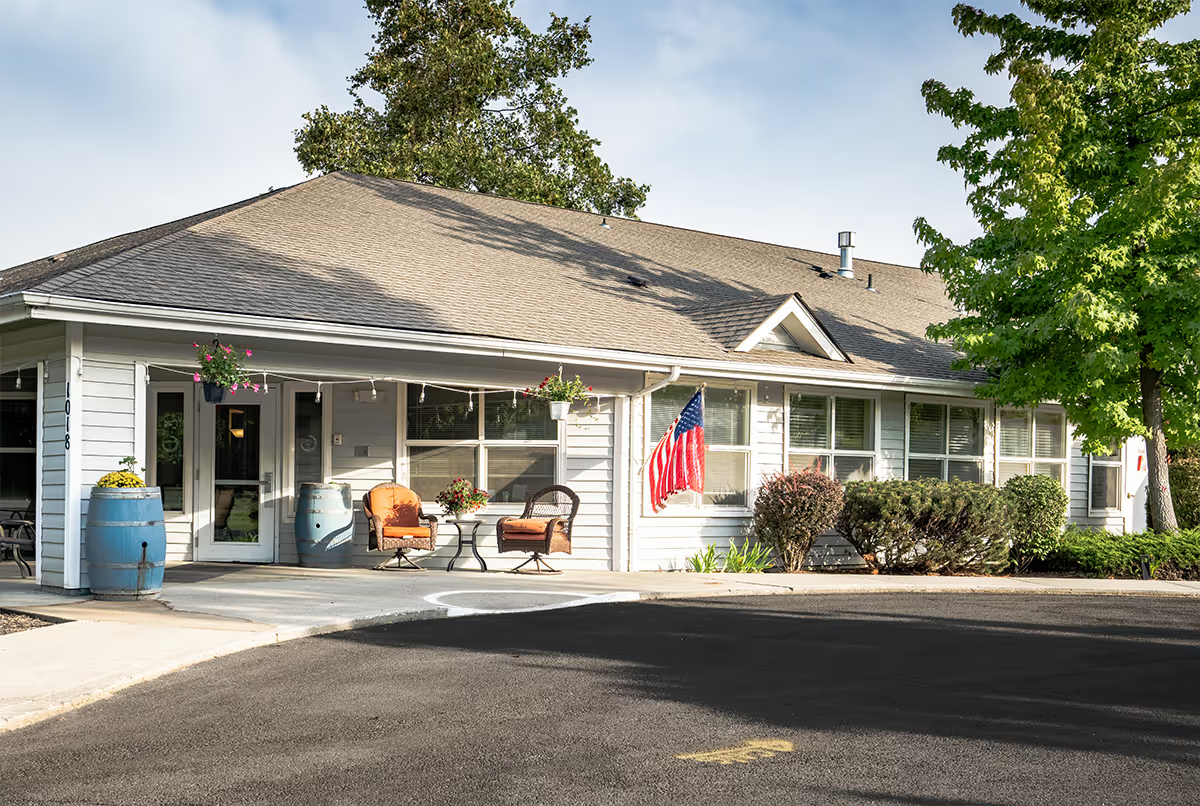
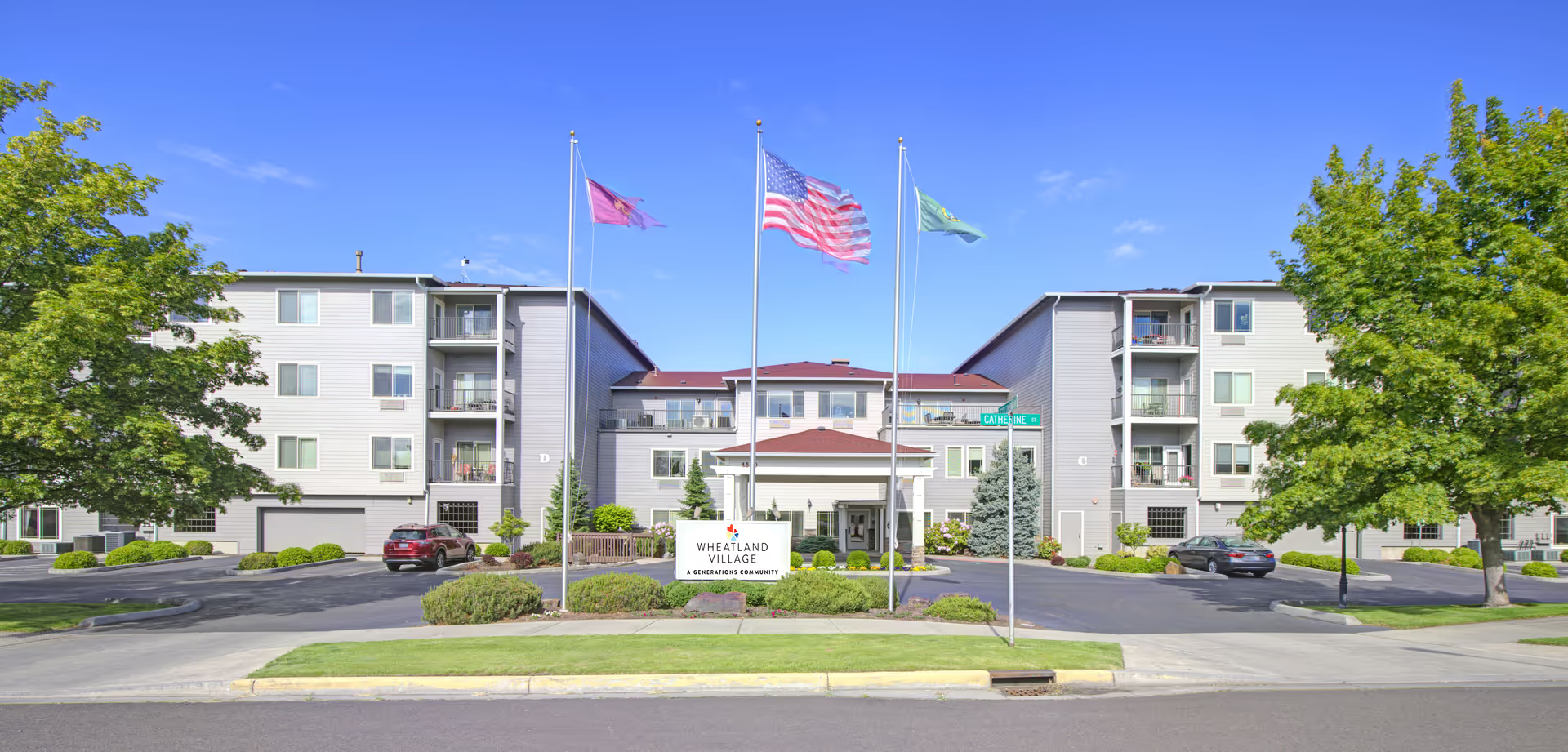
Review feedback for Prestige Care & Rehabilitation - Clarkston is mixed, with distinct clusters of positive and negative experience. Strengths reported include a robust rehabilitation program, a well-equipped therapy gym, clean and comfortable rooms, and many caregivers described as friendly and accommodating. At the same time, several reviewers described clinically important gaps and operational inconsistencies that families should consider when evaluating the facility.
Care quality is a principal area of divergence. Multiple accounts praise the therapy services as excellent and attribute marked functional gains to the facility’s rehabilitation team. Conversely, other accounts describe minimal rehabilitation delivery, inadequate cognitive assessment, and delays in recognizing or responding to changes in vital signs. There are also concerns about the facility’s tendency to recommend higher levels of care without clear documentation of assessment, and about limited transparency around care plans and rehabilitation schedules.
Staff behavior and management practices are similarly variable. Many reviewers characterize staff as helpful, upbeat, and willing to accommodate visits and dietary preferences. However, there are significant reports of poor bedside manner, unresponsive or negative interactions, and internal communication gaps between employees and administrative phone staff. These communication failures have operational consequences, including families being uninformed about infection-control events or changes to visitation policies, and the need for active family advocacy to obtain timely information.
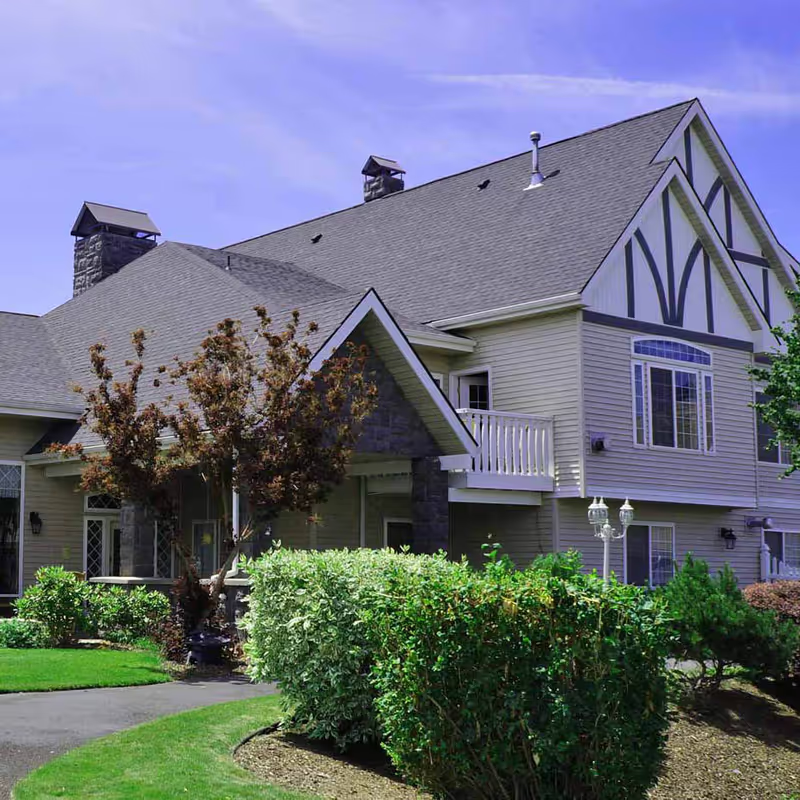
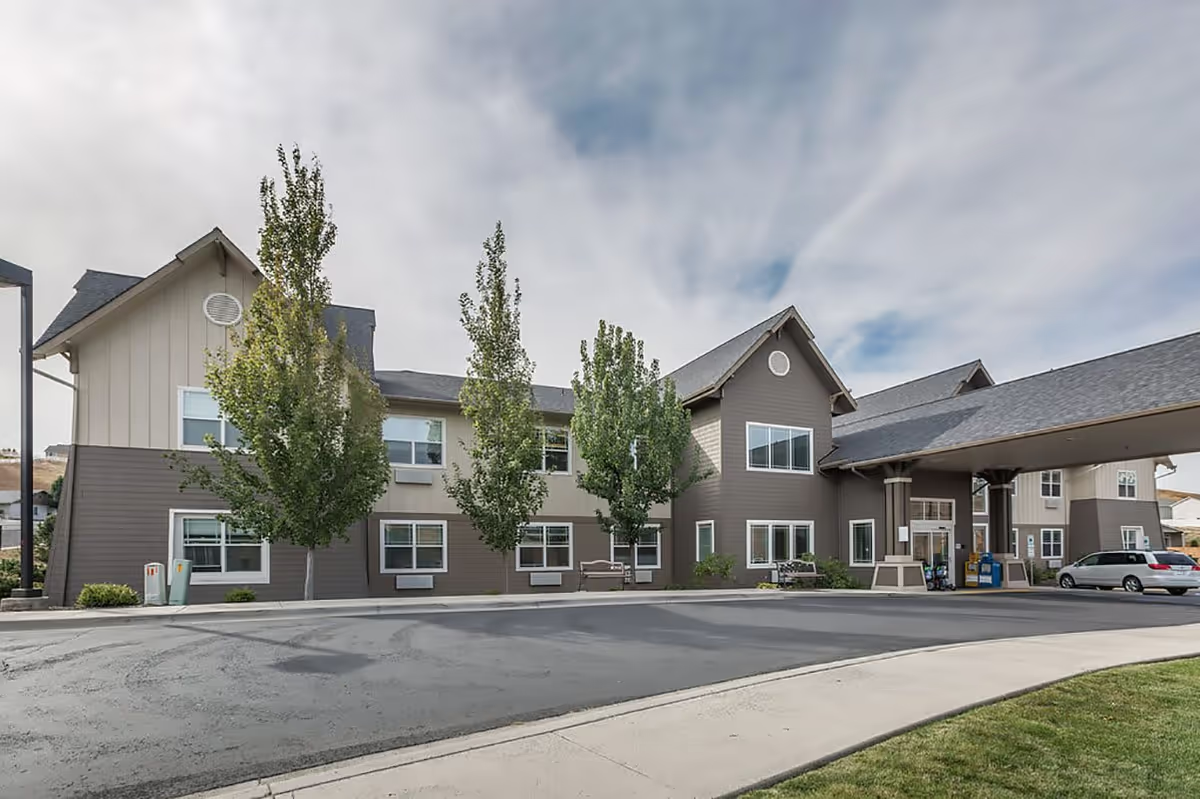
Dining and hospitality show a split pattern. Some families note flexible dining options and staff willingness to accommodate meal preferences and visitation needs. Others describe inconsistent meal quality and basic offerings that did not meet expectations. Facilities and activities receive generally favorable comments: many reviewers praised the therapy gym, the quality of rehabilitation equipment, and the cleanliness of rooms and common spaces.
Infection-control communication and visitor management emerged as notable issues in some accounts, including an incident involving a visitor and apparent lapses in how staff communicated lockdown or screening procedures. There are also mentions of serious concerns following a resident’s decline or death that centered on family communication and end-of-life coordination rather than clinical detail.
For prospective residents and families: the facility has demonstrable strengths in therapy, facility upkeep, and accommodating staff in some units or shifts, but also shows variability in clinical oversight, communication, and dining consistency. When considering this facility, families should request specific information about assessment protocols (including cognitive testing and vital-sign monitoring), rehabilitation schedules and measurable goals, sample menus and meal accommodations, infection-control policies and visitor procedures, and the facility’s process for family communication and escalation. Scheduling a tour, meeting the therapy team, and obtaining written care-plan examples will help clarify whether the facility’s operational strengths align with the prospective resident’s needs.