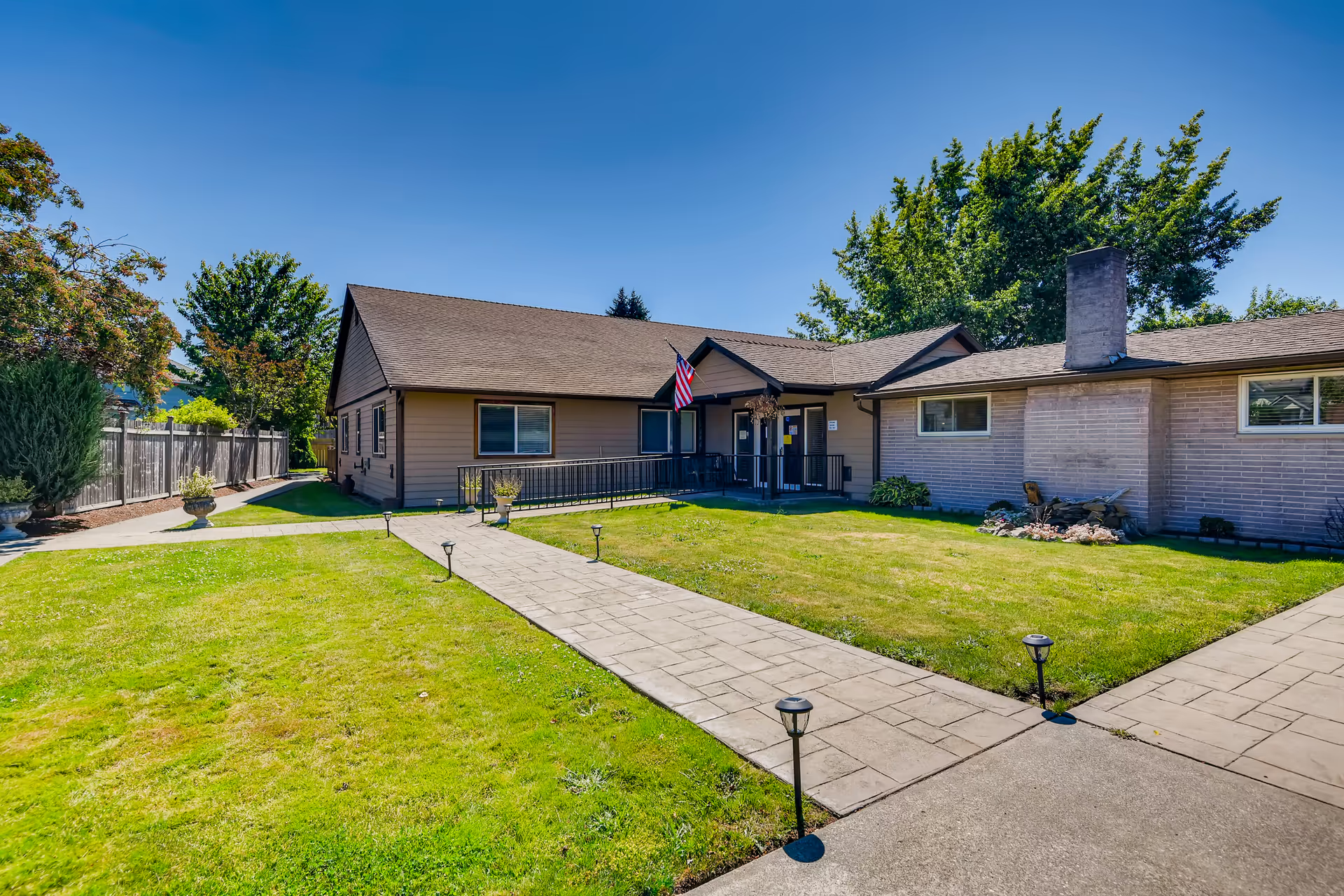
Overall impression: The facility is portrayed consistently as a small, owner-operated adult family home that emphasizes warmth, personalized attention, and clinical oversight. Reviewers convey strong confidence in the caregiving team and management, and many cite measurable health improvements and peace of mind for family members.
Care quality and clinical support: Reviews describe skilled and compassionate care with routine clinical access — nurses and physicians visit the home and the provider accepts hospice, suggesting capacity for both ongoing chronic-disease management and end-of-life support. Several accounts note specific improvements in chronic conditions (for example, better blood-sugar control), which supports the impression of effective medication and care-plan management. The home is presented as detail-oriented and rule-compliant, with staff who are attentive to residents’ needs.
Staff and culture: Staff are characterized as professional yet family-like: respectful, conversational, and engaging. The owner’s hands-on involvement is described as a strength that contributes to consistent care and a welcoming tone. Families report that residents are treated like family, receive affectionate interaction, and experience social engagement that includes humor and conversation.
Dining and nutrition: Food is highlighted as homestyle and prepared from scratch; reviewers indicate that residents are eating better and gaining strength. This suggests a consistent approach to meal preparation and attention to nutritional needs, which reviewers link to improved well-being.
Activities and social life: The social environment is emphasized (warmth, conversation, humor), indicating an informal activity pattern driven by staff–resident interaction. Reviews focus on interpersonal engagement rather than a broad schedule of structured programs, which may reflect the scale and residential model of the facility.
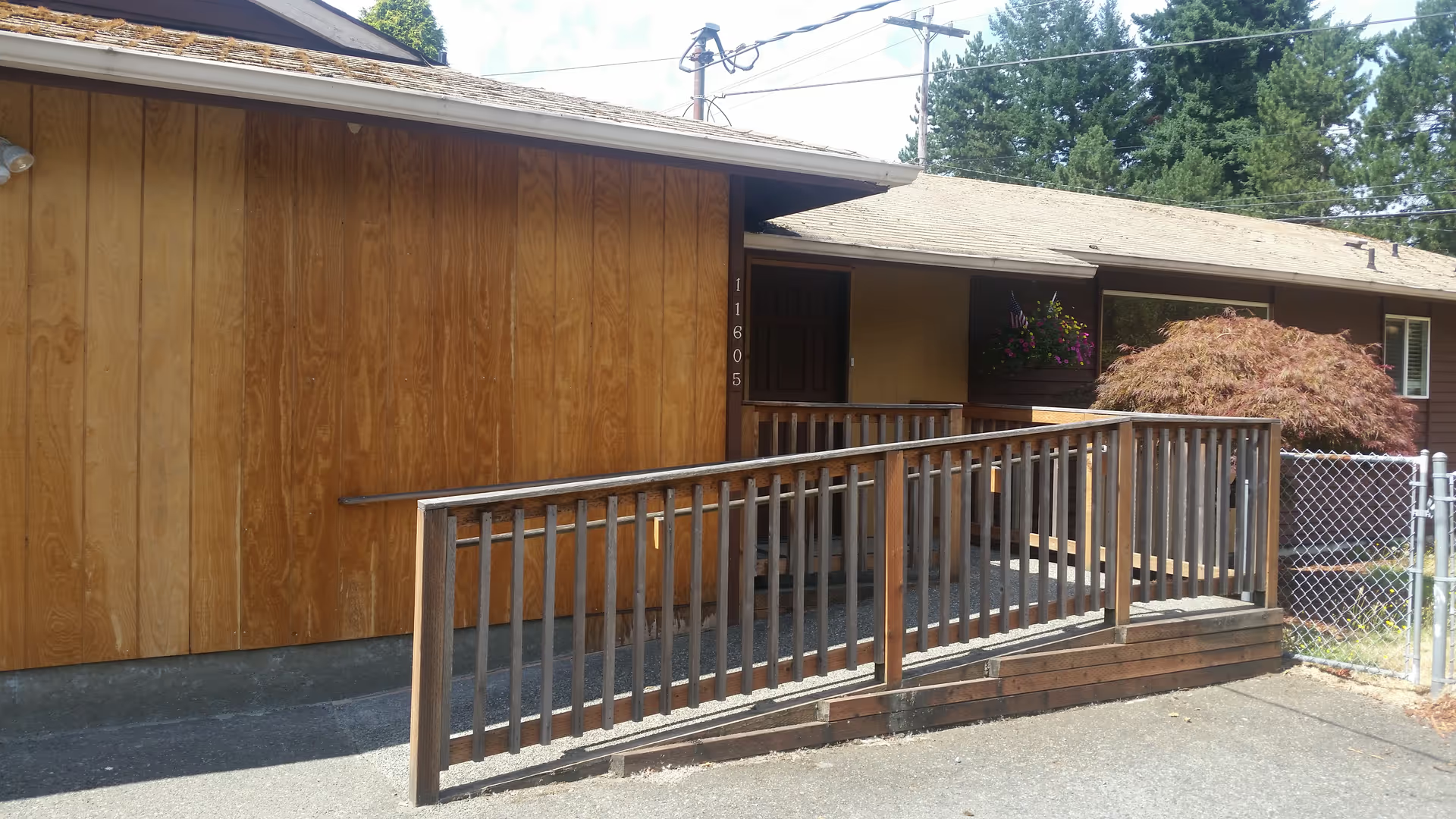
Facilities and cleanliness: The home is described as clean and welcoming, with reviewers noting comfort and a domestic atmosphere. The residential setting appears maintained and oriented toward a homelike experience rather than an institutional model.
Management and operational patterns: Management is owner-driven and detail-oriented, which reviewers present as supporting consistent, high-quality care. That owner-centric approach appears to be a core strength but also suggests a potential continuity risk if leadership changes. The family-style culture can foster close relationships and individualized attention; however, it can also create potential role-boundary ambiguity compared with larger, more formalized settings.
Notable patterns and considerations: The dominant themes are compassionate caregiving, owner involvement, reliable clinical access, effective chronic-disease management, and homestyle meals. Prospective residents and families should weigh these strengths against the inherent characteristics of a small residential home: limited formal activity programming and potentially reduced access to specialized rehabilitation equipment or services that larger facilities often provide. For families seeking a highly personal, hospice-capable, and clinically attentive home environment, this facility’s profile is favorable; those seeking extensive structured programming or on-site specialized therapy may want to verify available services and contingency plans for leadership continuity.