Brookdale Everett is described most frequently as a warm, family-like assisted living community with a socially active resident population and staff who form close relationships with residents. Many families and residents praise individual caregivers, long-tenured employees, and nursing staff for professional, respectful interactions and attentive personal care. The community's activity program and social calendar are commonly cited strengths — trivia, music nights, crafts, gardening and frequent happy-hour style events contribute to a lively atmosphere and extensive opportunities for friendship-building.
Care quality is generally characterized by compassionate day-to-day caregiving and capable nursing oversight, but reviewers also describe variability in operational execution. Positive accounts highlight individualized attention and strong caregiving relationships; conversely, other accounts point to inconsistent responsiveness (including delayed answers to emergency calls) and staffing shortfalls that can affect timely assistance. There are also mentions of gaps in clinical documentation and assessment continuity that prospective families should verify when evaluating care plans.
Dining receives mixed but specific feedback. Several reviewers compliment kitchen staff and certain meals, and some note the ability to handle special-diet requests. At the same time there are recurring concerns about inconsistent food quality, reliance on processed items, limited fresh fruit or healthy choices, menu mismatches, and occasional interruptions to meal service. Families who prioritize therapeutic diets or predictable menu accuracy should ask about current kitchen policies, menu cycles, and contingency plans for shortages.
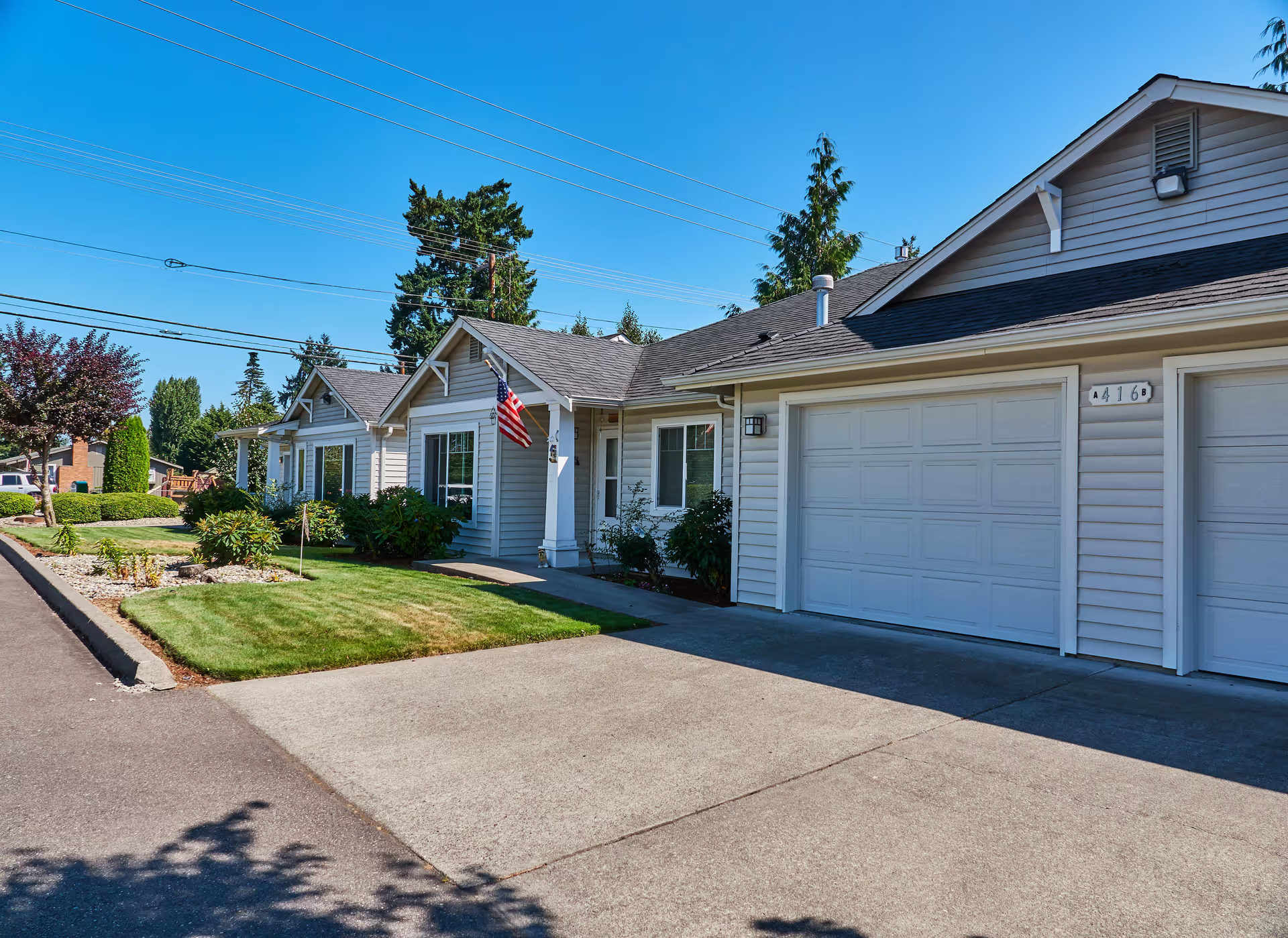
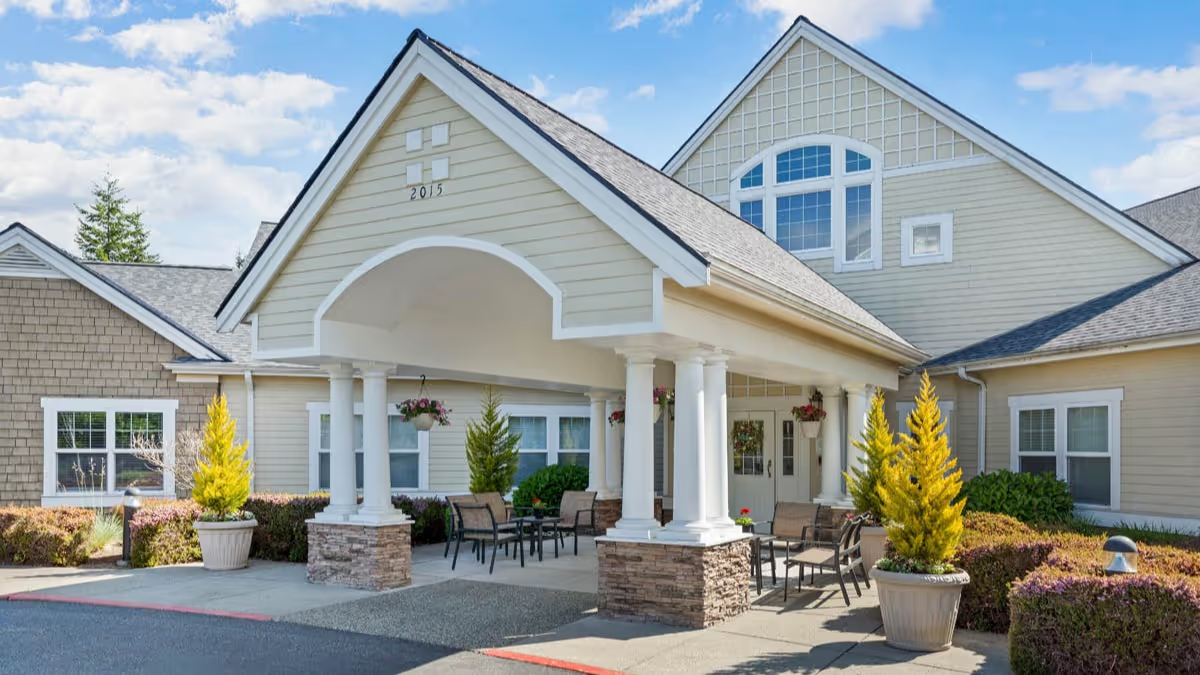
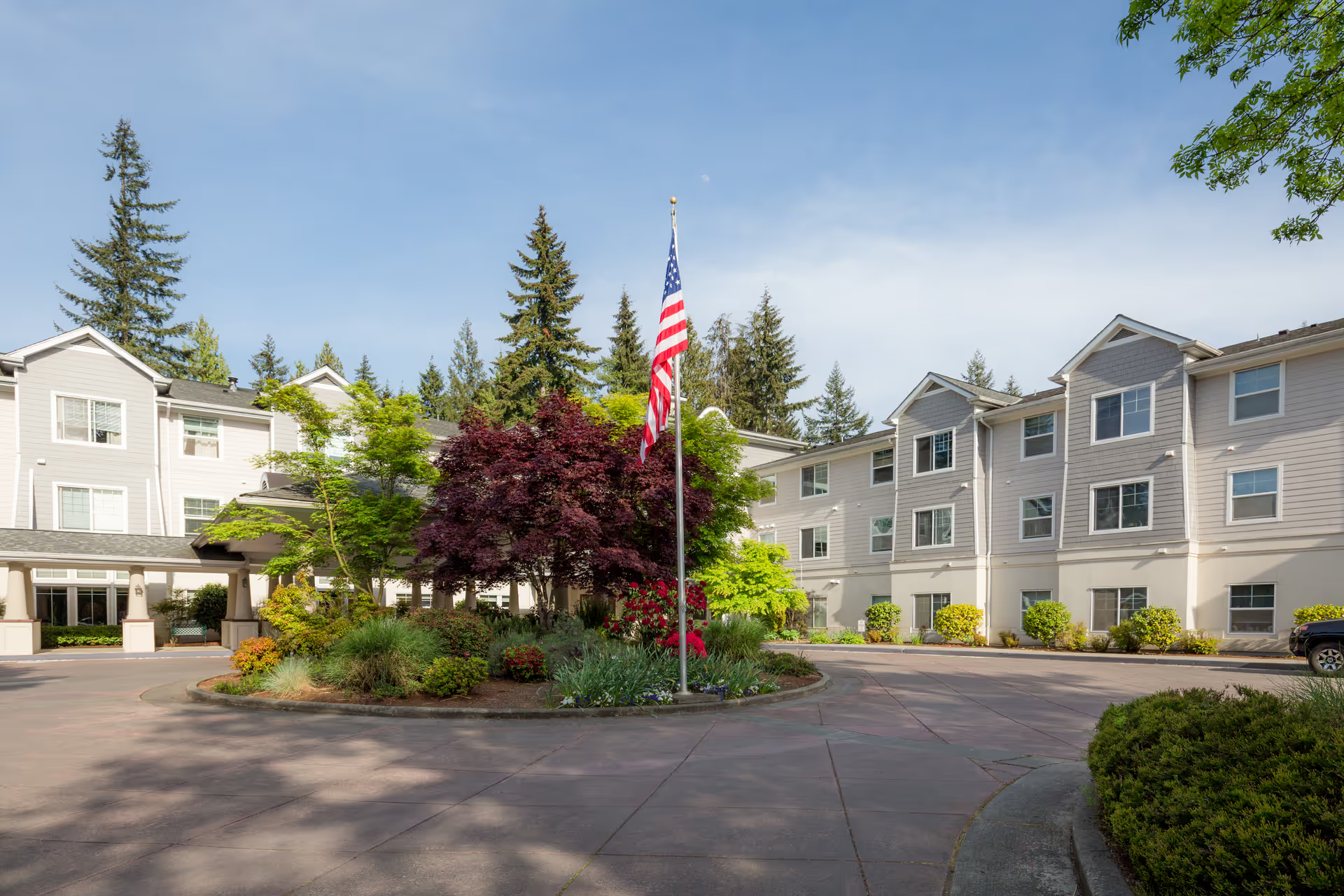
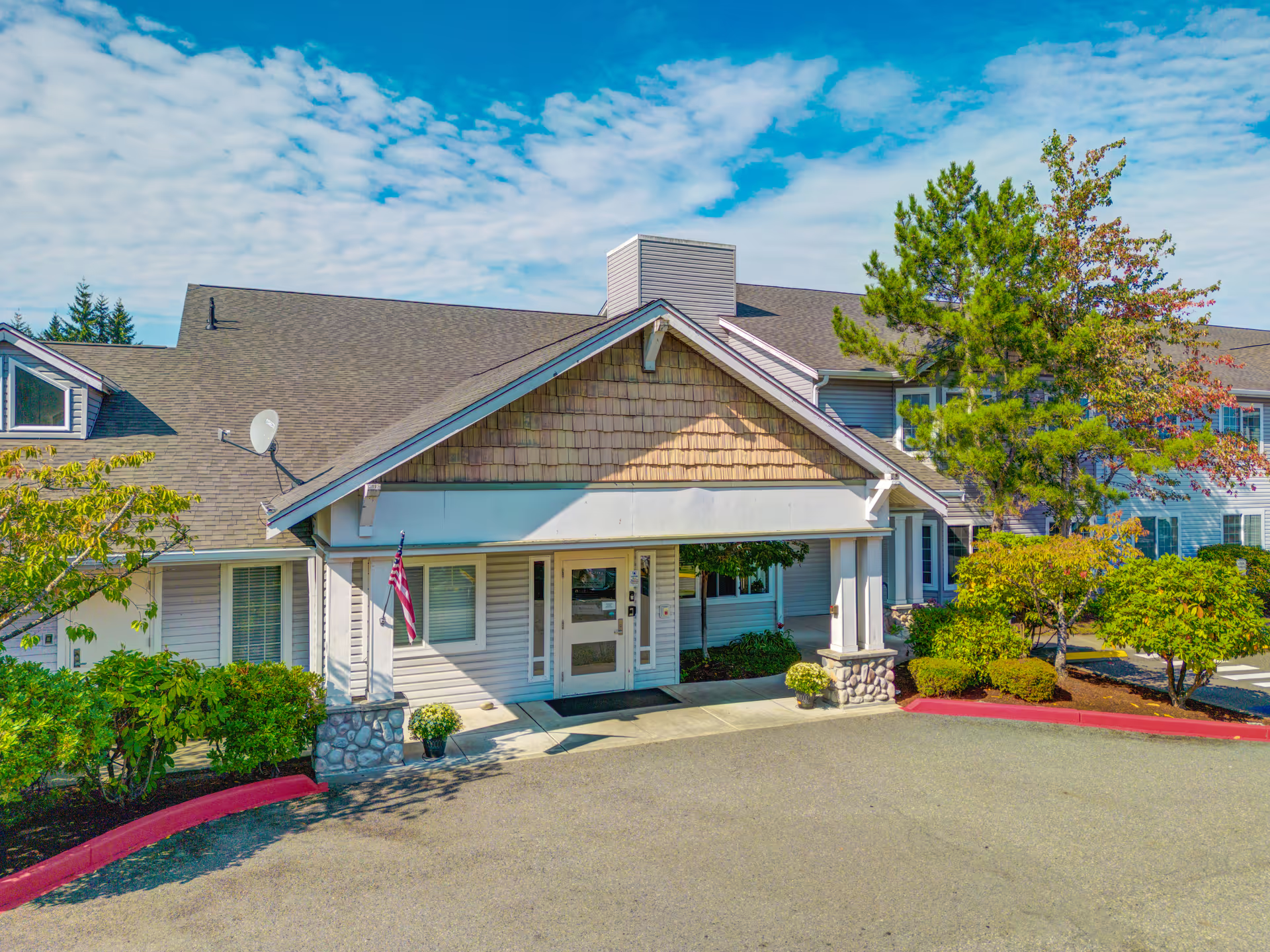
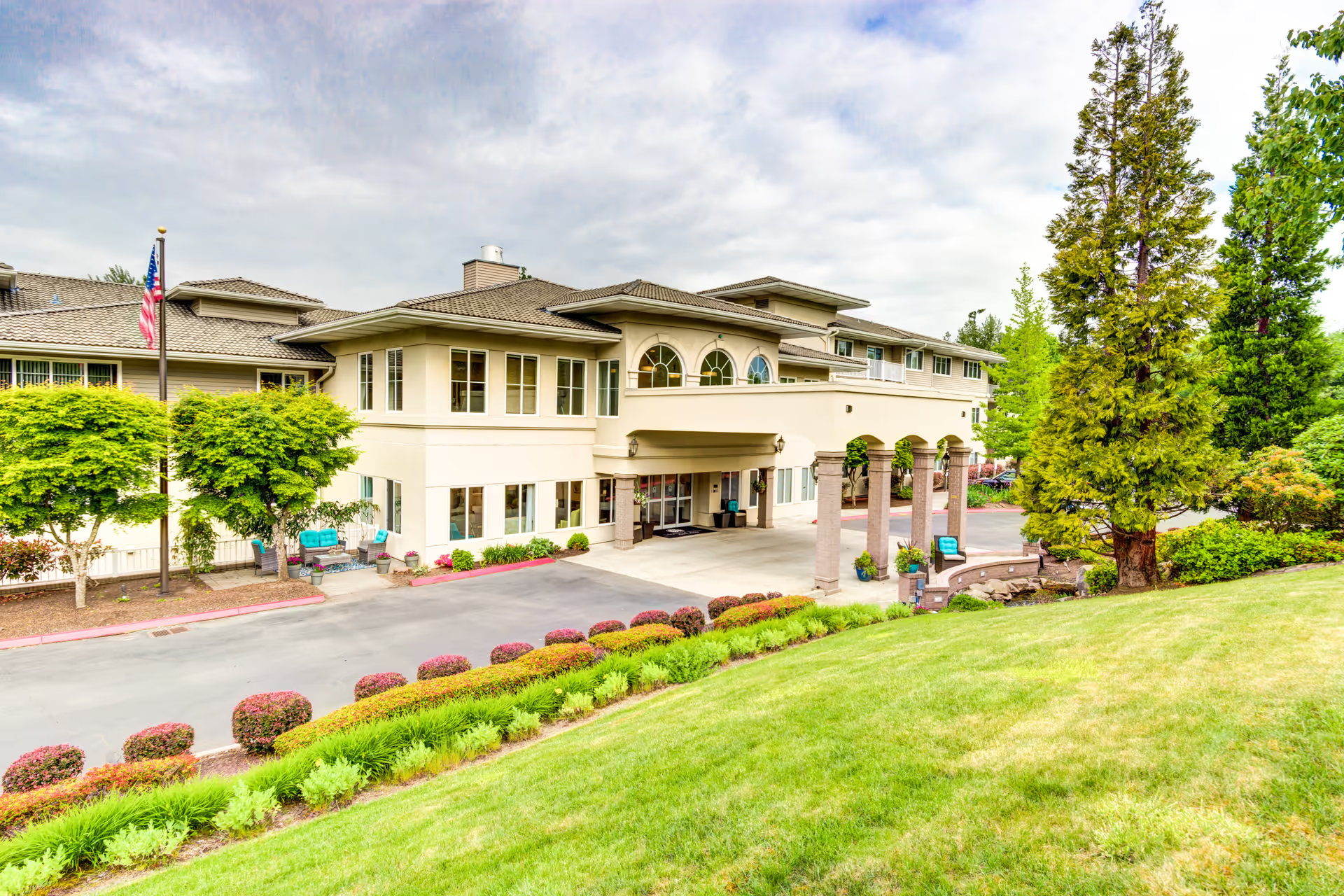
The facility and amenities present a mixed profile. Units — particularly one-bedroom apartments — are frequently described as spacious with large windows, and common areas and recent remodels are often noted as clean and pleasant, including garden and patio spaces. The community is pet-friendly and conveniently located for some visitors. That said, some units and common areas show maintenance or sanitation concerns at times, and dining-room layout or limited space can be inconvenient for residents who use wheelchairs. A few reviewers also reported issues with heating and broken equipment that affected comfort.
Management and operations show both strengths and vulnerabilities. Marketing and admissions staff receive positive mention for helpful tours and move-in assistance, and some leaders and program directors are singled out for strong engagement. However, families also describe uneven communication, leadership turnover or changes that correlated with declines in service, and instances of unclear billing or charge disputes. There are also a small number of serious conduct-related concerns and professionalism issues that warrant direct inquiry during a tour.
Notable patterns for prospective residents and families: the community offers a robust social environment and many residents express high satisfaction with friendships and daily life, but operational variability means experiences can differ by unit and timeframe. Recommended pre-move questions include current staffing ratios (including evenings), emergency-response protocols, memory-care programming specifics, menu samples and dietary accommodations, documentation practices, recent survey/inspection history, and billing dispute procedures. An on-site visit at different times of day, speaking with current residents and reviewing recent care-plan documentation will help clarify how the facility’s strengths and weaknesses align with an individual resident’s needs.