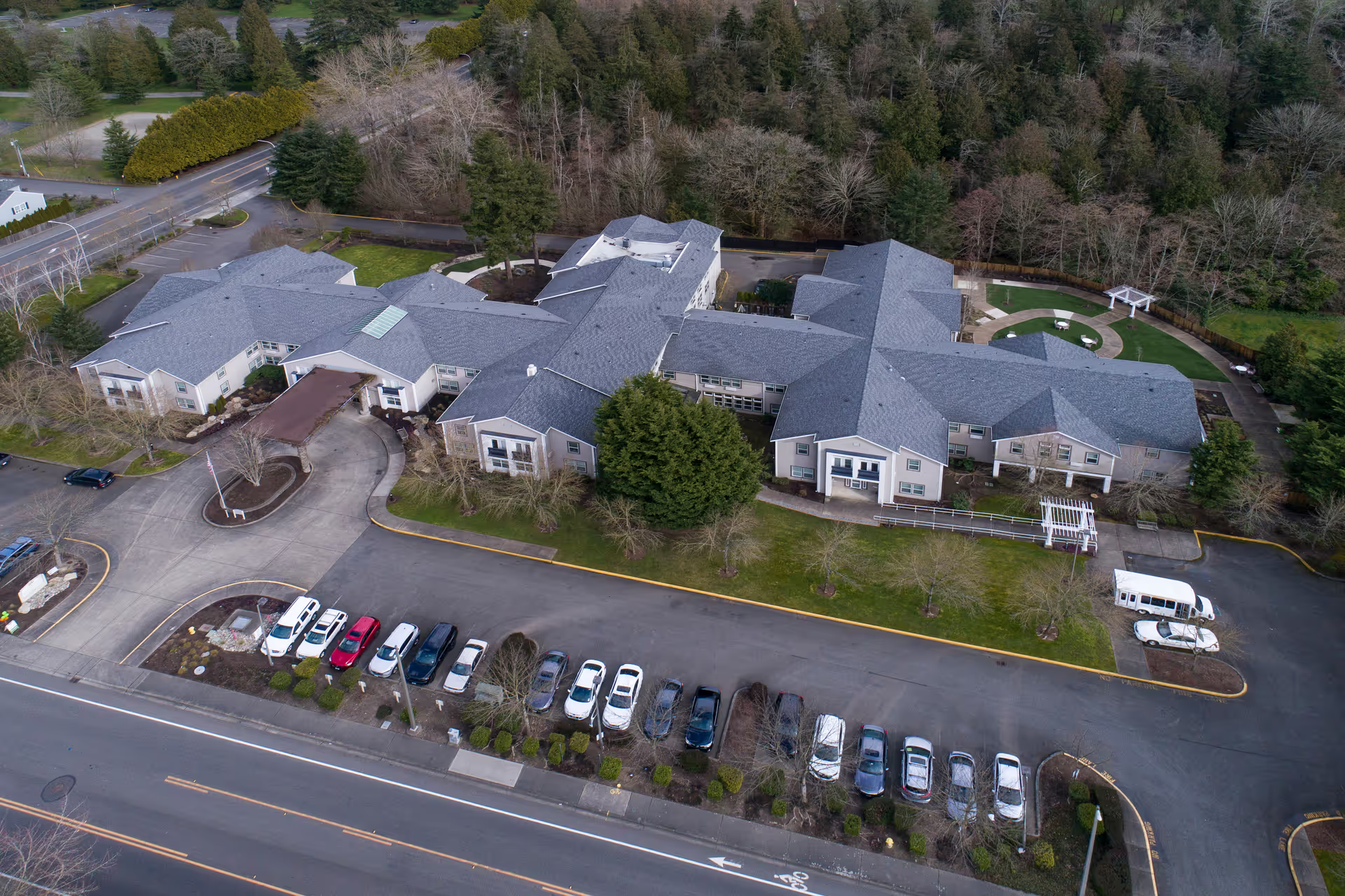
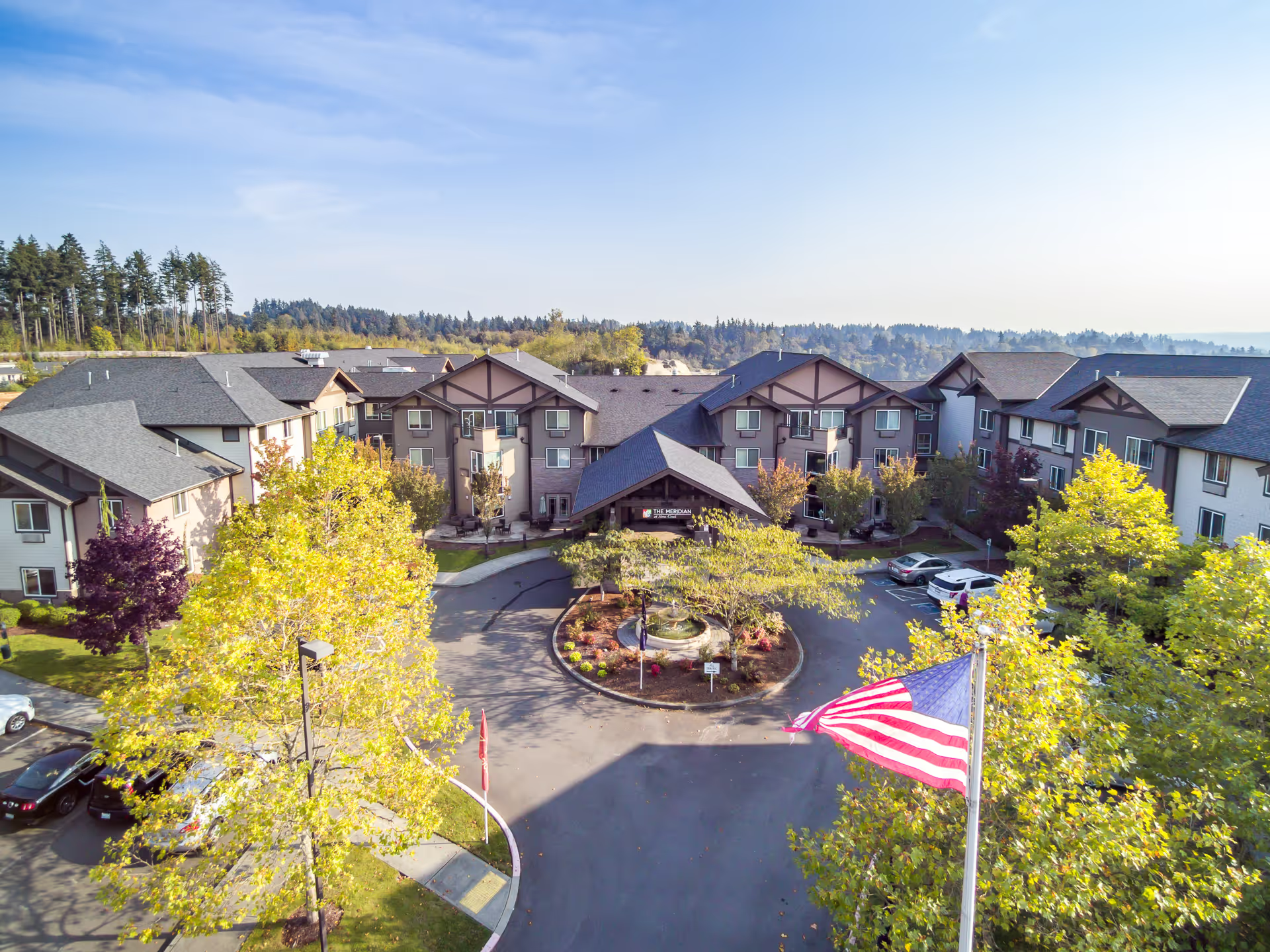
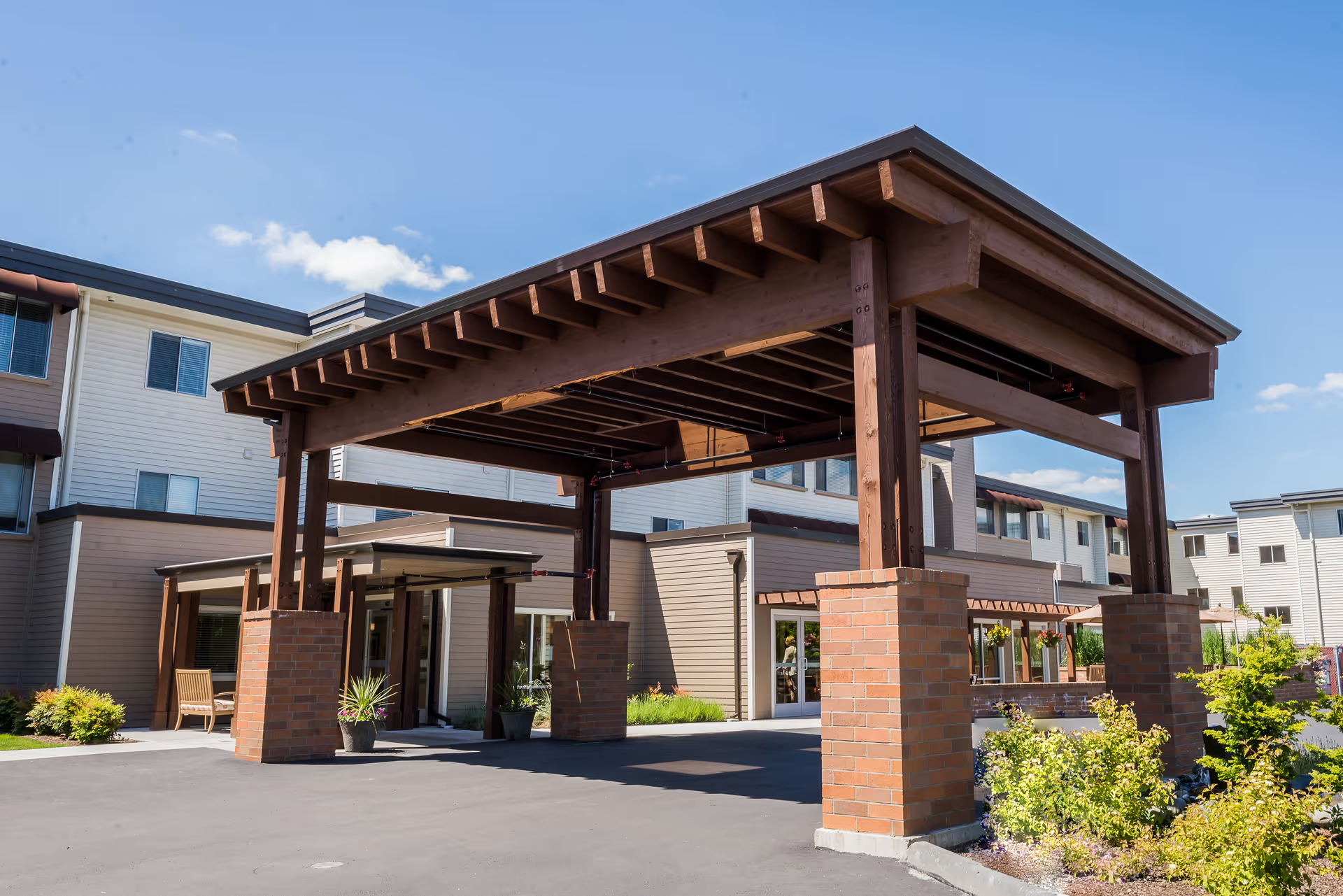
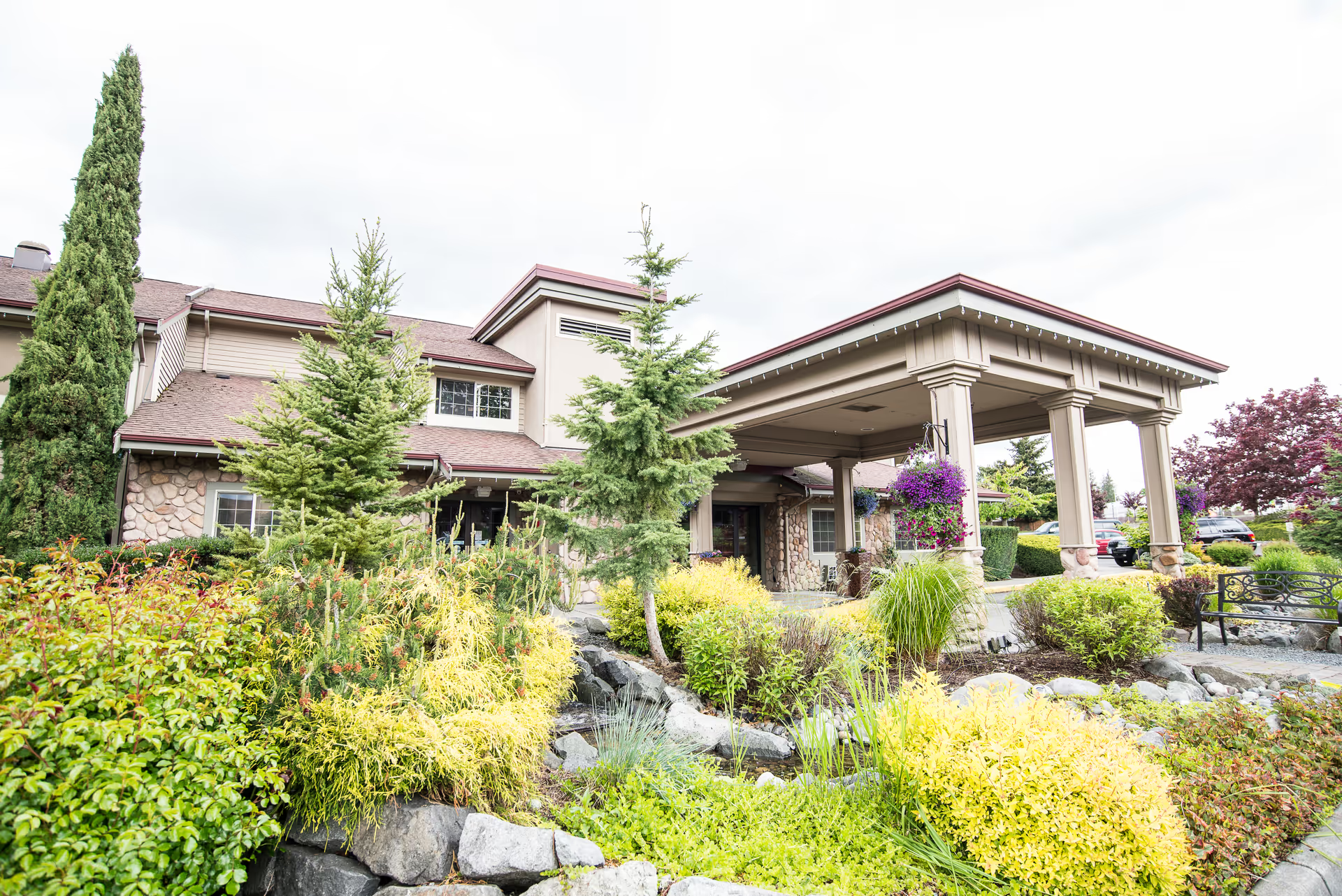
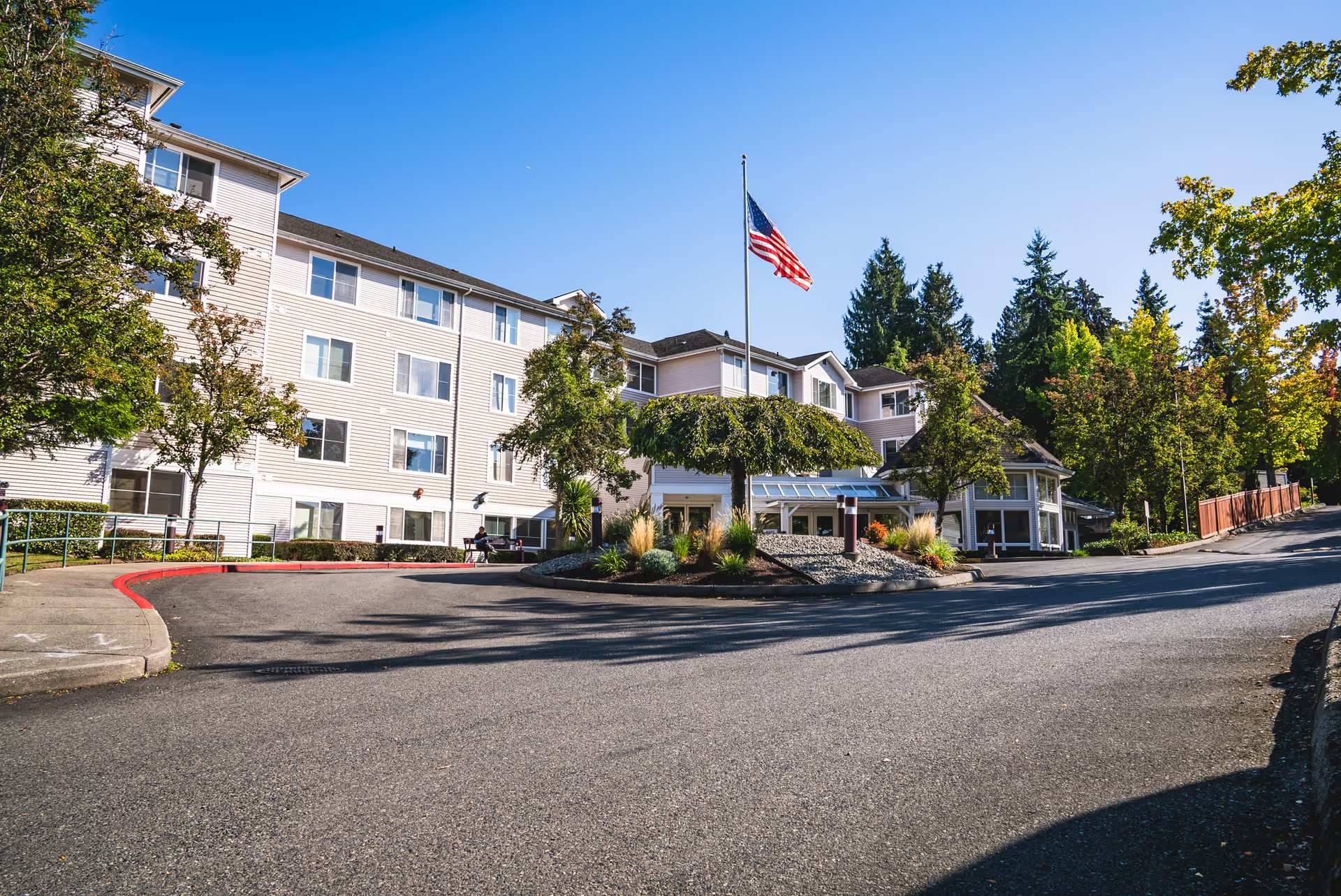
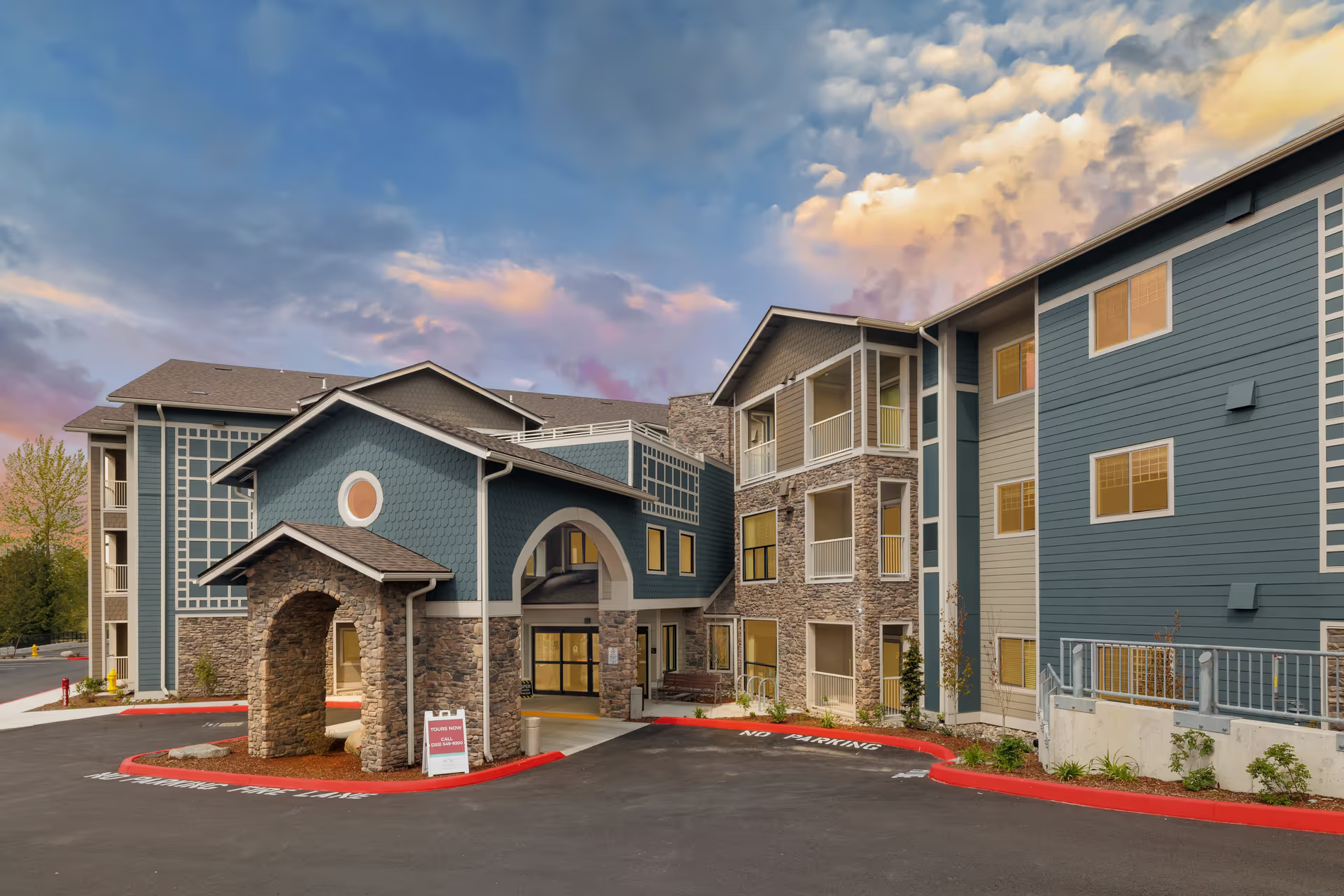
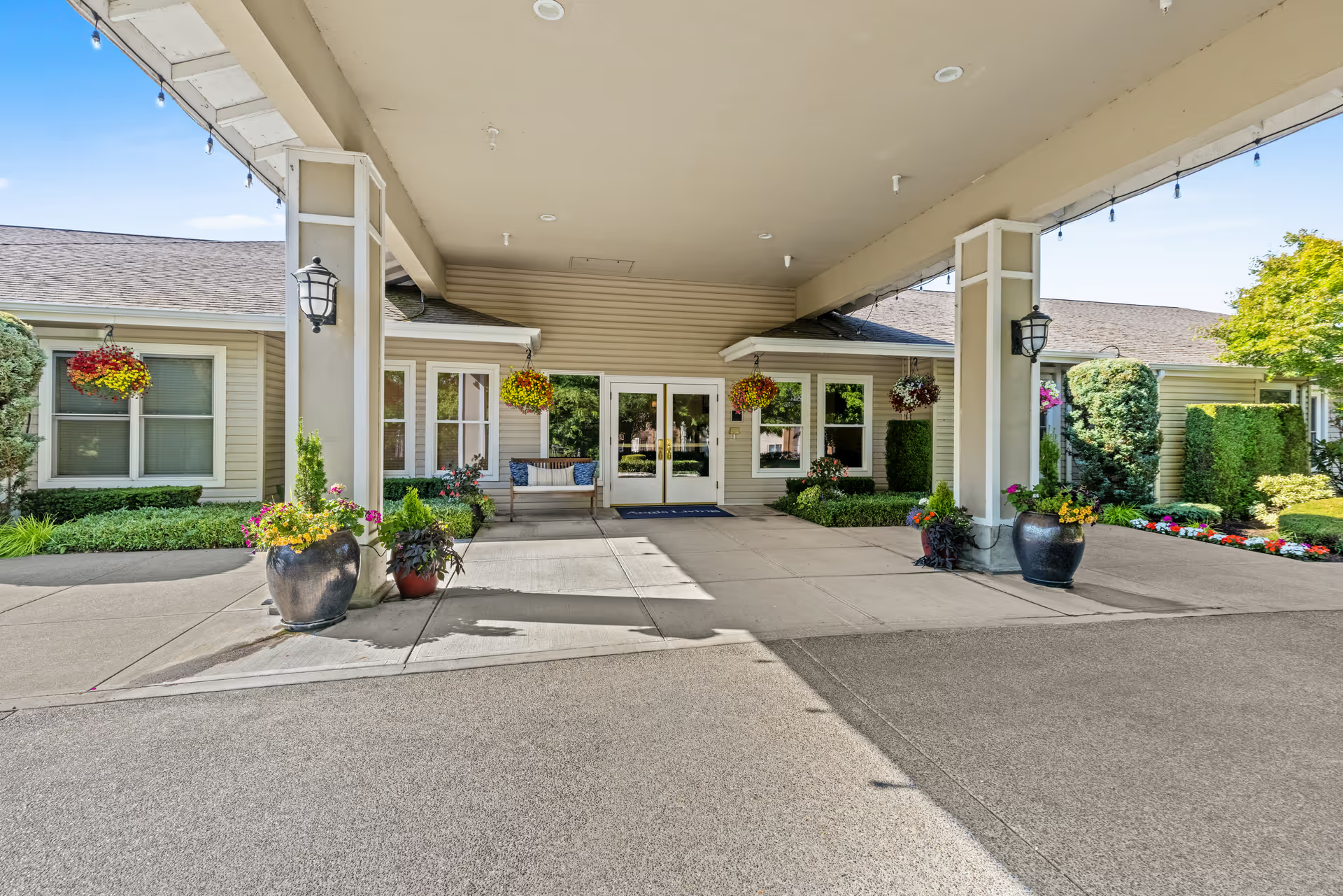
Brookdale Federal Way elicits a strongly mixed set of impressions: many families and visitors praise individual caregivers, community amenities, and an active social program, while other accounts point to recurrent operational weaknesses that affect day-to-day care and safety. The facility presents as an older, generally well-maintained property with usable common areas (activity rooms, game/movie rooms, courtyard) and practical services such as laundry and weekly housekeeping. Units include a mix of studios and some one-bedroom apartments, with a few recently updated rooms. The community accepts Medicaid and positions itself as an affordable option for many families.
Care quality and staff performance are prominent themes with divergent experiences. Numerous reviews highlight compassionate, responsive caregivers and specific staff members who go above and beyond, and families frequently cite good communication and helpful admissions support. At the same time, there are repeated operational concerns: staffing instability and apparent understaffing correlate with inconsistent personal-care delivery (missed showers, skipped wellness checks for higher-need residents), lapses in medication handling, and delays responding to call requests. These issues suggest variability in day-to-day supervision and consistency of clinical oversight; prospective families should clarify staffing ratios, medication protocols, and supervision practices during a visit.
Dining and nutrition are also mixed. Some reviewers praise special meals and holiday dining, while others describe declining food quality and limited accommodation for dietary restrictions. Menus and meal presentation have accessibility gaps for residents with low vision, and there is no consistent evidence of an on-site nutritionist. Families concerned about weight loss or specific dietary needs should ask about menu modification processes and how the kitchen accommodates medical diets.
Activities and resident engagement are strengths in many accounts: there are organized outings, games, and regular programs that support socialization. However, activity scheduling and participation consistency can be irregular, and reviewers indicate limited low-vision–friendly or dementia-appropriate programming. Residents with cognitive impairment or sensory loss may not receive fully adapted activities, so suitability depends heavily on individual needs and staff follow-through.
Facility systems and maintenance show both positive and problematic signals. The property is described as older but often kept clean and homey; conversely, reviews note spotty maintenance (delayed repairs, intermittent utility problems) and some pest-control or sanitation concerns in select areas. More serious are accounts of unreliable alarm and safety systems (fire-alarm noise/behavior, entry buzzer failures, resident personal alarms not functioning), which point to facility-level risk-management gaps. Prospective residents should verify the status and testing cadence for emergency systems and ask how maintenance issues are documented and prioritized.
Management and administration elicit polarized feedback. Some families praise strong leadership and specific directors, while others describe poor follow-through, unprofessional conduct, abrupt policy enforcement, billing disputes, and concerns about eviction and discharge practices; there are at least one or two allegations of inappropriate discharge pressure. Infection-control during outbreaks (COVID-era lockdowns) raised stress for families, and some reviewers felt that outbreak management and communication could be improved. Given this variability, families should seek documentation on admission agreements, fee schedules, grievance processes, and the community’s approach to outbreaks and transitions of care.
Notable patterns and guidance: experiences at Brookdale Federal Way appear highly dependent on which staff and managers are on duty and on the acuity level of the resident. The community may be a good fit for ambulatory or lower-assistance residents seeking an active social environment and affordability via Medicaid, especially where individual staff members are strong. For residents with higher medical needs, significant dementia, sensory impairments, or those requiring reliable personal-care schedules and robust alarm systems, the facility may present risks unless families secure clear, written assurances about staffing levels, clinical oversight, emergency-system reliability, dietary accommodations, and care-plan enforcement. Visitors should tour during different shifts, ask for the latest staffing and safety records, review sample care plans, and confirm billing and discharge policies before committing.